




How Is THCA Kief Made? From Trichomes to Concentrate

If you've ever wondered how is THCA kief made, the answer starts long before anyone touches a screen or a sifter — it starts in the grow room or the field, with a hemp plant engineered by nature to produce resin. Kief is the collected trichome heads that coat high-THCA hemp flower, separated from the plant material through mechanical agitation and fine mesh screens. What looks like a simple dusting of golden powder is actually the product of a precise, multi-stage kief production process that spans cultivation, drying, curing, sifting, grading, and lab testing.
For consumers, kief represents one of the most accessible entry points into concentrates — no solvents, no butane, no complicated extraction rigs, just mechanical separation of the plant's most potent trichome heads. For wholesale buyers and retailers, understanding the production process is essential to evaluating quality, purity, and pricing tiers.
This guide walks through the entire journey from trichome to finished concentrate, covering dry sift kief, THCA kief extraction methods, screen mesh sizing, grading, and the quality control steps every reputable producer should follow before a batch reaches a shelf. Browse the finished product in our THCA kief collection.
What Is THCA Kief, Exactly?
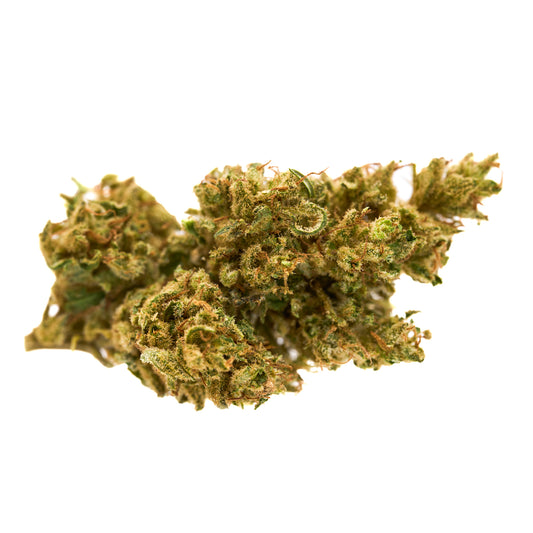
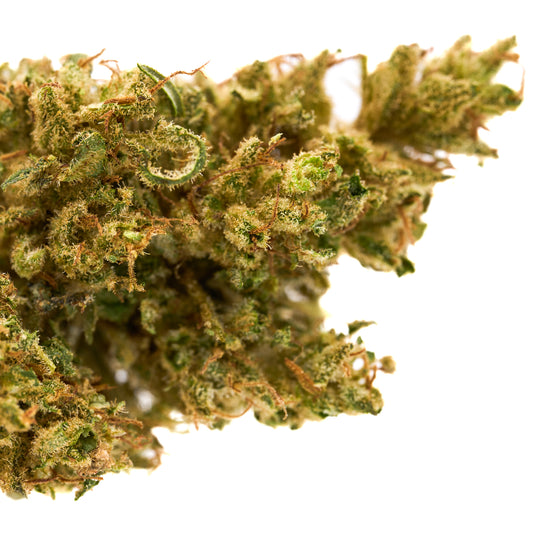
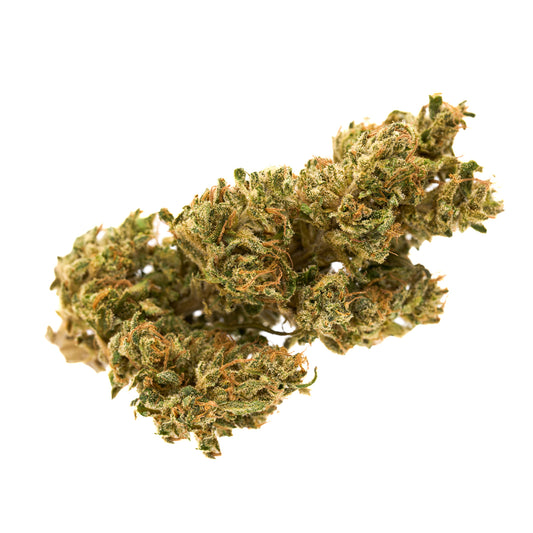
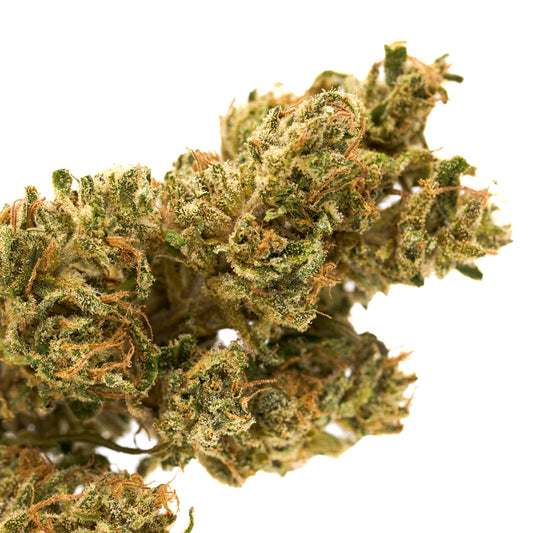
Before diving into how to make kief, it helps to understand what it actually is. Trichomes are the tiny, mushroom-shaped crystalline structures that form on the surface of hemp flowers, primarily concentrated on the sugar leaves and flower calyxes. These trichomes contain the resin glands responsible for producing THCA (tetrahydrocannabinolic acid), along with terpenes and other cannabinoids that give each strain its distinct aroma and effect profile.
Kief is simply the collected heads of these trichomes once they've been mechanically knocked loose from the surrounding plant matter. Because trichome heads contain the highest concentration of cannabinoids on the entire plant, kief is significantly more potent than the flower it came from — often testing at THCA percentages two to four times higher than the source material.
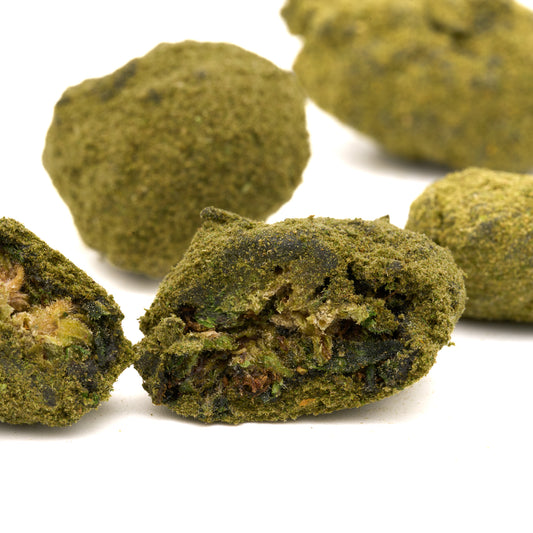
Unlike solvent-based extracts such as BHO or live resin, kief requires no chemical processing. It's a purely mechanical concentrate, which is part of why it holds broad appeal: it's solventless, relatively simple to produce, and can be pressed into hash, sprinkled on flower, or used as a base ingredient for further processing like rosin pressing.
Understanding this foundation makes the rest of the kief production process — cultivation, drying, sifting, and grading — much easier to follow, and it's why quality kief starts well before any screen enters the picture. Explore graded options in our THCA kief collection.
Cultivation — Growing for Trichome Density
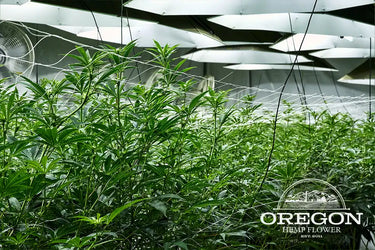
Every high-quality batch of kief begins in the cultivation stage, because trichome density is largely determined by genetics, growing conditions, and harvest timing — not by anything that happens after the plant is cut down. Producers select high-THCA hemp strains specifically bred and grown to maximize resin production, since kief yield is a direct function of how many trichomes are present on the flower to begin with.
Strain Selection
Not all hemp cultivars are equally suited to kief production. Strains bred for high resin output — often the same genetics used for pre-roll and flower markets — tend to produce denser, larger trichome heads that survive mechanical separation intact. Growers cultivating specifically for concentrate production will often select phenotypes based on trichome coverage under magnification, not just cannabinoid percentage on a lab sheet.
Environmental Factors
Trichome production is a stress response as much as it is a genetic trait. Hemp plants produce resin partly as a defense mechanism against UV light, pests, and environmental stressors. This means cultivation practices matter enormously:
- Light intensity and spectrum — increased UV-B exposure in the final weeks of flowering has been shown to boost trichome density
- Temperature and humidity control — stable, well-managed grow environments reduce mold risk and allow trichomes to mature fully
- Nutrient timing — proper feeding schedules, particularly during late flowering, support robust resin gland development
- Growing medium — soil, coco, or hydroponic setups each influence overall plant vigor and, indirectly, resin output
Harvest Timing: The Critical Window
Perhaps the single most important cultivation decision in the entire kief production process is harvest timing. Trichomes move through a maturation cycle — starting clear, turning milky white, and eventually shifting to amber as they age. Peak trichome development, and therefore peak kief potential, typically occurs when the majority of trichomes have turned milky with a small percentage beginning to amber.
Harvesting too early means underdeveloped trichome heads that are smaller, less potent, and more prone to breaking apart during sifting rather than separating cleanly. Harvesting too late risks degraded cannabinoids and trichomes that have already begun to dry out and become brittle on the plant, reducing both yield and quality.
Producers focused on THCA kief extraction will often monitor trichomes under a jeweler's loupe or digital microscope in the final weeks before harvest, checking specific cola samples across the canopy to pinpoint the optimal cutting date. This attention to timing at the cultivation stage is what separates kief that tests high in cannabinoid content and terpene richness from kief that's simply "good enough."
Ultimately, no amount of skillful sifting downstream can compensate for flower that wasn't grown and harvested to maximize trichome density in the first place — which is why serious producers treat cultivation as the true first step of kief production, not an unrelated agricultural process. See how strain selection translates to finished product in our THCA kief collection.

Drying and Curing — Setting Up for Clean Separation
Once hemp is harvested, the drying and curing stage plays a pivotal role in determining how cleanly trichomes will separate later in the kief production process. This stage is frequently underestimated, but experienced producers know that flower dried and cured properly will yield cleaner, more flavorful, and more potent kief than flower that's rushed through this phase.
The Drying Process
Freshly harvested hemp is typically hung or racked in a controlled environment — usually maintained between 60-70°F with humidity around 45-55% — for roughly 7 to 14 days. The goal is slow, even moisture reduction. Drying too quickly (high heat, low humidity) can lock in chlorophyll and plant sugars, resulting in a harsh flavor profile that carries through into the finished kief. Drying too slowly, on the other hand, risks mold and mildew development, which can compromise an entire batch before it ever reaches a screen.
Why Trichome Structure Matters Here
As flower dries, trichome stalks become brittle while the resin heads themselves — assuming they were properly matured at harvest — retain their integrity. This brittleness is actually desirable for dry sift kief production: it's precisely what allows mechanical agitation later on to snap trichome heads free from their stalks rather than tearing plant material along with them. Flower that's still too moist will resist separation and clog screens with plant matter; flower that's been dried too aggressively may shatter trichome heads instead of releasing them cleanly, reducing overall potency and yield.
Curing for Flavor and Cleanliness
After initial drying, flower typically moves into a curing period — often several weeks in sealed containers with periodic burping to release excess moisture and allow anaerobic bacteria to break down residual chlorophyll and sugars. Proper curing:
- Improves terpene preservation, which directly affects the aroma and flavor of the finished kief
- Reduces the "grassy" or harsh taste associated with undercured material
- Allows moisture content to stabilize to an ideal range (generally 8-12%) for sifting
- Minimizes plant debris that could break down and contaminate kief during agitation
Producers preparing flower specifically for THCA kief extraction will often test moisture content directly before sifting, since even well-cured flower can shift depending on storage conditions. Material that's slightly too moist is typically dried further rather than risking a muddy, low-grade sift.
This stage is where patience pays off. Rushed drying and curing is one of the most common reasons kief comes out dull, harsh-tasting, or lower in visual purity — regardless of how good the original flower was. Shop cleanly cured, properly processed kief in our THCA kief collection.
The Dry Sifting Process — How Kief Screens Work
This is the heart of the kief production process: dry sifting, the mechanical method that gives dry sift kief its name and remains the most widely used production technique in the industry.
The Basic Mechanism
Dry sifting works on a simple principle — properly dried and cured trichome heads are brittle enough to separate from plant material with mechanical agitation, and they're small enough to pass through fine mesh screens while larger plant fragments cannot. Cured flower is placed on top of a screen (or a stack of screens), and gentle to moderate agitation — shaking, rubbing, or vibrating — knocks the trichome heads loose. Gravity does the rest, pulling the separated trichomes down through the mesh while stems, leaf fragments, and other plant debris are left behind.
Understanding Kief Screens Micron Sizing
The mesh size of the screen used is measured in microns, and this measurement is one of the most important variables in the entire process. Kief screens micron ratings typically range from around 25 microns up to 220 microns, and each size serves a different purpose:
- 220-micron screens are the coarsest commonly used, designed to catch larger plant material while allowing trichome heads and small fragments through
- 160-190 micron screens represent a mid-range pass, further refining the material and removing more plant debris
- 90-120 micron screens begin isolating cleaner trichome heads, reducing the presence of stalk fragments
- 73-90 micron screens are often considered a "workhorse" range for producing solid, usable kief with reasonable purity
- 25-45 micron screens are the finest commonly used and are reserved for isolating the cleanest, most refined trichome heads — material at this level is often what's referred to as premium or "full melt" grade, since it melts almost completely when heat is applied, leaving little to no plant residue behind
Producers frequently use a stacked screen system, layering multiple micron sizes on top of one another so that material passes through progressively finer screens in a single pass, separating kief into distinct grades as it falls.

Multiple Passes and Grading
A single sifting session typically involves multiple passes of the same flower through the screen stack. The first pass tends to yield the highest-quality material — the loosest, most mature trichome heads that separate with minimal agitation. This first-pass kief, sometimes marketed as "full melt" kief, commands the highest price point because it contains the fewest plant contaminants and the highest concentration of intact, undamaged trichome heads.
Subsequent passes require more aggressive agitation to knock loose the trichomes that didn't separate as easily, and this increased agitation tends to pull more plant material through the screen along with the trichome heads. As a result, second- and third-pass kief is generally darker in color, slightly harsher in flavor, and lower in overall purity — though still perfectly usable, and often sold at a lower price point that reflects its grade.
This grading system is central to understanding how is THCA kief made at a commercial scale versus a small-batch or artisanal scale. Commercial producers may run large volumes through motorized sifting boxes or drum sifters that automate the agitation process, while smaller producers might hand-agitate screens over a collection tray, giving them finer control over agitation intensity and pass quality — but at the cost of speed and volume.
Static and Environmental Considerations
Trichome heads are extremely light and can generate static electricity during sifting, which sometimes causes them to cling to screens or containers rather than falling freely. Producers manage this with controlled humidity levels in the sifting room, occasional use of dry ice (discussed further below) to reduce static buildup, and careful equipment grounding.
Color and Visual Purity as Quality Indicators
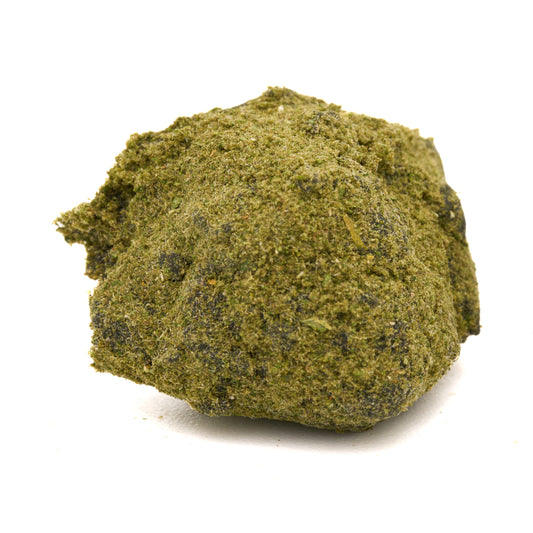
The color of finished kief is one of the fastest visual indicators of grade. High-purity, first-pass dry sift kief tends toward a light golden or pale yellow-green hue, while lower grades pulled from later passes trend darker, often taking on a more olive or brownish tone as plant matter content increases. This is why reputable sellers typically list kief by grade — a practice that helps both retail consumers and wholesale buyers understand exactly what they're purchasing. Compare available grades in our THCA kief collection.
Alternative Production Methods
While dry sifting through kief screens micron stacks remains the most common approach, it isn't the only method used in THCA kief extraction. Two notable alternatives — ice water hash washing and dry ice sifting — offer different tradeoffs in texture, purity, and process.
Ice Water / Bubble Hash Washing
Ice water extraction, often called "bubble hash" production, is a wet sifting method that uses temperature rather than dry mechanical agitation as the primary separation mechanism. Flower (fresh-frozen or dried) is submerged in ice water and agitated, typically in a specialized washing machine or bucket system fitted with a series of mesh bags ranging from coarse to extremely fine micron ratings.
The cold water makes trichome heads brittle and causes them to snap off the plant material more easily, while the water itself helps separate the dense resin glands from lighter plant debris, which tends to float. As the mixture passes through progressively finer mesh bags, trichome heads are isolated by size, similar in principle to dry sifting but using water as the separating medium instead of air and gravity alone.
The resulting wet kief, often called bubble hash, must then be carefully dried — typically freeze-dried or air-dried in controlled conditions — before it reaches a stable, shelf-ready state. Ice water hash tends to produce a texture and purity level that can rival or exceed dry sift, particularly at the finest micron ratings, but it requires more specialized equipment, more time, and more careful post-processing to avoid mold from residual moisture.
Dry Ice Sifting
Dry ice sifting is a variation on traditional dry sifting that uses solid carbon dioxide (dry ice) to make the separation process more efficient. Flower is mixed with small pellets of dry ice in a bag or container, which are then shaken over a screen. The extreme cold temperature of the dry ice makes trichome heads exceptionally brittle, causing them to snap off the plant surface with minimal agitation, while the dry ice itself sublimates (turns directly to gas) rather than adding moisture to the finished product.
This method is prized for producing a very clean, light-colored kief with reduced static compared to standard dry sifting, since the cold temperature helps trichomes fall away more readily. It's a popular technique for producers seeking a faster processing time without moving to a fully wet method like ice water washing.
Choosing a Method
Each method affects the final texture, color, flavor, and purity of the finished concentrate differently. Dry sifting remains the most accessible and widely used approach for high-volume kief production process operations, while ice water and dry ice methods are often reserved for premium, small-batch, or specialty product lines where texture and purity are prioritized over speed. Browse the range of finished concentrate grades in our THCA kief collection.
Quality Control — Lab Testing Before Packaging
No batch of kief should reach a shelf — retail or wholesale — without passing through rigorous quality control. This final stage of the kief production process is what separates reputable producers from unregulated operators, and it's arguably as important to product quality as anything that happens during sifting itself.
Cannabinoid Potency Testing
Third-party labs test finished kief for cannabinoid content, confirming THCA percentages and verifying that total THC (including the THCA-to-THC conversion factor) remains within the legal hemp threshold. Because kief is a concentrated product, potency can vary significantly by grade and pass number, making accurate lab verification essential for consumer transparency and legal compliance.
Pesticide Screening
Since kief concentrates trichome heads — and trichomes are also where pesticide residue tends to accumulate most heavily if a plant was treated during cultivation — pesticide screening is a critical checkpoint. Reputable producers test for a broad panel of commonly used pesticides, fungicides, and growth regulators, ensuring that any residue from cultivation doesn't end up concentrated in the finished product.
Microbial and Contaminant Testing
Kief is also tested for microbial contaminants, including mold, yeast, and bacteria, as well as heavy metals and residual solvents (relevant primarily for methods like ice water hash, where moisture content during drying can create mold risk if not carefully controlled). This step protects consumers and confirms the product meets safety standards required for legal sale.
Terpene Analysis
Many producers also run terpene panels on finished kief, both to verify flavor and aroma profiles and to provide consumers with detailed information about the entourage effect they can expect from a given batch or strain.
Packaging and Traceability
Once a batch clears every testing checkpoint, it moves to packaging, typically in airtight, light-resistant containers to preserve potency and terpene content over time. Batch numbers and Certificates of Analysis (COAs) are attached, giving both retail consumers and wholesale buyers full traceability back to the original test results — a standard that responsible producers treat as non-negotiable rather than optional.
This is the step that ultimately answers the question of how is THCA kief made safely and legally: not just through careful cultivation and sifting, but through verified, documented lab testing that confirms every batch is what it claims to be before it ever reaches a customer. View lab-tested, graded products in our THCA kief collection.
Frequently Asked Questions
How is THCA kief made from start to finish?
THCA kief is made by growing high-resin hemp strains, harvesting at peak trichome maturity, drying and curing the flower properly, then separating the trichome heads through mechanical agitation over fine mesh screens (dry sifting) or, alternatively, through ice water washing or dry ice sifting. The separated trichome heads are collected, graded by purity, lab tested, and packaged as the finished concentrate.
What is the kief production process step by step?
The kief production process generally follows six stages: cultivation and strain selection, harvest timing based on trichome maturity, drying, curing, sifting/separation (dry sift, ice water, or dry ice), grading by pass and purity, and finally lab testing before packaging.
What's the difference between dry sift kief and other types of kief?
Dry sift kief specifically refers to kief produced by shaking or agitating dried, cured flower over micron screens without the use of water or ice. It's distinct from bubble hash (ice water washed) and dry ice sift, both of which use different separation media, though all three fall under the broader category of kief or dry sift concentrates.
What micron screen is best for making kief?
There's no single "best" micron size — it depends on the desired grade. Coarser kief screens micron ratings (160-220 microns) are used for initial passes and yield higher volume but lower purity, while finer screens (25-90 microns) isolate cleaner, more refined trichome heads used for premium or full-melt grade kief. Many producers stack multiple micron sizes to grade material in a single sifting session.
How to make kief at home?
Wondering how to make kief at a small scale? Home producers often use a multi-chamber grinder with a built-in kief screen, or a simple silkscreen mesh over a collection tray, gently agitating dried flower to knock trichomes loose. The principles are the same as commercial dry sifting — brittle, properly cured flower and fine mesh screens — just at a much smaller scale and without the grading precision of a commercial operation.
Is THCA kief the same as THCA extraction?
Kief is technically a form of THCA kief extraction, but it's a purely mechanical process rather than a chemical one. Unlike solvent-based extracts (BHO, CO2, ethanol), kief involves no chemicals — trichome heads are physically separated from plant material using screens, water, or cold temperatures alone.
Why does kief color vary between batches or grades?
Color is primarily driven by how much plant material is present alongside the trichome heads. First-pass, fine-screen kief tends to be light golden or pale, since it contains the fewest plant contaminants. Later passes or coarser screens pull more plant debris through with the trichomes, resulting in a darker, more olive or brown tone.
What should I look for when buying THCA kief?
Look for lab-tested products with a Certificate of Analysis confirming cannabinoid content and clean pesticide/microbial results, along with clear grading information (first-pass, full melt, etc.) so you know exactly what purity level you're purchasing. Explore graded, lab-tested options in our THCA kief collection.
