
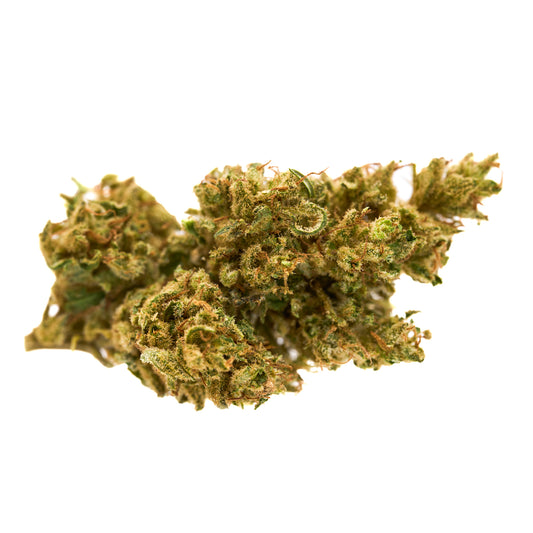
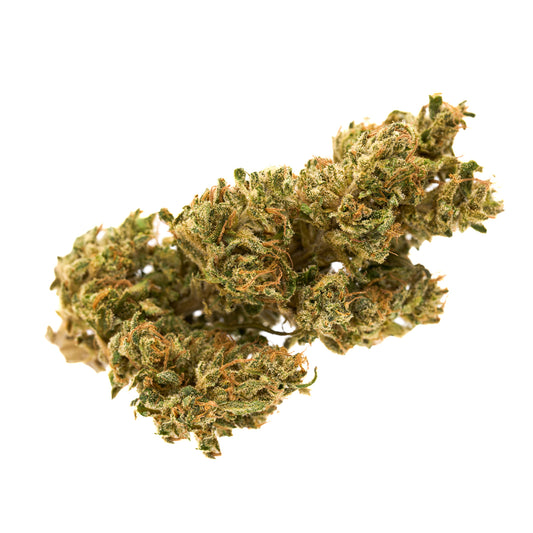




Wholesale THCA Flower in 2026: What Retailers Need to Know Before December 11

If you stock wholesale THCA flower, the next ten weeks may be the most important stretch your business has had since the 2018 Farm Bill. The federal definition of hemp is changing. For most high-THCA flower, the last federally legal day is December 10, 2026. After that, the rules that let THCA flower be sold as hemp no longer apply.
That puts retailers in a hard spot. Customers are still buying, and many will stock up as the deadline gets closer. But any flower still on your shelves or in your back room on December 11 is not a hemp product under federal law anymore. There is no grandfather clause for inventory you already paid for. Order too little and you lose your best-selling category early. Order too much and you are holding product you may not be able to sell.
This guide is for store owners, buyers and ecommerce operators who need a plan now, not in November. It covers:
- The two federal dates that matter and which products each one affects
- How to size your wholesale THCA flower before December 11 orders so you sell through without overstocking
- A compliance checklist to run on every batch
- Which product lines can realistically fill the gap
- What to look for in a supplier during a regulatory transition
- The four realistic scenarios for December 12, and what to do in each
A quick note before we start: this is general industry information, not legal advice. Federal rules are only half of the picture. Your state, county and city can have stricter rules and earlier dates. Talk to a cannabis or hemp attorney before you make big inventory or compliance decisions.
The Timeline for Retailers
Your planning depends on getting the dates right, and the dates split in two. If you are working out how retailers should prepare for hemp ban deadlines, start here.
What the law actually changes
Section 781 of the Continuing Appropriations and Extensions Act, 2026 redefines hemp at the federal level using a total-THC standard (Delta-9 + 0.877 x THCA) capped at 0.3% by dry weight, and caps finished consumable hemp products at 0.4 mg of total THC per container. The Haze Connect
The math is the part that matters for flower. Under the 2018 Farm Bill, only delta-9 THC was measured, so a bud testing 22% THCA and 0.2% delta-9 qualified as hemp. Under the total-THC formula, the same bud comes out around 19.5% total THC. That is roughly 65 times the limit. Nearly every smokable THCA flower on the market fails the new test.
November 12: converted and synthetic cannabinoids
The first date covers cannabinoids made through chemical conversion or synthesis. Synthetic and converted cannabinoids (most Delta-8, HHC, THC-O) still lose hemp status on November 12. The Haze Connect
Delta-8 is a gray area, and you should understand why. Cannabinoids the cannabis plant can't produce at all, like HHC and THC-O, lose federal hemp status on November 12, 2026. Delta-8 does occur naturally, but Delta-8 made by converting CBD is a synthesized cannabinoid and loses federal hemp status on November 12, 2026 with no delay. Most commercial delta-8 is converted, so treat November 12 as your working date for delta-8, HHC, THC-O and similar products unless your attorney tells you otherwise. Mary Jane's BakeryThe Haze Connect
December 11: naturally derived THCA
The second date covers THCA flower. The bill moves the federal hemp THC ban from November 12 to December 11, 2026 for cannabinoids the cannabis plant can produce naturally, which includes THCA flower and hemp-derived Delta-9. The President signed it on September 2, 2026, so the December 11 date is now law. The Haze Connect
The delay did not soften anything. The total-THC and 0.4 mg-per-container rules are only postponed, not repealed; and state laws like Texas, Illinois and Philadelphia keep their own dates. The Haze Connect
Your working calendar
| Date | What happens | Retailer action |
|---|---|---|
| Now through mid-October | Normal federal status for THCA | Place your main wholesale order |
| Early November | Last realistic window for replenishment | Place a smaller top-up order based on actual sell-through |
| November 12 | Converted and synthetic cannabinoids lose hemp status | Clear delta-8, HHC and THC-O stock before this date |
| Around November 20 | Carriers, payment processors and suppliers may tighten | No new THCA flower orders after this |
| December 10 | Last federally legal day for THCA flower sales | Target zero THCA inventory |
| December 11 | Total-THC standard takes effect | THCA flower no longer qualifies as hemp |
Do not plan around December 10 as your last delivery date. Shipping, payment processing and supplier cutoffs will all tighten before the legal deadline.

Inventory Planning
The goal between now and December 10 is to sell through, not to stock up. Buying bulk THCA flower at a discount only helps if you can sell it before the deadline. Section 781 contains no exemption based on when you purchased something. Product you paid for in October gets no special treatment in December. Mary Jane's Bakery
Start with your real sell-through rate
Pull at least eight weeks of sales data for THCA flower and break it out by:
- Units and weight per week. Count grams, eighths, ounces and whatever else you sell, then convert everything to pounds.
- SKU. Your top five strains probably make up most of your volume.
- Tier. Premium indoor, mid-tier greenhouse and value smalls sell at different speeds.
- Channel. In-store and online may peak at different times.
Do the sell-through math
Here is a simple way to size your remaining orders of THCA flower by the pound. This is an illustrative example, not a benchmark. Use your own numbers.
Example: A store sells about 3 lb of THCA flower a week. Its first order arrives around October 5, which leaves about nine weeks until December 10.
- Base demand: 3 lb × 9 weeks = 27 lb
- Expected stock-up bump in the last three weeks (assume 25%): about +2 lb
- Safety discount so you finish at zero, not with leftovers (subtract about 10%): about −3 lb
- Total target: about 26 lb, split across three orders
| Order | Timing | Suggested share | Example weight |
|---|---|---|---|
| Order 1 | Early October | About 45% | 12 lb |
| Order 2 | Late October or early November | About 35% | 9 lb |
| Order 3 | Mid-November top-up (only if sell-through is on pace) | About 20% | 5 lb |
Splitting orders protects you in both directions. If sales run hot, you still have a replenishment window. If they slow down, you skip or shrink the last order instead of eating the loss.
Rules for avoiding overstock
- Cut SKU count. Now is not the time to test new strains. Put your budget behind the proven sellers.
- Rethink big-bag pricing. Ounces and quarter-pounds move volume fast, which helps sell-through. Make sure the margin still works at those sizes.
- Watch freshness. Flower that has sat in a supplier warehouse since spring will sell slower and invite returns. Ask for the harvest or packaging date.
- Set a hard last-order date. Mid-November is realistic for most retailers. Put it on the calendar now.
- Plan your final four weeks. Decide ahead of time when you will start clearance pricing. Late-November markdowns are much better than holding stock on December 11.
- Keep records. Keep every invoice, COA and sales record that shows what you bought, when you bought it and when you sold it.
A note on deep discounts
As the deadline gets closer, some suppliers will try to unload old stock at prices that look too good to pass up. Be careful. A cheap pound you cannot sell by December 10 is not a bargain. Neither is a pound with an outdated or mismatched lab report.
Compliance Checklist
A regulatory transition is exactly when enforcement attention goes up. State regulators, attorneys general and local authorities will be watching hemp retailers closely through the fall. Run through this checklist for every batch you get from your THCA wholesale supplier.
1. A COA for every batch
- Batch-specific, not generic. The batch or lot number on the COA should match the number on your packaging and invoice.
- From an accredited third-party lab. Look for ISO/IEC 17025 accreditation. The lab should be independent of the grower.
- Current. Test dates should be recent enough to reflect the product you are actually selling.
- Full cannabinoid profile. You need THCA, delta-9 THC, CBD and total THC clearly reported.
- Full safety panel. You need pesticides, heavy metals, microbials and mycotoxins. For concentrates, add residual solvents.
- Easy to find. Put a QR code on the label or shelf tag that links to the COA, and keep printed or digital copies on hand for inspectors.
2. Age verification
- Sell to 21+ only, even in states that technically allow 18+ for hemp. It is the industry norm and your best protection.
- In store, check ID at the register every time. Train staff and log refusals.
- Online, use a real age-verification service at checkout. A "click to confirm you're 21" pop-up is not enough, and adult signature on delivery helps.
3. State and local licensing
- Confirm your state hemp retail registration or license is current, along with any local business permits.
- Know your state's rules on THCA specifically. Several states have closed the THCA loophole on their own, regardless of the federal timeline.
- Online sellers should check every destination state and block shipping where THCA is restricted.
4. Labeling
Every retail unit should show:
- Product name and strain
- Net weight
- Batch or lot number
- Cannabinoid content (THCA, delta-9, total THC)
- A QR code or URL linking to the COA
- A 21+ warning, plus required state warnings (pregnancy, driving, keep away from children)
- Manufacturer or distributor contact information
Avoid medical claims, cartoon imagery, candy-like branding and anything that could appeal to minors.
5. Records
Keep a file for each supplier with their license or registration, every COA, every invoice and your age-verification logs. If a regulator asks after December 11 whether you sold THCA flower legally before the deadline, those records are your answer.
Diversifying Product Lines
THCA flower may be a large share of your revenue right now. Plan for what goes in that shelf space after December 10. None of these options will fully replace THCA flower, but together they can keep customers coming in.
CBD flower
CBD-dominant hemp flower is the most natural replacement. It looks, smells and smokes like the product your customers already buy, and your staff already know how to sell it.
There is one important caveat. Under the new total-THC standard, CBD flower also has to test at or under 0.3% total THC, and THCA counts toward that number. Some CBD strains that passed the old delta-9 test will not pass the new one. There is also an open question about how the 0.4 mg per-container cap applies to smokable flower. Section 781 directed the agency to release lists of naturally occurring cannabinoids, THC-class cannabinoids and cannabinoids with similar effects, and to add detail to the term "container," within 90 days of enactment. That guidance is still missing. Ask your supplier for total-THC numbers on every CBD batch, and talk to counsel before building a post-December flower program. Mary Jane's Bakery
CBDa products
CBDa, the raw acidic form of CBD, is a growing category with a science-forward customer base. Tinctures, raw flower and capsules can all be formulated with little to no THC. It fits wellness-focused customers and gives your staff something new to talk about.
Low-dose and THC-free products
Products formulated to stay under the 0.4 mg total THC per container cap are the clearest federal path forward. Think broad-spectrum and isolate-based CBD tinctures, topicals, capsules and some beverages. They have lower tickets than THCA flower, but they are repeat purchases, which helps traffic.
Accessories and adjacent categories
Grinders, papers, cones, storage jars, humidity packs and glass are not affected by the hemp definition change. If you have been treating accessories as an afterthought, now is a good time to build them out.
A practical approach
Test replacement products now, while wholesale THCA flower is still bringing customers in. Put CBD flower next to THCA, run samples and track what sells. By December you want replacements your customers have already tried, not a sudden switch they never saw coming.
Choosing a Wholesale Partner
During a regulatory transition, your supplier matters more than usual. A good THCA flower distributor helps you land the next ten weeks cleanly. A bad one leaves you with bad batches, missed deliveries and compliance problems. Here is what separates the best wholesale THCA flower supplier 2026 candidates from the rest.
Consistency
- Batch to batch. Does the strain you reorder look, smell and test like the last shipment? Customers notice when it doesn't.
- On time. With a hard deadline, a two-week shipping delay can cost you a third of your remaining selling window. Ask about lead times and how much stock they have on hand.
- Grading. Tiers like top-shelf, mid and smalls should mean the same thing on every order.
Lab testing
- COAs from accredited third-party labs for every batch, sent before or with the shipment, not on request.
- Full panels, not just potency.
- A willingness to answer questions when numbers look off.
Flexible minimums
A supplier that insists on 25 lb minimums in October is asking you to take on their deadline risk. Look for:
- Low or tiered minimums for smaller retailers
- Mixed-strain orders that count toward one minimum
- Split shipments, so one purchase order can be delivered in stages
- Price holds, so a volume price covers a staggered order
Communication about regulatory changes
Your supplier should be tracking the rules as closely as you are. Ask them directly:
- What is your final ship date for THCA flower?
- What happens to open orders if Congress acts again?
- Do you have compliant CBD, CBDa or low-THC lines ready for after December?
- How will you notify me of changes?
A supplier that cannot answer these questions clearly in late September probably won't handle December well either.
Understanding THCA flower wholesale price per pound
Buyers always ask about THCA flower wholesale price per pound, and there is no single right number. Price depends on:
- Grow method. Indoor usually costs the most, then greenhouse or light-dep, then outdoor.
- Bud size. Large tops cost more than smalls, and smalls are often the best value for pre-roll makers and budget shelves.
- Potency and terpenes. High THCA and a strong terpene profile both push price up.
- Freshness. Recent harvests are priced higher than older stock, and should be.
- Volume. Most suppliers have price breaks at set pound levels.
- Strain demand. Well-known and exotic cultivars cost more.
Expect prices to move as December gets closer. Some suppliers will cut prices to clear inventory, and some premium strains may get scarcer. Compare suppliers on landed cost per sellable pound, which includes shipping, quality consistency and how well the product sells, not just the sticker price.

Scenarios After December 11
We covered this in detail in our post on what happens to THCA flower after December 11. Here is the short version, with what each scenario means for your store.
Scenario 1: The rule takes effect as written
This is the most likely outcome under current law. THCA flower leaves the federal hemp definition on December 11.
Retailer action: Get THCA flower inventory to zero by December 10. Shift shelf space and marketing to CBD flower, CBDa and compliant low-dose products. If you operate in a state with a licensed adult-use cannabis market, look into whether a license makes sense for you.
Scenario 2: Another delay
This is possible, but don't plan around it. The White House has told senators there will not be another extension. Still, government funding also expires December 11, so the next spending bill is the natural vehicle for a further delay or a permanent regulatory framework. On the other side, thirty-five state attorneys general have urged Congress to reject any further delay. Hemp THC Ban 2026: Now Dec 11 | Retailer & Distributor Guide +2
Retailer action: Stick to your sell-through plan. If a delay passes, your supplier relationships and replenishment options let you restock quickly. Being out of stock for a few days costs far less than being overstocked on December 11.
Scenario 3: A federal regulatory framework
Congress could replace the ban with a system of rules. The HEMP Act (H.R. 7212, Rep. Griffith) and H.R. 9830 (Barr and Craig, a 1% total-THC standard that would still exclude THCA flower) remain in committee. The Haze Connect
Retailer action: Keep your compliance systems tight. Any framework will probably require testing, labeling, age limits and licensing. Retailers who already run clean operations will adapt fastest.
Scenario 4: Legal challenges
Industry and advocacy groups may go to court over the definition change or how it is enforced.
Retailer action: Do not assume a lawsuit protects your inventory. Court cases take a long time and rarely pause a law everywhere. Follow the law as written unless a court specifically orders otherwise, and ask your attorney what any ruling means for you.
Frequently Asked Questions
Can I sell THCA flower I bought before December 11 after the deadline?
Not under federal law as written. The law has no exemption based on when you bought the product. Once the total-THC standard takes effect, high-THCA flower no longer qualifies as hemp, no matter when you bought it. That is why sell-through planning matters so much.
Is it legal to buy wholesale THCA flower right now?
Federally, yes, through December 10, 2026, as long as the flower meets the current 0.3% delta-9 THC standard. Your state may be stricter. Check your state's rules and your supplier's shipping restrictions before you order.
Does the November 12 date affect THCA flower?
No. November 12 applies to converted and synthetic cannabinoids such as HHC, THC-O and most commercial delta-8. Naturally derived THCA flower has until December 11.
How much bulk THCA flower should I order before the deadline?
Base it on your actual weekly sales. Multiply your weekly sell-through by the number of weeks you have left, add a small allowance for stock-up demand, then subtract a safety margin so you finish at zero. Split the total into two or three orders instead of one large purchase.
What is a typical THCA flower wholesale price per pound?
It depends on grow method, bud size, potency, freshness, strain demand and order volume. Indoor top-shelf costs much more than outdoor smalls. Ask for a current price sheet with volume tiers, and compare suppliers on quality and consistency, not just the headline price.
What are the minimum order requirements for wholesale THCA flower?
It varies by supplier. Many offer tiered minimums, mixed-strain orders or split shipments. In the current market, flexible minimums are a big advantage because they let you order in smaller stages.
How should retailers prepare for the hemp ban?
Plan your sell-through, run compliance checks on every batch, cut slow-moving SKUs, set a hard last-order date around mid-November, test replacement products now, and confirm your supplier's final ship dates and post-December plans.
What can I sell instead of THCA flower after December 11?
The main options are CBD flower that tests within the total-THC limit, CBDa products, low-dose and THC-free products formulated to stay under the 0.4 mg per-container cap, and accessories. Check each product's compliance with your attorney, since some federal guidance is still missing.
Could the deadline be pushed back again?
It's possible, but it's not likely enough to plan around. The White House has said it does not support another extension. Treat December 11 as final and adjust if Congress acts.
