
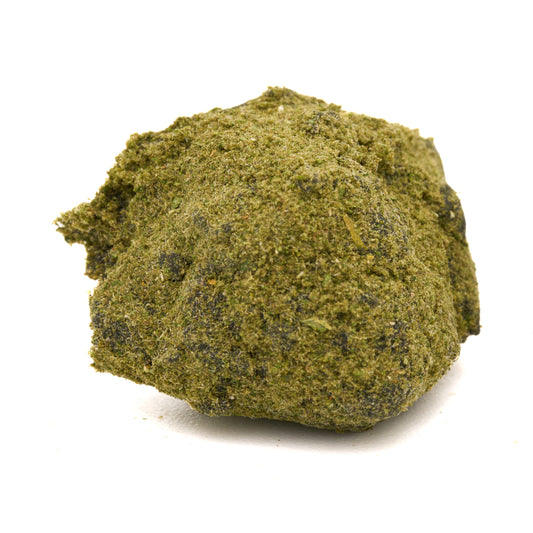
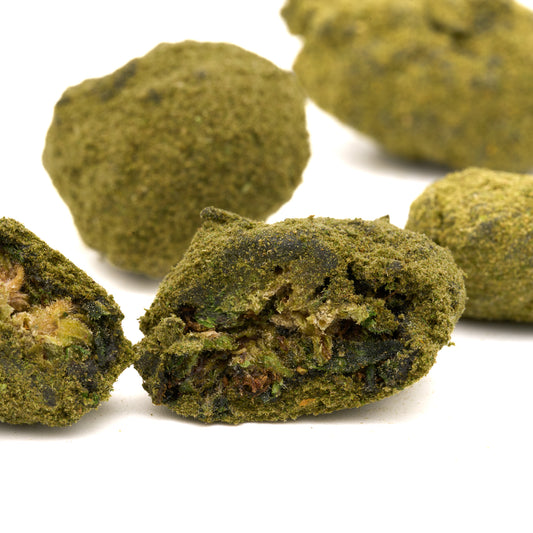





What Is THCA Trim Used For? 7 Popular Ways to Use Hemp Trim

If you've got a bag of THCA trim and aren't sure what to do with it, you're not alone. Trim is one of the most versatile hemp products available — and most buyers barely scratch the surface of what it can do. Whether you're a home consumer looking for a budget-friendly way to get more out of your hemp dollar, or a processor searching for affordable feedstock that delivers serious yields, THCA trim checks every box.
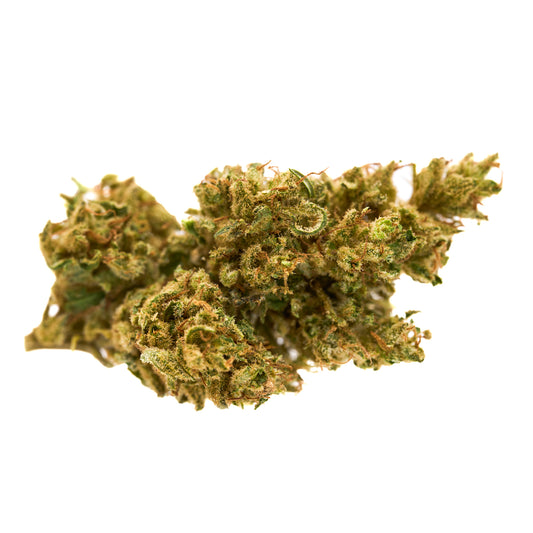
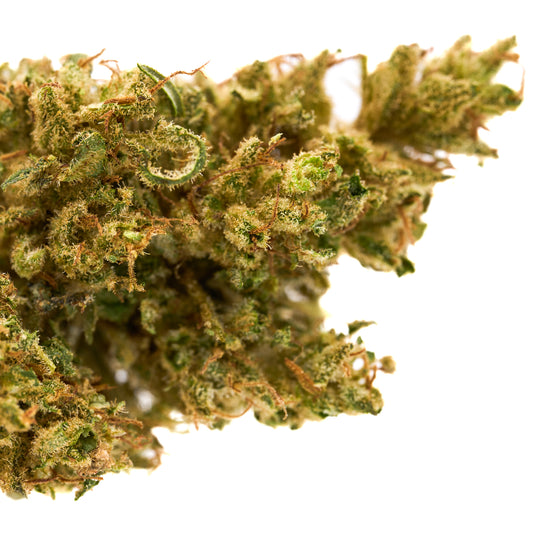
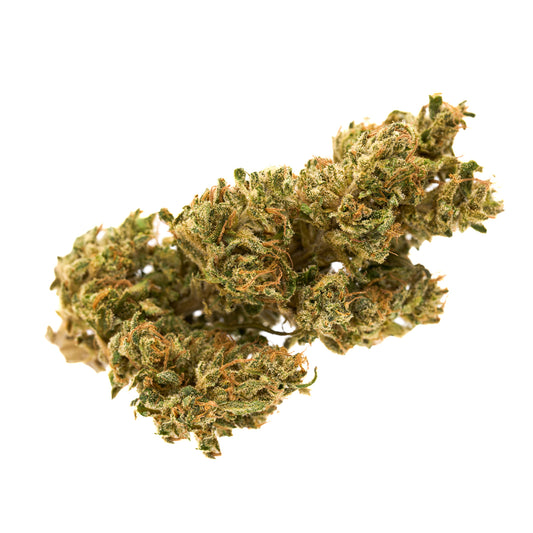
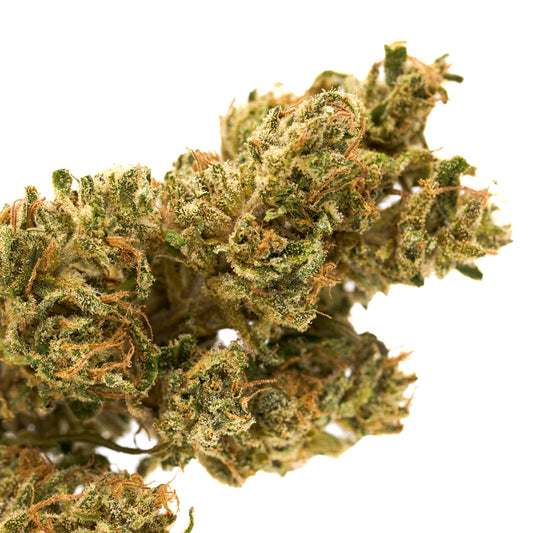
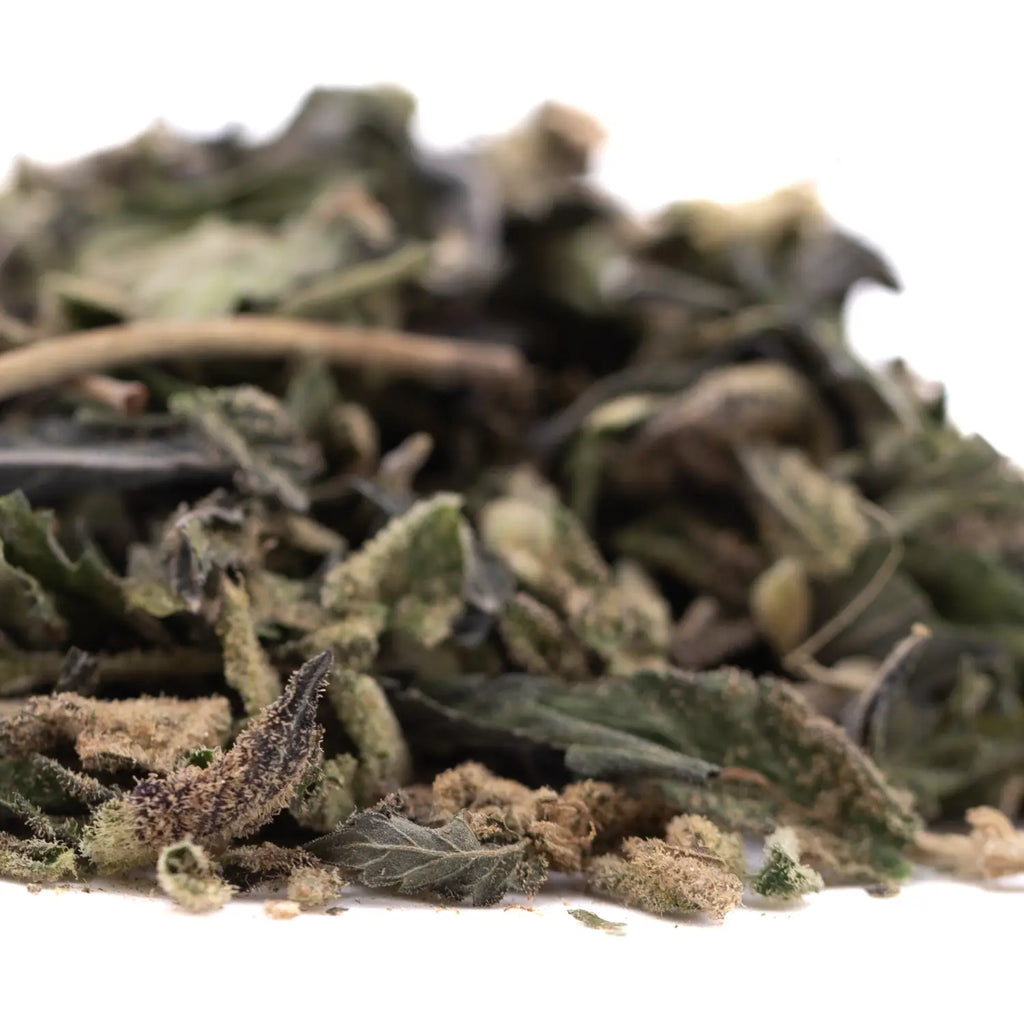
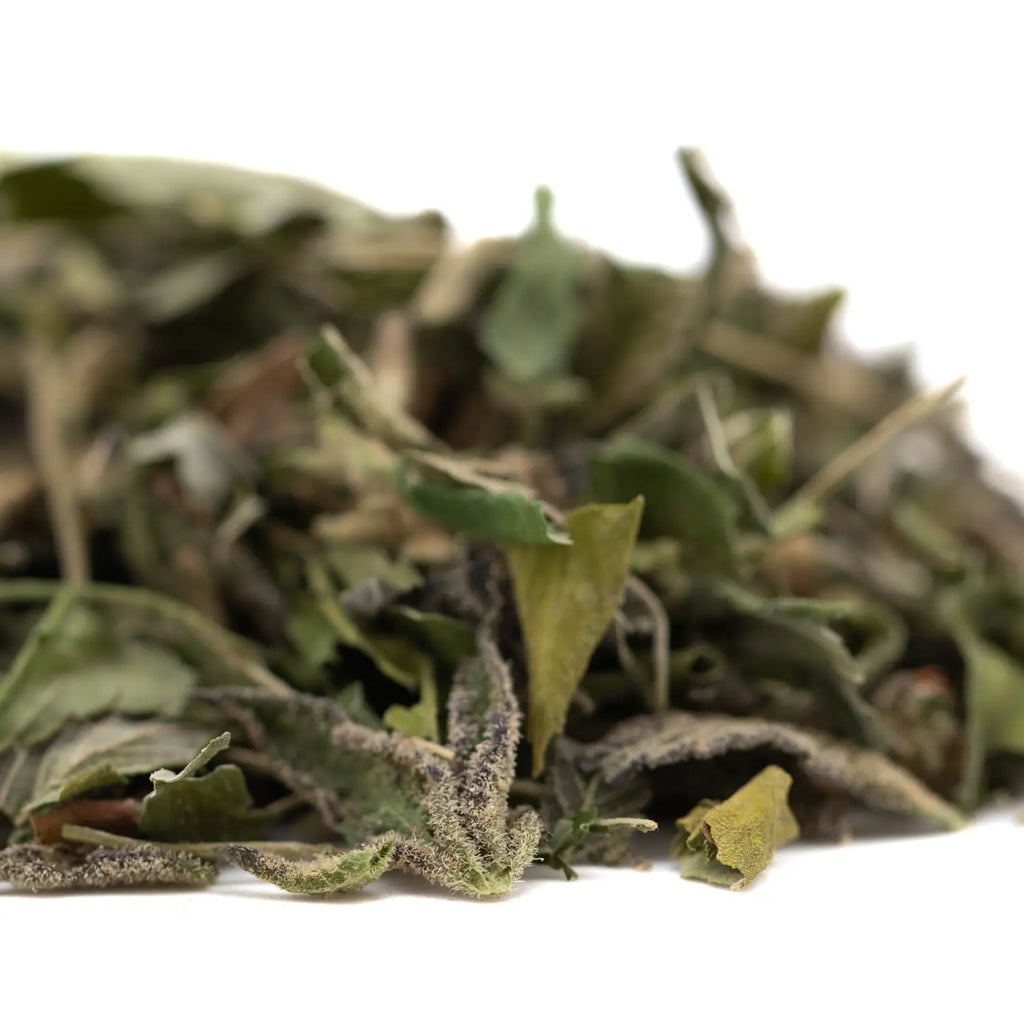
Trim refers to the sugar leaves, small popcorn buds, and plant material trimmed away during the harvest and curing process. While it doesn't have the bag appeal of dense, frosty colas, it's loaded with trichomes — and trichomes mean cannabinoids. Premium THCA trim from quality hemp cultivars can test anywhere from 8% to 18% THCA, making it a legitimate starting material for everything from home DIY projects to commercial extraction operations.
The key is knowing how to use it. Here are 7 proven ways to put THCA trim to work, ranked from the simplest possible application all the way up to professional-grade solventless and solvent-based concentrate production.
1. Smoke It or Roll It
Let's start with the most obvious answer to the question of what to do with THCA trim: smoke it. It might not be glamorous, but it works — and for budget-conscious consumers, it's an entirely respectable option.
Trim smokes differently than whole flower. The higher leaf-to-trichome ratio means it can burn a little harsher, produce more plant-forward flavor, and may run slightly faster in a joint due to lower density. That said, quality trim from well-grown hemp plants contains enough trichome coverage on sugar leaves to deliver a genuinely satisfying session, especially if your trim tests at 10% THCA or higher.
Tips for smoking trim:
The single best upgrade you can make to the trim smoking experience is to mix it with a small amount of whole flower. A 70/30 or even 80/20 blend of trim to flower gives you the bulk and cannabinoid load from the trim while the flower contributes better burn characteristics, smoother smoke, and more robust terpene expression. It's a practical way to stretch your premium flower further without sacrificing the experience.
If you're rolling joints, grind your trim thoroughly and make sure it's evenly mixed. Uneven grinds lead to uneven burns and runs, which wastes material. A medium-fine grind works well for most rolling papers.
Pre-rolls made from trim have also become a widely available product category across the hemp market. Many brands sell trim pre-rolls at a significant discount compared to flower pre-rolls, making them a popular entry point for new consumers or a reliable everyday option for experienced users who are cost-conscious. If you're a retailer or wholesale buyer, trim pre-rolls are one of the highest-margin SKUs you can build around affordable hemp trim.
2. Make THCA Kief via Dry Sift
If you want to step up from simply smoking trim, dry sifting is the easiest and most accessible upgrade. This method separates the trichome heads from the plant material using fine mesh screens, collecting a concentrated kief powder that can be smoked, pressed into hash, sprinkled into joints, or used as a topping for bowls.
The reason THCA trim is such an ideal starting material for dry sifting is the trichome density on sugar leaves. Unlike fan leaves, which have very few trichomes, sugar leaves are blanketed with resin glands — which is exactly why they get trimmed off the bud in the first place. They're the scraps, but they're trichome-rich scraps.
Basic dry sift process:
Start by placing your trim in the freezer for 30 to 60 minutes before sifting. Cold temperatures make the trichome stalks brittle, allowing them to snap cleanly from the plant material rather than bending and sticking. Room-temperature trichomes are flexible and waxy — they'll smear rather than sift.
Set up a tiered dry sift screen system if you can. A 220-micron screen on top knocks off the largest debris, a 150-micron screen in the middle catches medium-sized material, and a 73-micron or smaller screen at the bottom collects your highest-quality kief. The finer the screen the kief collects on, the higher the THCA concentration in the final product.
Gently work your frozen trim across the screens in small batches using a credit card or silicone scraper. Light, consistent pressure is better than aggressive rubbing — you're trying to knock trichomes loose, not grind them through.
Depending on the quality of your starting material and the fineness of your screens, kief collected from trim can test anywhere from 30% to 60%+ THCA. That's a meaningful upgrade from the 8–15% range of most trim, achieved with zero solvents and no special equipment beyond a set of screens and a cold freezer. For anyone exploring THCA trim uses, dry sifting is the best bang-for-your-buck first step.
3. Make Bubble Hash (Ice Water Hash)
Ice water hash — often called bubble hash — is arguably the most popular solventless extraction method in the hemp and cannabis world, and THCA trim is one of the best possible starting materials for it. The economics alone make the case: trim costs significantly less per pound than whole flower, it provides a high volume of starting material, and it contains enough trichome load to produce excellent hash yields when processed correctly.
How ice water hash extraction works:
The science behind bubble hash is elegant in its simplicity. Trichome heads are mostly made up of cannabinoids and terpenes, which are hydrophobic — they don't mix with water. At cold temperatures, the resin glands become hard and dense. When you agitate trim in ice water, the trichomes snap off the plant material and sink to the bottom of the vessel while the lighter plant material floats above.
The separated trichomes are then passed through a series of bubble bags — filtration bags with increasingly fine mesh screens, typically ranging from 220 microns down to 25 or 45 microns. Each bag collects a different "grade" of hash. The finest screens (45–73 microns) collect the cleanest, most cannabinoid-rich material, while coarser grades capture more plant material along with the trichomes.
Step-by-step overview:
Fill a large bucket or washing machine with ice and cold water. Add your trim — anywhere from a few ounces to several pounds depending on your setup. Agitate the mixture for 15 to 20 minutes, either by hand or using a dedicated washing machine. The cold water and agitation dislodge trichomes from the plant material. Run the resulting slurry through your bubble bag set, starting from the coarsest screen and working down. Collect the hash that accumulates on each screen, press it lightly to remove excess moisture, and lay it flat to dry completely before storing.
The output from this process is a full-spectrum, solventless concentrate that can be consumed directly or pressed into rosin (more on that in section 7). Premium THCA trim extraction via ice water can yield hash that tests at 50–70%+ THCA in the best grades — an extraordinary return on inexpensive starting material.
For home processors, a basic bubble bag kit and a 5-gallon bucket are all you need to get started. For commercial operations, automated washing machines purpose-built for hash production can process large volumes of trim quickly and consistently.
4. Make Cannabutter or Canna-Oil for Edibles
Of all the hemp trim recipes and hemp trim edibles applications out there, cannabutter is the one that's been around the longest — and for good reason. It works, it's approachable, and it turns trim into a genuinely useful cooking ingredient that can be dropped into virtually any recipe.
The critical first step before any edibles application is decarboxylation.
What is decarboxylation and why does it matter?
Raw THCA is not psychoactive on its own. It's the acidic precursor to THC, and it requires heat to convert. When you smoke or vape trim, decarboxylation happens instantly through combustion. When you're making edibles, you need to apply heat deliberately before infusing — otherwise your cannabutter will be full of THCA that passes through your digestive system largely unchanged.
To decarb your trim: spread it evenly on a parchment-lined baking sheet and bake at 240°F for 40 to 60 minutes. The low, slow temperature activates the THCA → THC conversion without burning off terpenes or degrading cannabinoids. Your trim will darken slightly and the aroma will intensify. Once it's cool, it's ready to infuse.
Making trim for cannabutter:
Combine your decarbed trim with butter or coconut oil in a slow cooker or double boiler. Use roughly 1 cup of butter per ounce of trim as a starting ratio, though you can adjust based on your desired potency. Add enough water to prevent scorching — the water won't affect your final product because it separates from the fat during cooling.
Cook on low heat (160–180°F) for 2 to 4 hours, stirring occasionally. The goal is a long, gentle infusion — not a quick boil. High heat degrades THC and burns off terpenes.
When your infusion time is complete, strain the mixture through a cheesecloth into a clean container. Squeeze every drop from the plant material — that last bit of liquid has plenty of cannabinoids in it. Discard the spent trim, allow the infused butter to cool and solidify, and you're done.
Estimating potency:
Use the THCA percentage from your Certificate of Analysis (COA) to calculate approximate potency. If your trim tests at 12% THCA and you're starting with 28 grams (1 oz), you have roughly 3,360mg of THCA in your starting material. After decarboxylation (approximately 87.7% conversion efficiency) and typical extraction losses, expect to recover somewhere in the range of 50–70% of that in your finished butter. Divide the estimated total milligrams by the number of tablespoons of butter to calculate per-serving potency.
Use your THCA trim cannabutter in cookies, brownies, pasta sauces, salad dressings — anywhere you'd use regular butter or oil.
5. Solvent-Based Extraction (BHO or Ethanol)
For more advanced home processors and commercial operators, trim is the industry's preferred feedstock for solvent-based extraction. The math is simple: when you're running large volumes of material through expensive extraction equipment, starting with the most cost-effective input possible is good business — and THCA trim DIY or commercial extraction with trim is exactly that.
The two most common solvent-based methods:
Butane Hash Oil (BHO): Butane is passed through a column packed with trim, stripping cannabinoids and terpenes from the plant material as it flows through. The solvent-saturated oil is then collected and purged of residual butane using vacuum ovens and heat. Depending on temperature during purging, BHO trim runs can produce wax, crumble, shatter, budder, or sauce. Trim-run BHO typically has more plant-derived pigments and a slightly more complex (or "terpy") flavor profile compared to flower-run extracts.
Ethanol extraction: Food-grade ethanol — typically at 190 or 200 proof — is used to wash trim, pulling cannabinoids and other soluble compounds into solution. Ethanol is highly efficient for large-scale processing and is the most common method for producing crude hemp oil at scale. The crude oil can be further refined into distillate through winterization, filtration, and fractional distillation.
Both methods require proper equipment and strict safety precautions. Butane is highly flammable and should only be handled with professional closed-loop systems in appropriate facilities. Ethanol extraction at scale requires solvent recovery systems and compliance with fire codes.
For uses for cannabis trim in commercial contexts, ethanol extraction of bulk trim is one of the highest-volume applications in the hemp supply chain. Many extraction companies and hemp processors actively source large quantities of trim specifically because it delivers acceptable cannabinoid loads at the lowest possible cost per pound — making it the economically rational choice for high-throughput operations.
If you're a processor looking for reliable, consistently tested trim in wholesale quantities, sourcing from a reputable hemp farm with full COA transparency is essential. Cannabinoid percentages, residual solvents, pesticide testing, and microbial results should all be available before you commit to a large purchase.
6. Make THCA Tinctures
Tinctures are one of the most underutilized applications for how to use hemp trim at home. They're easy to make, easy to dose, shelf-stable for months, and discreet to use. If you've got a jar of trim and a bottle of high-proof grain alcohol, you've got everything you need.
The basic Green Dragon tincture method:
Step 1 — Decide on your goal. If you want a psychoactive tincture, decarb your trim first at 240°F for 40–60 minutes to convert THCA to THC. If you want a raw THCA tincture (non-psychoactive, used by some consumers for wellness purposes), skip the decarb step and keep your trim raw.
Step 2 — Choose your alcohol. Food-grade grain alcohol at 190 proof (Everclear or equivalent) is the gold standard. The high alcohol content extracts cannabinoids efficiently and also acts as a preservative. Do not use isopropyl alcohol — it is not food-safe.
Step 3 — Combine and soak. Place your decarbed (or raw) trim into a clean glass jar and cover completely with grain alcohol. Use roughly 1 ounce of trim per 16 oz of alcohol as a starting ratio. Seal the jar and store in a cool, dark place. Shake once or twice daily. Soak time depends on preference: 2–3 hours produces a cleaner, lighter tincture; 2–4 weeks produces a more potent, more full-spectrum extract with more plant compounds.
Step 4 — Strain and store. After your soak period, strain the mixture through a cheesecloth or coffee filter into a clean glass jar or amber dropper bottles. Squeeze all liquid from the trim. Discard spent plant material. Store your finished tincture in a cool, dark place — amber glass bottles reduce light degradation.
Tinctures can be taken sublingually (held under the tongue for 30–90 seconds before swallowing) for faster onset, or added to beverages and food. Because you're controlling both the trim input and the alcohol-to-trim ratio, THCA trim DIY tinctures give you precise, repeatable dosing control — something that's hard to achieve with edibles baked in a home kitchen.
A small modification worth noting: some consumers reduce their tincture by gently evaporating some of the alcohol in a warm water bath, producing a more concentrated product that requires smaller doses. Never attempt to reduce a tincture over open flame — use a water bath at controlled temperatures only.
7. Press Rosin from Trim Hash
If you're looking for the highest-quality output you can achieve from THCA trim extraction, the two-step trim hash to rosin pipeline is the answer. It takes more time and effort than any other method on this list, but the results are nothing short of remarkable — a fully solventless, terpene-rich concentrate that rivals products made from premium whole flower.
Why this two-step process works:
The limitation of pressing trim directly into rosin (called "trim run" rosin) is that trim contains a lot of plant material relative to trichomes. When you press trim directly, the rosin has to travel through — and pick up flavor and color compounds from — all of that plant matter. The resulting rosin tends to be darker, more plant-forward in flavor, and lower in cannabinoid concentration.
But when you first process your trim into ice water hash (see section 3), you've already done the work of separating the trichomes from the plant material. You're now pressing a trichome-dominant input, not raw trim. The rosin that results from pressing quality hash is cleaner, more flavorful, and more potent than trim-run rosin — sometimes dramatically so.
The process:
Make your ice water hash from trim using the method described above. Collect your finest-grade hash (45–73 micron is ideal for pressing). Dry it fully — any residual moisture in the hash will cause it to splatter rather than flow when pressed, which is both dangerous and wasteful. Use a freeze dryer if available; otherwise, spread hash thinly on parchment paper in a cool, low-humidity environment for 24–72 hours.
Once your hash is completely dry, it can be pressed on a rosin press at temperatures between 160°F and 200°F using appropriate pressure and press time. Lower temperatures (160–175°F) tend to preserve more terpenes and produce a more flavorful, sappier rosin. Higher temperatures (185–200°F) produce better yields at some cost to terpene expression.
The quality ceiling for this process is genuinely high. Full-melt ice water hash pressed from premium THCA trim — meaning trim from top-shelf hemp cultivars with heavy trichome coverage — can produce hash rosin that tests at 70–80%+ THCA with a rich, strain-specific terpene profile. What started as low-cost trim becomes a premium concentrate that commands premium prices.
For producers and processors, this pipeline represents real value: you're starting with the least expensive form of hemp biomass and ending up with one of the most premium concentrate products on the market. The difference is labor, equipment, and skill.
Frequently Asked Questions About THCA Trim
What is THCA trim exactly? THCA trim is the plant material — primarily sugar leaves and small popcorn buds — removed from hemp plants during the trimming and curing process. Unlike fan leaves, sugar leaves are coated in trichomes, making them a cannabinoid-rich byproduct rather than waste.
Is THCA trim worth buying? Absolutely. THCA trim is typically priced at 30–60% less per pound than equivalent-testing whole flower, while retaining significant cannabinoid content. For anyone planning to process, extract, or make edibles, it delivers outstanding value per milligram of THCA.
What THCA percentage should trim have? For smoking or rolling, look for trim that tests at 10%+ THCA. For extraction applications (BHO, ethanol, bubble hash), 8–15% is a common and workable range. Higher is always better, but the price-per-milligram math often favors trim even at lower percentages compared to flower.
Can you make dabs from THCA trim? Yes. BHO, ethanol extract, ice water hash, and rosin are all common "dab-ready" concentrates that can be made from trim. The quality of your starting material has a direct impact on the quality of your final product — always source trim with full COA documentation.
How do you store THCA trim? Store trim in airtight containers away from light, heat, and humidity. A cool, dark environment (like a basement or refrigerator) with sealed mason jars or vacuum-sealed bags will preserve cannabinoid and terpene content for months. Moisture is the primary enemy — damp trim develops mold and loses usable surface area.
Can you make tea or beverages with THCA trim? Yes, though the bioavailability of cannabinoids in water-based beverages is low without an emulsifier. For a raw THCA herbal tea (non-psychoactive, as THCA won't decarb in hot water), simply steep raw trim in hot water. For a psychoactive beverage, infuse a fat-based ingredient like milk or coconut cream with decarbed trim first, then add to your drink.
Is hemp trim legal? Hemp trim derived from hemp plants with a Delta-9 THC concentration below 0.3% on a dry weight basis is federally legal under the 2018 Farm Bill framework. Always verify COA documentation showing compliance before purchasing or using trim. State regulations vary — confirm local laws before buying.
How much trim does it take to make an ounce of bubble hash? This depends heavily on trim quality and trichome density. A rough industry average for trim-run bubble hash is a 5–15% return by weight — meaning roughly 7 to 20 pounds of trim per pound of finished hash. Premium trim with high trichome density falls toward the better end of that range.
Conclusion: THCA Trim Is More Than a Byproduct — It's an Opportunity
THCA trim is far more than a leftover product — it's a versatile, high-value raw material that smart hemp consumers and processors have been leveraging for years. Whether you're rolling it up, dry-sifting it into kief, running it through bubble bags, pressing it into rosin, or infusing it into edibles, trim delivers strong value at every price point and every skill level.
The seven methods covered here represent the full spectrum of THCA trim uses: from the dead-simple (grind and smoke) to the genuinely craft-level (trim → hash → pressed rosin). The right application depends on your goals, your equipment, and how much time you want to invest. But the one thing they all have in common is that they start with quality trim.
Sourcing matters. The quality of your starting material sets the ceiling for everything you can produce. Trim from a hemp farm that selects for trichome-dense cultivars, harvests at peak ripeness, and tests every batch with full panel COAs will outperform trim from a farm that doesn't — every single time, across every application on this list.
If you're ready to put your trim to work, explore wholesale and bulk trim options at Oregon Hemp Flower. We offer fully tested THCA trim from premium greenhouse and indoor cultivars, with COAs available for every batch. Whether you're buying for personal use or scaling up a commercial extraction operation, you'll find consistent quality and transparent sourcing from a team that takes the plant seriously.
