
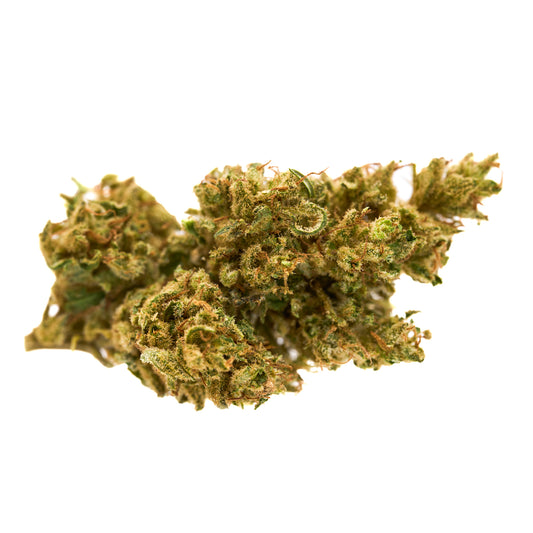
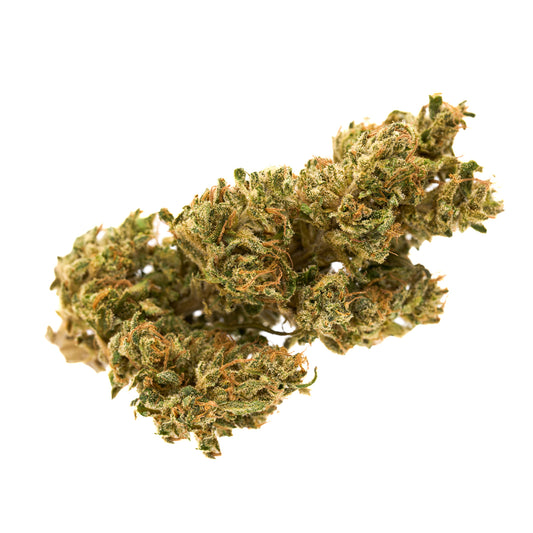




Cannabis and Music: Why Weed and Good Vibes Have Always Gone Together

There's a reason musicians from Louis Armstrong to Snoop Dogg have been open about their cannabis use. The relationship between weed and music isn't just cultural mythology — there's actual science behind why cannabis enhances the listening experience. And today, with the rise of legal THCA flower and music experience, more people than ever are exploring that connection in a fully legal, accessible way.
Whether you're a lifelong music lover, a weekend headphone audiophile, or someone who attends concerts like they're religious rituals, you've probably heard the claim that cannabis makes music sound better. The colors get more vivid. The bass hits deeper. The lyrics suddenly mean something they never did before. That guitar solo you've heard a hundred times feels, somehow, like you're hearing it for the first time.
This isn't coincidence. It isn't placebo. And it certainly isn't mythology.
The bond between cannabis and music runs through every major cultural movement of the last century — from jazz clubs in Harlem to Woodstock, from Kingston dancehalls to Los Angeles hip-hop studios. It's woven into the DNA of American music culture, and it shows no signs of slowing down. If anything, the arrival of legal, accessible THCA hemp flower has thrown the doors wide open, allowing a new generation to experience what musicians have known for decades: cannabis and music simply belong together.
In this guide, we're breaking down the science, the history, the culture, and the practical how-to behind pairing THCA hemp and creativity with your listening sessions — and helping you find the perfect strain for every genre, mood, and moment.
The Science Behind Cannabis and Music: What's Actually Happening in Your Brain
To understand why smoking THCA while listening to music feels so transformative, you need to understand what's happening neurologically when THC enters the picture.
THCA — or tetrahydrocannabinolic acid — is the raw, non-psychoactive precursor found in the cannabis plant. In its natural state, THCA won't get you high. But when it's smoked, vaped, or otherwise exposed to heat, a process called decarboxylation converts THCA into Delta-9 THC, the compound responsible for the classic cannabis experience. This is why THCA hemp flower has become such a legal game-changer — it exists as federally compliant hemp until the moment it's consumed.
Once THC enters the bloodstream and crosses into the brain, it binds to CB1 receptors throughout the endocannabinoid system. These receptors are heavily concentrated in areas that govern:
Auditory Processing — The auditory cortex, which interprets the sounds you hear, becomes more sensitive under THC. Research suggests that cannabinoids may increase the firing rate of neurons in auditory regions, essentially turning up the sensitivity dial on your ears. Sounds become more textured, more layered, more alive.
Dopamine Release — THC triggers a surge of dopamine in the brain's reward pathways, the same pathways that activate when you hear a song you love. When you pair cannabis with music, you're essentially stacking two of the brain's most powerful pleasure mechanisms on top of each other.
Time Perception — One of THC's most well-documented effects is time dilation. Music that lasts four minutes may feel like a ten-minute journey. This altered perception means you're spending more subjective time inside each measure, each chord progression, each lyric — picking up on details and nuances that normally flash by unnoticed.
Emotional Memory — THC also engages the hippocampus and amygdala, the brain's centers for memory and emotional processing. This is why music under cannabis often feels achingly nostalgic, unexpectedly moving, or deeply personal. Old songs trigger vivid memories. New songs feel like they're being written directly for you.
Pattern Recognition — Cannabis may enhance the brain's ability to detect subtle patterns and connections. For music lovers, this translates to suddenly hearing the conversation between instruments, noticing how a bass line echoes a melody, or feeling the structural architecture of a song rather than just its surface.
The result of all this neurochemical activity is what musicians and listeners have been describing for generations: the THCA sensory experience of music becoming more immersive, more emotional, richer in texture, and more intentional. Every note lands differently. Every silence feels deliberate.
Cannabis Music Culture Through the Decades: A History Written in Smoke
The story of cannabis music culture THCA today is the latest chapter in a century-long love affair between weed and sound. Understanding that history puts the modern hemp flower renaissance in context.
The 1930s–50s: Jazz, Reefer, and the Birth of Cool
The connection between cannabis and music didn't start in the 1960s. It started decades earlier, in the smoky jazz clubs and ballrooms of New Orleans, Chicago, and Harlem. Jazz musicians of the 1930s and 40s openly used what they called "reefer" or "muggles" as a creative tool — something that loosened inhibition, sharpened improvisational instinct, and deepened the emotional reach of their performances.
Louis Armstrong, one of the most celebrated musicians in American history, was a lifelong cannabis advocate. He called it his "helper" and credited it with keeping him relaxed and inspired through a career that spanned half a century. Cab Calloway's 1931 hit "Minnie the Moocher" — full of coded drug references — became one of the biggest songs of the era. Cannabis wasn't just tolerated in jazz culture. It was part of the vocabulary.
The improvisational nature of jazz — the way musicians communicate in real-time, responding to each other with instinct and intuition — found a natural companion in cannabis. The same neurochemical effects that make music feel richer to a listener were helping performers reach deeper into the music they were creating.
The 1960s: Counterculture, Psychedelic Rock, and Artistic Freedom
By the 1960s, cannabis had migrated from jazz clubs to college campuses, and from there into the heart of the counterculture. Psychedelic rock bands weren't just making music about expanded consciousness — they were creating music specifically designed to be heard with altered senses. The Beatles, the Grateful Dead, Jimi Hendrix, Janis Joplin — these were artists who understood that cannabis changed the way listeners received their music, and they composed accordingly.
This era produced some of the most layered, complex, and sonically adventurous recordings in history — albums designed to reward deep, attentive listening. Cannabis and music became symbolic partners in the broader movement for personal freedom, artistic expression, and resistance to conformity.
The 1970s: Reggae, Bob Marley, and Sacred Smoke
No artist did more to cement the spiritual and cultural dimensions of cannabis and music than Bob Marley. In Rastafari tradition, cannabis — called "herb" or "ganja" — is a sacrament, a tool for meditation and spiritual insight. Marley's music, suffused with themes of liberation, love, and consciousness, was inseparable from the herb that informed it.
Reggae as a genre is built on the kind of unhurried, rolling rhythms that feel tailor-made for cannabis's time-expanding effects. The space between the beats, the weight of the bass, the hypnotic repetition — all of it becomes more profound, more meaningful, more felt when paired with hemp flower and sound.
The 1980s–90s: Hip-Hop Embraces the Culture
Hip-hop didn't just accept cannabis culture — it made it an identity. Cypress Hill's entire brand was built around the leaf. Snoop Dogg made smoking weed as central to his image as his flow. Dr. Dre, Redman, Method Man, Wiz Khalifa — the list of hip-hop artists who've openly embraced cannabis as part of their creative process is essentially a who's who of the genre's history.
But beyond image, cannabis played a functional role in hip-hop's creative process. Late-night studio sessions, freestyle cyphers, beat-making marathons — cannabis was there for all of it, loosening the creative barriers and letting ideas flow without self-censorship. The genre that grew up celebrating weed culture is now the most streamed music in the world.
The 2000s–Present: Legal Markets and the THCA Revolution
The last two decades have brought the most significant shift of all: legalization. As state after state has moved toward legal cannabis, and as the federal hemp market has opened up the door for high-THCA hemp flower, the cannabis and music pairing has become more accessible — and more talked about — than at any point in history.
Today, you don't have to be a jazz legend or a rock icon to enjoy the connection between cannabis and music. You can order legal THCA sativa music strains online, have them delivered to your door, and be exploring that centuries-old bond before the weekend is out.
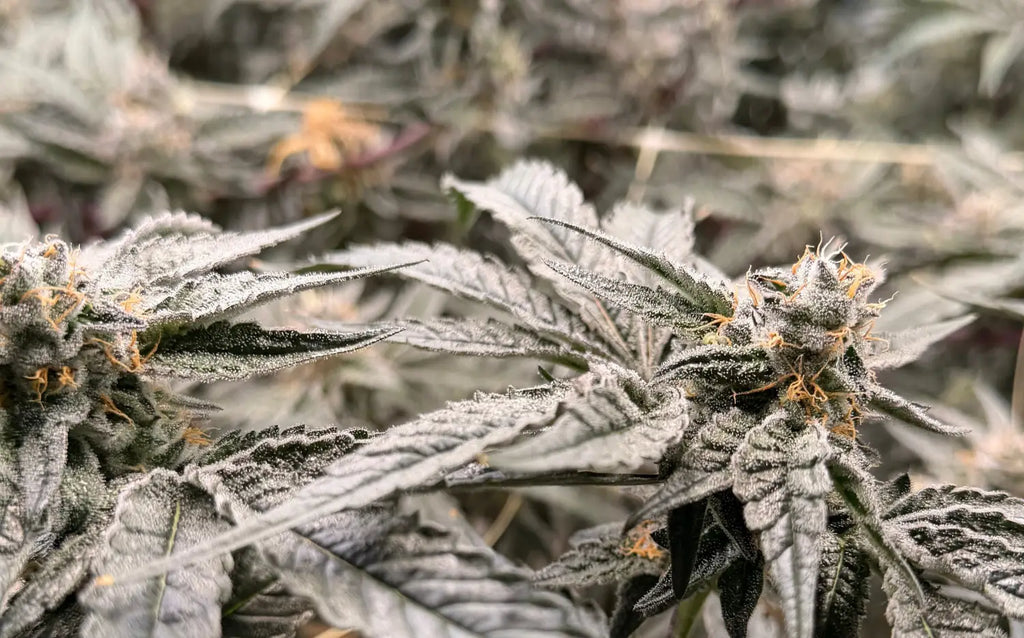
THCA Terpenes, Mood, and Music: The Chemistry of the Perfect Pairing
One of the most underappreciated aspects of the cannabis-music experience is the role of terpenes. Terpenes are the aromatic compounds found in cannabis — and in countless other plants — that give each strain its distinctive smell, flavor, and effect profile. They're also key to understanding why different strains feel right for different musical genres.
THCA terpenes and mood are deeply interconnected. The terpene profile of a given strain doesn't just affect how it smells — it shapes the entire emotional and cognitive character of the experience.
Myrcene is the most common terpene in cannabis, producing earthy, musky notes. It's associated with relaxation and body warmth — perfect for deep listening sessions with ambient or R&B music.
Limonene brings bright citrus notes and an uplifting, energizing effect. Strains high in limonene are ideal for pairing with uptempo music — hip-hop, dance, funk, or anything that makes you want to move.
Linalool is the terpene you find in lavender, and it carries a calming, anxiety-reducing quality. High-linalool strains are excellent for emotional, introspective music — jazz ballads, classic soul, or slow-burn singer-songwriter records.
Pinene produces a sharp, piney aroma and supports mental clarity and alertness. Pinene-dominant strains are among the best for concert settings, where you want to be present and engaged rather than sedated.
Caryophyllene has a spicy, peppery profile and a unique ability to bind directly to endocannabinoid receptors, contributing to relaxation without heavy sedation. It's a versatile terpene that works well across genres.
When you're choosing a THCA strain for a music session, paying attention to the terpene profile isn't just for connoisseurs — it's practical. The right terpene combination can mean the difference between an energized, engaged listening experience and a couch-locked session where you fall asleep before the second act.
Best Genres to Pair with THCA Hemp Flower: A Complete Guide
Not every strain is right for every playlist, and not every playlist is right for every strain. The cannabis enhanced listening experience is most powerful when you've matched the energy and emotional tone of your cannabis to the music you're about to hear. Here's how to do it.
Jazz: Go Terpene-Rich and Complex
Jazz is about complexity, improvisation, and conversation. It rewards attentive listening in a way few genres can match, and the right cannabis strain can open up dimensions of a jazz record you've never fully appreciated. For jazz, lean toward strains with rich, complex terpene profiles — earthy, floral, and slightly sweet. Look for strains with balanced effects that sharpen your focus without making you restless. A well-chosen THCA strain will make you feel like you're inside the music, understanding the dialogue between musicians in real time.
Hip-Hop: Match the Energy
Hip-hop runs on energy, rhythm, and verbal dexterity. The best pairing here is a THCA sativa music strain that uplifts and energizes without anxiety. Sativa-dominant strains tend to produce a cerebral, talkative, socially engaged high that fits perfectly with the kinetic energy of hip-hop. You'll find yourself catching every bar, appreciating every sample, nodding your head without even realizing it.
Ambient and Electronic Music: Go Deep
Ambient and electronic music is designed to blur the boundaries between listener and sound — to create an immersive sonic environment you don't just hear, but inhabit. For this genre, indica or hybrid strains that produce body relaxation and sensory expansion are the ideal companion. The music becomes a landscape. You're not sitting on your couch listening — you're inside it, floating.
Classic Rock: Balanced Hybrids for the Long Haul
Classic rock albums are made for front-to-back listening. Whether it's a prog-rock opus that sprawls across multiple sides of vinyl or a tight blues-rock album that feels like a conversation with the soul, classic rock rewards the kind of engaged, emotionally present listening that well-chosen THCA hemp flower supports. Hybrid strains — offering both body relaxation and mental engagement — are perfect here.
R&B and Soul: Emotional Depth Requires Indica-Leaning Hybrids
R&B and soul are built on emotional vulnerability, vocal range, and groove. To fully feel what Aretha Franklin, Al Green, or SZA is putting into a performance, you want a strain that opens the emotional channels. Indica-leaning hybrids, with their body warmth and empathic sensitivity, are ideal. Music that was already moving becomes devastating in the best possible way.
The Best THCA Strains for Music Lovers
When it comes to the best THCA strains for concerts and home listening, a few names come up again and again among music-focused cannabis enthusiasts. Here's a breakdown of the standout performers.
Blue Dream — For Ambient, Indie, and Dreamy Soundscapes
Blue Dream is one of the most beloved strains in cannabis history, and for good reason. It delivers a gentle, euphoric elevation that doesn't overwhelm — a soft-focus haze of creativity and warmth that turns a good playlist into an immersive journey. The berry and herbal terpene profile adds a pleasant sensory dimension that pairs beautifully with atmospheric, layered music. Blue Dream is the strain for late-night headphone sessions with ambient, indie, or shoegaze records playing in the dark.
Sour Diesel — Built for Hip-Hop, Rap, and High-Energy Sets
Sour Diesel is pure fuel. The pungent, diesel-and-citrus aroma announces itself immediately, and the effect follows — an energizing, head-focused rush that sharpens attention and lifts mood without sedation. For hip-hop, rap, dancehall, or any music with serious energy, Sour Diesel is a natural match. It's also one of the top picks for concert settings where you want to be alert, present, and fully dialed in to the performance.
Granddaddy Purple — For R&B, Soul, and Emotional Depth
Granddaddy Purple is a legendary indica-dominant strain known for its deep grape and berry aroma, its gorgeous purple coloration, and its profoundly relaxing, emotionally resonant effects. This is the strain for music that moves you — the kind of records that deal in heartbreak, triumph, longing, and joy. Granddaddy Purple lowers your defenses and opens you up to whatever the music has to say. It's not a concert strain — it's a couch and a great speaker system and an album you love.
Jack Herer — Uplifting and Clear for Live Concerts and Festival Settings
Jack Herer is the strain that keeps you present. Named for the legendary cannabis activist and author, it's a sativa-dominant classic with a piney, earthy, slightly spicy profile and an effect that is clear-headed, focused, and socially easy. If you're heading to a concert and want to be fully alive to the experience — not sedated, not anxious, just open and engaged — Jack Herer is among the top choices. It's the strain that makes a live performance feel like a personal conversation with the musician.
Building the Ultimate THCA Listening Session: A Step-by-Step Guide
Creating the ideal THCA sensory experience for music isn't complicated, but a little intention goes a long way. Here's how to set up the perfect session:
Step 1: Choose Your Strain Based on Genre and Mood Start with the music you plan to listen to and work backward. Energetic session? Sativa. Emotional deep-dive? Indica or hybrid. Live concert energy at home? Something clear-headed and bright. Don't just grab whatever's around — let the music guide the selection.
Step 2: Set Up Your Audio Properly You don't need a $5,000 audiophile setup, but you do need something decent. Quality headphones — particularly over-ear, closed-back cans for immersive listening — can make an enormous difference. If you prefer speakers, make sure your room isn't acoustically harsh (too many hard surfaces, too much echo). The hemp flower and sound experience is only as good as the weakest link in the chain.
Step 3: Control Your Environment Dim the lights. Cannabis is partially a creature of set and setting — the environmental context shapes the experience significantly. Darkness or candlelight removes visual distraction and pushes your attention toward sound. A comfortable temperature, a familiar space, and the absence of intrusive notifications all contribute to the depth of the session.
Step 4: Remove Distractions Put your phone in another room. Or at least on silent, face down, across the space. The tendency to scroll while listening is the enemy of the deep listening experience that cannabis makes possible. If you're going to pair THCA hemp and creativity with music, honor the experience by giving it your full attention.
Step 5: Let the Music Lead This sounds obvious, but it's worth saying: don't overthink it. Don't try to analyze what you're hearing or narrate the experience to yourself while it's happening. Let go of the impulse to document and just be in it. The most profound cannabis music moments tend to happen when you stop trying to make them happen.
Step 6: Start Low, Go Slow If you're new to high-THCA flower, start with a small amount and give it time to take effect before deciding you need more. The experience builds — and the best listening sessions often start slow and deepen gradually rather than starting with intensity.
THCA Hemp Flower and Creativity: Beyond Listening
While much of the conversation around THCA hemp and creativity focuses on listening, it's worth noting that cannabis has long been a tool for musicians and other artists in the creative process itself.
Many musicians report that cannabis helps quiet the inner critic — that relentless voice that evaluates and second-guesses every creative impulse before it has a chance to breathe. When that voice goes quiet, improvisation flows more freely, unexpected ideas emerge, and the willingness to experiment expands. This is likely related to THC's effects on the prefrontal cortex, the seat of executive function and self-monitoring. Temporarily dialing down that self-regulation can open creative channels that tend to close when you're being too careful.
For listeners, the creative engagement isn't just passive. Many people report writing, drawing, journaling, or simply thinking more richly while listening to music with cannabis. The music becomes a generative force rather than background noise — a catalyst for the kind of free-associative, imaginative thinking that cannabis supports.
Frequently Asked Questions About THCA Flower and Music
Is THCA flower legal to buy and use? Yes. THCA hemp flower is federally legal under the 2018 Farm Bill when it contains less than 0.3% Delta-9 THC by dry weight. However, when smoked or vaped, THCA converts to Delta-9 THC via decarboxylation, which produces psychoactive effects. State laws vary, so always check your local regulations before purchasing.
Will smoking THCA flower get me high? Yes. Once heated, THCA converts to Delta-9 THC, producing effects that are effectively identical to traditional cannabis. The psychoactive experience is what makes the cannabis music experience possible.
What's the best THCA strain for a first-time music session? Blue Dream or Jack Herer are both excellent starting points — they're well-balanced, widely available, and tend to produce manageable, pleasant effects without overwhelming anxiety or sedation.
Do terpenes really affect the music experience? Absolutely. Terpenes shape the emotional tone and cognitive character of a cannabis experience in meaningful ways. A limonene-heavy strain will produce a different music experience than a myrcene-dominant one. Pay attention to terpene profiles when choosing strains for specific genres or moods.
How is THCA hemp flower different from CBD flower? CBD flower is bred to be low in both THCA and Delta-9 THC and does not produce psychoactive effects when smoked. THCA flower is high in THCA, which converts to active Delta-9 THC upon heating. For the music experience described in this article, THCA flower is what you want.
Can I bring THCA flower to a concert? This depends on venue policies and local laws. Always review both before attending an event. For at-home concert-style listening sessions, there are no venue restrictions to navigate — just your own setup and your own judgment.
What's the best way to consume THCA flower for music sessions? Smoking and vaping are the most common methods and both provide relatively quick onset. Vaping tends to produce a cleaner flavor profile, which some listeners prefer for the aesthetic dimension of the session. The choice is personal.
Does cannabis actually change how music sounds, or is it psychological? Both, and the distinction may not matter as much as the experience itself. There is documented evidence that THC affects auditory processing, dopamine release, time perception, and emotional sensitivity — all of which have genuine neurological effects on how music is experienced. The psychological and neurological are deeply intertwined.
Final Thoughts: The Ancient Union of Cannabis and Music
The connection between cannabis and music isn't a trend. It isn't a marketing angle. It's a thread that runs through jazz history and reggae spirituality, through hip-hop studios and festival fields, through bedroom headphone sessions and sold-out arenas. Human beings have been using cannabis to deepen their relationship with music for as long as both have existed in the same room.
What's new — what makes this moment genuinely exciting — is access. Legal THCA hemp flower has made it possible for anyone, anywhere, to explore this ancient union without the legal risk that once surrounded it. The craft, quality, and variety of THCA strains available today would have been unimaginable to the jazz musicians of the 1930s who were rolling whatever reefer they could find. Today, you can choose a specific terpene profile, a specific effect character, a specific strain curated for exactly the kind of music session you have in mind.
That's not a small thing. That's the full realization of something people have been reaching toward for a very long time.
