




Terpene Profiles in THCA Concentrates: How They Affect Flavor and Effects

When most people evaluate a THCA concentrate, the first thing they check is the THCA percentage on the lab report. Potency is an easy number to compare, an easy selling point, and an easy way to feel confident in a purchase. But experienced concentrate consumers know that chasing potency alone is a fast track to a flat, one-dimensional experience — and that the most sought-after batches in the concentrate market are defined as much by their aromatic complexity and nuanced effects as by their cannabinoid content.
The reason? Terpenes.
Terpenes in THCA dabs are the aromatic compounds that give each cultivar its signature smell and flavor — the reason one strain smells like ripe citrus and another like a pine forest, a bowl of tropical fruit, or a freshly ground pepper. But terpenes aren't just about sensory experience. Research and decades of consumer data suggest that terpenes actively shape the character of the effects you feel when you consume concentrates — interacting with cannabinoids in ways that amplify, modulate, and add depth to the overall experience.
This is the concept known as the terpene entourage effect, and in 2026 it has moved from fringe theory to mainstream consensus among serious concentrate enthusiasts, cultivators, and extractors. Understanding terpenes — what they are, which ones are most commonly found in hemp-derived concentrates, how they influence flavor and effects, and how to read terpene data on a certificate of analysis — is one of the most valuable upgrades you can make to your concentrate purchasing decisions.
This guide covers all of it, from the biochemistry of terpene production to a full breakdown of the most important individual terpenes and practical advice on finding the best terpene profile THCA concentrate for your specific goals.
What Are Terpenes? The Science Behind the Smell
Terpenes are a large and chemically diverse class of organic compounds produced by a remarkable range of plants, fungi, and even some insects. From the limonene in lemon peels to the pinene in pine sap to the linalool in lavender, terpenes are among the most widespread aromatic molecules in the natural world. In the hemp plant specifically, they are produced primarily in the trichomes — the microscopic, mushroom-shaped resin glands that cover the surface of mature hemp flowers and that also produce cannabinoids like THCA, CBD, and dozens of minor cannabinoids.
There are over 200 distinct terpenes identified in cannabis and hemp cultivars, though most individual strains produce a characteristic profile concentrated around a handful of dominant compounds. The combination and relative proportion of those dominant terpenes — along with the dozens of secondary and trace terpenes that round out the profile — is what gives a given cultivar its distinctive aromatic fingerprint.
Evolutionarily, terpenes serve important functions for the plant. Some attract pollinators with appealing aromas. Others repel insects, herbivores, and pathogens. Certain terpenes help regulate the plant's response to heat and UV radiation. But for humans, terpenes are far more than plant defense chemicals — they are biologically active compounds that interact with our nervous systems in measurable ways.
Terpenes engage with a range of physiological systems: the endocannabinoid system, serotonin receptors, dopamine receptors, GABA receptors, and opioid receptors, among others. When consumed alongside cannabinoids like THCA or THC, they may modulate the speed of onset, the intensity of certain effects, the duration of the experience, and the overall character of how a concentrate feels. This is the biochemical foundation of the entourage effect — the idea that terpenes and cannabinoids working together produce an experience greater than either could create alone.
How THCA Concentrates Preserve — or Lose — Their Terpenes
Not all THCA concentrates are created equal when it comes to terpene content. The extraction and refinement method used to produce a concentrate has a profound impact on how much of the original terpene profile survives in the finished product — and this single variable accounts for much of the quality gap between top-shelf live products and budget-tier isolates or distillates.
Live Resin
Live resin is produced by extracting terpenes and cannabinoids from fresh-frozen hemp flower — material that was harvested and immediately frozen, bypassing the drying and curing process entirely. Because terpenes begin to degrade almost immediately after harvest, and because the drying and curing process causes significant terpene loss (particularly for the most volatile, aromatic terpenes), fresh-frozen starting material locks in a fuller, more complete terpene profile than any cured product can match.
The live resin terpene profile 2026 landscape has matured significantly, with top producers achieving total terpene concentrations of 5–10% or higher in premium batches. These are some of the most aromatic and flavor-rich concentrates available in the hemp market today.
Live Rosin
Live rosin shares the same fresh-frozen starting material advantage as live resin but uses solventless extraction — typically involving ice water hash production followed by heat and pressure pressing — rather than hydrocarbon or CO2 solvents. The result is a solventless product with an exceptionally clean, complex terpene profile. Live rosin is widely considered the pinnacle of the terpene-preservation concentrate category and commands premium pricing accordingly.
Cured Resin (Traditional BHO, Wax, Shatter)
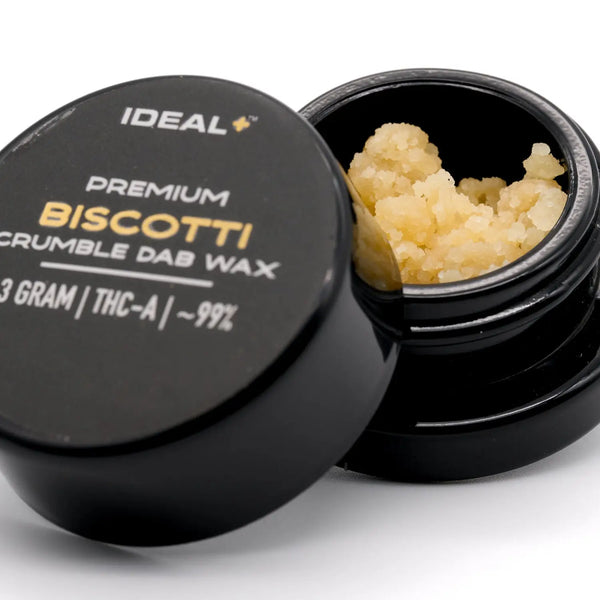
Traditional concentrates made from dried and cured flower — including wax, shatter, crumble, and standard BHO — are working with starting material that has already undergone significant terpene loss. Drying alone can reduce terpene content by 30–50% compared to fresh flower, and the extraction process adds further loss. Finished cured resin products typically test at 1–3% total terpenes — lower than live products but still enough to deliver meaningful terpene character if the cultivar is well-chosen and the extraction is clean.
Distillate and THCA Crystalline
Distillate and THCA crystalline represent the far end of the refinement spectrum. These products have had virtually all terpenes — along with virtually all minor cannabinoids, waxes, lipids, and plant material — removed through repeated distillation, winterization, or chromatography processes. The result is a highly potent, highly pure cannabinoid product with essentially no native terpene content.
Some producers reintroduce terpenes into distillate after production, either using cannabis-derived terpenes (CDTs) or botanical terpenes from non-cannabis sources. These terpene-infused distillates can be pleasant and functional, but the reintroduced profile is rarely as complex or as accurate to the original cultivar as a full-spectrum extract.
The Practical Takeaway
If full spectrum THCA terpenes and a rich flavor and effect profile are priorities for you, seek out live resin, live rosin, or other fresh-frozen products. If you're primarily interested in maximum potency at a more accessible price point, cured resin products offer a good middle ground. Reserve distillate and crystalline products for situations where purity and dosing precision are the priority, not terpene expression.
The Most Common Terpenes in THCA Concentrates: A Full Breakdown
Understanding the specific terpenes most commonly found in hemp-derived concentrates — and what each one contributes to flavor and effects — is the key to using terpene data meaningfully in your purchasing decisions. Here is a comprehensive breakdown of the most important terpenes you'll encounter.
Myrcene: The Relaxation Terpene
Myrcene is the single most abundant terpene in most cannabis and hemp cultivars. Its aroma is earthy, musky, and herbal — often described as reminiscent of cloves, ripe mango, or slightly fermented fruit. Many of the most popular indica-leaning strains are myrcene-dominant, and for good reason.
Myrcene THCA concentrates are strongly associated with relaxing, sedating, body-focused effects. Research suggests that myrcene may enhance the permeability of cell membranes, potentially increasing the speed at which cannabinoids cross the blood-brain barrier and intensifying the onset of effects. This could help explain the longstanding folk wisdom that eating a ripe mango before consuming cannabis intensifies the experience — ripe mangoes are high in myrcene.
For consumers seeking heavy relaxation, stress relief, or sleep support, myrcene-dominant concentrates are typically the first choice. Look for myrcene as the lead terpene in strains like OG Kush, Granddaddy Purple, Blue Dream, and most indica-heavy cultivars.
Limonene: The Mood Elevator
Limonene is one of the most recognizable terpenes by aroma — bright, sparkling citrus notes of lemon, lime, orange, and grapefruit. It's found abundantly in citrus fruit peels, and in hemp strains it contributes a fresh, energetic aromatic character.
Limonene THCA concentrates are associated with uplifting, mood-enhancing, and energizing effects. Studies have examined limonene for potential anxiolytic and antidepressant properties, and consumer reports consistently describe limonene-dominant products as producing a more cerebral, optimistic, and mentally energizing experience.
Limonene-dominant concentrates are an excellent choice for daytime use, creative sessions, or situations where you want an uplifted headspace without the heavy body sedation of myrcene-dominant products. Look for limonene in strains like Lemon Haze, Durban Poison, Wedding Cake, and most strains with "lemon," "citrus," or "sour" in their names.
Caryophyllene: The Dual-Function Terpene
Beta-caryophyllene is botanically unique among terpenes in that it is the only known terpene that directly activates cannabinoid receptors in the human body — specifically CB2 receptors, which are primarily associated with the immune system and inflammatory responses. This dual classification as both a terpene and a functional cannabinoid makes caryophyllene one of the most pharmacologically interesting aromatic compounds in hemp.
Its aroma is spicy, peppery, slightly woody, and warm — you'll recognize it in black pepper, cloves, and cinnamon, all of which are high in caryophyllene. In concentrates, caryophyllene contributes a rich, complex aromatic character and is associated with anti-inflammatory effects, relaxation, and stress relief without heavy sedation.
Caryophyllene-dominant concentrates are particularly popular among consumers dealing with physical discomfort or inflammation-related issues, and among those who want a relaxing effect without excessive drowsiness. It appears frequently as a co-dominant terpene in many OG and Kush-family strains.
Pinene: The Clarity Terpene
Alpha-pinene and beta-pinene are the two forms of this ubiquitous terpene, both of which share the characteristic clean, sharp aroma of pine trees, fresh forests, and rosemary. Pinene is one of the most abundant terpenes in nature and one of the most recognizable by scent.
In hemp concentrates, pinene is associated with mental alertness, focus, and clarity. Particularly interesting is the research suggesting that alpha-pinene may inhibit acetylcholinesterase, an enzyme that breaks down acetylcholine — a neurotransmitter involved in memory and attention. This mechanism could help counteract some of the short-term memory impairment associated with high-THC consumption, which may explain why some pinene-forward strains feel more cognitively manageable even at high potencies.
Pinene-dominant THCA concentrate flavor profiles tend toward forest, herbal, and fresh aromatic notes. These products are well-suited for creative work, outdoor activities, and situations where mental clarity is important. Look for pinene in strains like Jack Herer, Trainwreck, Blue Dream, and many classic sativa-leaning cultivars.
Linalool: The Calm Terpene
Linalool is perhaps the most widely recognized terpene outside of cannabis because of its dominant presence in lavender — and the extensive research into lavender aromatherapy as a tool for anxiety reduction and sleep support. Linalool's aroma is floral, soft, slightly sweet, and unmistakably calming.
In hemp concentrates, linalool is associated with anxiolytic, stress-relieving, and sleep-promoting effects. It has been studied for potential anti-anxiety, anti-seizure, and analgesic properties. For consumers using THCA concentrates primarily for relaxation or sleep support, linalool-rich products are among the most targeted options in the market.
Linalool tends to appear in significant concentrations in lavender-forward strains and many indica-dominant cultivars. It is rarely a dominant terpene but frequently appears as a co-dominant compound that softens and deepens the relaxing character of myrcene- or caryophyllene-dominant profiles.
Terpinolene: The Sativa Terpene
Terpinolene is one of the least-commonly dominant terpenes but one of the most distinctive when it is. Its aroma is complex and multi-layered — simultaneously floral, piney, herbal, and slightly citrusy. It's notoriously difficult to describe precisely, which makes it all the more recognizable once you know it.
Terpinolene is predominantly found in sativa-leaning cultivars and is strongly associated with uplifting, mentally energizing, and occasionally slightly psychedelic effects. Strains known for terpinolene dominance — Jack Herer, Ghost Train Haze, Chernobyl — are among the most cerebrally stimulating cultivars in the cannabis library. For consumers seeking a best terpene profile THCA concentrate for productivity, creative projects, or social situations, terpinolene-dominant products are worth seeking out.
Ocimene: The Floral Uplifter
Ocimene has a sweet, woody, herbal, and slightly fruity aroma and appears in a variety of floral and citrus-forward strains. It's less studied than the terpenes above but is widely associated with uplifting, creative, and mildly energizing effects. It contributes complexity and sweetness to the aromatic profile of concentrates where it appears.
Humulene: The Anti-Inflammatory Terpene
Humulene has an earthy, woody, spicy, and distinctly hoppy aroma — it's also found in hops, which is part of why certain hemp strains and IPAs share aromatic characteristics. In hemp concentrates, humulene is associated with anti-inflammatory properties and, notably, is one of the few cannabis terpenes studied for potential appetite-suppressing effects rather than appetite stimulation.
Reading Terpene Data on a COA: What to Look For
A comprehensive Certificate of Analysis (COA) from a credentialed third-party laboratory should include a terpene panel alongside the cannabinoid panel for high-quality THCA concentrates. Here's how to interpret what you find:
Total Terpene Percentage
This number tells you the overall aromatic richness of the product. General benchmarks: cured wax or shatter typically tests at 1–3% total terpenes; good live resin may test at 3–6%; premium live rosin from exceptional starting material can reach 7–12% or higher. Products in the upper ranges of these benchmarks will deliver significantly more flavor and aromatic complexity than products at the lower end.
Dominant Terpene(s)
The terpene(s) listed at the highest percentage are the dominant terpenes — the ones that will most strongly shape both the aroma and the effect character of the product. A live resin testing 4% myrcene, 2% caryophyllene, and 1% limonene will feel and taste very different from one testing 3% limonene, 2% terpinolene, and 1% pinene, even if both products have similar THCA percentages.
Terpene Diversity
Beyond the dominant terpenes, pay attention to how many secondary and trace terpenes appear on the panel. A product with 10+ distinct terpenes — even at low individual concentrations — will typically deliver a more complex and layered experience than one with only 2–3 dominant compounds. This terpene diversity is part of what makes the terpene entourage effect concentrate experience feel more complete and satisfying.
Cannabis-Derived vs. Botanical Terpenes
Some lower-cost products labeled with terpene content are using reintroduced botanical terpenes — terpenes derived from non-cannabis plants like citrus peel, lavender, or black pepper. These are not inherently inferior in aroma, but they typically lack the full complexity of native cannabis-derived terpenes and the minor cannabinoid compounds that contribute to the full entourage effect. Where possible, look for labels specifying cannabis-derived terpenes (CDT) for the most authentic experience.
The Entourage Effect: Why Terpenes Change How Concentrates Feel
The terpene entourage effect concentrate discussion has evolved considerably over the past decade. What began as a hypothesis proposed by researcher Raphael Mechoulam — that cannabis compounds work synergistically rather than in isolation — has been supported by a growing body of preclinical research and an enormous base of consistent consumer experience.
The core claim is straightforward: a full spectrum THCA terpenes product — one that preserves the full range of terpenes, minor cannabinoids, and other plant compounds present in the original cultivar — will deliver a qualitatively richer and more nuanced experience than an isolated cannabinoid product of equal or even higher potency.
This manifests in several practical ways that experienced concentrate consumers report consistently:
Smoother onset and offset. Full-spectrum concentrates often feel less abrupt in their onset and decline compared to isolate-based products, which can feel like flipping a switch on and off.
More mood specificity. A myrcene-dominant full-spectrum live resin genuinely feels different from a limonene-dominant one — not just in flavor but in the character of the mental and physical experience. Isolate-based products tend to feel more generic regardless of reintroduced terpenes.
Reduced anxiety ceiling. Some consumers report that high-potency THCA products feel more manageable when consumed as full-spectrum concentrates versus isolate or crystalline products, with less tendency toward anxiety or paranoia at equivalent doses. This may relate to the role of CBD, CBG, and certain terpenes like linalool and caryophyllene as modulators of THC's psychoactive intensity.
More complete therapeutic fit. Consumers using THCA concentrates for specific goals — sleep, pain relief, mood support, focus — tend to report better results when choosing products specifically based on terpene profile alignment with their goals, rather than selecting purely on THCA percentage.
Matching Terpene Profiles to Your Goals
One of the most practical applications of terpene knowledge is matching your concentrate selection to your intended use. Here's a quick reference guide:
For deep relaxation and sleep support: Seek myrcene-dominant concentrates with linalool as a secondary terpene. Indica-leaning live resin or live rosin from cultivars like Granddaddy Purple, Northern Lights, or Purple Punch.
For daytime energy and mood elevation: Seek limonene-dominant concentrates with terpinolene or pinene as secondary terpenes. Sativa-leaning live resin from cultivars like Lemon Haze, Durban Poison, or Jack Herer.
For focus and creative work: Seek pinene- or terpinolene-dominant concentrates with limonene support. Products from Jack Herer, Ghost Train Haze, or similar sativa-dominant cultivars.
For physical discomfort and anti-inflammatory goals: Seek caryophyllene-dominant concentrates with myrcene and humulene support. Many OG Kush variants and indica-heavy cultivars fit this profile.
For anxiety and stress relief without heavy sedation: Seek linalool and caryophyllene co-dominant products. Many balanced hybrid cultivars deliver this profile.
Frequently Asked Questions
What are terpenes in THCA concentrates? Terpenes are aromatic compounds naturally produced in the trichomes of hemp plants alongside cannabinoids. In THCA concentrates, they are responsible for flavor and aroma and are believed to actively influence the character of effects through their interaction with cannabinoids — a phenomenon known as the entourage effect.
How do terpenes affect THCA effects? How terpenes affect THCA effects comes down to their interaction with the endocannabinoid system and other neurological receptors. Different terpenes engage different receptor pathways, which shapes whether the overall experience trends toward relaxation, energy, focus, or other effects. The terpene profile effectively steers the character of the THCA experience.
What is the best terpene profile for a THCA concentrate? There is no single best terpene profile — the ideal profile depends entirely on your goals. Myrcene-dominant profiles suit relaxation and sleep; limonene-dominant profiles suit energy and mood elevation; pinene or terpinolene profiles suit focus and clarity. The best terpene profile THCA concentrate for you is the one that aligns with what you're seeking from the experience.
What is a live resin terpene profile? A live resin terpene profile 2026 refers to the specific terpene composition of a live resin product — the types and quantities of terpenes present in a concentrate made from fresh-frozen hemp flower. Live resin terpene profiles tend to be richer, more complex, and more accurate to the original cultivar than profiles in cured-material concentrates.
What is the terpene entourage effect? The terpene entourage effect concentrate concept refers to the synergistic interaction between terpenes, cannabinoids, and other plant compounds in hemp. The theory holds that these compounds working together produce a fuller, more nuanced experience than isolated cannabinoids alone — and it is one of the primary reasons experienced consumers prioritize full-spectrum concentrates over isolate-based products.
Do all THCA concentrates have terpenes? No. Highly refined products like THCA crystalline and distillate have had virtually all terpenes removed during production. Live resin, live rosin, and cured resin products retain varying levels of native terpenes. Always check the COA for a terpene panel if terpene content is important to your purchasing decision.
How much terpene content is good in a concentrate? Total terpene content of 3–6% is considered good for live resin products; 5–10%+ is exceptional. For cured resin products, 1–3% is typical. Higher terpene content generally correlates with richer flavor and more pronounced terpene-driven effects.
Conclusion: Let Terpenes Guide Your Concentrate Decisions
Potency gets the headlines in the concentrate market, but terpenes are where the real character of the experience lives. Whether you're using terpenes in THCA dabs for relaxation at the end of a long day, to boost creativity and focus during a work session, or to find physical relief from discomfort, the terpene profile of your concentrate matters as much as — and in many cases more than — the THCA percentage on the label.
In 2026, the best producers treat terpene preservation as a top priority, and the market's most sophisticated consumers are shopping accordingly — reading terpene panels on COAs, seeking out live resin and live rosin products for maximum full spectrum THCA terpenes expression, and making intentional choices about which terpene profiles align with their goals on a given day.
Potency tells you how strong a concentrate might be. Terpenes tell you what kind of experience it will deliver. In a maturing market, the ability to use both pieces of information is what separates the informed consumer from the rest.
Explore our full selection of THCA concentrates — including live resin, live rosin, and cured resin options with full terpene panel COA data — at Oregon Hemp Flower.
