
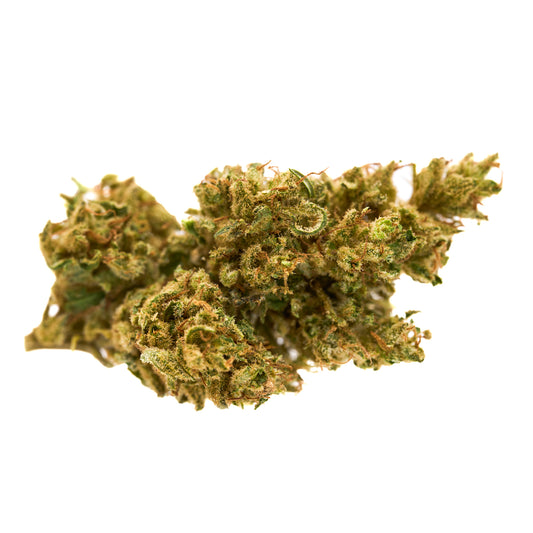
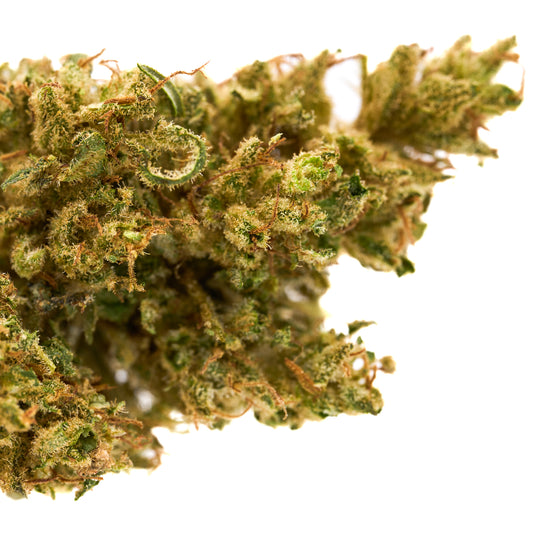
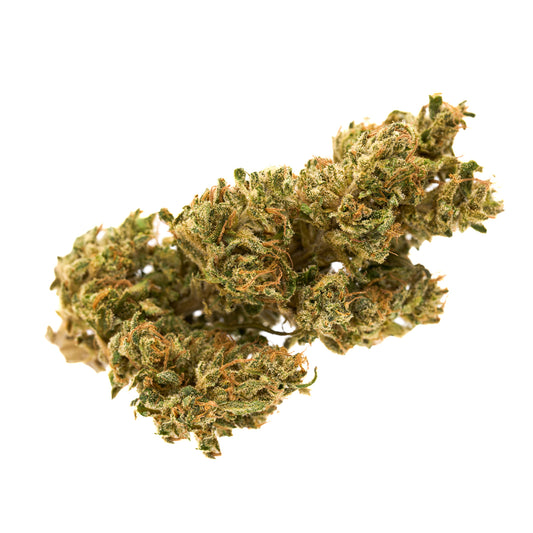
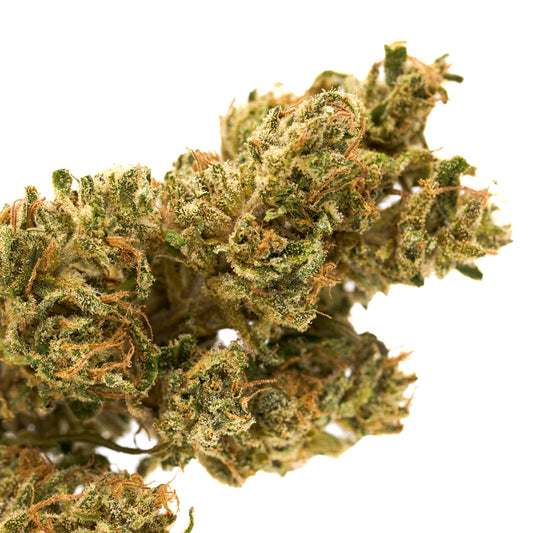



How Temperature Affects THCA Flower Color During Growth: The Science Explained

If you've ever seen a jar of deep-purple THCA flower and wondered whether it was bred that way, dyed, or just grown right, you're asking a genuinely interesting question about temperature and cannabis color — and the answer sits at the intersection of plant biology and cultivation skill. Purple, blue, red, even near-black hues in hemp flower aren't cosmetic tricks. They're a visible signature of what happened inside the plant during the final weeks of flowering, and temperature is one of the biggest levers behind it.
This matters whether you're a consumer trying to figure out if that purple nug is the real deal, or a wholesale buyer trying to understand what "cold nights purple weed" actually means for quality and consistency. Below, we break down the science, look at how growers change bud color on purpose, and separate honest cultivation practice from gimmicks that trade quality for shelf appeal.
H2: The Cold-Snap Effect
The short version: purple, red, and blue tones in THCA flower come from anthocyanins in cannabis flower, pigments that become visible when chlorophyll — the compound responsible for green color — breaks down. Nighttime temperature during late flowering is one of the primary triggers.
Why chlorophyll hides the color underneath
Every plant with anthocyanin genetics carries those pigments the entire time it's growing. Under normal conditions, chlorophyll dominates — there's simply more of it in an actively photosynthesizing plant. As flowering progresses, chlorophyll production slows and, outdoors or in unconditioned greenhouses, nighttime temperatures drop. That combination is where the visible color shift happens, which answers the common question of why does cannabis turn purple in cold weather.
What's physically happening at the cellular level
Cold nights slow the enzymatic processes that replenish chlorophyll. As it degrades faster than it's replaced, green fades and the anthocyanins underneath become visible — the same basic mechanism behind autumn leaves changing color. Nighttime drops into the 50s°F during the final two to four weeks of flowering are one of the more reliable triggers, which is central to understanding does temperature affect THCA flower color in a given cultivar.
Genetics still set the ceiling
Cannabis color growing conditions only matter if the cultivar's genetics include the anthocyanin pathway. Strains with lineage from cooler mountain climates (parts of Afghanistan, Pakistan, etc.) carry this trait more commonly. Two plants in the same tent under the same cold snap can finish in totally different colors — one may turn purple, the other simply fades toward brown. Color is a pigment story, not a potency story.
Other contributing factors
- pH swings shift anthocyanins toward pink/red or blue
- Increased UV exposure supports pigment production
- Lower late-flowering nitrogen correlates with more visible shifts
- Sugar/starch buildup is linked to anthocyanin synthesis
H2: Can Growers Force Color?
Yes — to a point, and this is really the practical side of how to grow purple THCA flower on purpose. Cultivators working with color-capable genetics use a few deliberate strategies:
- Dropping nighttime temperatures during the final 10–20% of flowering
- Widening the day/night temperature differential rather than just lowering nights outright
- Timing the stress to the last couple of weeks, after most cannabinoid/terpene development is set
- Selecting genetics for color potential from the start — the lowest-risk approach
The trade-offs
This is where how growers change bud color intersects with quality control, and it's a form of cold stress cannabis cultivation technique that carries real risk:
- Yield risk — cold slows metabolism, which can reduce density/weight
- Terpene volatility — aggressive cold stress can flatten terpene profiles
- Mold risk — cold air holds less moisture at saturation, raising humidity risk inside dense canopy
- Inconsistency — results vary plant to plant and even cola to cola
Chasing color trades some yield and consistency certainty for visual appeal — a legitimate choice, but a trade-off, not a free upgrade.

H2: Natural vs. Manipulated Color
Most reputable growers don't chase color at the expense of quality. The best-looking purple or blue flower on the market is usually the byproduct of good genetics finishing in a climate where natural seasonal cold lines up with late flowering — not aggressive manipulation, and not natural vs dyed purple weed tricks some less scrupulous sellers rely on.
What natural color looks like
Outdoor and light-deprivation greenhouse harvests in temperate climates naturally expose plants to cold nights during late flowering. A purple-genetic cultivar finished outdoors in October is likely to show color simply because the ambient cannabis color growing conditions already include what's needed — no stress protocol required.
What manipulation-first flower can look like
Operations pushing cold stress purely for shelf appeal can produce:
- Color disproportionately vivid relative to the strain's known profile
- Lower bud density or "fluffiness"
- Muted or generic terpenes
- Uneven color across the same batch
Why reputable growers treat color as a bonus
For operations focused on consistent potency and reliable wholesale relationships, color is a welcome side effect of good genetics and timing — not a target.
H2: Does Color Actually Mean Anything For Potency or Quality?
A vividly colored flower is not inherently more potent — does purple weed mean better quality is one of the most common misconceptions in the category. Anthocyanin content and cannabinoid content are produced through separate biochemical pathways — genetically identical plants can finish with the same cannabinoid/terpene profile regardless of which pigment dominates visually. In short, does bud color affect potency? Not directly.
Color still has some value as a signal:
- Consistent, well-expressed color suggests stable, true genetics
- Naturally developed color (without over-stress signs) suggests proper finishing
- It's a legitimate aesthetic preference — nothing wrong with buying for looks, as long as it's not mistaken for a potency guarantee
FAQ
Does cold weather actually turn cannabis purple?
Yes, but only in strains with anthocyanin-producing genetics. Cold nights accelerate chlorophyll breakdown, revealing pigments already present in the plant.
Is purple weed stronger than green weed?
No. Color and cannabinoid production are separate pathways — color isn't a reliable potency indicator.
Can growers make any strain turn purple by lowering the temperature?
No. Temperature only reveals color potential that's already in the genetics.
Is it risky for growers to intentionally cold-stress plants for color?
It's a legitimate technique when done carefully and late in flowering, but carries yield, terpene, and mold-risk trade-offs.
How can I tell if purple flower is natural or forced?
Check bud density, trichome coverage, terpene aroma, and batch consistency — not just color.
Do all purple strains share the same genetic family?
Many trace back to landrace genetics from cooler mountain regions where cold-triggered anthocyanin expression was naturally selected for over generations.
Does bud color fade after harvest and curing?
Color is generally stable once dried and cured properly; improper storage (excess light/heat) can cause fading over time.
