




Indica vs Sativa vs Hybrid: What's the Real Difference?

Walk into any hemp shop or scroll through any online THCA flower catalog and you'll see the same three categories staring back at you: indica, sativa, hybrid. These labels are so deeply embedded in cannabis and hemp culture that most buyers use them instinctively — reaching for an indica at night, grabbing a sativa for a morning session, or opting for a hybrid when they want something in between.
But what do these labels actually mean? Are they scientifically accurate? And do they actually matter when you're shopping for THCA hemp flower?
This guide breaks down the real difference between indica, sativa, and hybrid — covering the botanical origins, the popular effects people associate with each, the science behind whether those associations hold up, and how to use these categories as a practical starting point when browsing THCA flower strains. Whether you're a seasoned hemp consumer or just getting started, this is the strain guide you've been looking for.
A Brief History of Indica, Sativa, and Hybrid Classifications
The terms "indica" and "sativa" were originally botanical, not experiential. Carl Linnaeus first used Cannabis sativa as a scientific classification in 1753, referring to the tall, thin-leafed hemp plants grown across Europe and Western Asia primarily for fiber and seeds. A few decades later, Jean-Baptiste Lamarck introduced Cannabis indica to describe the shorter, bushier plants he encountered in India — plants that were notably more resinous and more psychoactive than their European counterparts.
For most of botanical history, these classifications were about plant morphology and geography, not about how a strain would make you feel. The experiential framing — indica as sedating, sativa as energizing — came much later, largely through cannabis culture in the 1970s and '80s. Breeders, dispensaries, and consumers began using the terms as shorthand for expected effect profiles, and by the time commercial hemp and cannabis markets scaled up in the 2010s, the indica/sativa/hybrid framework was firmly entrenched across every corner of the industry.
Today, most cannabis scientists and botanists will tell you that the traditional indica/sativa distinction is not a reliable predictor of effects on its own. The actual drivers of how a strain makes you feel are terpenes and cannabinoid profiles — not whether the plant has broad or narrow leaves. But that doesn't make the categories useless. Think of them as a rough map: imperfect, but still helpful for navigation — especially when you're browsing THCA flower for sale and need a place to start.
What Is Indica?
In practical terms, indica refers to strains associated with heavier, more body-centered, relaxing effects. When most people say they want an indica, they mean they want something that helps them wind down, ease physical tension, quiet a racing mind, or prepare for sleep. The stereotype of the "couch-lock" strain? That's an indica reputation — and while it's not universal, it's built on enough consistent consumer experience to be a reliable starting point.
Botanical characteristics of indica plants:
- Shorter and bushier growth pattern
- Broad, wide-fingered fan leaves
- Denser, heavier buds with thick trichome coverage
- Shorter flowering cycle (typically 6–8 weeks)
- Originally adapted to harsh mountain climates in regions like Afghanistan, Pakistan, and Northern India
The harsh, high-altitude environments where indica genetics originated shaped plants with compact, resin-packed buds — an adaptation that likely served as protection against UV radiation, temperature swings, and pests. That dense, resinous structure is also part of why indica buds often have a heavier, more pungent aroma compared to sativa counterparts.
Commonly reported indica effects:
- Deep physical relaxation
- Body heaviness or "couch lock" at higher doses
- Stress and tension relief
- Sleep support and sedation
- Appetite stimulation
Classic indica-leaning strains include names like Granddaddy Purple, Northern Lights, Bubba Kush, and Afghan Kush. When these genetics are bred into indica THCA hemp flower, the resulting plants carry those same dense bud structures and the myrcene-forward terpene profiles that consumers consistently associate with indica effects.
THCA indica flower is the go-to category for evening use, physical recovery, post-workout relaxation, or simply unwinding after a demanding day. If your goal is rest and restoration rather than energy and output, indica is where you start.

What Is Sativa?
Sativa is the counterpart to indica in almost every way — both botanically and experientially. Where indica is associated with body relaxation and sedation, sativa is linked to cerebral stimulation, elevated mood, creative thinking, and active energy. Sativa consumers tend to be daytime users: the people who reach for flower before a creative project, a long walk, or a social gathering rather than before bed.
Botanical characteristics of sativa plants:
- Tall, stretchy growth habit (some plants exceed 12 feet when grown outdoors)
- Narrow, finger-like fan leaves
- Lighter, fluffier bud structure with more orange or red pistils
- Longer flowering cycle (10–14 weeks)
- Originally adapted to equatorial climates in regions like Colombia, Thailand, Mexico, and equatorial Africa
Sativa plants evolved in warm, humid environments near the equator — conditions that rewarded tall, open canopy structures that could shed moisture and access light in dense tropical vegetation. These evolutionary pressures produced plants with lighter bud structure and more diverse, aromatic terpene profiles.
Commonly reported sativa effects:
- Mental clarity and focus
- Elevated mood and euphoria
- Creative inspiration and divergent thinking
- Social ease and talkativeness
- Increased energy and motivation
Legendary sativa strains include Durban Poison, Jack Herer, Green Crack, and Maui Wowie. In the THCA flower market, sativa THCA hemp flower tends to produce airier, lighter-colored buds with bright, citrusy, or piney terpene profiles — the kind of flower that pairs well with daytime productivity, creative work, or outdoor activities.
When browsing THCA sativa flower, look for strains with high limonene, terpinolene, or pinene content. These terpenes are most commonly associated with uplifting, energizing, and mentally clarifying effects — the qualities that define a good sativa experience.
One caveat: some users, particularly those sensitive to THC or prone to anxiety, find that strong pure sativas can occasionally tip into overstimulation. If that's been your experience, sativa-dominant hybrids — which bring in some indica balance — are often a better entry point than pure sativa genetics.
What Is Hybrid?
Hybrid strains are the result of intentionally crossbreeding indica and sativa genetics — and in today's hemp and cannabis market, virtually every commercially cultivated strain is some form of hybrid. True landrace indicas and sativas (strains that developed naturally in isolated geographic regions without human crossbreeding) are increasingly rare outside of seed preservation projects. What most consumers are actually buying when they pick up any flower is a hybrid — the question is just how indica- or sativa-dominant it leans.
Hybrids are typically classified as:
Indica-Dominant Hybrid: Primarily indica genetics with some sativa influence. Produces relaxed, body-forward effects with a subtle mental lift. Good for late afternoon, early evening, or low-intensity daytime use when you want to stay functional but take the edge off.
Sativa-Dominant Hybrid: Primarily sativa genetics with some indica balance. Offers the energizing, cerebral qualities of sativa while softening some of the potential anxiety or raciness that pure sativas can trigger in sensitive users. A good "all-day" option for many consumers.
Balanced Hybrid (50/50): An even blend of indica and sativa genetics aiming for equilibrium — relaxed but clear-headed, energized but calm. Often described as a "best of both worlds" experience. Popular with consumers who don't want to commit heavily to either end of the spectrum.
Popular hybrid strains include Blue Dream (sativa-dominant), OG Kush (indica-dominant), Wedding Cake (indica-dominant), and Girl Scout Cookies (balanced). In the THCA hybrid strains space, hybrids dominate the menu precisely because they offer breeders and consumers more nuanced effect profiles than either pure indica or pure sativa can deliver alone.
For most consumers, especially those who've been exploring hemp or cannabis for any length of time, THCA hybrid strains represent the sweet spot — enough of each genetic influence to be interesting, and flexible enough to fit multiple moments throughout the day.
The Science Behind the Categories: Do They Actually Predict Effects?
Here's where it gets genuinely complicated — in a way worth understanding before you buy THCA flower online.
Multiple studies and prominent cannabis scientists, including researcher Ethan Russo and others who have published in peer-reviewed journals, have argued that the indica/sativa distinction is not a reliable standalone predictor of consumer experience. When researchers analyze the actual chemical profiles of strains labeled "indica" versus strains labeled "sativa," they often find more overlap than distinction. Two strains both labeled "indica" can have wildly different terpene and cannabinoid compositions — and two strains with nearly identical chemical profiles can be labeled differently based on physical plant characteristics alone.
A 2015 paper published in Drug and Alcohol Dependence found that experienced cannabis users were unable to reliably distinguish indica from sativa based on subjective effects, suggesting the experienced distinction is more about expectation and marketing than chemical reality.
What actually drives effects, according to current science:
- THC/THCA content determines the intensity and ceiling of the psychoactive experience (after decarboxylation in the case of THCA)
- CBD content can modulate and soften THC effects, reducing anxiety and adding a calming counterbalance
- Terpenes are increasingly recognized as the key variable shaping the quality of the experience — whether it feels sedating, uplifting, anxious, focused, creative, or heavy
- Individual biology — your endocannabinoid system, your tolerance, your current state, even what you've eaten — can shift how any strain affects you
Myrcene, the most common cannabis terpene, is associated with sedation and is found in high concentrations in most indica-leaning strains — which may explain some of the "indica = sleepy" pattern. Limonene and terpinolene, more common in sativa profiles, are associated with elevated mood and mental energy. Linalool brings a calming, anti-anxiety quality. Caryophyllene, found across both categories, adds a stress-relieving, anti-inflammatory dimension that interacts with CB2 receptors uniquely among terpenes.
So why do the categories persist? Because they're genuinely useful as communication shorthand. When a consumer tells a budtender "I want an indica," both parties understand the general direction of the request, even if the category is imprecise. It's similar to how "light beer" and "dark beer" work — not a complete description of the liquid, but a useful enough starting point to narrow your options.
For THCA flower consumers, the practical takeaway is this: use indica/sativa/hybrid as your first filter, then go deeper into the specific terpene profile and cannabinoid content for a more accurate prediction of THCA flower effects. The strain's label tells you what neighborhood you're in — the lab data tells you the specific address.
How THCA Fits Into the Indica vs Sativa vs Hybrid Framework
THCA (tetrahydrocannabinolic acid) is the non-psychoactive precursor to THC found naturally in raw hemp and cannabis plants. It converts to THC through decarboxylation — the application of heat through smoking, vaping, or cooking. This means that legal THCA flower, while federally compliant under the 2018 Farm Bill when it contains less than 0.3% delta-9 THC by dry weight, delivers a THC-equivalent experience when consumed via heat.
This matters in the context of indica vs sativa vs hybrid because the same strain classification logic that applies to traditional cannabis flower applies equally to THCA hemp flower. The plant genetics, terpene profiles, and cultivar characteristics don't change based on which cannabinoid is being highlighted. A THCA indica flower carries indica genetics with the body-relaxing terpene profiles consumers expect. A THCA sativa flower carries sativa genetics with the uplifting, cerebral terpene signatures that define the category.
When you buy THCA flower online, you're shopping for the same strain experience you'd find in a traditional cannabis dispensary — just in a federally compliant hemp format. The THCA hemp indica sativa classification system is fully transferable, and the same shopping logic applies.
One advantage of the THCA flower online market is that reputable vendors typically provide more detailed strain information — including terpene breakdowns and full COAs — than many physical retail environments. That gives online shoppers more data to make informed decisions beyond the basic indica/sativa/hybrid label.

The Best THCA Flower Strains by Category
Shopping for the best THCA flower strains means knowing what you're looking for. Here's a breakdown of the types of strains that perform well in each category — and what to look for in their profiles.
Top Indica-Leaning THCA Strains to Look For:
- Granddaddy Purple genetics: Deep grape and berry terpene profile, heavy myrcene presence, exceptional for evening relaxation
- Bubba Kush-influenced cultivars: Earthy, coffee-like aroma, physically sedating, high resin production
- Northern Lights crosses: Clean, piney relaxation with less of the overwhelming body weight of some pure indicas — a good entry point for indica newcomers
Top Sativa-Leaning THCA Strains to Look For:
- Jack Herer crosses: Pine-forward terpene profile with creative, clear-headed effects and moderate potency
- Durban Poison genetics: One of the few true sativa landraces with notably energizing effects and a sweet anise-like aroma
- Strawberry Cough-influenced cultivars: Fruity, bright, and socially uplifting — excellent for daytime or social use
Top Hybrid THCA Strains to Look For:
- Blue Dream genetics: Sativa-dominant with berry sweetness and a balanced body/mind effect — one of the most popular strains in American cannabis history for good reason
- Wedding Cake crosses: Indica-dominant with vanilla and pepper notes, deeply relaxing but with enough mental lift to stay engaged
- OG Kush-influenced cultivars: The foundation of modern hybrid breeding, offering that classic earthy-citrus-fuel terpene profile with balanced full-body effects
When browsing THCA flower for sale, don't just filter by indica/sativa/hybrid — look at the dominant terpenes listed in the strain description and cross-reference with the COA. That's where the real strain intelligence lives.
Choosing Between Indica, Sativa, and Hybrid: A Practical Framework
Rather than getting lost in the science, use this practical framework when selecting your next strain from our THCA flower strain guide:
Choose indica if you want to:
- Wind down in the evening or transition from work to rest
- Support sleep or address occasional insomnia
- Ease physical tension, muscle soreness, or discomfort
- Quiet racing thoughts at night
- Enjoy a cozy, low-activity, introspective session
Choose sativa if you want to:
- Stay mentally sharp and focused during a work or creative session
- Boost motivation and get moving on a project
- Socialize comfortably or spend time with friends
- Use during the day without feeling drowsy or slow
- Elevate your mood for an outing, workout, or active afternoon
Choose hybrid if you want to:
- Balance physical relaxation with mental clarity
- Avoid the extremes of either pure indica or pure sativa
- Find a versatile strain that can flex across different times of day
- Explore complex, layered terpene profiles
- Start exploring after being new to hemp or cannabis — hybrids tend to be more forgiving
Reading a THCA Flower Strain Description: What to Look For
When you browse a THCA flower online collection, a good strain listing tells you far more than just "indica" or "sativa." Here's how to read a strain description like an experienced buyer:
1. Dominant Terpenes The terpene profile is typically the best predictor of effects beyond raw cannabinoid potency. Myrcene-heavy strains lean sedating and body-forward. Limonene and terpinolene suggest uplifting, sativa-leaning qualities. Caryophyllene adds a spicy, stress-relieving dimension that spans both categories. Linalool brings floral calm. Ocimene and terpinolene together often signal an especially bright, energizing profile.
2. THCA Percentage Higher THCA percentages mean more potent effects after decarboxylation. For context, THCA flower typically ranges from around 15% to over 25% THCA. First-time users should start with lower percentages regardless of indica/sativa classification — the category tells you the character, but the percentage tells you the intensity.
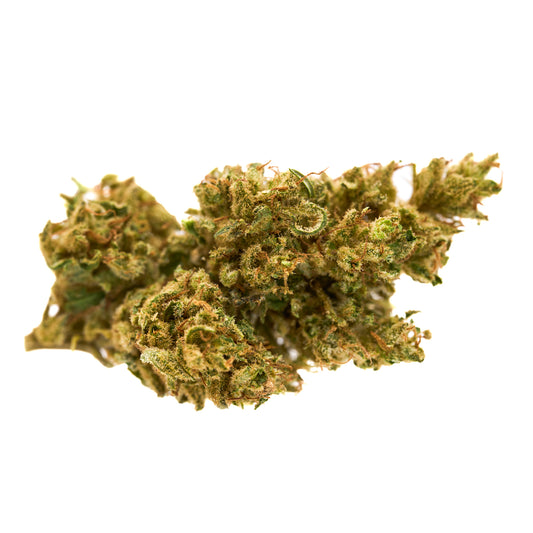
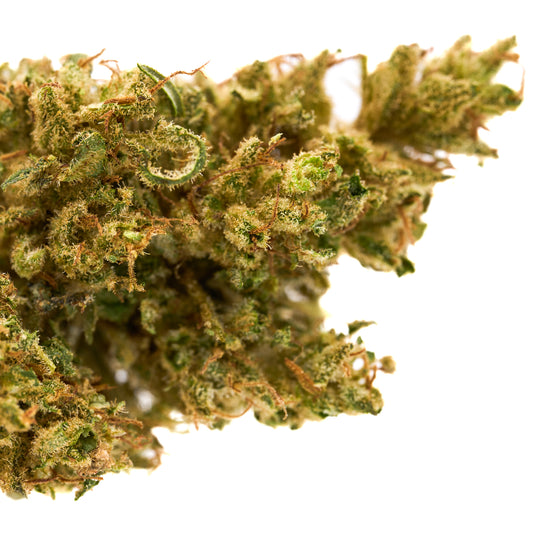
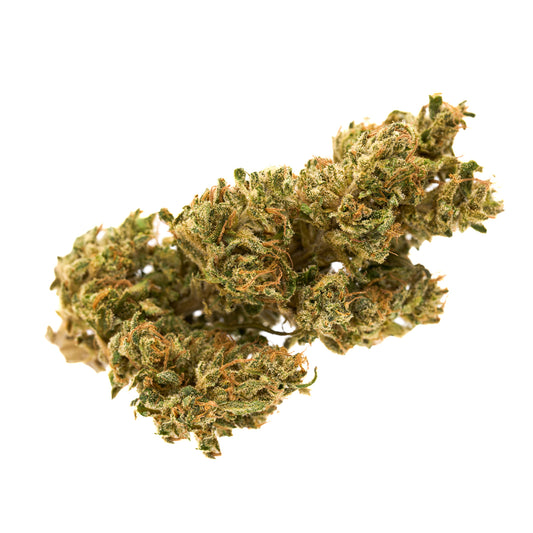
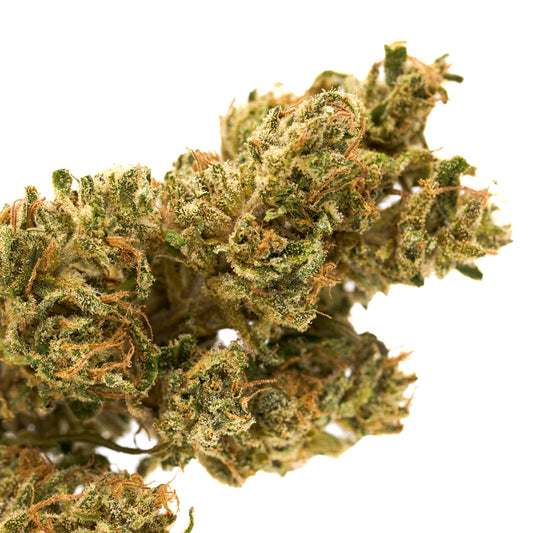
3. Appearance and Bud Structure Dense, dark, heavily frosted buds with compact structure typically signal indica genetics. Lighter, airier buds with elongated structure and more visible pistil coloration often lean sativa. Hybrids can fall anywhere on this spectrum. This isn't a perfect indicator, but it's a useful visual reference when evaluating flower quality.
4. Certificate of Analysis (COA) Any reputable vendor offering legal THCA flower should provide a third-party laboratory COA — ideally from an ISO 17025-accredited lab — confirming cannabinoid content, terpene percentages, and delta-9 THC compliance with the 0.3% Farm Bill threshold. If a vendor can't produce a current COA, keep shopping.
Common Questions About Indica vs Sativa vs Hybrid
Q: Is indica always sedating? Not necessarily. While indica-leaning strains are commonly associated with relaxation and sleepiness, a lot depends on the individual's endocannabinoid system, the specific terpene profile, the dosage, and the setting. Some users find certain indica strains deeply relaxing without being sleep-inducing, especially at moderate doses. Myrcene content is often the more reliable predictor of sedation than the indica label alone.
Q: Can sativa make you anxious? Some users do report that high-THCA pure sativa strains increase anxiety or racing thoughts — particularly those who are sensitive to THC or who take higher doses. Terpenes like limonene can be stimulating to the point of overstimulation in susceptible individuals. Sativa-dominant hybrids with CBD or calming terpenes like linalool tend to mitigate this effect and are often a better fit for anxiety-prone consumers who still want the energizing sativa profile.
Q: What's the best hybrid ratio for a beginner? For new consumers, a balanced or slight indica-dominant hybrid (55–60% indica) is often the most approachable starting point. It delivers noticeable effects without the full intensity of either pure category. Start with lower THCA percentages and increase gradually as you learn your tolerance and preferences.
Q: Are all modern strains hybrids? Essentially, yes. Most strains commercially available today have been crossbred multiple times across generations, making them hybrids by genetics even when they're sold under a pure indica or sativa label. The labels increasingly describe expected effect profiles and terpene characteristics rather than pure genetic lineage. Only true landrace strains — preserved cultivars from their regions of origin — can genuinely claim to be non-hybrid.
Q: Is THCA flower the same as regular cannabis when it comes to indica/sativa/hybrid categories? Yes. The indica vs sativa vs hybrid classification system applies to the genetics, terpene profiles, and plant characteristics of the strain — not to which specific cannabinoid is being highlighted in the product label. THCA hemp flower carries all the same strain characteristics as its traditional cannabis counterparts. Shopping by category works the same way.
Q: Does the growing method — indoor, greenhouse, outdoor — affect whether an indica is actually indica? The growing environment affects potency, terpene expression, and bud quality, but not the fundamental strain classification. An indoor-grown indica will produce more uniform, terpene-rich, visually appealing buds compared to an outdoor-grown version of the same strain, but both will carry the same genetic expression and general effect profile. For top-shelf quality and maximum terpene preservation, indoor-grown THCA flower typically leads.
Final Thoughts: Use the Map, Then Explore the Territory
The indica vs sativa vs hybrid debate is one of the most enduring conversations in cannabis culture — and for good reason. These categories give consumers a useful starting point, even if the underlying science tells a more nuanced story. The real driver of your experience is the full chemical profile of the strain: terpenes, cannabinoids, and their interactions with your unique biology.
The smartest approach is to use the indica/sativa/hybrid framework as your first filter, then dive into specific terpene profiles and THCA percentages for more precise selection. Pair that with a verified COA and a reputable source, and you've got everything you need to make an informed purchase. Over time, you'll build a personal catalog of strains that work for your specific needs — and that personal discovery is really what hemp exploration is all about.
Whether you're reaching for body-melting relaxation at the end of a hard week, looking for a creative spark on a slow afternoon, or hunting for that perfect balanced hybrid that fits every occasion, the right strain is out there. The categories just help you find it faster.
Ready to explore? Browse our full collection of THCA flower strains — indica, sativa, and hybrid — all grown in Oregon, third-party lab tested, and Farm Bill compliant. Whether you're looking to buy THCA flower online for the first time or you're a seasoned consumer ready to discover your next favorite strain, our catalog has the selection, the transparency, and the quality to deliver.
