





THCA Trim for Edibles: What You Need to Know Before You Cook

If you've ever looked at a pile of trim after a harvest and wondered whether it was worth saving, the answer is yes — especially if you cook. THCA trim for edibles is one of the most underrated applications in hemp-infused cooking, and once you understand how to work with it, you'll never look at trim the same way again.
Most home cooks default to whole flower when making infused butters and oils. That's fine. But whole flower is also the most expensive part of the plant, and for something that gets strained out and discarded at the end of the process, it's not always the most practical choice. Trim — the leaves, small sugar leaf clippings, and other material removed during the trimming process — contains cannabinoids and terpenes in meaningful amounts, and at a significantly lower cost per gram than flower.
This guide covers everything you need to know before you start cooking with trim: the science behind decarboxylation, the best infusion methods, how to manage flavor, and how to approach dosing so your edibles are consistent and predictable.
What Is THCA Trim, and Why Should You Cook With It?
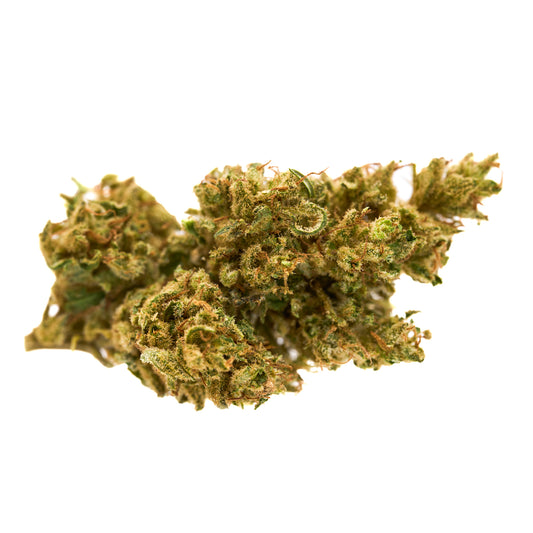
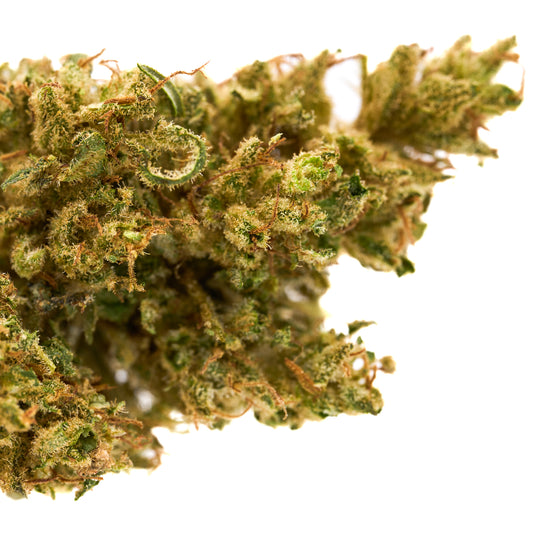
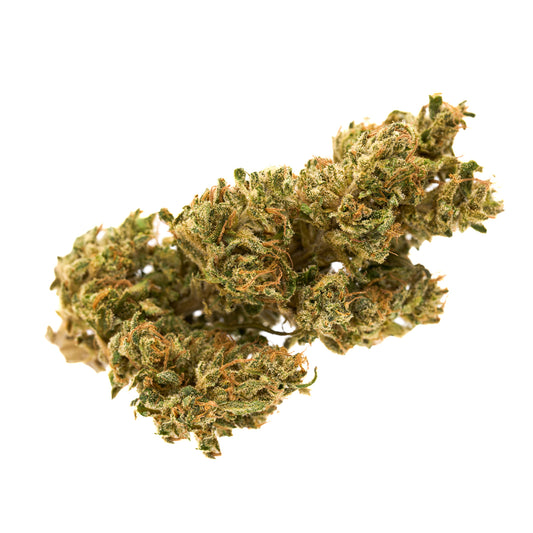
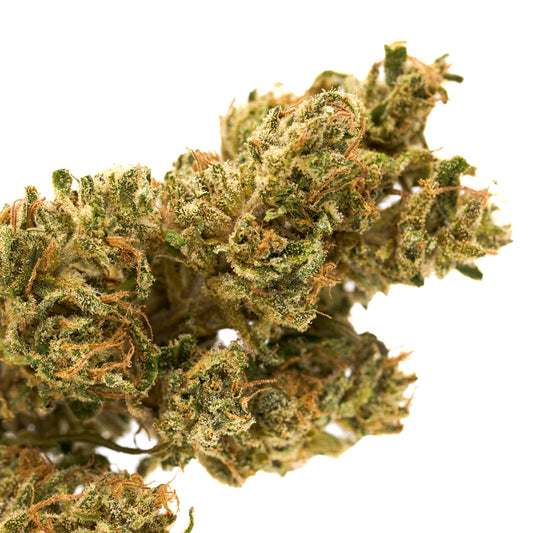
Trim is the material removed when cannabis or hemp flower is manicured after harvest. It includes sugar leaves — the small leaves that grow closest to the buds and are often coated in trichomes — as well as larger fan leaves and miscellaneous plant material that doesn't make the cut for flower product.
Sugar leaf trim is the most valuable type for cooking with THCA trim because it retains a significant percentage of the trichomes and therefore the cannabinoid content of the plant. Fan leaf trim is less potent and produces a grassier infusion. When sourcing trim for edibles, look specifically for sugar leaf trim with a COA (certificate of analysis) that shows THCA percentage — ideally 8% or higher.
The case for trim over flower comes down to three things:
Cost per milligram of cannabinoid. Trim is typically priced at 40–60% less than comparable flower. When you're making a batch of cannabutter that uses 10–14 grams of material, that price difference adds up quickly.
Dosing forgiveness. Lower potency means a smaller margin of error. If you're slightly off on your measurement, the swing in final potency per serving is smaller than it would be with high-THCA flower.
Flavor neutrality. The grassy, chlorophyll-heavy flavor that makes trim unpleasant for smoking almost entirely disappears during fat infusion. The plant material gets strained out, and the cannabinoids bind to your fat. The end product — properly made — tastes like butter or coconut oil, not lawn clippings.

The Most Important Concept: Decarboxylation
Before we talk methods, we need to spend real time on this, because it's the step most beginners either skip or get wrong.
THCA — tetrahydrocannabinolic acid — is the raw, acidic precursor to delta-9 THC that exists naturally in hemp and cannabis plants. In its native state, THCA is non-intoxicating. It won't produce the psychoactive effects associated with THC. This is why you can eat raw hemp flower and feel nothing beyond the physical effects of plant fiber.
The process of converting THCA into delta-9 THC is called decarboxylation — "decarbing" in everyday use. It works like this: when you apply heat to THCA, a carboxyl group (COOH) is removed from the molecule, releasing carbon dioxide and converting the compound into the active, intoxicating form of THC. This happens instantly when you smoke or vaporize hemp, because combustion and vaporization temperatures far exceed the threshold needed for conversion.
For edibles, this conversion doesn't happen automatically in the oven or on the stovetop. Most baking and cooking temperatures are either too low, too short in duration, or both to fully decarboxylate trim before it's consumed. If you skip decarbing your trim, your edibles will likely have minimal psychoactive effect — not because the THCA isn't there, but because it was never activated.
How to Decarb THCA Trim for Edibles
How to decarb THCA trim for edibles is simpler than most people expect. Here's the process:
- Preheat your oven to 240°F (115°C). Use a standalone oven thermometer — not your oven's built-in display. Most home ovens run 15–25 degrees hotter or cooler than they indicate, and precision matters here. Too hot and you'll degrade cannabinoids and terpenes. Too cool and decarboxylation will be incomplete.
- Loosely break up your trim. You don't need to grind it into powder, but clumps should be broken apart so heat distributes evenly. You want a relatively consistent surface area across all the material.
- Spread in a thin, even layer on a rimmed baking sheet lined with parchment paper. The parchment prevents sticking and makes cleanup easy. The rim catches any material that shifts.
- Bake for 40–60 minutes. At 240°F, 45 minutes is a reliable target. The trim should shift from green toward a golden-brown color and will produce a noticeable herbal aroma. Don't panic — that's normal and expected.
- Cool completely before handling. Hot decarboxylated trim is fragile. Let it cool to room temperature before transferring it to your infusion setup.
At this temperature and duration, THCA-to-THC conversion is highly efficient — generally in the 80–95% range under controlled conditions. The remaining question is infusion efficiency, which we'll cover below.
One important note: if you're specifically interested in THCA's non-intoxicating properties — some consumers use it for its potential anti-inflammatory effects in raw form — skip the decarb step. A low-temperature fat infusion (below 200°F) will not decarboxylate significant amounts of THCA, so you can make an infused oil that preserves the raw acidic cannabinoid. Just understand that the result will not be psychoactive.
Method 1: THCA Trim Cannabutter
THCA trim cannabutter is the most versatile infused fat you can make. Butter integrates seamlessly into baked goods, sauces, sautéed vegetables, pasta, mashed potatoes — essentially anything that calls for butter in the original recipe. It's the standard starting point for most home edible cooks, and for good reason.
What you'll need:
- 1 cup (2 sticks / 227g) unsalted butter
- 7–14 grams decarboxylated THCA trim (see dosing section for guidance)
- Fine mesh strainer lined with cheesecloth
- Slow cooker or heavy-bottomed saucepan
- Candy or probe thermometer
- Glass storage container with lid
Process:
- Melt butter in your slow cooker or saucepan over low heat. You're aiming for 160–180°F — warm enough to infuse efficiently, cool enough to preserve cannabinoids. Do not let the butter boil. Boiling temperatures (212°F+) will degrade THC and produce a harsher, less effective product.
- Add your decarboxylated trim to the melted butter. Stir to combine and ensure the plant material is fully submerged.
- Maintain low heat for 2–4 hours, stirring every 30 minutes. The mixture should simmer gently with small bubbles visible at the surface — not a rolling boil. A slow cooker on its lowest setting is ideal for this because it holds temperature consistently without requiring constant attention.
- After your infusion time, remove from heat and allow to cool for 10–15 minutes before straining.
- Set your cheesecloth-lined strainer over a clean bowl or container. Pour the butter mixture through. Use a spoon or spatula to press the plant material gently — but don't squeeze aggressively, as this can force more chlorophyll into the butter and increase grassy flavor.
- Transfer the strained butter to a glass container and refrigerate until solid. You may notice a small amount of water at the bottom — this is normal. Drain it off before using the butter.
Your cannabutter is ready. Store it in the refrigerator for up to four weeks, or freeze it in portions for up to six months.
Method 2: THCA Trim Infused Oil
THCA trim infused oil is the preferred format for certain applications — particularly vegan recipes, high-heat cooking, capsule filling, or any use case where butter isn't appropriate. Coconut oil is the top choice for trim infusions because its high saturated fat content makes it an exceptionally efficient cannabinoid carrier. Olive oil is a good alternative for savory applications. Avocado oil works well for high-heat uses.
The process for making edibles with hemp trim using oil mirrors the cannabutter method:
- Measure 1 cup of coconut oil into your slow cooker or saucepan. If using solid coconut oil, let it melt before adding the trim.
- Add 7–14 grams of decarboxylated trim.
- Infuse at 160–180°F for 2–4 hours, stirring occasionally.
- Strain through cheesecloth into a glass jar.
Coconut oil infusions can be stored at room temperature in cooler climates or refrigerated for longer shelf life. In liquid form at room temperature, they're easy to measure and incorporate into recipes. In solid form when chilled, they behave much like coconut oil does normally — melting quickly when introduced to heat.
Method 3: Sous Vide Trim Infusion
Sous vide has become the preferred infusion method for precision-conscious home cooks, and for good reason. It's the most consistent approach available outside of a commercial extraction setup.
Sous vide (French for "under vacuum") uses a water bath held at an exact temperature by a precision immersion circulator. Because the temperature never fluctuates, you eliminate the risk of accidental overheating, which can degrade THC and reduce the potency of your final product. The sealed bag also traps terpenes that would otherwise evaporate during open-pot infusions.
Process:
- Decarboxylate THCA trim using the oven method above.
- Combine decarboxylated trim and your measured butter or oil in a vacuum-seal bag or a heavy-duty zip-lock bag. If using zip-lock, use the water displacement method: submerge the open bag slowly in water, letting the pressure push air out, then seal it just at the waterline.
- Set your immersion circulator to 185°F (85°C).
- Submerge the sealed bag and clip it to the side of the vessel to prevent it from floating.
- Infuse for 2–4 hours. Longer times (up to 4 hours) extract more efficiently but also introduce slightly more plant material into the fat — experiment to find your preference.
- Remove the bag, allow it to cool until it's safe to handle, then strain through cheesecloth into your storage container.
Sous vide is particularly well-suited for hemp trim edibles if you're making multiple batches, because you can run several bags simultaneously in the same water bath. The consistency between batches is exceptional compared to stovetop methods.

Flavor Management: Getting Rid of the Green
Even after straining, some infused butters and oils retain a noticeable herbal or grassy flavor. For strongly flavored recipes — brownies, cookies, spicy dishes, anything with garlic or citrus — this is rarely an issue. For lighter applications, it's worth taking extra steps to clean up the flavor.
Clarifying your cannabutter. After the infused butter has solidified, gently remelt it and pass it through a coffee filter into a clean container. This removes more plant particles and significantly reduces the green note. It takes longer to filter than cheesecloth but produces a noticeably cleaner result.
Cold-water washing. This is the most effective technique for removing chlorophyll from infused butter. Melt your cannabutter, add an equal volume of cold water, and refrigerate overnight. As the butter resolidifies on top, impurities including chlorophyll will leach into the water below. Pour off the water. Repeat 2–3 times for a progressively cleaner product. Note that some potency may be lost in this process, so factor that into your dosing.
Recipe selection. Chocolate, coffee, strong spices, citrus zest, miso, and strong savory flavors all mask residual hemp flavor effectively. If you're new to THCA edibles from trim, starting with a dark chocolate brownie recipe is a smart move — the bitterness of good chocolate is one of the most effective flavor masks available.
Dosing Your Trim Edibles
Dosing is where most home cooks make mistakes — usually by underestimating potency, eating more, and then experiencing more than they bargained for. A methodical approach prevents that.
Start with your COA. Any quality THCA trim cooking guide will tell you the same thing: always begin with lab-verified numbers, not guesses. Your trim's COA will list THCA percentage. Here's how to use it:
Step 1: Calculate total THCA in your trim.
Grams of trim × THCA% × 10 = total milligrams of THCA
Example: 10 grams of trim at 12% THCA = 10 × 12 × 10 = 1,200mg THCA
Step 2: Convert THCA to delta-9 THC equivalent.
Multiply by 0.877 (the molecular weight conversion factor — when THCA loses the carboxyl group, the resulting THC molecule is about 12% lighter).
1,200mg × 0.877 = 1,052mg potential THC
Step 3: Apply infusion efficiency.
No infusion process extracts 100% of available cannabinoids. Home infusion methods typically run 60–80% efficient. Use a conservative 65% estimate:
1,052mg × 0.65 = 684mg THC in your final batch
Step 4: Calculate per-serving dose.
If your batch of cannabutter weighs 200 grams total, that's approximately 3.4mg THC per gram of butter.
A standard cookie recipe using 1/2 cup (113g) of butter and yielding 24 cookies means each cookie contains roughly (113 × 3.4) ÷ 24 = about 16mg THC per cookie.
For first-time or infrequent edible users, 5–10mg is a standard starting dose. For experienced users, 10–25mg is more typical. Start lower than you think you need to. Edibles take 45 minutes to 2 hours to take full effect, and the experience is both stronger and longer-lasting than inhaled consumption — often 4–8 hours in duration. Never redose before the full onset window has passed.
Storage and Shelf Life
Proper storage protects both potency and food safety.
Refrigerator: Infused butter and oil keep well for 3–4 weeks when stored in airtight glass containers. Keep them toward the back of the fridge where temperatures are most stable.
Freezer: For longer storage, freeze infused butter in small portions — ice cube trays work perfectly. Frozen cannabutter keeps for up to 6 months with minimal cannabinoid degradation.
Light and heat are enemies. Both accelerate THC degradation. Dark glass containers (amber or cobalt) are ideal. Never store infused products in clear plastic on a sunny countertop.
Label everything clearly. This is non-negotiable. Use masking tape and a marker: write the estimated potency per gram, the date of production, and the contents. Clearly labeled infused fats prevent accidents and help you track potency across batches.
Frequently Asked Questions
Can I use fan leaf trim instead of sugar leaf trim?
Yes, but manage your expectations. Fan leaves contain significantly fewer trichomes than sugar leaves and will produce a less potent infusion. You'll need to use more material to achieve the same effect, and the flavor will be grassier. Sugar leaf trim is strongly preferred for edible production.
Does trim need to be decarbed before every infusion method?
Yes, for any infusion intended to be psychoactive. The temperatures used in slow cooker, stovetop, and sous vide infusions are not sufficient to fully decarboxylate THCA. Always decarb first as a separate step.
Can I skip decarbing if I'm going to bake the edibles at high temperature?
Theoretically possible, but unreliable in practice. Baking temperatures vary throughout an oven, and the time most baked goods spend at temperature isn't controlled specifically for decarboxylation. You'll get inconsistent results. Decarbing separately first takes 45 minutes and guarantees the job is done.
My edibles didn't work — what went wrong?
The most common causes: skipped or incomplete decarboxylation, infusion temperature too low, infusion time too short, or trim with a low starting THCA percentage. Start by verifying your trim's COA and checking that your oven thermometer reads accurately at 240°F.
Can I make gummies or candies with trim-infused oil?
Yes, oil-based infusions work well in gummies when used with lecithin (which helps fat and water bind together) and combined with a gelatin or pectin base. This is a more advanced application — start with baked goods to dial in your process before moving to confections.
How do I know if my trim is good quality for edibles?
Look for trim that comes with a full-panel COA from an ISO 17025-accredited lab. The THCA percentage tells you the cannabinoid content; the terpene panel (if available) gives you a sense of the flavor profile; the contaminant panels (pesticides, heavy metals, mycotoxins) confirm that it's safe to consume. Don't cook with untested trim.
What's the best fat for trim infusions — butter or oil?
Both work well. Butter produces the most versatile infusion for baking and cooking, and the flavor profile tends to be more pleasant in most applications. Coconut oil is superior for absorption efficiency due to its saturated fat content and is the better choice for capsule filling or vegan recipes. Olive oil works well for savory applications. If you're uncertain, start with butter.
Will cooking with trim make my kitchen smell?
Yes. Decarboxylation and infusion both produce noticeable cannabis/hemp aromas. Run a kitchen exhaust fan during the entire process and consider leaving windows open. The smell dissipates within a few hours of the process finishing.
Can I reuse the strained trim?
A second infusion with used trim will yield some additional cannabinoids — how much depends on how efficiently the first infusion extracted. Most experienced cooks find that a second pass yields a noticeably weaker product. It's not a dramatic efficiency gain, but if you're cost-conscious and the material is going to waste anyway, a second infusion costs you nothing but time.
Final Thoughts
Cooking with THCA trim rewards patience and precision. The process itself is straightforward — decarb, infuse, strain, dose, store — but each step matters. A careful approach to temperature during decarb, consistency in infusion time, and methodical dosing math are what separate reliably dosed, great-tasting edibles from the disappointing batches that left your trim in a drawer.
The real advantage of trim becomes clear once you've made your first batch. You spend less. You waste less. You get a versatile product that integrates into any recipe. And because trim's lower per-gram potency gives you a wider margin for error, the learning curve is genuinely more forgiving than cooking with high-THCA flower.
Start with cannabutter. Keep your decarb temperature precise. Dose conservatively until you understand how your body responds. And for anyone who's ever looked at trim as a throwaway byproduct of the hemp plant — welcome to a better way to think about it.
