



Indoor vs Outdoor THCA Flower: Does Grow Method Really Affect Potency?

Walk into any hemp retailer or browse any online shop carrying indoor vs outdoor THCA flower, and you'll immediately notice the labels. Indoor. Outdoor. Greenhouse. Sun-grown. Small-batch craft. These terms are everywhere — and for good reason. Where and how a hemp plant grows has a measurable impact on the final product sitting in your jar.
But here's where it gets complicated: the hemp industry has adopted a simple hierarchy that doesn't always hold up under scrutiny. Indoor equals premium. Outdoor equals budget. Greenhouse sits somewhere in the middle. That framework is a useful starting point, but it flattens a much more interesting and nuanced reality.
The truth is that THCA flower cultivation method is one of several variables that shape potency, terpene expression, bag appeal, and overall experience — not the only variable, and not always the most important one. A masterfully grown outdoor crop can outperform a poorly managed indoor run. A high-tech greenhouse can rival indoor in both potency and aesthetics. And a stunning-looking indoor nug can disappoint on flavor if the cultivation or cure was rushed.
This guide breaks down exactly how grow environment shapes THCA flower, where the real quality differences lie, and how to make smart purchasing decisions based on what actually matters — not just where the plant spent its life.
What Is THCA and Why Does Grow Environment Matter?
Before we compare cultivation methods, it's worth briefly establishing why the growing environment affects THCA content in the first place.
THCA (tetrahydrocannabinolic acid) is the raw, non-psychoactive precursor to THC found in living and freshly harvested cannabis and hemp plants. Unlike THC, THCA doesn't produce intoxication unless it's decarboxylated through heat — which converts THCA to active THC. Under federal law, hemp must contain no more than 0.3% Delta-9 THC by dry weight, but THCA itself isn't capped under the 2018 Farm Bill, which is what makes high-THCA hemp legal and commercially significant.
THCA is produced in the plant's trichomes — the resinous glands that coat the flowers, sugar leaves, and upper stem tissue. The plant synthesizes THCA as part of a complex biochemical pathway that converts precursor acids (CBGA → THCA) inside the trichome heads. This synthesis process is influenced by:
- Light intensity and spectrum: Higher-intensity light drives greater photosynthesis and, downstream, more cannabinoid production. UV light exposure in particular appears to stimulate resin and trichome development as a protective response.
- Temperature and humidity: Optimal temperature ranges during flowering (typically 68–78°F) and controlled humidity protect trichome integrity and promote cannabinoid accumulation.
- Nutrient delivery: Precise phosphorus and potassium availability during late flowering supports cannabinoid and terpene synthesis.
- Stress responses: Controlled environmental stressors at specific growth stages can increase terpene and resin production.
- Genetics: Underlying genetics set the upper ceiling on THCA potential regardless of environment.
Understanding this biochemistry explains why grow environment has such a direct impact on final indoor THCA flower potency and why different cultivation settings produce systematically different results.

Indoor THCA Flower: The Controlled Environment Premium
How Indoor Cultivation Works
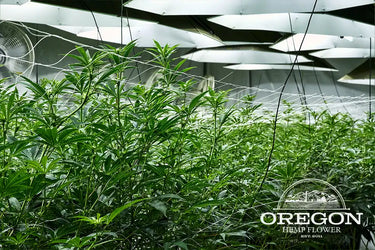
Indoor hemp cultivation means growing plants entirely inside a controlled environment — typically a warehouse, converted building, or purpose-built grow facility — using artificial lighting, HVAC systems, CO2 supplementation, and precision irrigation. Everything the plant receives, from light to water to airflow, is engineered by the cultivator.
Modern indoor THCA hemp operations use LED lighting systems capable of delivering highly specific light spectrums across the entire photosynthetically active range, with the ability to introduce UV and far-red wavelengths at targeted growth stages. Climate control maintains temperature and humidity within tight parameters throughout the grow cycle. CO2 levels are often supplemented to 1,200–1,500 ppm — significantly above ambient levels — to accelerate photosynthesis and biomass development. Nutrient delivery is typically handled through hydroponic, coco, or precision soil systems that allow the cultivator to adjust macro and micronutrient ratios in real time based on plant response.
What Indoor Cultivation Does Well
Consistent, high potency. The defining advantage of indoor cultivation is the combination of conditions that push indoor THCA flower potency to its ceiling. High-intensity lighting drives vigorous trichome development. Stable temperature and humidity during the critical final weeks of flowering protect those trichomes from degradation. This is why the most potent THCA hemp flower on the market — routinely testing at 22–30% THCA and occasionally above — comes from indoor cultivation. The controlled environment allows genetics to fully express their cannabinoid potential in a way that outdoor conditions rarely permit.
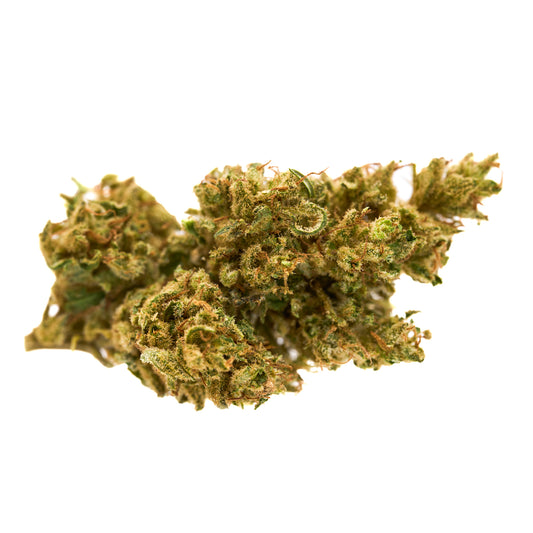
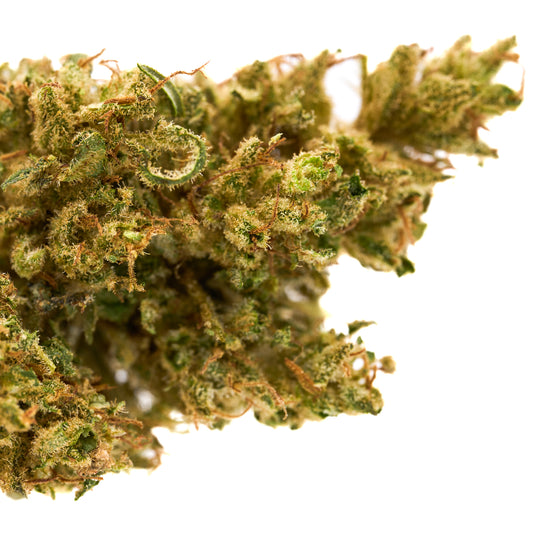
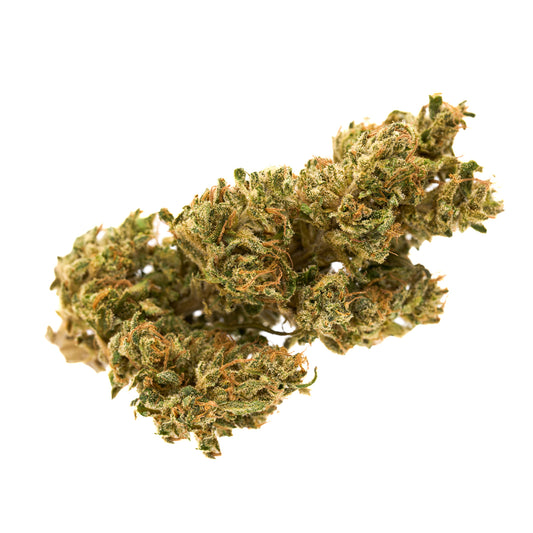
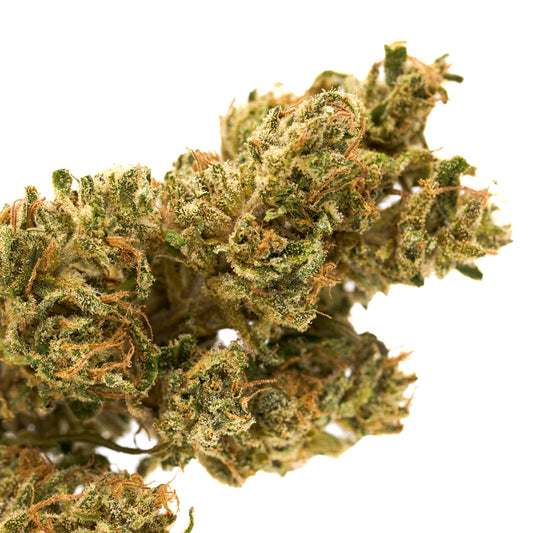
Superior bag appeal. Indoor flower is visually distinct. Dense, compact bud structure. Heavy trichome coverage that glitters under light. Vibrant color expression in purples, greens, and oranges. Pristine trim. This isn't just cosmetic — dense, well-formed buds with intact trichomes reflect a plant that was able to fully complete its floral development without environmental disruption. The visual quality of premium indoor THCA hemp is genuinely comparable to top-shelf dispensary cannabis.
Rich terpene profiles. Skilled indoor cultivators manipulate late-flowering conditions — modest temperature drops, humidity adjustments, light spectrum shifts — to maximize terpene production. The most aromatically complex and flavorful THCA flower on the market comes from indoor grows where terpene optimization is treated as seriously as cannabinoid content. Terpene percentages in premium indoor flower often range from 2–4% total, with complex profiles spanning myrcene, limonene, caryophyllene, linalool, terpinolene, and dozens of minor compounds.
Year-round consistency. Indoor grows aren't bound by season. Operations can run continuous cultivation cycles year-round, ensuring consistent availability of specific strains and batch-to-batch quality control that outdoor growing can never match.
The Real Limitations of Indoor
Price. Indoor cultivation is expensive to operate. Commercial-grade LED systems, HVAC infrastructure, electrical costs, CO2 supplementation, and higher labor requirements all contribute to production costs that are dramatically higher than outdoor growing. These costs are passed through to the consumer. Quality indoor THCA flower typically retails at $12–$20+ per gram, and premium exotic strains can exceed that range. At wholesale, indoor pricing reflects the same cost structure.
Environmental cost. Indoor cultivation is energy-intensive. Electricity consumption for lighting and climate control, water usage, and packaging represent a meaningfully larger carbon footprint than sun-grown alternatives — a consideration for environmentally conscious consumers.
Diminishing returns. The potency and quality ceiling of indoor cultivation is genuinely high, but there's a point past which the price premium no longer reflects a meaningfully different experience. An indoor flower at 28% THCA and an indoor flower at 24% THCA are not producing dramatically different experiences for most consumers.
Outdoor THCA Flower: Sun-Grown and Built for Scale
How Outdoor Cultivation Works
Outdoor THCA flower quality begins with nature's most powerful resource: the sun. Outdoor hemp cultivation grows plants in natural soil under direct sunlight, with the cultivator's role focused on site selection, soil preparation, genetics selection, pest and disease management, and harvest timing rather than environmental control.
Hemp grown outdoors in optimal climates — the Pacific Northwest, California, Colorado, and parts of the Southeast — benefits from full-spectrum natural sunlight across the entire growing season. Plants grow to their natural size, often reaching 6–10+ feet in height and producing significantly more biomass per plant than indoor cultivation allows. Soil microbiome complexity, the interaction of natural root systems with living soil organisms, and seasonal environmental variation all play roles in shaping the plant's development.
What Outdoor Cultivation Does Well
Affordability at every level. The most significant and undeniable advantage of outdoor hemp cultivation is price. Sun is free. Natural soil is a fraction of the cost of engineered growing media. Scale is achievable across acres rather than square footage. Labor and overhead are dramatically lower than controlled environment operations. The result is outdoor hemp flower quality that costs 30–60% less per gram than comparable indoor material — both at retail and wholesale. For budget-conscious consumers and wholesale buyers sourcing large quantities, outdoor-grown THCA hemp represents an entirely different value proposition.
Massive scale potential. Outdoor cultivation is the engine of the bulk hemp industry. An acre of outdoor hemp can produce hundreds of pounds of harvested flower, volumes that no indoor operation can economically replicate. This makes outdoor-grown material the dominant source of wholesale hemp supply.
Unique terpene character. A growing school of thought in cannabis cultivation holds that outdoor-grown plants express genuinely distinct terpene profiles shaped by natural environmental variation — soil microbiome complexity, seasonal temperature cycling, natural stress responses, and full-spectrum sunlight exposure that no artificial system fully replicates. Some of the most flavorful and characterful hemp flower comes from small-batch outdoor craft grows where cultivators prioritize terpene expression and whole-plant health.
Lower environmental impact. Sun-grown hemp is dramatically more sustainable than energy-intensive indoor cultivation. For consumers and brands with sustainability priorities, outdoor cultivation is the clear choice.
The Honest Limitations of Outdoor
Lower average THCA percentages. This is the most concrete quality gap between indoor and outdoor production. Sun-grown hemp typically produces THCA in the 12–20% range, below what indoor cultivation routinely achieves. The reasons are real: outdoor light intensity and spectrum can't match optimized artificial lighting in the critical late-flowering weeks, and outdoor temperature and humidity fluctuations during the harvest window can degrade trichomes.
Visual quality gap. Outdoor buds are typically less dense, less uniformly shaped, and less trichome-heavy than indoor material. Rain, wind, temperature swings, and the natural growth habit of field-grown plants produce flower that simply doesn't look as impressive in the jar — even when the actual experience it delivers is solid.
Seasonal limitations. One outdoor harvest per year in most climates means supply constraints and less ability to source specific strains year-round.

Greenhouse THCA Flower: The Value Sweet Spot
How Greenhouse Cultivation Works
Greenhouse THCA flower occupies the productive middle ground between full outdoor exposure and fully controlled indoor environments. A greenhouse uses natural sunlight as its primary light source while the structure itself provides protection from weather, allows temperature and humidity to be partially managed, and enables more controlled irrigation and pest management than open-field growing.
Greenhouse operations range enormously in sophistication. Basic hoop-house structures provide rain protection and modest climate buffering. Mid-tier glass or polycarbonate greenhouses with shade cloth systems, ventilation management, and precision irrigation deliver meaningfully more control. High-end commercial greenhouse facilities with supplemental LED lighting, CO2 enrichment, and automated climate management can approach indoor growing conditions while retaining the cost efficiency of natural light.
Why Greenhouse Often Wins on Value
The quality-to-price ratio. Greenhouse THCA flower routinely tests at 18–26% THCA — above average outdoor, within striking distance of indoor, and at pricing typically 20–40% below comparable indoor material. For the majority of consumers who aren't seeking the absolute ceiling of potency and are price-sensitive, greenhouse represents the most intelligent value proposition in the best THCA flower grow method conversation.
Better environmental control than outdoor. Even basic greenhouse structures deliver meaningful advantages over full outdoor growing: rain protection that preserves trichome integrity during the harvest window, improved humidity management that reduces mold risk, and better pest pressure management. More sophisticated facilities narrow the gap with indoor considerably.
Multiple annual cycles. Unlike outdoor growing, greenhouse operations can run multiple production cycles per year in many climates — especially with light deprivation techniques that allow flowering to be triggered on demand. This improves supply consistency and allows year-round availability of specific genetics.
Improving rapidly. Greenhouse cultivation technology is advancing quickly. The quality ceiling of well-run greenhouse operations is higher today than it was three years ago, and the gap with top indoor is closing in ways that favor greenhouse as the long-term efficiency winner for THCA flower cultivation.
Does Grow Method Actually Determine Quality? The Honest Answer
Here's where we have to push back on a simplistic narrative: grow method predicts tendencies, not guarantees.
The does grow method affect THCA potency question has a definitive answer — yes, it does, in systematic and predictable ways. But it doesn't determine quality absolutely or independently.
Consider these realities:
- A poorly managed indoor grow with suboptimal lighting, rushed harvest timing, improper curing, or nutrient stress can produce flower that underperforms a well-run outdoor crop in both potency and terpene profile.
- A skilled craft outdoor cultivator giving intensive attention to individual plants, optimizing soil health, timing harvest with precision, and executing a careful hang-dry and cure can produce flower that competes with mid-tier indoor in flavor and effect.
- Genetic ceiling matters enormously. A top-shelf exotic strain grown outdoors will typically test higher and express better terpenes than a mediocre genetic grown indoors under perfect conditions.
- Post-harvest handling is often underrated. The best-grown flower in the world can be ruined by poor drying, over-aggressive machine trimming, improper storage, or extended time in sub-optimal conditions before reaching the consumer.
What grow method reliably predicts as tendencies:
| Variable | Indoor | Greenhouse | Outdoor |
|---|---|---|---|
| Average THCA % | 22–30%+ | 18–26% | 12–20% |
| Visual appeal | Highest | Good | Variable |
| Terpene complexity | Very high | High | Variable, can be unique |
| Price per gram | $12–20+ | $8–14 | $5–10 |
| Consistency | Highest | Good | Most variable |
| Sustainability | Lowest | Middle | Highest |
| Wholesale scale | Limited | Moderate | Highest |
Indoor Hemp Flower vs. Outdoor: What Buyers Actually Need to Know
The indoor hemp flower vs outdoor decision comes down to what you're actually optimizing for. Here's a straightforward framework:
Choose indoor if: You want the highest potency, best visual quality, most consistent experience, and are willing to pay the premium for it. Indoor is the right choice for consumers who prioritize top-shelf experience above all else.
Choose outdoor if: You're buying in volume, working with a budget, or specifically value sustainability and sun-grown character. Outdoor is also the right choice for buyers who understand that the experience gap between quality outdoor and indoor is smaller than the price gap suggests.
Choose greenhouse if: You want a strong balance of potency, quality, and value. Greenhouse is arguably the best THCA flower grow method for buyers who want more than entry-level quality without paying indoor premiums.
What to Look for Beyond the Grow Method Label
Regardless of grow method, these are the factors that actually determine whether a specific batch of THCA flower is worth buying:
Certificate of Analysis (COA). Always look for third-party lab testing showing the actual THCA percentage. Grow method claims are marketing; COA numbers are data. A quality COA will also show terpene panel results, Delta-9 THC compliance, and screening for pesticides and heavy metals. Never buy THCA hemp without reviewing the COA.
Terpene content. Total terpene percentage and specific terpene breakdown tell you more about flavor, aroma, and effect profile than grow method does. Look for total terpenes above 1.5–2% as a baseline quality indicator, and look for the specific terpenes that match your preferred experience.
Harvest and packaging date. Hemp flower is perishable. THCA potency, terpene content, and overall quality all degrade over time, especially without proper storage. Look for product harvested within the past 6–12 months and packaged with humidity control (62% boveda packs or equivalent).
Visual quality. Dense, well-formed buds with visible trichome coverage and vibrant color indicate quality production regardless of grow method. Dry, crumbling, poorly trimmed, or dull-colored flower — regardless of its grow environment — signals problems with harvest timing, curing, or storage.
Brand and farm transparency. Established farms and brands that share their COAs openly, describe their cultivation practices, and have verifiable track records are a better quality signal than grow method claims alone. Look for brands that are specific about their genetics, their growing region, and their post-harvest process.
Frequently Asked Questions
Does indoor THCA flower always have higher potency than outdoor? On average, yes — indoor cultivation consistently produces higher THCA percentages than outdoor growing. But "always" is too strong. Exceptional outdoor genetics under ideal conditions can test comparably to mid-tier indoor. Always check the specific COA rather than relying on grow method alone.
Is outdoor THCA flower lower quality? Not necessarily. Outdoor THCA flower typically has lower average potency and less visual appeal than indoor, but quality outdoor from skilled cultivators can deliver excellent flavor, effect, and value. For wholesale buyers and budget-conscious consumers, quality outdoor is often the smart choice.
What is greenhouse THCA flower and is it worth buying? Greenhouse THCA flower is grown using natural sunlight in a protected structure that allows for partial environmental control. It typically tests between indoor and outdoor in THCA percentage while pricing significantly below comparable indoor. For most consumers, greenhouse represents the best value proposition in THCA hemp.
Does the grow method affect the entourage effect? The entourage effect — the synergistic interaction between cannabinoids, terpenes, and other plant compounds — is influenced by the richness of the full-spectrum terpene and cannabinoid profile, which grow method does affect. Indoor grows tend to produce the most complex terpene profiles, which theoretically supports a richer entourage effect. However, some outdoor advocates argue that the full-spectrum complexity of sun-grown hemp has its own distinct character.
Can outdoor THCA hemp be compliant with the Farm Bill? Yes. Farm Bill compliance requires that hemp contain no more than 0.3% Delta-9 THC by dry weight, regardless of grow method. Outdoor, greenhouse, and indoor hemp can all be fully compliant. Always verify compliance through COA documentation from a licensed hemp operation.
Why is indoor THCA flower so much more expensive? Indoor THCA hemp costs significantly more to produce than outdoor or greenhouse material. Electricity for lighting and climate control, sophisticated growing equipment, higher labor requirements, and lower yield-per-square-foot all contribute to production costs that are 3–5x higher than outdoor growing. These costs flow through to retail pricing.
Does grow method affect THCA degradation over time? Grow method itself doesn't directly affect how quickly THCA degrades post-harvest. Degradation rate is primarily driven by storage conditions (temperature, light exposure, humidity, oxygen exposure) and cure quality. However, indoor flower's typically denser bud structure and trichome coverage may confer modest advantages in preserving potency under identical storage conditions.
What's the best grow method for THCA wholesale buyers? For wholesale buyers focused on value and volume, outdoor and greenhouse-grown THCA hemp typically offer the best cost-per-gram economics. Buyers sourcing for premium retail or direct-to-consumer markets may prioritize indoor. The right answer depends on your customer base, price positioning, and volume requirements.
Conclusion: Grow Method Matters, But It's Not the Whole Story
The indoor vs outdoor THCA flower debate doesn't have a single correct answer — and that's actually good news for consumers. It means there's a high-quality option at every price point and for every use case.
Indoor cultivation consistently delivers the highest potency, best visual quality, and most controlled experience — at a price premium that reflects its production costs. Outdoor cultivation offers the most accessible price point, the best sustainability profile, and a unique character that craft cultivators have always understood. Greenhouse sits between them in ways that are genuinely favorable — combining meaningful potency with efficiency economics that are hard to argue against.
What matters most isn't where the plant grew but how it was grown, harvested, cured, and handled before it reached you. COA verification, terpene analysis, harvest freshness, and brand transparency are all more reliable quality signals than grow environment alone.
Whether you're shopping for personal use or sourcing wholesale for your retail operation, the best THCA flower grow method is ultimately the one that delivers the experience and value you're actually looking for. Explore the full range of outdoor hemp flower quality options and premium indoor hemp flower vs outdoor selections to find what fits your needs — because the best flower is the one that works for you.
