



What Is CBDa? A Wholesale Buyer's Complete Guide to Cannabidiolic Acid

If you're sourcing hemp products at wholesale, you've probably seen "CBDa" on lab reports, product listings, and supplier catalogs — and if you're not entirely sure what it means, you're not alone. CBDa is one of the most misunderstood compounds in the hemp industry, often overshadowed by its more famous relative, CBD. But for wholesale buyers, understanding CBDa isn't just academic. It directly affects how you evaluate product quality, interpret certificates of analysis, and decide what to stock.
The hemp industry has spent years educating consumers about CBD, and that work has paid off — CBD is now a household name. But CBDa? It's still flying under the radar for most buyers, even experienced ones. That's a problem, because CBDa is present in virtually every raw or minimally processed hemp product you'll ever source. It shows up on every COA. It affects shelf life, potency calculations, product positioning, and consumer appeal. If you're buying hemp flower, raw extracts, or cold-pressed oils by the pound, pallet, or case — and you don't have a working understanding of CBDa — you're leaving yourself exposed to sourcing mistakes that cost real money.
This guide breaks down exactly what CBDa is, how it differs from CBD, where it comes from, why it matters for anyone buying hemp products in bulk, and how to use that knowledge to source smarter. Whether you're a dispensary operator, smoke shop owner, wellness retailer, or distributor, this is the CBDa primer you didn't know you needed.
What Does CBDa Stand For? The CBDa Definition Every Buyer Needs
(Target section length: ~400 words)
CBDa meaning starts with the full name: cannabidiolic acid. Cannabidiolic acid is the raw, unheated precursor to CBD. It's one of many hemp cannabinoid acids found naturally in the trichomes of the hemp plant, synthesized alongside other acidic cannabinoids like THCa (tetrahydrocannabinolic acid) and CBGa (cannabigerolic acid).
Here's the core concept that makes CBDa so relevant for wholesale buyers: when hemp is harvested fresh, the plant doesn't naturally contain significant amounts of CBD in its free form. What it contains is CBDa. The conversion from CBDa to CBD happens through a chemical process called decarboxylation — essentially the application of heat, or extended exposure to light and air over time. When you smoke, vape, or heat hemp flower, CBDa rapidly converts to CBD. When raw hemp is processed into oils or extracts without heat, much of the CBDa content remains intact.
Think of it this way: CBDa is the "original" form of the cannabinoid. CBD is what CBDa becomes after it's been activated. The hemp plant does the hard work of producing CBDa through its own biosynthesis. Humans — through processing, smoking, or extraction — are the ones converting it to CBD.
This CBDa definition has practical consequences for every wholesale buying decision you make. It affects:
- How you interpret potency figures on a COA
- Which products naturally contain CBDa and which don't
- How long raw hemp products retain their cannabinoid profile in storage
- How certain product categories should be positioned to end consumers
Understanding the CBDa explained basics isn't just chemistry trivia. It's the foundation for reading lab reports accurately, identifying quality inventory, and recognizing when a supplier's product has degraded, been improperly stored, or mislabeled.
How Is CBDa Produced in the Hemp Plant?
(Target section length: ~350 words)
To really understand what CBDa does and why it matters, it helps to know where it comes from within the plant.
CBDa is synthesized in the hemp plant through a biosynthetic pathway that begins with CBGa — cannabigerolic acid, often called the "mother cannabinoid" because it's the precursor from which all major cannabinoid acids originate. Through specific enzymatic reactions within the plant's trichomes, CBGa converts into one of three primary cannabinoid acids depending on which enzymes are expressed in the plant's genetics:
- CBDa (cannabidiolic acid) — via CBDA synthase
- THCa (tetrahydrocannabinolic acid) — via THCA synthase
- CBCa (cannabichromenic acid) — via CBCA synthase
Hemp strains selectively bred for high CBD output are, by extension, producing high CBDa content before any decarboxylation occurs. This is why the genetics of a hemp cultivar matter so much at the wholesale level. A strain that tests at 20% "total CBD" on a COA is actually producing roughly 20% CBDa in its raw, unprocessed state — and that 20% figure is calculated using the standard industry conversion formula.
The conversion formula every wholesale buyer should know:
CBDa × 0.877 = CBD equivalent
This 0.877 conversion factor accounts for the molecular weight difference between CBDa and CBD. When a COA lists "total CBD," it's typically combining the actual CBD content plus the CBDa content multiplied by 0.877. Understanding this formula helps you compare products accurately and spot COAs that may be presenting numbers in misleading ways.
As a wholesale buyer, this also means you should pay attention to how raw hemp cannabinoids are represented in supplier documentation. A supplier who presents only "CBD" without acknowledging the CBDa contribution may either be working with decarboxylated material or may not understand their own product chemistry — neither of which is a good sign.

CBDa vs CBD: What's the Real Difference for Wholesale Buyers?
(Target section length: ~500 words)
The CBDa vs CBD question is the one most wholesale buyers want answered first, and the answer is more nuanced than a simple molecular comparison. For practical sourcing purposes, the differences come down to four key areas: stability, product application, consumer positioning, and regulatory considerations.
Stability
CBDa is inherently less stable than CBD. It degrades with exposure to heat, UV light, and oxygen — all things that are unavoidable in a real-world wholesale and retail environment. This means:
- CBDa-rich products have shorter effective shelf lives
- Storage conditions (temperature, light exposure, packaging) matter more
- Inventory that sits in a warehouse for months will show lower CBDa content on a retest than it did at the time of purchase
For bulk buyers managing large inventories, this is a material consideration. A pallet of raw hemp flower purchased with 18% CBDa in February may test at a noticeably lower CBDa level by fall if it hasn't been stored properly. Knowing this upfront helps you negotiate better terms, plan inventory turnover rates, and specify storage requirements when onboarding new suppliers.
Product Application
CBDa is primarily found in raw or minimally processed hemp products: raw hemp flower, cold-pressed whole-plant hemp oils, unheated tinctures, and some topicals made with raw extract. CBD, by contrast, is found in virtually all heated or refined products — gummies, vape cartridges, capsules, standard tinctures, and most concentrates.
The product categories you're sourcing will largely determine whether CBDa is relevant to your buying decisions at all. If your focus is on hemp flower and minimally processed goods, CBDa is central to how you evaluate quality. If you're focused on finished edibles or vape products, CBD is more relevant — though CBDa may still appear as a residual compound in some full-spectrum formulations.
Consumer Positioning
Consumer awareness of CBDa is growing but still lags behind CBD. This creates both a challenge and an opportunity for CBDa wholesale buyers. On one hand, products marketed specifically around CBDa content require some consumer education — your retail customers or end consumers may not immediately understand the value proposition. On the other hand, the raw cannabinoid and whole-plant hemp segment is expanding, and buyers who develop CBDa literacy now are positioned ahead of the curve.
Products in the "raw" or "living hemp" category often command premium prices and attract consumers who are actively skeptical of heavily processed formulations. If your retail customers are in health and wellness, functional food, or specialty supplement channels, CBDa-rich products may be worth building into your catalog.
Molecular Distinction
At the molecular level, cannabidiolic acid and CBD differ by a carboxyl group (-COOH) attached to the CBDa molecule. This single structural difference is what makes CBDa thermally unstable and why heat causes the conversion. It also means CBDa and CBD may interact with the body's systems in different ways — though research on CBDa is still early-stage, and no therapeutic claims are approved by the FDA.
CBDa Benefits: What Does the Research Actually Say?
(Target section length: ~350 words)
A quick note before diving in: CBDa benefits as discussed here refer to areas of scientific interest only. CBDa is not approved by the FDA to treat, cure, or prevent any condition, and nothing in this section should be interpreted as a health or medical claim. This is context for wholesale buyers who want to understand how CBDa is being discussed in research and product development circles.
With that said, here's why manufacturers, formulators, and researchers are paying closer attention to CBDa:
5-HT1A receptor interaction: Early laboratory research has examined CBDa's affinity for serotonin receptors, specifically the 5-HT1A receptor, which is involved in mood, nausea response, and anxiety-related pathways. Some researchers consider CBDa more potent in binding to this receptor than CBD in certain in vitro settings — though translating this to real-world product claims requires significantly more clinical evidence.
COX-2 inhibition: CBDa has been studied for its potential interaction with cyclooxygenase-2 (COX-2), an enzyme associated with inflammation responses. This early research has attracted attention from formulators working on topical applications and wellness products.
Whole-plant synergy: Some researchers working in the entourage effect framework suggest that the presence of cannabinoid acids, including CBDa, may contribute to the overall efficacy of full-spectrum hemp extracts — though this remains an area of ongoing debate and research.
For CBDa wholesale buyers, the practical takeaway isn't that CBDa is a miracle compound — it's that CBDa is increasingly on the radar of sophisticated formulators and manufacturers, which translates to growing demand for CBDa-rich raw material at the supplier level. If you're supplying to product developers, understanding the research interest around CBDa helps you anticipate which raw hemp profiles are going to be in demand.
Why Wholesale Buyers Are Paying Attention to CBDa Now
(Target section length: ~350 words)
Interest in CBDa wholesale sourcing has accelerated meaningfully over the past few years, and several converging trends are driving it.
The raw and whole-plant hemp movement: A growing segment of hemp consumers has become skeptical of heavily processed products and is actively seeking raw, minimally refined options. Raw hemp flower, cold-pressed extracts, and "living hemp" products are carving out premium positioning in wellness retail. All of these products retain meaningful raw hemp cannabinoids including CBDa, and their appeal is specifically tied to the preservation of the plant's natural cannabinoid acid profile.
Formulator demand for CBDa-rich raw material: Manufacturers developing raw tinctures, functional food products, and specialty wellness formulations are increasingly specifying CBDa content in their raw material sourcing requirements. As a distributor or wholesale broker, understanding what CBDa is and how to identify it on a COA allows you to serve this segment of the market accurately.
COA literacy is becoming a competitive differentiator: As the hemp market matures, buyers who can read a lab report fluently — including understanding the difference between CBD and CBDa, interpreting conversion calculations, and identifying signs of degradation — are making better sourcing decisions than buyers who rely on price alone. CBDa literacy is part of that broader skill set.
New product category development: Some brands are actively developing CBDa-specific products — raw capsules, unheated oil drops, raw hemp powder — and positioning them as distinct from standard CBD offerings. Wholesale buyers who understand the category are better equipped to evaluate these products, vet the suppliers producing them, and identify the retail contexts where they'll perform.
The bottom line: CBDa is no longer just a footnote on a lab report. It's a real product category driver for a segment of the hemp market that's growing faster than the mainstream CBD market in some retail channels.

How to Read a COA for CBDa Content: A Wholesale Buyer's Checklist
(Target section length: ~450 words)
Reading certificates of analysis accurately is one of the most important skills a wholesale hemp buyer can develop, and what CBDa is on a COA is something every buyer should know how to interpret. Here's what to look for:
1. CBDa as a Line Item
On a properly formatted hemp COA, CBDa will appear as its own line item in the cannabinoid panel, listed as a percentage of total weight (mg/g or %). For raw hemp flower, CBDa should typically be the dominant cannabinoid — often representing 15-25% of dry weight on a high-CBD cultivar, while actual decarboxylated CBD may appear at only 1-3%.
If you're reviewing a raw flower COA and CBD is listed much higher than CBDa, that's a red flag. It may indicate:
- The flower has been exposed to heat during processing, storage, or shipping
- The flower is older inventory that has undergone partial natural decarboxylation
- The COA may reflect a post-processing analysis rather than raw material
2. Total CBD Calculation
Most COAs include a "total CBD" or "total cannabidiol" line that represents the full CBD-equivalent potency of the product. This figure is calculated as:
Total CBD = CBD + (CBDa × 0.877)
This is the number most relevant for comparing products across suppliers, and it's the figure most retail buyers and end consumers will reference when evaluating potency. Make sure you're reading "total CBD" and not just the raw CBD percentage when doing apples-to-apples comparisons between suppliers.
3. CBDa-to-CBD Ratio
For raw hemp flower specifically, a healthy CBDa-to-CBD ratio (high CBDa, low CBD) indicates freshness and proper handling. As product ages or is exposed to heat, the ratio shifts toward CBD. A product marketed as fresh-harvested raw flower with a ratio close to 1:1 (equal CBDa and CBD) should prompt questions about age and storage history.
4. Testing Lab Accreditation
Always verify that the COA comes from an ISO/IEC 17025-accredited laboratory. This certification means the lab's testing methodology has been independently validated. Any supplier unwilling to provide COAs from accredited labs should be disqualified from your vendor list — regardless of how their CBDa numbers look.
5. Batch-Specific Testing
COAs should be batch-specific and dated. A supplier offering a single COA for an entire product line, or a COA that's more than 12 months old for live inventory, is not meeting industry standard practice.
Using this checklist every time you review a COA will help you catch quality issues early, validate supplier claims, and build a more reliable hemp supply chain.
CBDa in Common Wholesale Hemp Product Categories
(Target section length: ~350 words)
Understanding where raw hemp cannabinoids like CBDa show up across different product types helps you calibrate your expectations and ask the right questions when evaluating suppliers.
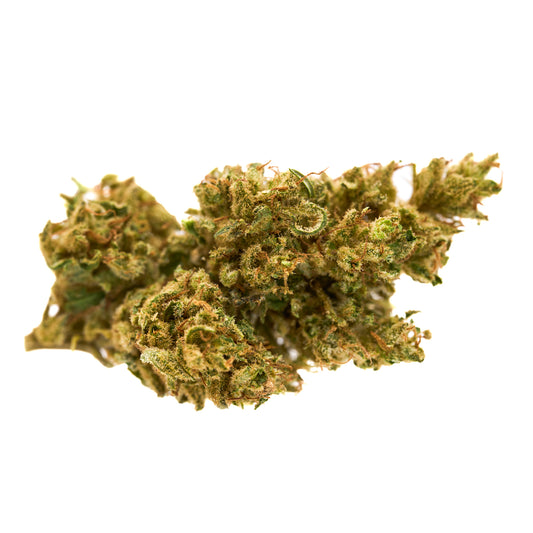
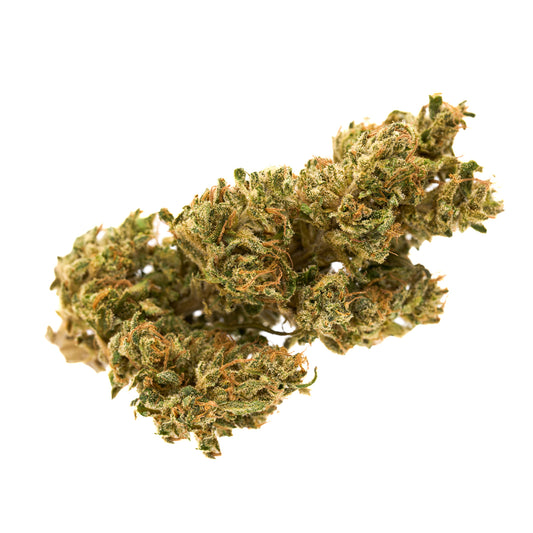
Raw Hemp Flower This is where CBDa is most naturally abundant. Freshly harvested, properly stored raw hemp flower will have a high CBDa-to-CBD ratio. This is the highest-CBDa product category you'll encounter at wholesale, and it's the baseline for evaluating all other products.
Cold-Pressed and Unheated Hemp Extracts Whole-plant hemp extracts produced without heat — cold-press, cold-ethanol, or CO2 extraction at controlled temperatures — can retain meaningful CBDa content. Suppliers who specifically market "raw" or "unheated" extracts are positioning them on the strength of their intact cannabinoid acid profile, and CBDa will be the primary marker of that claim.
Raw CBD Tinctures Some manufacturers formulate tinctures without applying heat to the raw extract, specifically to preserve CBDa. These are typically marketed as "raw," "living," or "full-spectrum unheated" tinctures. If you're sourcing in this category, look for CBDa as a specific line item on the COA, and confirm with the supplier that no decarboxylation step was applied.
Hemp Topicals Topicals made with raw hemp extract may retain CBDa. Since topicals aren't ingested, the stability window is somewhat wider, though product formulation and packaging still affect shelf life. CBDa in topicals is primarily relevant to wholesale buyers supplying the natural beauty and wellness retail channel, where "raw" ingredient positioning has strong consumer appeal.
Capsules, Gummies, and Standard Tinctures Unless a manufacturer specifically produces raw-extract capsules, most standard finished products involve heat at some point in production — and will therefore contain CBD rather than CBDa. These product categories are less relevant to CBDa wholesale sourcing discussions, though residual CBDa may appear in some full-spectrum formulations.
Is CBDa Legal to Buy and Sell at Wholesale?
(Target section length: ~250 words)
Yes — CBDa derived from compliant hemp is federally legal in the United States under the 2018 Farm Bill, provided the source hemp material contains no more than 0.3% Delta-9 THC on a dry weight basis. Cannabidiolic acid is not a controlled substance and is not listed on the DEA's Schedule I list.
From a regulatory standpoint, CBDa wholesale buyers operate in a much cleaner environment than buyers in the THCa or Delta-8 markets. CBDa faces few of the state-level regulatory headwinds that have complicated cannabinoid distribution in certain markets.
That said, standard due diligence still applies:
- Verify that your supplier's hemp is sourced from licensed farms with compliant total-THC levels
- Ensure every product lot is accompanied by current, batch-specific COAs from accredited labs
- Confirm compliance with applicable state laws in every market where you distribute
- Check that supplier documentation includes hemp farm licensing and supply chain traceability
CBDa's favorable regulatory status is one of the reasons some wholesale buyers are actively building CBDa-rich raw hemp products into their catalog alongside more controversial cannabinoid categories. It's a lower-risk product profile with growing consumer interest — a combination that doesn't show up often in the hemp space.
Frequently Asked Questions About CBDa
(Target section length: ~400 words)
Q: What is CBDa in simple terms? CBDa — or cannabidiolic acid — is the natural, unheated form of CBD found in raw hemp plants. Before hemp is processed with heat, the cannabinoid exists as CBDa. Heat converts it to the CBD most consumers are familiar with.
Q: What's the difference between CBDa and CBD? The core CBDa vs CBD difference is molecular: CBDa has an extra carboxyl group that CBD lacks. This makes CBDa thermally unstable — it converts to CBD when heated. Practically, CBDa is found in raw products while CBD is found in heated or processed ones. They may also interact differently with the body's systems, though research is ongoing.
Q: Does CBDa show up on a drug test? Standard drug tests screen for THC metabolites, not CBD or CBDa. CBDa itself is extremely unlikely to trigger a positive result. However, if a product contains trace THC alongside CBDa — which some full-spectrum raw hemp products do — there is a general risk associated with hemp product use and drug testing, as with any full-spectrum hemp product.
Q: What does CBDa do compared to CBD? What CBDa does at the physiological level is still being studied. Early research has examined its interaction with serotonin receptors and COX-2 enzymes. Neither CBDa nor CBD is FDA-approved to treat or prevent any condition. For wholesale buyers, the more relevant question is how CBDa affects product quality, shelf life, and COA interpretation.
Q: Is CBDa stronger than CBD? "Stronger" isn't the right framing for wholesale evaluation purposes. CBDa and CBD are different compounds with different properties and potential applications. CBDa is not simply a "more potent" version of CBD — they are precursor and converted form, and their respective roles in a product depend on the formulation and intended use.
Q: How should I store CBDa-rich products at wholesale? CBDa degrades with heat, light, and oxygen exposure. For maximum stability, store raw hemp products in cool, dark, humidity-controlled environments. Avoid temperature fluctuations and direct sunlight. Proper packaging (vacuum-sealed, opaque, airtight) matters at both the supplier and warehouse level.
Q: Where can I source CBDa-rich hemp products at wholesale? Look for licensed hemp suppliers who offer batch-specific COAs, transparent supply chain documentation, and clear labeling of CBDa content on all raw hemp products. Hemp wholesale suppliers who specialize in raw and minimally processed hemp products are your best starting point for CBDa-focused sourcing.
Final Thoughts: CBDa Literacy Is a Wholesale Competitive Advantage
CBDa is not a niche cannabinoid curiosity — it's a foundational compound in hemp that touches every raw or minimally processed product you'll ever source. Whether you're buying hemp flower by the pound, cold-pressed oils by the case, or raw tinctures by the pallet, understanding cannabidiolic acid helps you evaluate quality more accurately, read lab results more confidently, and identify supplier red flags before they become costly mistakes.
The buyers who will win in the wholesale hemp market over the next few years won't just be the ones with the best price sheets. They'll be the ones who can read a COA fluently, ask the right questions about CBDa-to-CBD ratios, understand what raw hemp cannabinoids mean for shelf life and product integrity, and build a catalog that reflects where the consumer is heading — not just where the market has been.
CBDa wholesale sourcing is a growing segment with favorable regulatory conditions, strong consumer tailwinds in the raw and whole-plant space, and real upside for buyers who get ahead of the education curve. Learn it now, apply it to your sourcing decisions, and you'll have a meaningful edge over the buyers still treating every cannabinoid like an interchangeable percentage on a spec sheet.
