




Indoor vs. Outdoor Harvest: Which Grows Higher-THCA Flower?

If you've spent any time in hemp forums, dispensary counters, or wholesale buyer group chats, you've heard this debate play out a hundred times: does indoor grown THCA flower actually beat sun-grown outdoor product on potency? Or is that just marketing dressed up as science?
The honest answer isn't about which environment is inherently better — it's about which environment offers more control. And control, as it turns out, is the variable that actually correlates with consistent cannabinoid output. Whether you're a retail shopper trying to understand why one jar costs three times as much as another, or a wholesale buyer building a purchasing strategy around indoor vs outdoor THCA flower, this guide breaks down exactly what's happening in the growing environment — and what actually determines the THCA percentage on your Certificate of Analysis.
By the end, you'll understand why "indoor" and "high potency" aren't automatically synonymous, why greenhouse and light dep methods are closing the gap fast, and what actually separates a mid-20s THCA flower from a low-teens flower — regardless of where it was grown.
The Real Question: Control, Not Superiority
Before diving into the specifics of each grow method, it's worth resetting the framework entirely. The indoor-vs-outdoor conversation often gets framed as a competition — as if one method is objectively correct and the other is a compromise. That framing doesn't hold up once you look at how THCA is actually produced in the plant.
THCA (tetrahydrocannabinolic acid) is synthesized in the trichomes as a defense response, and its concentration is driven by a combination of genetics, light exposure, temperature stability, humidity, nutrient availability, and the absence of environmental stress. Every one of those inputs can be optimized indoors, outdoors, or in a greenhouse — the difference is how reliably they can be optimized, harvest after harvest.
This is why controlled environment cannabis production has become such a significant part of the conversation. It's not that a greenhouse or indoor room magically produces "better genetics" — it's that the grower can hold variables steady in ways that open-field cultivation simply cannot guarantee. That consistency shows up on lab reports as tighter batch-to-batch variance, even when peak potency numbers between methods aren't dramatically different.
Keep that framework in mind as we go section by section, because it explains almost every data point that follows.
Indoor Grown THCA Flower: The Precision Approach
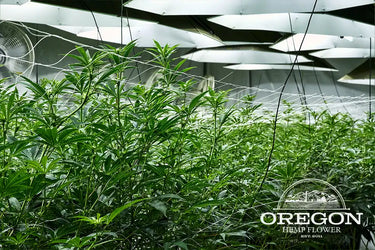
Indoor cultivation gives growers total command over the four variables that most directly influence cannabinoid production: light cycle, temperature, humidity, and nutrient delivery.
Light cycle control is arguably the biggest advantage. Indoor growers can dial in photoperiod schedules down to the minute, triggering flowering exactly when they want it and maintaining consistent light intensity across the entire canopy using full-spectrum LED or HPS lighting. Outdoor plants are at the mercy of seasonal daylight — which is generally fine in stable climates, but any unusual weather pattern (extended cloud cover, early frost, an unseasonably short summer) can shift the flowering timeline and cut development short.
Temperature and humidity stability matter just as much. THCA production tends to suffer under heat stress and fluctuating humidity, both of which can trigger the plant to divert energy toward survival rather than cannabinoid synthesis. Indoor rooms hold temperature and humidity within a tight band for the entire grow cycle, which is a major reason indoor grown THCA flower tends to show less variance between harvests.
Nutrient delivery rounds out the picture. Indoor setups — particularly hydroponic and fertigation systems — allow precise, plant-by-plant nutrient dosing tailored to each growth stage. Outdoor soil, even when amended well, introduces more variability in nutrient uptake due to weather, drainage, and microbial activity that shifts throughout the season.
The result of all this control is a flower that's frequently associated with higher average potency and — more importantly — tighter potency ranges across the harvest. If a buyer needs every batch to test within a specific THCA band, indoor product is often the more predictable choice.
The tradeoff is cost. Running climate control, lighting, and dehumidification systems around the clock is expensive, and that expense flows directly into the price per pound. This is the primary reason indoor flower commands a premium at retail and wholesale — not because it's automatically superior, but because the infrastructure required to produce it is significantly more capital- and energy-intensive.

Sun Grown Cannabis Potency: The Outdoor Argument
Outdoor cultivation flips the value proposition. Instead of paying for artificial environmental control, growers rely on the sun, open air, and natural seasonal cycles — and a lot of cultivators (and consumers) argue that's exactly why outdoor flower can compete on quality, even if it doesn't always compete on peak lab-reported percentages.
The case for sun grown cannabis potency rests heavily on natural UV exposure. Full-spectrum sunlight — including UV-B wavelengths that most indoor lighting setups don't fully replicate — has been linked to increased trichome density in some research, since UV exposure is one of the environmental stressors that can trigger the plant to produce more cannabinoids and terpenes as a protective mechanism. This is part of why outdoor and sun-grown flower is so often described as having a broader, more complex terpene profile: the plant is responding to a wider range of natural stimuli across its full life cycle than it typically encounters indoors.
Seasonal light shifts play a role too. As days shorten heading into fall, outdoor plants experience a more gradual, natural transition into flowering that some cultivators believe supports fuller terpene and cannabinoid expression compared to the abrupt light-cycle switch used indoors.
That said, outdoor growing is inherently weather-dependent, and that's the honest tradeoff. A wet, humid, or unusually cool growing season can reduce yield, slow flowering, and in some cases suppress cannabinoid development if the plant experiences excess stress from conditions like mold pressure or inconsistent rainfall. This is the core reason outdoor hemp harvest quality can vary more significantly from year to year than indoor harvests, which are largely insulated from weather entirely.
For buyers, this means outdoor and sun-grown flower can absolutely deliver excellent, sometimes exceptional, THCA percentages — but it's worth checking harvest-specific lab results rather than assuming outdoor product is uniformly lower-potency than indoor. In good growing seasons, well-managed outdoor flower can rival indoor numbers while typically costing less.
Greenhouse & Light Dep Greenhouse Cannabis: The Middle Path
If indoor and outdoor represent two ends of a spectrum, greenhouse cultivation — particularly light-deprivation greenhouse growing — sits deliberately in the middle, and for many cultivators and buyers, it's becoming the preferred method.
The core idea behind greenhouse vs outdoor hemp potency comparisons is that greenhouses use structures to harness natural sunlight — preserving much of the full-spectrum UV exposure associated with sun-grown potency and terpene complexity — while adding a layer of environmental protection against the biggest outdoor risks: rain, humidity swings, pests, and mold.
Light dep greenhouse cannabis takes this a step further by using blackout tarps or curtains to artificially shorten the plants' daily light exposure, tricking them into flowering earlier than they would naturally. This gives growers something close to indoor-level scheduling control — multiple harvests per year, predictable flowering windows — without abandoning natural sunlight as the primary light source.
The result is often described as "outdoor-quality flower with indoor-level consistency." Greenhouse and light dep operations can frequently produce greenhouse THCA flower that lands in a very competitive potency range compared to indoor product, at a price point that's typically lower than fully indoor cultivation but higher than pure outdoor harvests — reflecting the reduced (but not eliminated) infrastructure and energy costs.
For cultivators trying to balance quality, consistency, and cost, greenhouse and light dep methods have become one of the fastest-growing segments of the market, and it shows in how many brands are now labeling and marketing greenhouse-specific product lines separately from both "indoor" and "outdoor" categories.
Indoor Grow Potency Comparison: What the Numbers Actually Show
So how do these methods actually stack up when you look at lab data rather than marketing claims?
Across most indoor grow potency comparison studies and industry lab aggregates, a few patterns show up consistently:
- Indoor flower tends to show the tightest potency range batch-to-batch, with averages that are often — but not always — at or near the top of the market for a given strain.
- Light dep greenhouse flower frequently lands within a comparable range to indoor, sometimes matching it almost exactly for well-managed operations, with slightly more natural variance between harvests.
- Pure outdoor flower shows the widest range — capable of matching or exceeding indoor and greenhouse potency in strong growing seasons, but also more likely to dip lower in poor seasons.
The key takeaway buried in that pattern: the ceiling for THCA potency isn't dramatically different between methods. Genetics set the ceiling. What differs is the floor — how far below that ceiling a given harvest is likely to land, and how predictably. Indoor and light dep greenhouse methods raise the floor by minimizing stress and environmental variability. Outdoor raises the ceiling in ideal conditions but lowers the floor in bad ones.
This is exactly why grow method alone is a poor single predictor of potency — and why savvy buyers look at the Certificate of Analysis for the specific batch rather than assuming "indoor" automatically means "highest THCA on the shelf."

Beyond Grow Method: Genetics, Harvest Timing, and Post-Harvest Handling
This is the section most buyers skip — and the one that matters most.
Genetics set the theoretical potency ceiling before a single seed goes into soil or a clone goes into a pot. A high-THCA cultivar grown outdoors under good conditions will often outperform a low-potency genetic line grown in a perfectly controlled indoor room. No amount of environmental precision can push a plant's cannabinoid expression past what its genetics allow.
Harvest timing is just as critical, and it's independent of grow method entirely. THCA content builds throughout flowering and typically peaks in a specific window — usually when trichomes shift from clear to a milky, opaque appearance, sometimes with a percentage of amber trichomes depending on the desired effect profile. Harvesting too early leaves cannabinoid development incomplete; harvesting too late can lead to degradation as THCA begins converting toward other cannabinoids. This applies identically whether the plant grew indoors, outdoors, or in a greenhouse.
Post-harvest handling — drying, curing, and storage — is the final variable, and it's frequently the most underestimated. Improper drying (too fast, too humid, too hot) can degrade cannabinoids and terpenes regardless of how the plant was grown. A properly cured indoor flower and a properly cured outdoor flower will both preserve potency far better than a poorly handled batch of either, from either environment.
The practical implication for buyers: grow method is one input among several, not a guarantee. A well-timed, well-genetics, well-cured outdoor or greenhouse batch can absolutely outperform a rushed, poorly handled indoor batch. This is exactly why serious buyers — especially wholesale accounts — request lab results and harvest dates rather than relying on the indoor/outdoor label as a shorthand for quality.
Best Grow Method for THCA: How to Choose as a Buyer
So what's actually the best grow method for THCA if you're shopping or sourcing? It depends on what you're optimizing for:
If consistency and predictability matter most (common for wholesale buyers building a repeatable product line, or retail brands promising a specific effect profile), indoor or light dep greenhouse flower is typically the safer bet due to tighter batch-to-batch variance.
If value and terpene complexity matter most, sun-grown and outdoor flower — especially from a strong growing season — can offer excellent potency and a broader terpene profile at a more accessible price point.
If you want a balance of both, greenhouse and light dep greenhouse flower is worth prioritizing. It's increasingly positioned as the sweet spot between cost, consistency, and natural cultivation, and more brands are building dedicated product lines around it for exactly that reason.
Regardless of method, the single most reliable step any buyer can take is checking the Certificate of Analysis for the specific batch — not the grow method label, not the marketing copy, but the actual lab-tested THCA percentage and terpene panel. That's the only number that tells you what's actually in the jar.
Frequently Asked Questions
Does indoor-grown THCA flower always have higher potency than outdoor?
Not always. Indoor cultivation offers more consistent potency batch-to-batch due to controlled light, temperature, and humidity, but well-managed outdoor and greenhouse harvests can match or exceed indoor THCA percentages, especially in strong growing seasons with quality genetics.
Is greenhouse THCA flower as potent as indoor flower?
Often, yes. Light dep greenhouse cultivation combines natural sunlight with controlled flowering schedules, frequently producing potency levels comparable to indoor flower while retaining more of the natural terpene complexity associated with sun-grown cannabis.
Why is indoor flower more expensive than outdoor or greenhouse flower?
Indoor cultivation requires significant investment in lighting, climate control, and energy to maintain precise environmental conditions year-round. That operating cost gets passed along in the price, rather than reflecting a guaranteed potency advantage.
What actually determines THCA percentage in hemp flower?
Genetics set the ceiling for potential potency, while growing environment, harvest timing, and post-harvest handling determine how close a given batch gets to that ceiling. Grow method alone doesn't guarantee a specific THCA percentage.
Does outdoor weather really affect cannabinoid production?
Yes. Excess humidity, unseasonable cold, or a shortened growing season can stress plants in ways that reduce cannabinoid development and increase mold risk, which is why outdoor harvest quality varies more year to year than indoor harvests.
Should I only buy indoor flower if I want the highest THCA percentage?
No — check the lab results for the specific batch instead. Grow method is a helpful signal for consistency, but genetics, harvest timing, and curing practices often matter more than whether the flower was grown indoors, outdoors, or in a greenhouse.
Conclusion
The indoor vs. outdoor debate isn't really a debate about which method is better — it's a conversation about tradeoffs between control, cost, and natural growing conditions. Indoor and light dep greenhouse methods offer more predictable, consistent potency. Sun-grown and outdoor methods offer strong potency potential, broader terpene complexity, and better value, with more season-to-season variability. Genetics, harvest timing, and post-harvest handling ultimately matter just as much as where the plant was grown.
Ready to compare THCA potency across grow methods for yourself? Browse the latest lab-tested batches in our new THCA releases collection and check the Certificate of Analysis on each one.
