





Jealousy vs Humboldt Dream THCA Flower: Complete Strain Comparison Guide

Choosing between premium THCA strains shouldn't be guesswork. With the expanding market of high-quality greenhouse hemp flower, consumers deserve detailed information to make informed decisions that match their specific needs and preferences. Today, we're diving deep into two exceptional Jealousy THCA flower and Humboldt Dream THCA strains that have captured the attention of experienced users and newcomers alike.
This comprehensive THCA strain comparison guide covers everything from genetic lineage and potency levels to effects, flavors, and overall value. Whether you're seeking powerful relaxation, balanced daytime effects, or simply trying to understand which THCA strain is stronger, this guide provides the clarity you need to choose the right greenhouse THCA flower for your lifestyle.
Understanding Jealousy THCA Flower: Strain Profile
Jealousy THCA flower has rapidly become one of the most sought-after premium THCA flowers in the market, and for good reason. This indica-dominant hybrid brings together two legendary genetics: Gelato 41 and Sherbet. The result is a strain that beautifully balances potency with a complex flavor profile that keeps users coming back.
Jealousy Strain THCA Genetics and Characteristics
The Gelato 41 x Sherbet cross creates a powerhouse strain with distinctive characteristics. As an indica-dominant hybrid, Jealousy THCA leans toward relaxation and body-focused effects while maintaining enough cerebral activity to keep the experience engaging. The genetic stability of both parent strains ensures consistent quality across batches, making it a reliable choice for those who value predictability in their greenhouse hemp flower.
The Jealousy THCA potency typically ranges between 20-28% THCA content, placing it firmly in the premium category of THCA flower comparison standards. This substantial cannabinoid concentration delivers robust effects that satisfy experienced users while remaining accessible to those building their tolerance. The strain's terpene profile is dominated by caryophyllene, limonene, and linalool, creating a complex aromatic experience that translates directly into therapeutic benefits.
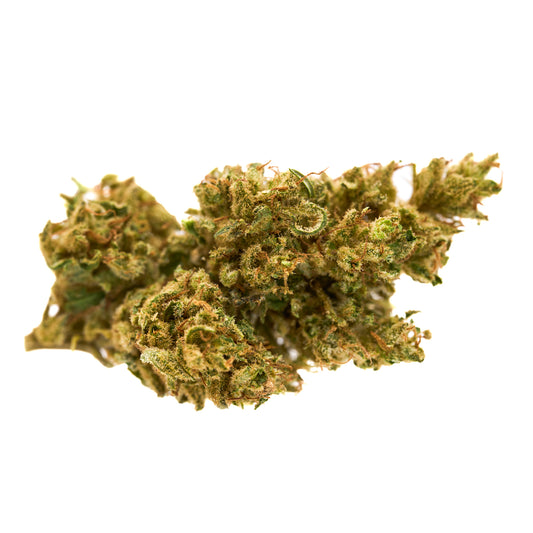
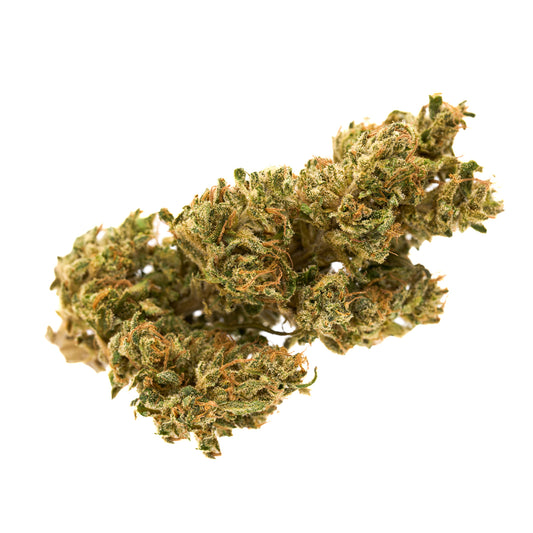
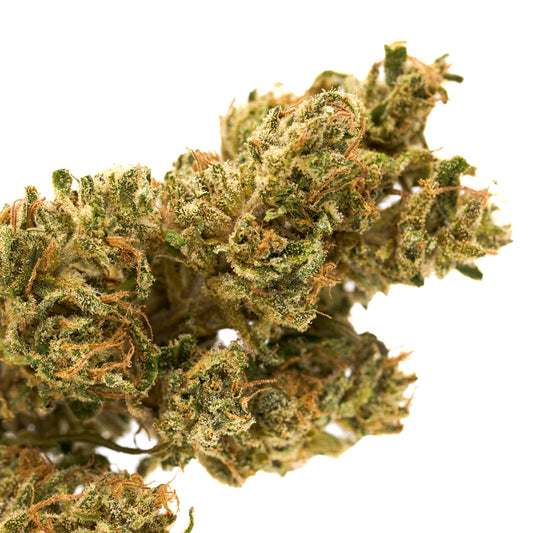
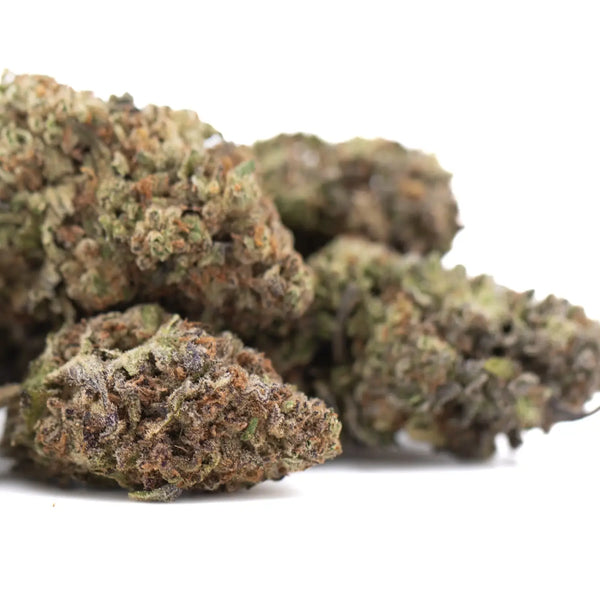
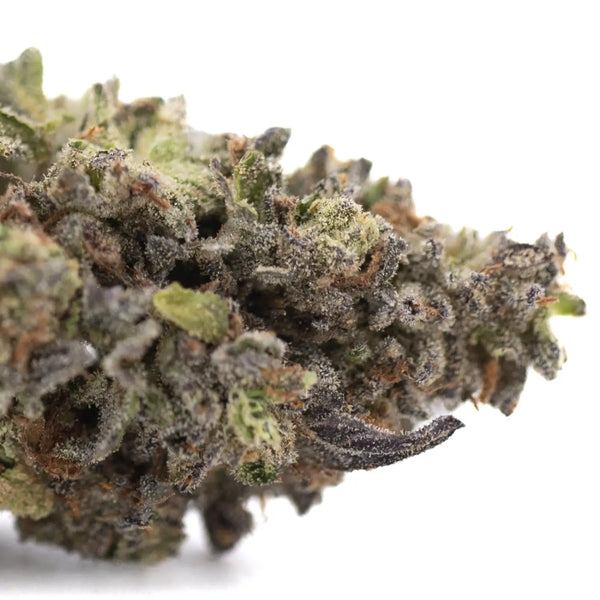
Visually, Jealousy THCA is stunning. Dense, tightly-packed buds showcase purple-tinged hues that emerge during the flowering stage, particularly when greenhouse temperatures drop slightly in the evening. The heavy trichome coverage gives these nugs a frosty, crystalline appearance that signals the high THCA content within. The bud structure is compact and resinous, indicative of the strain's indica heritage and careful cultivation practices.
Understanding Humboldt Dream THCA Flower: Strain Profile
Humboldt Dream THCA represents a different approach to excellence in greenhouse grown THCA flower. This balanced hybrid combines the legendary Blue Dream with a traditional Humboldt County indica, creating a strain that honors California's rich cannabis heritage while delivering modern potency standards.
Humboldt Dream Strain Genetics and Characteristics
The Blue Dream x Humboldt indica cross produces a truly balanced hybrid that defies easy categorization. While many strains lean noticeably toward either indica or sativa effects, Humboldt Dream THCA maintains equilibrium between mental clarity and physical relaxation. This balance makes it exceptionally versatile for various use cases throughout the day.
Humboldt Dream THCA potency typically measures between 22-26% THCA, offering substantial effects while maintaining a slightly more moderate ceiling than its Jealousy counterpart. The cannabinoid profile includes notable amounts of CBD and CBG that contribute to the strain's well-rounded effects and therapeutic potential. The dominant terpenes—myrcene, pinene, and caryophyllene—create an aromatic bouquet that combines earthy, piney, and sweet notes.
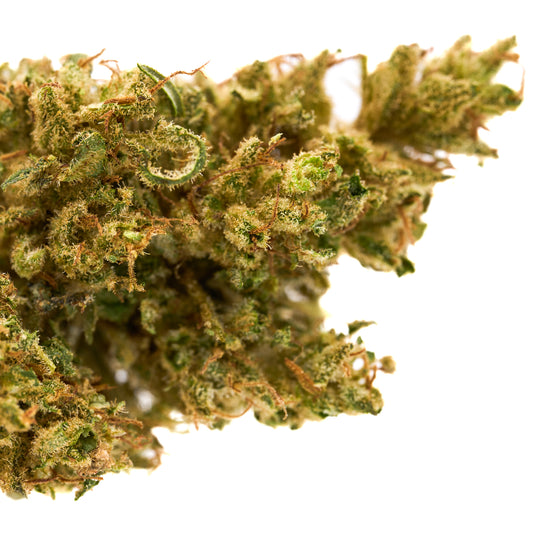
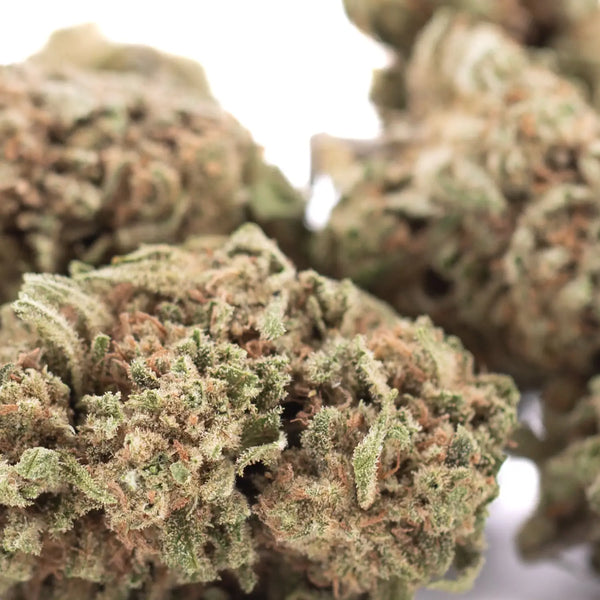
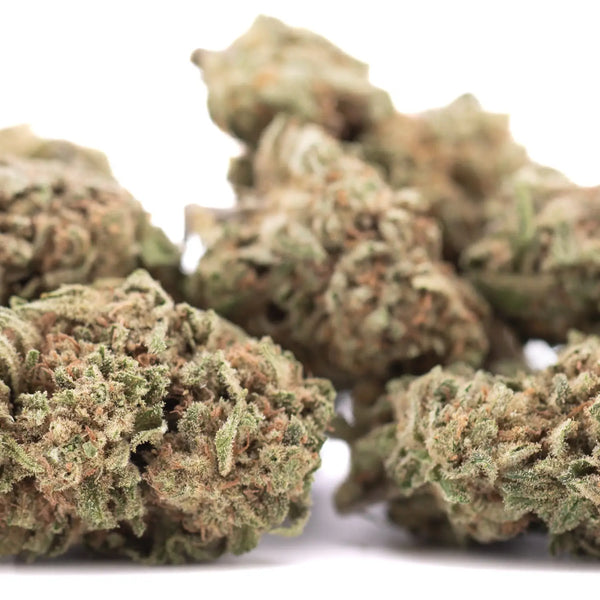
The appearance of Humboldt Dream THCA flower is equally impressive but distinct from Jealousy. Large, chunky buds display blue-green coloration with vibrant orange pistils threading throughout. The frost coverage is generous, with trichomes extending down the sugar leaves and creating a sticky, resinous texture. The bud structure leans slightly toward sativa influence, with more open, less compressed nugs that still maintain excellent density.
Potency Comparison: Jealousy vs Humboldt Dream THCA
Understanding potency goes beyond simply comparing THCA percentages. While the numbers provide a starting point, the complete cannabinoid and terpene profiles tell the full story of how these best THCA strains perform in real-world use.
THCA Content Analysis
When comparing Jealousy THCA vs Humboldt Dream THCA potency, Jealousy generally edges ahead with a maximum THCA content reaching 28% in premium batches. This represents the upper echelon of greenhouse grown THCA flower, delivering powerful effects that satisfy even users with established tolerance. The consistent 20-28% range means users can expect reliable potency across different harvests.
Humboldt Dream THCA maintains a slightly tighter range of 22-26%, which some users actually prefer. This more moderate ceiling allows for better dosage control and reduces the risk of overwhelming effects, especially for daytime use. The consistency within this range demonstrates the strain's genetic stability and the precision of greenhouse cultivation methods.
Cannabinoid Profile Differences
Beyond THCA, the complete cannabinoid profile reveals important distinctions. Jealousy THCA flower typically shows minimal CBD content (less than 0.5%) but includes trace amounts of CBG and CBN that contribute to its deeply relaxing effects. The higher CBN levels, particularly in properly cured batches, enhance the strain's sedative qualities and sleep-supporting properties.
Humboldt Dream THCA presents a more diverse cannabinoid profile, with CBD levels occasionally reaching 1-2% in certain phenotypes. This minor CBD presence contributes to the strain's balanced effects and may enhance its anxiolytic properties. The CBG content is notably higher in Humboldt Dream, sometimes reaching 1.5%, which may explain its uplifting qualities and potential anti-inflammatory benefits.
Greenhouse Cultivation Impact on Potency
The greenhouse cultivation method used for both strains plays a crucial role in their potency profiles. Greenhouse grown THCA flower benefits from natural sunlight while maintaining environmental control, creating optimal conditions for cannabinoid and terpene production. The controlled environment prevents stress factors that can reduce potency while allowing plants to fully express their genetic potential.
Both Jealousy and Humboldt Dream thrive in greenhouse conditions, but respond differently to light spectrum variations and temperature fluctuations. Jealousy tends to produce higher THCA levels when exposed to slightly cooler nighttime temperatures, which also enhance its purple coloration. Humboldt Dream maintains more consistent potency across varying conditions, demonstrating genetic resilience.
Lab Testing Results Interpretation
Reputable greenhouse THCA flower producers provide detailed Certificate of Analysis (COA) documents for each batch. These lab results confirm THCA percentages, verify the absence of harmful contaminants, and detail the complete terpene profile. When comparing THCA strains, examining multiple COAs from different batches provides insight into consistency and quality control standards.
Recent lab testing for premium batches shows Jealousy THCA averaging 24-26% with peaks at 28%, while Humboldt Dream THCA consistently delivers 23-25% with occasional 26% batches. Both strains pass all safety testing for pesticides, heavy metals, and microbials, confirming their status as premium THCA flower options.
Effects Comparison: Jealousy vs Humboldt Dream
The real distinction between these strains emerges in their effects profiles. While potency numbers provide a foundation, the actual experience determines which strain best suits individual needs and preferences.
Jealousy THCA Effects Profile
Jealousy THCA flower delivers indica-dominant effects that begin with a gentle cerebral uplift before settling into deep physical relaxation. Users report an initial sense of euphoria and mental calm that gradually transitions into full-body relaxation within 15-20 minutes of consumption. The Jealousy THCA effects are notably body-focused, making it ideal for evening use or situations where physical comfort is the primary goal.
The relaxation provided by Jealousy is comprehensive without being immediately sedating. Many users describe a "couch-lock" sensation at higher doses, but moderate consumption allows for relaxed productivity or quiet social activities. The mental effects remain clear and focused despite the physical heaviness, allowing users to enjoy entertainment, conversation, or creative pursuits while feeling deeply relaxed.
Duration typically extends 2-4 hours depending on dosage and consumption method, with residual effects lingering an additional 1-2 hours. This extended duration makes Jealousy THCA particularly valuable for managing chronic conditions or evening relaxation routines. The comedown is gentle and often transitions naturally into restful sleep, making it a popular choice among those seeking sleep support.
Humboldt Dream THCA Effects Profile
Humboldt Dream THCA effects represent a different philosophy entirely. This balanced hybrid delivers uplifting mental effects paired with gentle physical relaxation, creating a versatile experience suitable for various times of day and activities. Users consistently report enhanced mood, increased creativity, and mild euphoria alongside comfortable body sensations.
The Humboldt Dream strain effects begin with a clear-headed, energizing mental component that many users find motivating and socially engaging. This cerebral activity doesn't create anxiety or racing thoughts; instead, it promotes focus, creativity, and positive mood. The physical effects develop more gradually, providing tension relief and body comfort without heaviness or sedation.
Onset occurs within 10-15 minutes, with peak effects lasting 2-3 hours and a gradual, comfortable comedown. The balanced nature means users can function normally during the experience, making Humboldt Dream THCA suitable for daytime use, social situations, or activities requiring focus and engagement. Many users report this strain as ideal for creative projects, outdoor activities, or social gatherings.
Best Use Cases for Each Strain
When comparing Jealousy vs Humboldt Dream effects, the distinction becomes clear. Jealousy THCA flower excels for evening relaxation, pain management, stress relief, and sleep preparation. It's the choice for unwinding after demanding days, managing physical discomfort, or creating deeply relaxing experiences.
Humboldt Dream THCA shines in situations requiring balanced effects: daytime use, social activities, creative projects, mild anxiety management, and situations where users want therapeutic benefits without sedation. It's ideal for maintaining functionality while enjoying the benefits of premium THCA flower.
Flavor and Aroma Profile Comparison
Terpene profiles create the distinctive flavors and aromas that make each THCA flower review unique. Beyond potency and effects, flavor significantly influences user satisfaction and strain preference.
Jealousy THCA Flavor Profile
Jealousy strain THCA delivers a dessert-like flavor profile that lives up to its Gelato and Sherbet lineage. The dominant notes are sweet and fruity, reminiscent of berries and citrus with a creamy, almost vanilla-like undertone. This sweetness is balanced by subtle earthy notes that ground the flavor and prevent it from becoming cloying.
The caryophyllene content provides a slight spiciness on the exhale, while limonene contributes bright citrus notes that cleanse the palate. Linalool adds floral complexity that emerges more prominently in vaporized consumption. The overall impression is of a complex, layered flavor that reveals new notes throughout the experience.
Smoke smoothness is exceptional with properly cured Jealousy THCA flower. The dense trichome coverage translates into a rich, satisfying smoke that's surprisingly smooth despite the potency. The aftertaste lingers pleasantly, with sweet and creamy notes persisting for several minutes after consumption.
Humboldt Dream THCA Flavor Profile
Humboldt Dream THCA flower review reveals a distinctly different flavor journey. The dominant berry notes from its Blue Dream heritage take center stage, complemented by prominent pine and earthy undertones from the Humboldt indica genetics. This creates a more traditional, "cannabis-forward" flavor that appeals to users seeking authentic hemp flower characteristics.
Myrcene contributes musky, earthy notes with subtle fruit undertones. Pinene provides sharp, refreshing pine aromas that open airways and add complexity. The caryophyllene adds peppery spice notes that create a full-bodied flavor profile. Sweet notes emerge on the finish, creating a pleasant balance between earthy authenticity and approachable sweetness.
The smoke quality is equally impressive, with smooth inhalation and a clean, refreshing aftertaste. The pine and earthy notes linger pleasantly without becoming harsh or overwhelming. Vaporization emphasizes the berry notes while combustion highlights the earthy, piney character.
Which Flavor Profile Appeals to You?
Comparing these best greenhouse THCA flower options comes down to personal preference. Jealousy appeals to users seeking sweet, dessert-like flavors with complex fruity and creamy notes. Humboldt Dream attracts those who prefer traditional cannabis flavors emphasizing earth, pine, and berries with balanced sweetness.
Medical Benefits Comparison
Understanding the therapeutic potential of each strain helps users match their wellness goals with the appropriate greenhouse hemp flower choice.
Jealousy THCA Medical Applications
Jealousy THCA flower excels in addressing conditions requiring deep relaxation and physical relief. The high caryophyllene content activates CB2 receptors, providing anti-inflammatory benefits particularly valuable for chronic pain, arthritis, and muscle tension. Users report significant pain relief within 20-30 minutes of consumption.
The strain's anxiolytic properties make it effective for stress management, particularly stress that manifests physically as muscle tension or physical restlessness. The body-focused effects help users achieve the deep relaxation necessary for stress relief and mental recovery. Evening use helps establish healthy sleep patterns and addresses insomnia, particularly insomnia caused by pain or anxiety.
Linalool content contributes to Jealousy's calming properties, potentially supporting mood stabilization and anxiety reduction. The combined terpene and cannabinoid profile creates an entourage effect that enhances therapeutic benefits beyond what THCA alone provides.
Humboldt Dream THCA Medical Applications
Humboldt Dream THCA addresses different therapeutic needs with its balanced effects profile. The strain's most notable benefit is anxiety relief without sedation, making it suitable for managing daytime anxiety, social anxiety, and general stress. The mood-elevating effects support emotional wellness and may benefit those dealing with mild depression or mood fluctuations.
The anti-inflammatory properties from pinene and caryophyllene provide mild to moderate pain management, though less intensive than Jealousy. This makes Humboldt Dream ideal for managing mild chronic pain, tension headaches, and inflammatory conditions while maintaining functionality. The strain's energizing qualities may benefit fatigue, lack of motivation, or situations requiring gentle stimulation.
The minor CBD content enhances Humboldt Dream's therapeutic profile, potentially improving its anti-anxiety and anti-inflammatory properties. The balanced cannabinoid and terpene profile creates gentler, more accessible effects for medical users sensitive to strong sedation or intense body effects.
Daytime vs Nighttime Medical Use
When deciding between these premium THCA flowers for medical purposes, timing matters. Jealousy THCA is best reserved for evening use, nighttime symptom management, or situations where sedation isn't problematic. Its powerful relaxation suits end-of-day stress relief, sleep preparation, and intensive pain management sessions.
Humboldt Dream THCA excels for daytime medical use, allowing patients to address symptoms while maintaining normal activities. It's ideal for managing anxiety throughout the workday, supporting mood during daily routines, and providing mild pain relief without compromising productivity or mental clarity.
Growing and Quality Comparison
Understanding cultivation quality helps consumers identify premium greenhouse THCA flower and appreciate the care invested in production.
Greenhouse Cultivation Benefits
Both Jealousy and Humboldt Dream benefit significantly from greenhouse cultivation methods. This approach combines natural sunlight's full spectrum with environmental control, creating ideal conditions for cannabinoid and terpene development. Temperature regulation prevents stress while allowing cultivators to optimize conditions for each strain's specific needs.
Light deprivation techniques control flowering cycles precisely, ensuring plants reach peak maturity at the optimal moment. Humidity control prevents mold and mildew while maintaining perfect conditions for trichome production. The semi-controlled environment produces cleaner flower than outdoor cultivation while remaining more sustainable and cost-effective than indoor growing.
Bud Structure and Density Differences
Jealousy THCA flower demonstrates classic indica-dominant bud structure: compact, dense nugs with tight internodal spacing. The buds feel heavy in hand, with firm density that indicates proper cultivation and curing. This structure maximizes trichome surface area relative to plant material, contributing to the strain's high potency.
Humboldt Dream buds showcase more sativa-influenced structure with slightly larger, more open formations. While still dense and well-formed, the buds have more "give" when squeezed compared to Jealousy's rock-hard density. This structure doesn't indicate inferior quality; rather, it reflects the strain's genetic heritage and balanced hybrid nature.
Trim Quality and Appearance
Premium greenhouse hemp flower displays expert trimming that removes excess leaf material while preserving trichome-rich sugar leaves. Both strains exhibit professional trim quality, with minimal stem visibility and careful attention to preserving the flower's natural structure. The trim quality directly impacts smoothness of consumption and overall aesthetic appeal.
Jealousy's purple-tinged coloration becomes more pronounced in properly trimmed buds, creating striking visual appeal. The trichome coverage appears almost white against the darker bud material. Humboldt Dream's blue-green coloration and orange pistils create beautiful contrast, with crystal coverage creating a frosted appearance that indicates quality and potency.
Cure and Moisture Content
Proper curing is essential for premium THCA flower quality. Both strains require 2-4 weeks minimum cure time to develop full flavor profiles and achieve ideal moisture content. Properly cured buds feel slightly springy rather than brittle or damp, indicating moisture levels between 55-62% relative humidity.
The cure profoundly impacts flavor, with both strains showing significant terpene preservation when properly dried and cured. Jealousy's sweet, fruity notes develop more fully with extended cure time, while Humboldt Dream's earthy and berry characteristics mature and round out during proper curing.
Price and Value Analysis
Understanding the price-to-quality ratio helps consumers make informed purchasing decisions that align with their budget and usage patterns.
Typical Price Points
Premium greenhouse THCA flower like Jealousy and Humboldt Dream typically ranges between $30-60 per eighth ounce (3.5g), with price variations based on batch quality, potency, and market conditions. Single gram purchases generally cost $10-15, while larger quantities offer better per-gram pricing.
Both strains fall within similar price ranges, reflecting their comparable quality levels and production costs. Seasonal variations, harvest yields, and batch-to-batch quality differences may create temporary price fluctuations. However, both consistently represent premium pricing appropriate for top-tier greenhouse grown THCA flower.
Cost Per Gram Comparison
When examining cost per gram, bulk purchases provide significant savings. Quarter ounces (7g) typically reduce per-gram costs by 15-20%, while half ounces (14g) may offer 25-30% savings compared to gram pricing. For regular users, buying larger quantities makes financial sense while ensuring consistent supply of preferred strains.
The potency-to-price ratio heavily favors both strains compared to lower-quality alternatives. While budget THCA flower might cost less per gram, the reduced potency means users need more material to achieve desired effects. Premium strains like Jealousy and Humboldt Dream deliver more substantial effects per gram, often making them more economical despite higher initial costs.
Which Offers Better Value?
Value depends on individual usage patterns and priorities. Jealousy THCA's higher peak potency (up to 28% THCA) provides excellent value for users seeking powerful effects, especially for evening use and sleep support. The robust effects mean less product needed per session, stretching the purchase further.
Humboldt Dream THCA offers exceptional value for versatile, all-day use. The balanced effects and slightly more moderate potency allow for multiple sessions throughout the day without tolerance issues or overwhelming effects. For users wanting one strain to cover various needs, Humboldt Dream presents compelling value despite similar pricing.
Side-by-Side Comparison Chart
| Characteristic | Jealousy THCA | Humboldt Dream THCA |
|---|---|---|
| Genetics | Gelato 41 x Sherbet | Blue Dream x Humboldt Indica |
| Type | Indica-Dominant Hybrid | Balanced Hybrid |
| THCA % | 20-28% | 22-26% |
| Dominant Terpenes | Caryophyllene, Limonene, Linalool | Myrcene, Pinene, Caryophyllene |
| Primary Effects | Deep relaxation, euphoria, body-focused | Balanced, uplifting, calming |
| Flavor Profile | Sweet, fruity, creamy, earthy | Berry, pine, earthy, sweet |
| Best For | Evening use, pain relief, sleep | All-day use, anxiety, creativity |
| Medical Uses | Chronic pain, insomnia, stress | Anxiety, mood, mild pain |
| Onset Time | 15-20 minutes | 10-15 minutes |
| Duration | 2-4 hours (peak) | 2-3 hours (peak) |
| Appearance | Dense, purple-tinged, frosty | Large, blue-green, frosty |
| Price Range | $10-15/g, $30-60/eighth | $10-15/g, $30-60/eighth |
Which THCA Strain Should You Choose?
Making the right choice between these compare THCA strains depends on your specific needs, preferences, and usage patterns.
Choose Jealousy THCA If You Want:
Jealousy THCA flower is your ideal choice if you're seeking:
- Evening and nighttime use - The body-focused relaxation makes it perfect for unwinding after demanding days
- Intensive pain relief - High caryophyllene and THCA content provides robust pain management
- Sleep support - Natural transition to restful sleep makes it valuable for insomnia
- Deep relaxation - Comprehensive body effects satisfy those seeking profound physical calm
- Sweet, dessert-like flavors - The complex fruity and creamy flavor profile appeals to those preferring sweet strains
- Maximum potency - Peak THCA levels up to 28% deliver powerful effects
Jealousy THCA is particularly well-suited for experienced users with established tolerance, evening routines focused on relaxation, and anyone managing chronic pain or sleep difficulties. The strain's indica dominance makes it less ideal for daytime productivity but excellent for creating deeply relaxing experiences.
Choose Humboldt Dream THCA If You Want:
Humboldt Dream THCA is your best option if you're seeking:
- All-day versatility - Balanced effects allow for use throughout the day without sedation
- Anxiety and stress management - Uplifting yet calming effects provide relief without heaviness
- Social and creative activities - Enhances mood and engagement while maintaining clarity
- Mild to moderate pain relief - Addresses discomfort while preserving functionality
- Traditional cannabis flavors - Earth, pine, and berry notes appeal to those wanting authentic hemp flower taste
- Consistent, moderate potency - Reliable 22-26% THCA range provides substantial effects with better dosage control
Humboldt Dream THCA suits users wanting one strain for multiple purposes, those new to THCA flower seeking approachable effects, and anyone needing therapeutic benefits during daytime hours. The balanced nature makes it exceptionally versatile and user-friendly.
Considerations for First-Time THCA Users
If you're new to premium THCA flower, start with lower doses of either strain to assess individual tolerance. Humboldt Dream generally provides a more forgiving introduction due to its balanced effects and slightly lower maximum potency. However, some users prefer learning their limits with Jealousy's more straightforward relaxation effects.
Begin with small amounts (0.1-0.2g) and wait 20-30 minutes to assess effects before consuming more. Pay attention to how each strain affects you personally, as individual responses vary based on body chemistry, tolerance, and circumstances. Keep a simple journal noting strain, amount, effects, and duration to identify patterns and preferences.
How to Decide Based on Tolerance and Preferences
High-tolerance users typically appreciate Jealousy's robust potency and intensive effects, finding the strain delivers satisfying experiences even with established cannabinoid familiarity. Moderate-tolerance users often prefer Humboldt Dream's balanced approach, which provides substantial effects without overwhelming intensity.
Consider your daily routine: Do you need effects that support productivity, or are you seeking end-of-day relaxation? Your answer points toward the appropriate strain. Think about medical needs: Is your primary concern anxiety, pain, sleep, or mood? Match the strain's strengths to your therapeutic goals.
Flavor preferences matter more than many realize. If you've enjoyed strains like Gelato, Sherbet, or other dessert-flavored varieties, Jealousy will appeal to your palate. If you prefer classic cannabis flavors or enjoyed Blue Dream in the past, Humboldt Dream aligns with your taste preferences.
Conclusion
Both Jealousy THCA flower and Humboldt Dream THCA represent the pinnacle of greenhouse grown THCA flower, each excelling in different ways. Jealousy delivers powerful, indica-dominant effects with sweet, complex flavors perfect for evening relaxation and intensive therapeutic applications. Humboldt Dream provides balanced, versatile effects with traditional cannabis flavors ideal for all-day use and functional relief.
The choice between these premium THCA flowers ultimately depends on your specific needs, preferences, and usage patterns. There's no universally "better" option—only the better option for your individual situation. Both strains demonstrate exceptional quality, potency, and value within the greenhouse hemp flower market.
For many users, the ideal approach involves keeping both strains on hand: Jealousy for evening unwinding and sleep preparation, Humboldt Dream for daytime balance and social situations. This combination provides complete coverage for various needs throughout the day and different life circumstances.
We encourage you to experience both strains personally to discover which resonates with your unique physiology and preferences. Individual responses vary, and firsthand experience provides insights no comparison guide can fully capture. Start with smaller quantities to explore each strain's characteristics before committing to larger purchases.
Ready to experience these exceptional greenhouse THCA flowers? Shop our complete collection and discover why Jealousy and Humboldt Dream have become favorites among THCA enthusiasts.
Frequently Asked Questions
Is Jealousy or Humboldt Dream more potent?
Jealousy THCA flower typically ranges higher in potency, with THCA content reaching up to 28% compared to Humboldt Dream's 22-26% range. However, "potency" encompasses more than THCA percentage alone. Jealousy delivers more intensive, body-focused effects, while Humboldt Dream's balanced cannabinoid profile creates comprehensive effects that some users find equally potent in different ways. For pure THCA content and sedative intensity, Jealousy edges ahead. For well-rounded, functional potency, both perform exceptionally well within their design parameters.
Which strain is better for sleep?
Jealousy THCA flower is definitively better for sleep support. Its indica-dominant genetics, higher potential CBN content, and deeply relaxing body effects create ideal conditions for nighttime use and insomnia management. The strain naturally transitions users toward rest, with residual effects that support sleep maintenance throughout the night. Humboldt Dream can support sleep in some users but isn't specifically designed for this purpose. Its more balanced effects serve better for daytime use, with sleep support being a secondary rather than primary benefit.
Can I use Humboldt Dream during the day?
Absolutely. Humboldt Dream THCA excels as a daytime strain due to its balanced hybrid effects that combine mental clarity with gentle physical relaxation. Many users specifically choose Humboldt Dream for daytime anxiety management, creative work, social activities, and situations requiring therapeutic benefits without sedation. The strain's uplifting mental effects and moderate potency ceiling make it appropriate for maintaining normal activities while enjoying THCA's benefits. Start with smaller amounts during initial daytime use to assess how the strain affects your functionality.
What's the main difference in effects?
The core distinction lies in effect balance and body intensity. Jealousy provides heavy, body-focused relaxation with indica-dominant sedation that's perfect for evening use but potentially limiting for daytime activities. Humboldt Dream delivers balanced mind-body effects that energize mentally while relaxing physically, creating versatile effects suitable throughout the day. Jealousy creates "couch-lock" sensations at moderate to high doses, while Humboldt Dream maintains functionality even at substantial doses. Think of Jealousy as specialized for relaxation and Humboldt Dream as versatile for multiple purposes.
Which strain has better flavor?
Flavor preference is subjective, but the profiles are distinctly different. Jealousy offers sweet, dessert-like flavors with fruity and creamy notes that appeal to users preferring modern, refined taste profiles similar to Gelato or Sherbet strains. Humboldt Dream provides traditional cannabis flavors emphasizing earth, pine, and berries with balanced sweetness that appeals to users wanting authentic hemp flower characteristics. Neither is objectively "better"—your personal taste preferences determine which flavor profile you'll enjoy more. Many users keep both strains to satisfy different flavor cravings.
Are these strains suitable for beginners?
Both strains can work for beginners with proper dosing, but Humboldt Dream is generally more forgiving for first-time THCA users. Its balanced effects, moderate potency ceiling, and functional characteristics create a less overwhelming introduction to premium THCA flower. Jealousy's higher potency and intensive relaxation effects can surprise inexperienced users, particularly if they consume too much initially. Beginners choosing either strain should start with very small amounts (0.1-0.2g), wait to assess effects fully before consuming more, and begin use during evening hours when potential sedation won't interfere with responsibilities. With appropriate dosing, both strains are accessible to beginners while providing room to grow into higher doses as tolerance develops.
