
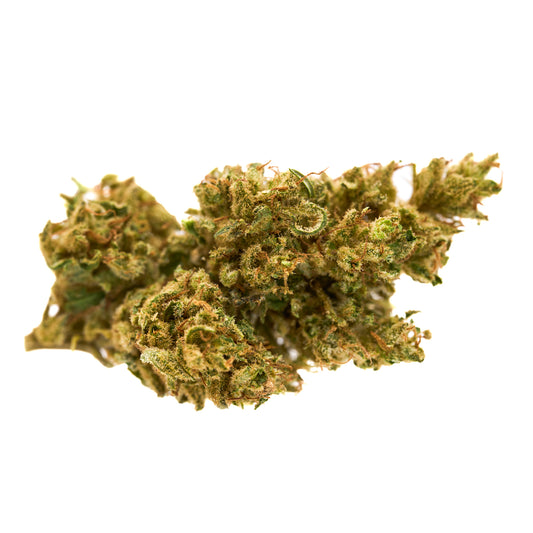
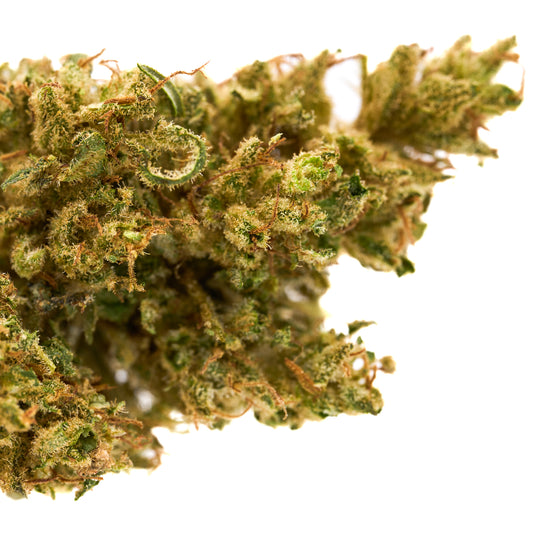
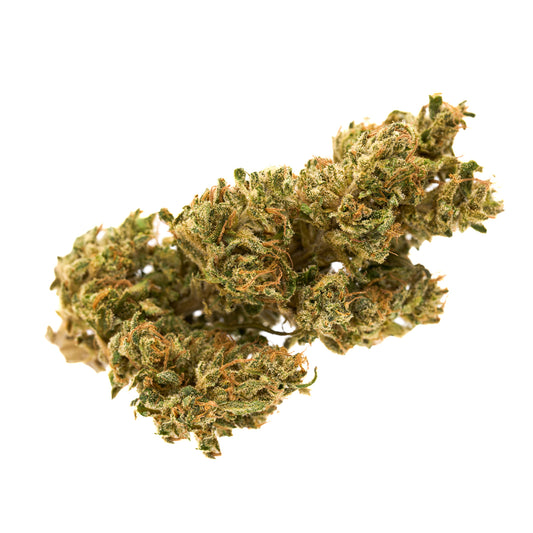
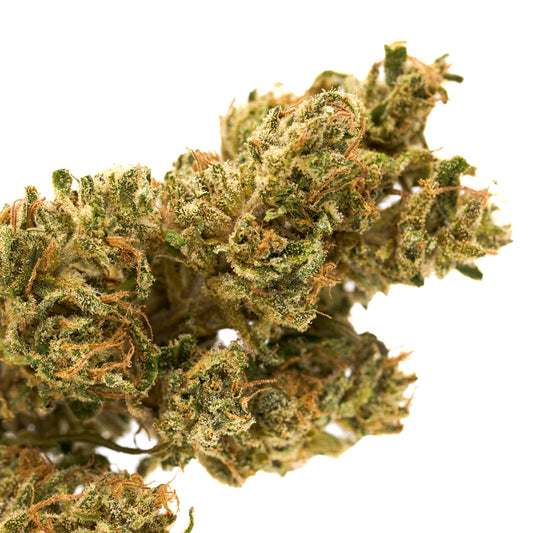




What is THCA Greenhouse Flower? Complete Beginner's Guide 2025

The cannabis industry is experiencing a revolution, and THCA greenhouse flower stands at the forefront of this transformation. If you've been curious about cannabis but intimidated by its legal complexities or potency, understanding what is THCA greenhouse flower might be exactly what you need to make informed decisions about this fascinating plant.
Here's something that surprises most beginners: THCA, in its raw form, is completely non-psychoactive. That's right—the compound that dominates most cannabis plants won't produce any intoxicating effects until it's exposed to heat through a process called decarboxylation. This unique characteristic has opened doors for legal cultivation, distribution, and consumption across the United States in ways that weren't possible just a few years ago.
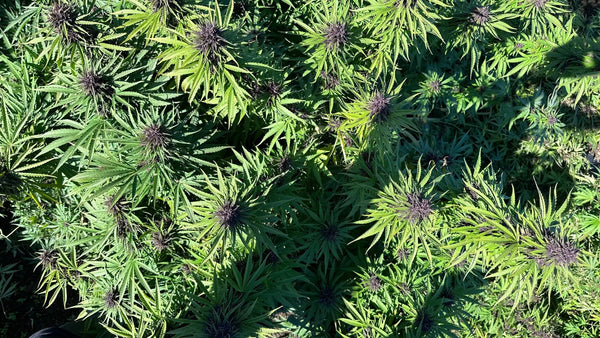
Greenhouse THCA flower represents a perfect middle ground between outdoor and indoor cultivation, offering premium quality at accessible prices while maintaining environmental sustainability. Greenhouse structures harness natural sunlight while providing protection from harsh weather and pests, creating an ideal growing environment that produces potent, terpene-rich flowers.
In this beginner THCA flower guide, we'll demystify everything you need to know about THCA greenhouse flower. Whether you're wondering how does THCA greenhouse flower work, questioning is THCA greenhouse flower legal in my state, or simply trying to understand what is THCA greenhouse flower for beginners, this comprehensive guide will provide the clarity you're seeking. By the end, you'll have the knowledge to confidently explore this exciting category of hemp-derived products.
Understanding THCA: The Science Behind the Compound
Before diving into greenhouse cultivation specifics, it's essential to understand THCA flower explained from a scientific perspective. THCA, or tetrahydrocannabinolic acid, is the acidic precursor to THC that naturally occurs in living cannabis and hemp plants. Think of it as THC's "raw" form—a molecule with an extra carboxyl group attached that fundamentally changes its properties and effects.
THCA vs THC: What's the Difference?
The distinction between THCA vs THC is crucial for understanding both the legal framework and experiential differences. In living plants, cannabinoids exist primarily in their acidic forms. THCA dominates fresh cannabis flowers, comprising up to 90% or more of the total cannabinoid content in high-potency strains.
The key differences include:
Molecular Structure: THCA contains an extra carboxyl group (COOH) attached to its molecular structure. This seemingly small difference dramatically affects how the compound interacts with your body's endocannabinoid system. THCA cannot fit into the same CB1 receptors in your brain that THC activates, which is why it produces no psychoactive effects in its raw form.
Psychoactivity: THCA is completely non-intoxicating when consumed raw. You could eat raw THCA flower all day and never experience a "high." THC, on the other hand, is the primary intoxicating compound responsible for cannabis's psychoactive effects.
Legal Classification: Because THCA is not Delta-9 THC, it falls under different legal classifications. Hemp derived THCA flower complies with the 2018 Farm Bill as long as it contains less than 0.3% Delta-9 THC by dry weight, making it federally legal.
The Decarboxylation Process Explained
THCA decarboxylation is the chemical transformation that converts THCA into THC. When you apply heat to THCA flower—whether through smoking, vaping, or baking—you remove that extra carboxyl group through a process called decarboxylation. The "decarb" happens at temperatures above 220°F (104°C), though the conversion rate increases significantly at higher temperatures.
This is what happens when you smoke THCA flower: the moment flame or heat touches the flower, rapid decarboxylation begins. Within seconds, THCA transforms into THC, which then enters your system and produces the familiar effects associated with cannabis consumption. The entire transformation happens almost instantaneously during combustion, which is why smoking THCA flower produces effects indistinguishable from traditional marijuana.
Understanding decarboxylation is essential for how to use THCA flower effectively. If you want psychoactive effects, you must apply heat. If you want to consume THCA in its raw, non-intoxicating form, you would need to juice it, eat it raw, or use it in cold preparations.
Why THCA is Legal Under the Farm Bill
The 2018 Farm Bill created a legal distinction based on Delta-9 THC content, not total THC or THCA content. Since THCA is technically not Delta-9 THC in its pre-decarboxylated form, and since hemp-derived products must contain less than 0.3% Delta-9 THC by dry weight, THCA flower exists in a federally legal space. This legal nuance has created an entire industry around hemp derived THCA products that are chemically identical to marijuana but legally distinct.
What Makes It "Greenhouse" Flower?
Now that you understand the compound itself, let's explore what sets greenhouse cultivation apart. When someone asks what is THCA greenhouse flower, they're really asking about two components: the cannabinoid profile and the growing method.
Greenhouse Cultivation Defined
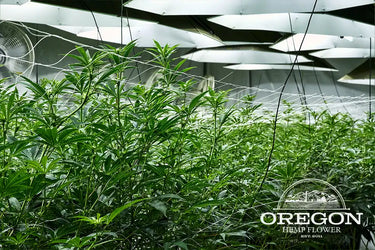
Greenhouse cultivation represents a hybrid approach between traditional outdoor farming and highly controlled indoor growing. Modern greenhouse facilities use transparent or translucent structures—typically glass or specialized plastics—that allow natural sunlight to penetrate while protecting plants from environmental stressors like wind, excessive rain, pests, and temperature extremes.
These structures aren't simply passive shelters. Advanced greenhouse operations incorporate sophisticated environmental controls that rival indoor facilities while maintaining the energy efficiency and natural light benefits of outdoor cultivation. The result is premium flower quality at a more accessible price point than indoor-grown alternatives.
How Greenhouse Structures Work
The science behind greenhouse cultivation leverages the natural greenhouse effect—the same phenomenon that warms our planet. Sunlight enters through transparent walls and roofs, warming the interior air and surfaces. This heat becomes trapped, creating a warmer environment than the outside ambient temperature. For cannabis cultivation, this means extending growing seasons, protecting sensitive plants from frost, and creating optimal conditions year-round.
Modern greenhouses designed for THCA greenhouse flower production incorporate:
Light Deprivation Systems: Automated blackout curtains or shades that control photoperiods, triggering flowering at optimal times regardless of natural daylight hours. This allows growers to manipulate plant cycles and potentially achieve multiple harvests per year.
Climate Control Technology: Heating systems for cold periods, evaporative cooling for hot days, and humidity management systems that maintain ideal vapor pressure deficit (VPD) for maximum cannabinoid and terpene production.
Supplemental Lighting: LED or HPS lights that augment natural sunlight during shorter days or cloudy periods, ensuring plants receive consistent light intensity throughout their growth cycle.
Air Circulation: Industrial fans and ventilation systems that prevent mold, strengthen plant stems, and distribute CO2 evenly throughout the facility.
Benefits of Greenhouse Growing
The advantages of greenhouse cultivation for THCA flower production are substantial:
Cost Efficiency: By utilizing free sunlight as the primary light source, greenhouse operations dramatically reduce electricity costs compared to indoor grows. These savings translate to more affordable products for consumers without sacrificing quality.
Environmental Sustainability: Lower energy consumption means a smaller carbon footprint. Greenhouse cultivation represents a more sustainable approach to cannabis production, an increasingly important consideration for environmentally conscious consumers.
Quality Control: Unlike outdoor cultivation, greenhouse growing protects plants from contaminants, pests, and weather damage. Growers can intervene immediately if problems arise, maintaining consistent quality standards.
Terpene Preservation: Natural sunlight provides a full spectrum of light wavelengths that many believe enhances terpene production. Many users report that greenhouse flower offers more complex aromatic profiles than indoor alternatives.
Year-Round Production: Climate-controlled greenhouses enable cultivation regardless of season, ensuring steady supply and fresh flower availability throughout the year.
How THCA Greenhouse Flower is Produced
Understanding the production process helps you appreciate the skill and precision required to create best THCA greenhouse flower for first time users.
Seed Selection and Genetics
Everything starts with genetics. Reputable greenhouse cultivators source their seeds or clones from proven genetic lines known for high THCA production, desirable terpene profiles, and stable growth characteristics. Popular genetics include strains descended from legendary cannabis varieties, carefully bred to maximize THCA content while remaining compliant with hemp regulations.
The key is finding cultivars that consistently produce high THCA percentages (often 20-30% by dry weight or higher) while maintaining Delta-9 THC levels below the 0.3% threshold before decarboxylation. This requires careful breeding and selection, as not all cannabis genetics meet these specific requirements.
Growing Timeline from Seed to Harvest
The production timeline for THCA greenhouse flower typically spans 3-5 months from seed or clone to cured flower:
Germination and Seedling Stage (1-2 weeks): Seeds sprout and develop their first true leaves, establishing root systems in controlled conditions.
Vegetative Growth (4-8 weeks): Plants focus on developing stems, branches, and leaves under 18-24 hours of light per day. During this phase, plants are trained and pruned to optimize canopy structure.
Flowering Stage (8-10 weeks): After switching to a 12/12 light schedule (or using light deprivation), plants develop flowers rich in cannabinoids and terpenes. This is when THCA production reaches its peak.
Harvest Window: Timing is critical. Cultivators monitor trichome development using microscopes, harvesting when trichomes show the ideal ratio of clear, cloudy, and amber coloration—typically when cannabinoid production is at its absolute peak.
Environmental Controls Used
Greenhouse cultivation of THCA flower requires precise environmental management:
Temperature: Maintained between 70-85°F during the day and 60-70°F at night during flowering, with slight variations depending on strain requirements.
Humidity: Carefully controlled through the growth cycle, starting around 60-70% during vegetation and dropping to 40-50% during late flowering to prevent mold and maximize resin production.
Air Flow: Constant circulation prevents stagnant air pockets, strengthens stems, and distributes CO2 to all plant surfaces.
Nutrients: Balanced feeding programs that provide nitrogen during vegetation and transition to phosphorus and potassium-heavy formulas during flowering to support cannabinoid production.
Harvesting at Peak THCA Levels
Expert cultivators harvest at the precise moment when THCA concentration reaches its maximum—typically when trichomes transition from clear to cloudy with just a touch of amber coloration. Harvesting too early yields less potent flower, while waiting too long can result in THCA degrading into CBN, which produces more sedative effects.
After harvest, plants are carefully trimmed to remove excess leaf material, leaving behind the cannabinoid-rich flowers that become the THCA greenhouse flower you purchase.
Curing and Processing
The curing process is where good flower becomes great. Fresh-cut plants are hung in temperature and humidity-controlled rooms (typically 60°F and 60% humidity) for 10-14 days until stems snap cleanly. Then flowers are placed in sealed containers and "burped" regularly over 2-4 weeks, allowing residual moisture to distribute evenly while chlorophyll breaks down.
Proper curing enhances flavor, smoothness, and potency while preventing mold. It's the difference between harsh, hay-smelling flower and the smooth, terpene-rich experience that defines premium THCA greenhouse flower.
Legal Status of THCA Flower
One of the most common questions beginners ask is: is THCA greenhouse flower legal in my state? The answer requires understanding both federal law and state-specific regulations.
2018 Farm Bill Explanation
The Agricultural Improvement Act of 2018, commonly called the Farm Bill, legalized hemp and hemp derivatives containing no more than 0.3% Delta-9 THC by dry weight. This legislation created a legal distinction between marijuana (cannabis with more than 0.3% Delta-9 THC) and hemp (cannabis with 0.3% or less Delta-9 THC).
Why THCA is Federally Legal
Here's where it gets interesting: greenhouse THCA flower legal status exists because the Farm Bill specifically references Delta-9 THC concentration, not total THC or THCA levels. Since THCA is not Delta-9 THC in its acidic form, flower can contain high THCA percentages while remaining legally compliant as long as the Delta-9 THC stays below 0.3%.
This is the exact definition used in the law: Delta-9 THC specifically, measured by dry weight before decarboxylation occurs. Laboratory testing confirms compliance by measuring the specific Delta-9 THC molecule, not the THCA that will convert to THC upon heating.
State-by-State Considerations
While federally legal, THCA flower faces varying treatment at the state level. Most states follow federal hemp laws and permit THCA flower sales and possession. However, some states have enacted additional restrictions or bans on hemp products containing any form of THC or its precursors.
States with particularly restrictive hemp laws may prohibit THCA flower despite its federal legality. Always research your specific state's regulations before purchasing. Reputable vendors will not ship to states where THCA flower is restricted.
Delta-9 THC Limits and Compliance
The 0.3% Delta-9 THC threshold is non-negotiable. All compliant hemp derived THCA flower must test below this limit. Growers achieve this through:
- Selecting genetics bred specifically for high THCA and low Delta-9 THC
- Harvesting at optimal timing before significant THCA conversion occurs naturally
- Proper handling and storage to prevent premature degradation
Lab Testing Requirements
Legitimate THCA greenhouse flower operations conduct comprehensive third-party laboratory testing on every harvest batch. These Certificates of Analysis (COAs) verify:
- Delta-9 THC content (must be ≤0.3%)
- Total THCA percentage
- Full cannabinoid profile
- Terpene analysis
- Absence of pesticides, heavy metals, and microbials
Always request and review COAs before purchasing. They're your guarantee of both legality and quality.
Effects and Benefits of THCA Flower
Understanding THCA flower effects requires distinguishing between raw THCA consumption and decarboxylated THCA (which becomes THC).
What Happens When You Smoke or Vape THCA
When you ask what happens when you smoke THCA flower, the answer is straightforward: you experience effects virtually identical to smoking traditional marijuana. The combustion or vaporization heat instantly converts THCA to THC, which then interacts with your endocannabinoid system.
Within minutes, you'll typically experience:
- Euphoria and mood elevation
- Altered sensory perception
- Relaxation and physical comfort
- Potential creativity or introspection
- Increased appetite
- Possible sleepiness (strain-dependent)
The specific effects depend on the strain's terpene profile and cannabinoid ratios. Sativa-dominant genetics tend toward energizing, cerebral effects, while indica-dominant varieties lean toward physical relaxation and sedation.
Expected Effects After Decarboxylation
The intensity and duration of effects from THCA flower match those of traditional cannabis because, after decarboxylation, they're chemically identical. Effects typically last 1-3 hours when smoked or vaped, with peak intensity occurring 15-45 minutes after consumption.
First-time users should start with small amounts—literally one or two puffs—and wait 15-20 minutes to assess effects before consuming more. This "start low and go slow" approach prevents overwhelming experiences.
Potential Wellness Benefits
While research is ongoing, users report various wellness benefits from THCA flower effects, including:
- Stress and anxiety relief
- Pain management support
- Sleep quality improvement
- Appetite stimulation
- Mood enhancement
- Creative inspiration
It's important to note that cannabis affects everyone differently. What works wonderfully for one person might not suit another, which is why experimentation with different strains and consumption methods is common.
Comparison to Delta 8 and Delta 9
THCA greenhouse flower offers a different experience than Delta 8 products. After decarboxylation, THCA becomes Delta-9 THC—the same compound found in marijuana. This means THCA flower typically produces stronger, more traditional cannabis effects than Delta 8, which many users describe as milder or more clear-headed.
The advantage of THCA flower over isolated Delta-9 products is the "entourage effect"—the synergistic interaction between multiple cannabinoids and terpenes present in whole-plant flower. Many users find this creates a more balanced, nuanced experience than products containing isolated cannabinoids.
How to Use THCA Greenhouse Flower
Learning how to use THCA flower properly ensures both safety and enjoyment.
Smoking Methods
Traditional combustion remains the most common consumption method:
Glass Pipes: Simple, portable, and easy to control dosage. Glass provides clean flavor and is easy to maintain.
Water Pipes (Bongs): Water filtration cools smoke and removes some particulates, providing smoother hits. Ideal for users who find regular smoking harsh.
Pre-Rolls: Convenient for beginners, pre-rolled joints eliminate the need for rolling skills. Many dispensaries offer pre-rolls specifically featuring THCA greenhouse flower.
Hand-Rolled Joints: Traditional but requires practice. Rolling papers come in various sizes and materials (hemp, rice, flax).
Vaping Temperatures
Dry herb vaporizers offer a healthier alternative to smoking by heating flower to temperatures that vaporize cannabinoids and terpenes without combustion:
- 315-325°F: Preserves maximum terpene flavors, lighter effects
- 350-370°F: Balanced flavor and potency, most popular range
- 380-410°F: Maximum cannabinoid extraction, fuller effects
- Above 420°F: Approaching combustion, harsher vapor
Vaporizing THCA flower provides more control over your experience and is generally considered less harsh on lungs than smoking.
Making Edibles (Decarboxylation Required)
To use THCA greenhouse flower in edibles, you must first decarboxylate it in an oven:
- Grind flower coarsely
- Spread evenly on parchment-lined baking sheet
- Bake at 240°F for 30-40 minutes
- Infuse decarbed flower into butter or oil using low heat (never exceeding 250°F)
- Strain plant material and use infused oil/butter in recipes
Edible effects take 60-120 minutes to manifest but last significantly longer (4-8 hours), so patience is crucial for beginners.
Dosage Guidelines for Beginners
For best THCA greenhouse flower for first time users, conservative dosing is essential:
First-time users: Start with 1-2 small puffs from a pipe or joint. Wait 15-20 minutes before considering more.
Occasional users: 3-5 puffs or a small bowl (approximately 0.1-0.2 grams).
Edibles: Start with no more than 5-10mg THC equivalent. Wait at least 2 hours before considering additional dosing.
Remember: you can always consume more, but you can't consume less once you've overdone it.
Quality Indicators: What to Look For
Identifying premium THCA greenhouse flower requires knowing what separates exceptional product from mediocre alternatives.
Visual Inspection Tips
Quality flower displays several visual characteristics:
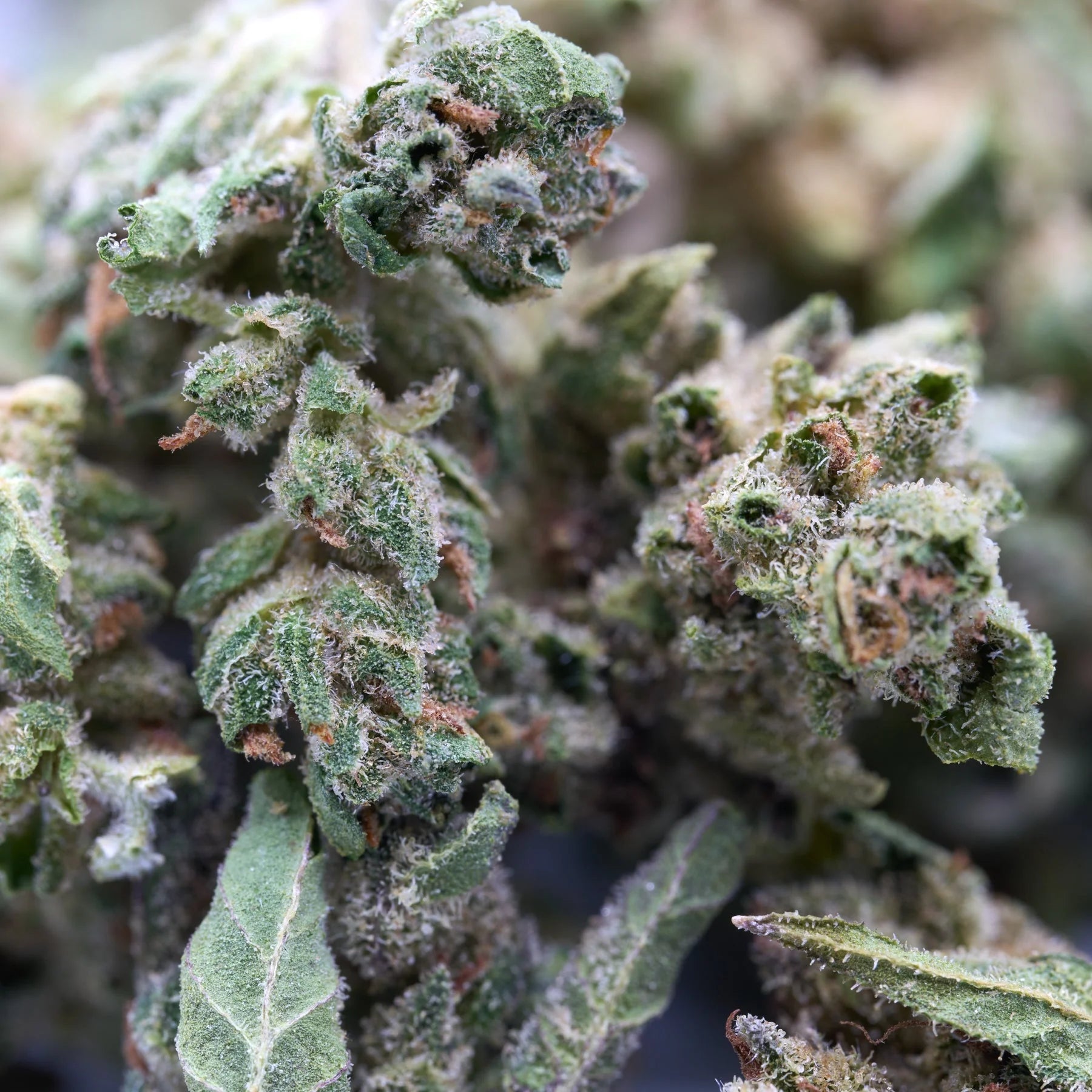
Trichome Coverage: Look for dense frost—a thick coating of crystalline trichomes that give buds a sparkling, sugar-coated appearance. These resin glands contain the cannabinoids and terpenes you're seeking.
Bud Structure: Well-grown greenhouse flower shows tight, dense bud structure without being overly compressed. Buds should be firm but slightly springy when gently squeezed.
Color: Vibrant greens, purples, or oranges indicate proper growth and curing. Avoid brown, yellow, or gray flower, which suggests poor quality or improper storage.
Trim Quality: Excess sugar leaf should be removed, showcasing the actual flower structure. Over-trimmed buds sacrifice some trichomes, while under-trimmed buds contain harsh plant material.
Aroma and Terpenes
Smell is one of your best quality indicators. Premium THCA flower should have strong, distinct aromas—anything from fruity and sweet to earthy and fuel-like depending on terpene profile. Common terpene notes include:
- Myrcene: Earthy, musky, herbal (relaxing)
- Limonene: Citrus, lemon (uplifting)
- Caryophyllene: Spicy, peppery (calming)
- Pinene: Pine, fresh (alertness)
- Linalool: Floral, lavender (calming)
Weak, hay-like, or musty smells indicate improper curing or old product.
Lab Testing Certificates (COAs)
Never purchase THCA greenhouse flower without reviewing current COAs. These documents should show:
- Batch-specific testing (not generic certificates used across multiple batches)
- Testing date within the last 6 months
- Cannabinoid percentages including THCA and Delta-9 THC
- Terpene profile with specific percentages
- Contaminant screening showing "ND" (non-detect) for pesticides, heavy metals, and microbials
Reputable vendors make COAs easily accessible on their websites or provide them upon request.
Buying Your First THCA Greenhouse Flower
Ready to make your first purchase? Here's how to how to buy THCA greenhouse flower online wisely.
What to Look for When Shopping
Transparent Sourcing: Reputable vendors clearly state where and how their flower is grown. Look for details about cultivation methods, harvest dates, and strain genetics.
Detailed Product Descriptions: Quality retailers provide comprehensive information about each strain including cannabinoid percentages, terpene profiles, effects, and flavors.
Customer Reviews: Real user feedback helps you understand what to expect. Look for detailed reviews mentioning effects, flavor, and quality.
Responsive Customer Service: Companies that stand behind their products offer accessible customer support to answer questions and address concerns.
Price Expectations
THCA greenhouse flower pricing varies based on quality, potency, and vendor, but expect:
- Budget tier: $30-60 per ounce (may sacrifice some quality)
- Mid-tier: $60-120 per ounce (solid quality, good value)
- Premium tier: $120-200+ per ounce (exceptional quality, high potency)
Bulk purchasing typically offers better per-gram pricing. Many vendors offer discounts for larger quantities.
Reputable Sources
When considering where to buy THCA greenhouse flower online, prioritize vendors who:
- Provide batch-specific lab testing for all products
- Offer detailed strain information and cultivation details
- Have established reputations with verified customer reviews
- Clearly state their shipping policies and legal compliance
- Provide responsive customer service
Oregon Hemp Flower exemplifies these standards, offering premium greenhouse-grown THCA flower with complete transparency and third-party testing.
Starting Strains for Beginners
The best THCA greenhouse flower for first time users typically includes balanced hybrids or mild sativas that won't overwhelm:
Balanced Hybrids: Offer moderate effects good for gauging tolerance. Look for strains with balanced terpene profiles.
Popular Beginner Strains: Blue Dream, Northern Lights, or other classics known for approachable, predictable effects.
Lower THCA Percentages: Starting with flower in the 20-25% THCA range rather than 30%+ allows easier dose control.
Conclusion
Understanding what is THCA greenhouse flower opens doors to a fascinating intersection of agriculture, chemistry, and wellness. As we've explored throughout this THCA greenhouse flower guide, these products represent a unique category—federally legal hemp that, when heated, produces effects identical to traditional cannabis.
The key takeaways for beginners include understanding the difference between THCA flower and regular weed (legal status and source, not effects after decarboxylation), recognizing that greenhouse cultivation offers exceptional quality at accessible prices, and knowing that proper research and responsible consumption ensure positive experiences.
Whether you're seeking wellness support, recreational enjoyment, or simply curious about this plant, starting with quality THCA greenhouse flower from reputable sources sets you up for success. Take time to review lab tests, start with small doses, and explore different strains to find what works best for your needs.
Ready to experience premium beginner THCA flower? Explore our carefully curated selection of greenhouse-grown THCA flower, complete with detailed strain information, current lab testing, and expert guidance to help you make informed decisions. Your journey into the world of THCA flower starts here.
FAQ: Your THCA Greenhouse Flower Questions Answered
Will THCA greenhouse flower get me high?
In its raw form, no—THCA is non-psychoactive. However, when you smoke, vape, or cook THCA greenhouse flower, heat causes decarboxylation that converts THCA into THC, producing intoxicating effects identical to traditional marijuana. This is exactly what happens when you smoke THCA flower—instant conversion to THC upon combustion.
Is THCA flower the same as marijuana?
Legally, no. THCA flower qualifies as hemp under federal law because it contains less than 0.3% Delta-9 THC by dry weight. Marijuana is defined as cannabis containing more than 0.3% Delta-9 THC. However, chemically and experientially, after decarboxylation, they're identical. The difference between THCA flower and regular weed is purely legal classification and source, not effects.
How long does THCA flower stay fresh?
Properly stored THCA greenhouse flower maintains peak quality for 6-12 months. Store in airtight containers in cool, dark, dry locations (60-70°F, 59-63% humidity). Mason jars with humidity packs work excellently. Avoid clear containers, excessive heat, and humidity extremes, all of which degrade cannabinoids and terpenes. Freezing is not recommended for smoking flower as it damages trichomes, though it works for long-term storage of material destined for extraction.
What's the difference between THCA and CBD flower?
THCA flower and CBD flower differ dramatically in effects. CBD flower contains high cannabidiol (non-intoxicating) and minimal THCA, producing no psychoactive effects even when smoked. THCA greenhouse flower contains high THCA that converts to intoxicating THC when heated. Think of CBD flower as the non-intoxicating option and THCA flower as the option that produces traditional cannabis effects after decarboxylation.
Can I travel with THCA greenhouse flower?
This depends on your travel method and destination. THCA flower is federally legal, but state laws vary. Driving across state lines is generally permissible if both states allow hemp products, but always verify specific state regulations. Flying with THCA flower is legally complex—TSA guidelines state they don't specifically search for cannabis products but defer to federal law. However, individual TSA agents may not understand the legal distinction between THCA hemp and marijuana, potentially causing complications. Always carry COAs proving compliance and research your destination's laws. When questioning is THCA greenhouse flower legal in my state, consult current local regulations.
How much THCA flower should I use my first time?
For first-time users, start extremely conservatively. Take one or two small puffs from a pipe or joint, then wait 15-20 minutes to assess effects before consuming more. A good starting amount is approximately 0.025-0.05 grams (barely enough to cover your pipe bowl's screen). The best THCA greenhouse flower for first time users approach is "start low and go slow." You can always consume more, but you cannot reverse overconsumption. Many negative first experiences result from taking too much too quickly.
Does THCA flower show up on drug test?
Yes, absolutely. Does THCA flower show up on drug test screening? Definitely. Once decarboxylated (through smoking, vaping, or cooking), THCA converts to THC, which produces THC metabolites that standard drug tests detect. These metabolites can remain detectable in urine for days to weeks depending on consumption frequency and individual metabolism. If you face drug testing for employment or other reasons, you should avoid THCA flower entirely, as there is no way to distinguish between THC from legal THCA flower and THC from marijuana in standard testing.
