


THCA Wholesale in 2026: How Retailers Are Sourcing and What Buyers Need to Know

The hemp industry has matured rapidly over the last several years, and nowhere is that maturity more visible than in the B2B wholesale segment. The THCA wholesale 2026 market looks significantly different from the early, fragmented landscape that characterized the post-Farm Bill era — more organized, more competitive, more compliance-conscious, and frankly more sophisticated on both the supply and demand sides. Retailers who entered the THCA space five years ago and are still sourcing the same way they did then are already behind.
Whether you're a smoke shop owner looking to round out your hemp inventory, a dispensary-adjacent retailer building a THCA-forward product line, or an entrepreneur assessing entry into the wholesale hemp business, this guide covers what the THCA wholesale market looks like in 2026, how sourcing relationships actually work, what documentation you need to be asking for, and how to make confident bulk purchasing decisions in an environment where quality and compliance are no longer optional considerations.
The Current State of the THCA Wholesale Market in 2026
The THCA wholesale market has gone through several distinct phases since hemp-derived cannabinoids gained mainstream traction. The earliest phase was characterized by scarcity, high prices, and a gold-rush mentality where buyers were so eager to secure product that basic due diligence got skipped. The middle phase brought oversupply in some segments — particularly outdoor and greenhouse flower — driving prices down sharply and forcing less serious operators out of the market. What emerged from that shakeout is what buyers are navigating today.
The 2026 THCA bulk supplier landscape is dominated by three categories of players: established hemp cultivators who have invested in consistent genetics and growing infrastructure, processor-extractor operations that have refined their methods to produce concentrates and derivatives at scale, and distribution networks that aggregate product and serve as intermediaries for retailers who need variety without the logistical overhead of managing dozens of direct-farm relationships.
What's notable about 2026 is the degree to which compliance infrastructure has become a genuine differentiator. Buyers learned — sometimes the hard way — that the cheapest product often came with the weakest documentation, and the consequences of sourcing non-compliant THCA product have become serious enough that most professional retail buyers now treat compliance verification as a baseline requirement rather than a bonus. The wholesale buyers who are building durable businesses today are the ones who figured this out early.
Demand has also diversified considerably. The wholesale THCA flower segment remains the anchor of the market, but bulk concentrates — wax, diamonds, live resin, distillate — have carved out a meaningful and growing share of B2B purchasing activity. Pre-roll wholesale, vape hardware and fill programs, and even THCA gummy and edible components have all matured into serious wholesale categories. Retailers who think about THCA wholesale purely in terms of flower are leaving product categories on the table.
Understanding the THCA Wholesale Supply Chain
To source intelligently, buyers need to understand how the supply chain is structured — because where your supplier sits in that chain has direct implications for pricing, quality visibility, and the strength of your compliance documentation.
Direct-from-Cultivator Sourcing
Buying directly from licensed hemp cultivators is the most direct path to quality information and the strongest possible pricing. When you buy from the farm that grew the product, you can ask specific questions about growing practices — whether the operation uses organic inputs, how the harvest timing is managed, what drying and curing protocols are in place — and get answers that are actually grounded in operational knowledge rather than marketing language.
Direct-from-farm THCA B2B sourcing also gives you the cleanest possible compliance documentation trail. The COA ties directly to the farm's licensed grow operation, the hemp origin certificate is unambiguous, and the chain of custody from cultivation through harvest through sale is easier to establish and verify.
The tradeoffs are real, though. Direct-from-cultivator purchasing typically involves higher minimum order quantities, more logistical complexity on the buyer's side, and a narrower product selection per supplier. If you're looking to source indoor THCA flower, outdoor trim, concentrates, and pre-rolls from a single source, one farm relationship is unlikely to cover all of it. Managing five or ten direct-farm relationships simultaneously is a meaningful operational lift.
Wholesale Distributors
THCA distributor 2026 operations have matured significantly. The better wholesale distributors have moved well past the old model of simply aggregating whatever product they could find and reselling it. Leading distributors now maintain quality standards across their supplier network, conduct their own COA verification before products enter their catalog, and offer product warranties or return policies that direct-from-farm purchasing often doesn't include.
For retailers who need product variety and don't have the purchasing volume to justify maintaining multiple direct-farm relationships, working with a reputable distributor makes strong operational sense. Lower minimums, consolidated logistics, and the ability to mix products across different categories within a single purchase order are all genuine advantages.
The counterbalancing consideration is that distributor pricing will be higher than direct-from-farm pricing — that's the cost of the logistical and quality-vetting services the distributor provides. And because the distributor is one step removed from cultivation, COA documentation verification requires a bit more attention. Always confirm that the COA you're receiving is batch-specific and tied to the actual lot you're purchasing, not a generic or outdated document the distributor has on file for that product line.
Brand Partner and White Label Programs
A third sourcing model that has gained significant traction in 2026 is the brand partner or white label wholesale arrangement. In this model, an established THCA brand that has invested in cultivation quality, lab testing infrastructure, and compliance systems offers retailers the ability to carry their products — either under the brand's existing label or under the retailer's own private label.
White label THCA wholesale is particularly attractive for retailers who want to build a branded product line without building cultivation and processing infrastructure from scratch. The brand partner handles growing, processing, testing, and compliance documentation; the retailer focuses on customer relationships and sales. Margins are compressed compared to owning the product chain outright, but the operational complexity is dramatically lower.
The quality control advantage of brand partner programs is meaningful. Established brands with real reputations have strong incentives to maintain consistent quality across their wholesale program — their reputation is tied to every unit that goes out under their name. That alignment of incentives is something buyers don't always get from anonymous spot-market purchases.

THCA Wholesale Pricing in 2026: What Buyers Should Expect
THCA wholesale pricing in 2026 reflects both the maturation of the market and the ongoing bifurcation between premium and commodity product segments.
Flower Pricing by Tier
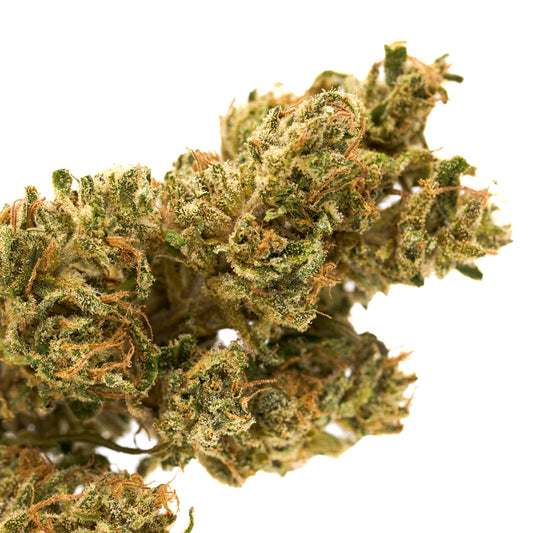
Premium indoor THCA flower — top-shelf genetics, controlled grow environments, careful hand-trimming, rigorous curing — typically runs in the $800–$2,000 per pound range at the wholesale level, with pricing varying based on strain desirability, supplier relationship depth, and order volume. The highest-quality craft indoor from boutique cultivators can push above this range for specific sought-after genetics.
Greenhouse-grown THCA flower occupies a middle tier, typically pricing in the $400–$800 per pound range depending on quality and canopy management practices. Well-run greenhouse operations can produce product that competes aesthetically and chemically with indoor in ways that weren't possible five years ago, making greenhouse-tier wholesale an increasingly interesting value proposition for price-sensitive retail segments.
Outdoor and light-dep THCA flower comes in at the lowest price points — often $150–$400 per pound — and serves different retail use cases. Outdoor is frequently used in pre-roll production and trim programs where visual aesthetics matter less than cannabinoid content and price efficiency.
Bulk THCA Concentrates Pricing
Bulk THCA concentrates pricing varies considerably by extraction method, purity, and format. THCA isolate — the highest-purity format at 99%+ THCA — typically runs $3,000–$6,000 per kilogram at wholesale scale. THCA diamonds (crystalline formations that achieve very high purity while retaining some terpene character) generally fall in a similar range but with more price variation based on visual quality.
Live resin concentrates, which use fresh-frozen plant material to preserve the full terpene profile, command premium pricing even at wholesale. Live resin wholesale pricing often runs $8–$18 per gram in quantity, reflecting the higher cost of the fresh-frozen input material and more complex extraction process. Wax and traditional BHO concentrate formats run lower, typically $3–$8 per gram at wholesale depending on purity and starting material quality.
Volume Discount Structure
Buy THCA wholesale with volume in mind — nearly all suppliers structure pricing in tiers based on quantity, and the discount curves can be significant. A buyer purchasing a single pound of indoor flower might pay $1,800; the same product purchased at five pounds might run $1,400 per pound, and a ten-pound commitment might bring pricing to $1,100 per pound or below. Understanding a supplier's volume tier structure before committing to order size is essential for margin planning.
What Documentation Should Every Wholesale Buyer Require
The documentation requirements for responsible THCA B2B sourcing have become more standardized as the industry has matured, but not every supplier has kept pace. Here's the documentation baseline that professional wholesale buyers should treat as non-negotiable.
Batch-Specific COAs
Every product purchase should be accompanied by a Certificate of Analysis from an accredited third-party laboratory tied specifically to the batch being purchased. Generic COAs — documents that reflect what a product tested as historically, rather than what the actual batch you're buying tested as — are not sufficient for serious wholesale purchasing. Batch-specific COAs should include cannabinoid potency panels (confirming THCA content and verifying that total THC after decarboxylation does not exceed the 0.3% threshold required for Farm Bill compliance), terpene profiles where relevant, and pesticide, residual solvent, and heavy metals screening.
When evaluating COAs, pay attention to the lab accreditation. ISO/IEC 17025 accreditation is the industry standard for analytical testing labs working with hemp and cannabis products. COAs from non-accredited labs carry less evidentiary weight and are easier to manipulate or misrepresent.
Hemp Farm License Documentation
Any legitimate wholesale supplier should be able to provide documentation confirming that the source cultivation operation holds a valid hemp license — either a USDA-approved state hemp program license or direct USDA licensure. This documentation establishes the legal status of the source material and is a foundational piece of your compliance file.
Farm Bill Compliance Statements
A written Farm Bill compliance statement from the supplier — affirming that the product was produced in compliance with applicable federal and state hemp regulations — is standard practice among professional THCA distributors and suppliers. This document doesn't replace COA verification but provides an additional layer of documented compliance representation from the supplier.
Chain of Custody Documentation
For larger purchases or for buyers operating in markets with heightened regulatory scrutiny, chain-of-custody documentation that traces the product from farm through processing through distribution to sale provides the strongest possible compliance position. Not all suppliers can provide this level of documentation, but the best ones can — and it's worth asking about.
Building Durable THCA Wholesale Relationships
Spot purchasing — buying product one-off from whoever has the best price at a given moment — is a valid approach for testing the market, but it's not a sourcing strategy that scales well or provides supply chain resilience. The retailers who are building successful THCA businesses in 2026 are building durable relationships with a small number of carefully vetted suppliers, and those relationships pay dividends in multiple ways.
Suppliers who view you as a relationship partner rather than a one-time transaction will prioritize your access to high-demand product during supply crunches, communicate proactively about availability issues before they become problems, and work with you on pricing as your purchase volume grows. In a market where top-shelf THCA genetics can sell out quickly and quality product at competitive prices requires ongoing relationships, the transactional approach leaves buyers consistently scrambling.
The vetting process for a new wholesale relationship should move through a defined sequence. Start with documentation review — COAs, farm licenses, compliance statements — before you ever place an order. Then place a small test order, typically the minimum available, and evaluate the product against the COAs and against the supplier's claims before committing to larger purchases. Assess the logistics and communication quality during the test order phase. Only after a supplier passes these evaluations should you scale purchase volume and begin negotiating for volume pricing.
This approach takes longer upfront than simply ordering from whoever answers the phone, but it produces a significantly more reliable supply chain and substantially less risk of receiving non-compliant or misrepresented product.

Regional and Platform Considerations for THCA Wholesale Buying
The hemp wholesale buyer guide for 2026 has to account for the reality that THCA operates in a complex and evolving regulatory environment. While federal Farm Bill compliance establishes the baseline legal framework, state-level regulations vary considerably and some states have enacted specific restrictions on THCA products or on THC content calculated using total potential THC formulas rather than delta-9 THC alone.
Wholesale buyers operating in states with more restrictive hemp cannabinoid regulations need to be particularly careful about the total THC calculation methodology used in their compliance evaluation. Some states apply a formula that adds delta-9 THC content to 87.7% of THCA content — which can push products that are federally compliant under the delta-9-only standard into non-compliance at the state level. Knowing your state's regulatory framework and sourcing product specifically evaluated against that framework is essential risk management.
Platform considerations matter for B2B sourcing as well. Online B2B wholesale marketplaces have emerged as meaningful sourcing channels, but they vary widely in the quality of their vendor vetting and documentation requirements. Established B2B hemp platforms that require participating vendors to submit and verify COA and license documentation provide a safer sourcing environment than open marketplaces where listing is unrestricted. Regardless of platform, buyers should never rely on the platform's vetting as a substitute for their own documentation review.
Common Mistakes THCA Wholesale Buyers Make
The most expensive lessons in wholesale sourcing tend to come from predictable and avoidable mistakes. Understanding where other buyers have gone wrong is useful preparation for navigating the market more safely.
Prioritizing price over documentation. The cheapest THCA wholesale product available is almost never the best value once compliance risk is factored in. Suppliers who undercut market pricing are often doing so by cutting corners somewhere — on genetics quality, on testing rigor, on grow practices, or on compliance documentation. A per-pound savings of $200 that comes with a non-compliant COA or a contested compliance status is not a savings at all.
Accepting generic or outdated COAs. COAs have a shelf life. A COA from six months ago tells you what a batch tested as six months ago, not what you're receiving today. Always request COAs generated within the last 90 days and tied specifically to the lot you're purchasing.
Skipping the test order phase. Scaling purchase volume with a new supplier before validating quality through a smaller test order is a risk that experienced buyers don't take. Product can be misrepresented in listing photos, descriptions, or even in COAs produced for different batches than the one being shipped. Test orders protect against this.
Ignoring harvest and production dates. THCA flower is a fresh agricultural product. Purchasing flower without knowing its harvest date and storage history is purchasing blind. Ask about harvest dates for every flower purchase and be cautious about product that suppliers are vague about regarding freshness.
Neglecting strain and terpene profile diversification. Retail customers have developed meaningful preferences around strain type and terpene profiles. Wholesale buyers who stock only a single strain or two leave customer needs unmet and risk heavy inventory when consumer preferences shift. Diversifying across indicas, sativas, and hybrids — and across different terpene profiles — reduces inventory risk.
Oregon Hemp Flower: A THCA Wholesale Partner Built for Retailers
For retailers evaluating THCA wholesale 2026 sourcing options, Oregon Hemp Flower offers a B2B wholesale program built on the foundation of verified quality, transparent documentation, and partner-level service for verified retail accounts.
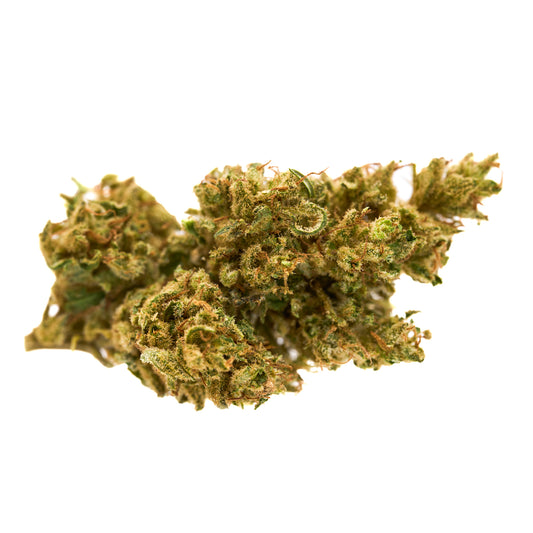
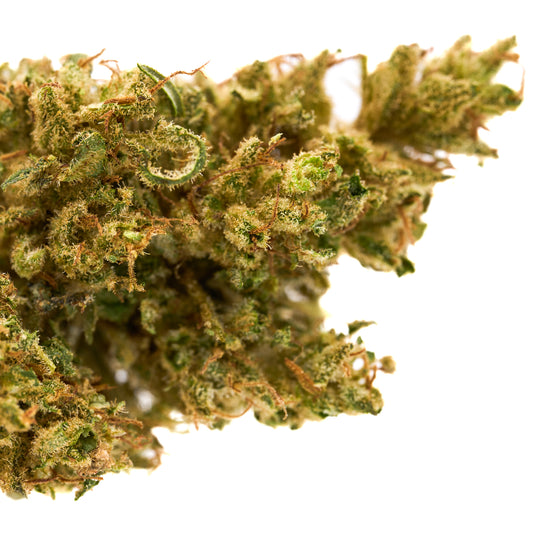
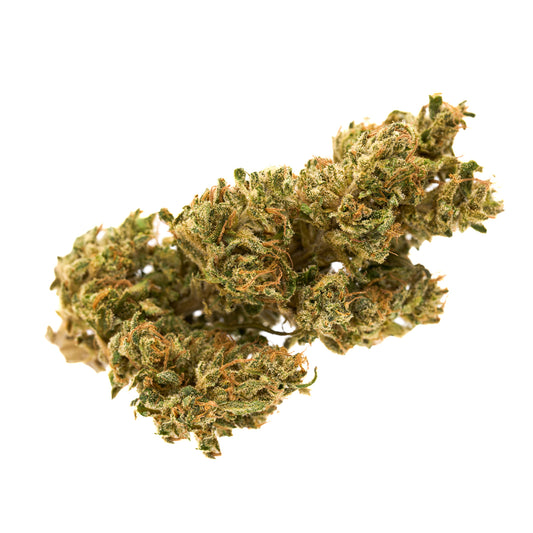
Our wholesale THCA flower inventory is sourced from licensed cultivators operating under rigorous quality and compliance standards, with batch-specific COA documentation available for every product in our catalog. We stock premium indoor THCA flower across a diverse strain selection — indica, sativa, and hybrid genetics — along with bulk THCA concentrates and derivative products for retailers building comprehensive hemp product lines.
Wholesale pricing is structured in competitive volume tiers with transparent per-pound rates, and our wholesale team works directly with retail partners to match sourcing needs to available inventory. We are not a drop-ship clearinghouse — we are a quality-focused wholesale partner that takes our retail relationships seriously.
FAQ: THCA Wholesale Buying in 2026
What is the minimum order quantity for THCA wholesale?
Minimum order quantities vary by supplier and product type. Direct-from-farm wholesale operations frequently require one pound or more per order. Distributors often offer lower minimum order thresholds — sometimes as low as a quarter pound — for mixed product orders. When evaluating a new supplier relationship, minimum order requirements should be one of the early questions you ask, since they directly affect your ability to test product quality before committing to larger volume.
How is THCA wholesale flower priced in 2026?
Premium indoor THCA flower at the wholesale level typically runs between $800 and $2,000 per pound depending on genetics quality, cultivation method, supplier relationship, and order volume. Greenhouse-tier flower runs lower, generally $400–$800 per pound. Outdoor and light-dep product is priced below that, often $150–$400 per pound depending on quality. All tiers see meaningful volume discounts at higher quantities.
What compliance documents should wholesale buyers always require?
The documentation baseline for responsible wholesale purchasing includes: batch-specific COAs from ISO/IEC 17025-accredited labs, hemp farm license documentation from the source cultivation operation, Farm Bill compliance statements from the supplier, and chain-of-custody documentation where available. Do not accept generic or undated COAs as a substitute for batch-specific documentation.
Is THCA legal to buy wholesale?
Hemp-derived THCA products produced in compliance with the 2018 Farm Bill — from licensed hemp cultivators with delta-9 THC content below 0.3% on a dry-weight basis — are federally compliant. However, state-level regulations vary significantly. Some states apply total potential THC formulas that can affect compliance status. Wholesale buyers should review their specific state's hemp regulations before purchasing and ensure sourced product is specifically evaluated for compliance in their operating market.
How do I evaluate a new THCA wholesale supplier?
Start with documentation review — request COAs, farm licenses, and compliance statements before placing any order. Place a small test order at the minimum available quantity and evaluate the product against the provided documentation and against the supplier's claims. Assess communication quality, logistics accuracy, and any discrepancies between what was represented and what was received. Only scale purchase volume after completing this evaluation phase.
What is the shelf life of wholesale THCA flower?
THCA flower maintains optimal potency and terpene expression for approximately 12 months from harvest date when stored correctly — in a cool, dark environment with controlled humidity, ideally in airtight containers. When purchasing wholesale flower, always ask for the harvest date and inquire about storage conditions. Flower approaching or past the 12-month mark from harvest should be priced accordingly and evaluated carefully for terpene degradation.
How do THCA wholesale concentrates differ from flower in pricing and documentation?
Concentrate pricing is structured per gram rather than per pound and varies significantly by extraction method and purity. THCA isolate at 99%+ purity runs roughly $3–$6 per gram at wholesale scale; live resin commands higher pricing due to process complexity; wax and traditional extract formats run lower. COA requirements for concentrates include potency panels, residual solvent testing, and heavy metals screening in addition to the standard cannabinoid panel. Always request extraction method documentation alongside COAs when purchasing bulk concentrates.
Can small retailers participate in THCA wholesale programs?
Many wholesale programs are accessible to smaller retailers, particularly through distributors who offer lower minimum order quantities than direct-from-farm purchasing. Brand partner and white label programs often have defined onboarding processes for smaller retail accounts. The key for smaller buyers is to be transparent about purchasing volume expectations upfront and to look for wholesale partners that have programs explicitly designed for retail accounts at various volume levels.
Final Thoughts: Sourcing THCA Wholesale with Confidence in 2026
The THCA wholesale 2026 market rewards buyers who approach sourcing systematically, prioritize compliance documentation, and invest in building genuine supplier relationships rather than chasing the lowest spot price. The supply chain has matured enough that quality, compliant product at competitive pricing is available — but finding it consistently requires the kind of diligence that separates professional wholesale buyers from opportunistic ones.
Whether you're buying THCA wholesale for the first time or optimizing a sourcing strategy that's been in place for years, the fundamentals haven't changed: verify documentation, test before scaling, build relationships, and treat compliance as the baseline rather than the ceiling.
Ready to explore THCA wholesale sourcing for your retail operation? Oregon Hemp Flower offers B2B wholesale programs for verified retail partners, with transparent pricing, current batch-specific COA documentation, and a product catalog built for serious retail buyers. Reach out to our wholesale team to learn about current inventory, pricing tiers, and how to get started with a test order.
