




What to Look for When Buying Bulk THCA Flower Online: The Complete Wholesale Buyer's Guide

The wholesale hemp market has experienced unprecedented growth, with buying bulk THCA online emerging as a critical supply chain decision for dispensaries, retailers, and cannabis businesses nationwide. As THCA flower continues to dominate the legal hemp landscape, wholesale buyers face a complex marketplace filled with varying quality standards, pricing structures, and supplier reliability concerns.
Making a bulk THCA purchase without proper due diligence can result in significant financial losses, compromised product quality, and potential legal complications. Whether you're placing your first wholesale order or looking to optimize your existing supply chain, understanding the critical factors that separate premium suppliers from problematic ones is essential for business success.
This comprehensive wholesale THCA guide walks you through the complete bulk THCA checklist every savvy buyer should follow before committing to large-scale purchases. From laboratory testing verification to shipping logistics and legal compliance requirements, we'll cover every aspect of ordering bulk THCA with confidence. By the end of this guide, you'll have the knowledge and framework needed to evaluate bulk THCA vendors, negotiate better pricing, and establish reliable supplier relationships that support your long-term business goals.
Lab Testing - Your First Line of Defense
Why Lab Reports Matter
When buying THCA wholesale, comprehensive laboratory testing represents your most critical quality assurance tool. Unlike retail purchases where you might rely on brand reputation or visual inspection, bulk THCA flower online transactions require absolute certainty about what you're purchasing—and only independent lab verification can provide that confidence.
Certificates of Analysis (COAs) serve as the definitive documentation of your product's cannabinoid profile, safety, and legal compliance. Every reputable bulk THCA supplier should readily provide batch-specific COAs that detail exact THCA percentages, typically ranging from 15% to 30% or higher for premium flower. These reports also reveal the presence of other cannabinoids including Delta-9 THC (which must remain below 0.3% for federal compliance), CBD, CBG, and minor cannabinoids that contribute to the entourage effect.
Beyond cannabinoid profiles, comprehensive bulk THCA lab tests must include contaminant screening for pesticides, heavy metals, residual solvents, mycotoxins, and microbial contaminants including mold, mildew, E. coli, and Salmonella. These safety screenings protect both your business reputation and end consumer health—contaminated product can result in customer illness, legal liability, and irreparable brand damage.
The distinction between third-party and in-house testing matters significantly. While some larger operations maintain their own testing facilities, third-party laboratories provide independent verification without potential conflicts of interest. ISO/IEC 17025 accreditation represents the gold standard for cannabis testing laboratories, indicating the facility meets international standards for technical competence and quality management systems.
What to Check in Lab Reports
When conducting your bulk THCA quality check, scrutinize every COA with the following criteria:
Batch specificity is non-negotiable. Each COA should reference a specific batch or lot number that corresponds exactly to the product you're purchasing. Generic or recycled lab reports represent a major red flag—unscrupulous suppliers sometimes provide testing from their best batches while shipping inferior product.
Testing recency matters significantly for bulk THCA quality verification. COAs older than six months raise concerns about product freshness and proper storage conditions. Cannabinoid profiles can degrade over time, particularly when flower isn't stored properly, so recent testing provides the most accurate representation of current product quality.
Laboratory credentials deserve verification. The testing lab should be clearly identified with contact information readily available. Cross-reference the lab's accreditation status through state regulatory agencies or ISO accreditation bodies. Reputable labs proudly display their certifications and welcome verification inquiries.
Comprehensive testing panels distinguish thorough suppliers from those cutting corners. Full-spectrum testing should include complete cannabinoid profiles (not just THCA and Delta-9 THC), terpene analysis, pesticide screening covering the EPA's complete list of cannabis-relevant pesticides, heavy metals testing (lead, arsenic, mercury, cadmium), and microbial contamination screening. Some suppliers offer only partial testing to reduce costs, but this creates significant risk exposure for wholesale buyers.
Vetting Bulk THCA Suppliers
Evaluating Supplier Credentials
The supplier selection process represents one of your most critical decisions when vetting bulk THCA sources. A supplier's track record, industry reputation, and business practices directly impact your product quality, delivery reliability, and long-term business success.
Years in operation provide valuable context about supplier stability and market experience. While new companies can certainly offer quality products, established bulk THCA vendors with three or more years in business demonstrate market resilience, consistent quality control, and refined operational systems. Long-term suppliers also tend to have more reliable cultivation relationships and better inventory management capabilities.
Customer testimonials and reviews offer insights into real-world supplier performance beyond marketing claims. Look for reviews from other wholesale buyers rather than just retail customers, as bulk purchasing experiences differ significantly from consumer transactions. Check multiple platforms including Google Reviews, industry forums, and B2B directories. Pay particular attention to feedback about product consistency, communication responsiveness, and how suppliers handle problems or disputes.
Industry certifications and memberships signal commitment to professional standards. Look for memberships in trade organizations like the U.S. Hemp Roundtable, Hemp Industries Association, or state-specific hemp trade groups. Some suppliers maintain additional certifications such as organic cultivation standards (though USDA organic certification isn't yet available for cannabis/hemp flower), Good Manufacturing Practices (GMP), or quality management system certifications.
Customer service responsiveness becomes critically important during large transactions. Before committing to a bulk THCA purchase, evaluate how quickly and thoroughly the supplier responds to inquiries. Ask detailed questions about cultivation practices, storage conditions, and quality control processes. Professional suppliers welcome detailed questions and provide comprehensive answers, while evasive responses or pressure tactics indicate potential problems.
Red Flags to Avoid
Certain warning signs should trigger immediate caution or complete deal abandonment when buying bulk THCA online:
Missing or inadequate lab reports represent the most obvious and serious red flag. Any supplier unwilling or unable to provide comprehensive, recent, batch-specific COAs from accredited third-party laboratories should be immediately disqualified from consideration. This non-negotiable standard protects both legal compliance and product safety.
Suspiciously low pricing often indicates inferior quality, outdated inventory, or contaminated product being liquidated. While finding competitive pricing matters, bulk THCA pricing significantly below market rates suggests problems. Premium THCA flower with 20%+ cannabinoid content and clean testing has inherent production costs—prices far below competitors likely mean you're not getting what you think you're paying for.
Poor communication or unprofessional behavior forecasts future problems. Suppliers who are difficult to reach, provide inconsistent information, miss scheduled calls, or demonstrate general disorganization will likely create headaches throughout your business relationship. Professional wholesale suppliers maintain clear communication channels, respond promptly to inquiries, and demonstrate organizational competence.
Absence of return, refund, or guarantee policies leaves you without recourse if problems arise. While some variance in policies is normal, suppliers offering absolutely no protections for buyers essentially acknowledge they may deliver substandard product. Look for suppliers with clear quality guarantees, return policies for contaminated or mislabeled product, and willingness to make things right when legitimate problems occur.
Pressure tactics or unrealistic claims about product effects, quality superiority without evidence, or urgency to purchase immediately without proper due diligence indicate problematic business practices. Legitimate suppliers allow buyers time for proper evaluation and decision-making.
Quality Indicators Beyond Lab Reports
Visual Assessment Standards
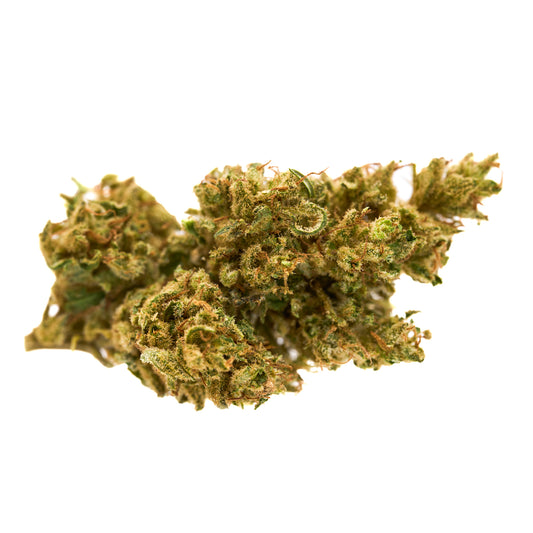
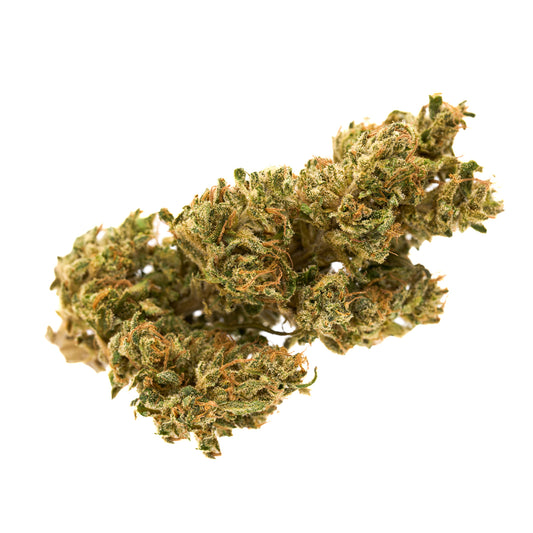
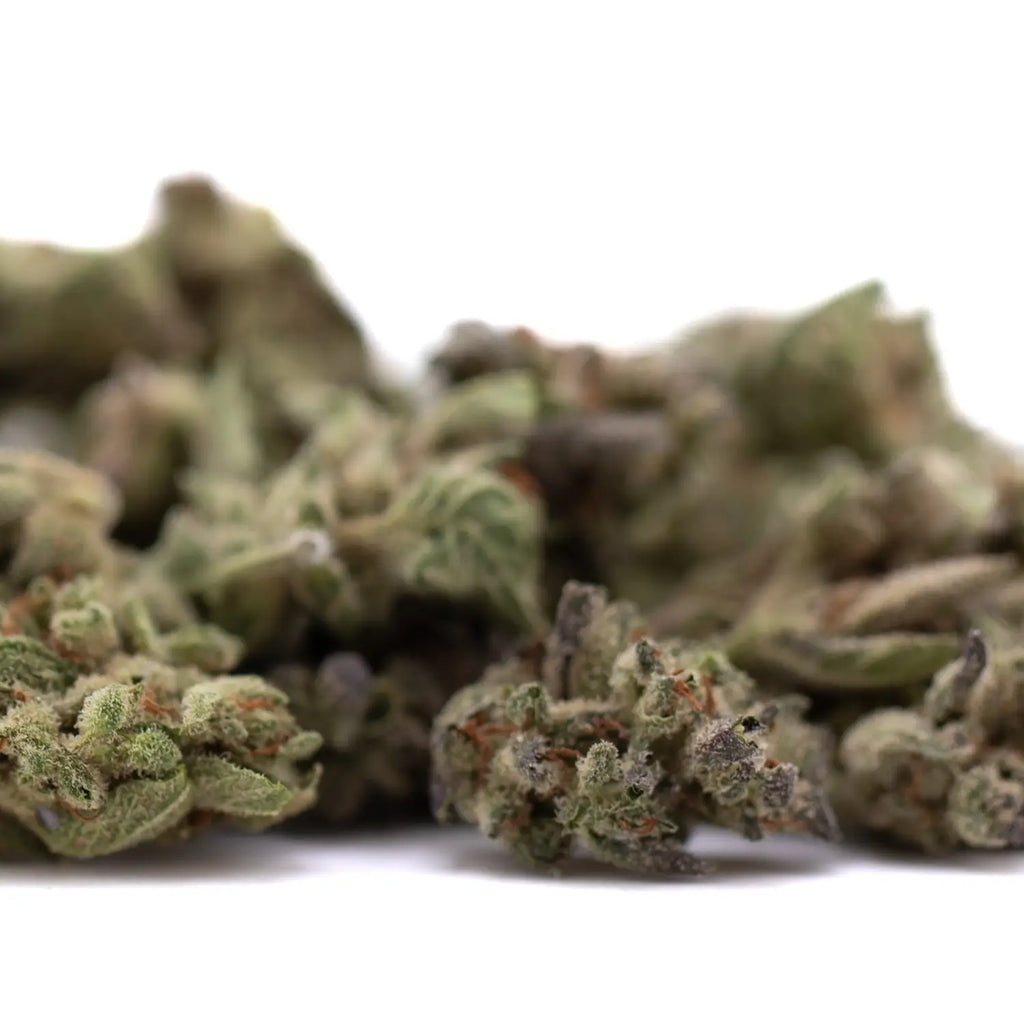
While laboratory testing provides scientific verification, visual inspection remains a crucial component of your bulk THCA quality check. Experienced buyers can identify premium flower characteristics that correlate with potency, proper cultivation, and careful post-harvest handling.
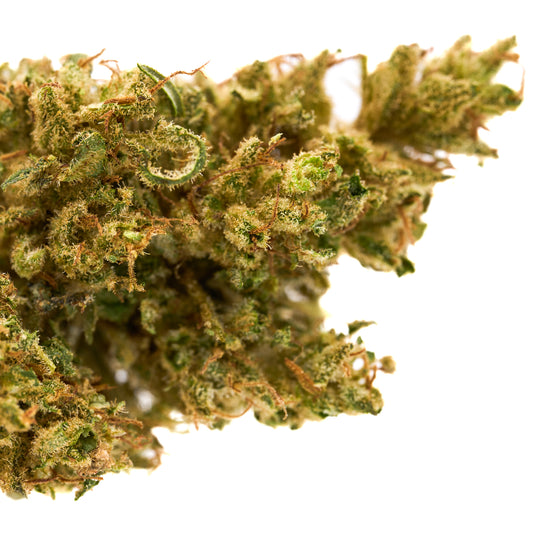
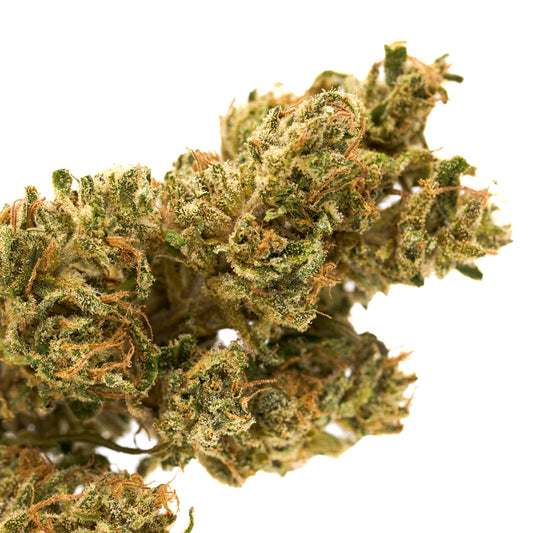
Trichome density serves as the most obvious visual indicator of cannabinoid content. THCA concentrates in the resinous trichomes covering flower surfaces, so premium bulk THCA flower should appear generously frosted with crystal-like structures. Under magnification or even to the naked eye, high-quality flower displays abundant trichomes that give the product a sticky, resinous texture and shimmering appearance.
Color and freshness reveal storage conditions and harvest timing. Premium THCA flower displays vibrant greens, purples, or other strain-specific colors depending on genetics. Avoid product showing brown discoloration, yellowing, or dull, faded appearances that indicate oxidation, light degradation, or excessive age. While color varies by strain, fresh, well-preserved flower maintains vivid coloration and visual appeal.
Trim quality significantly impacts the value equation for wholesale THCA buying. Premium trim removes excessive fan leaves while preserving sugar leaves coated with trichomes. Machine-trimmed flower tends to show more consistent but sometimes over-trimmed results, while hand-trimmed product typically preserves more trichome-rich sugar leaves but may show some variation. Either can be acceptable depending on your market, but excessive stems, seeds, or poorly removed leaves reduce product value.
Stem-to-flower ratio directly affects your actual usable product percentage. Wholesale orders should consist primarily of flower with minimal stem content. While some stem presence is unavoidable, excessive stems (particularly thick main stems rather than small tertiary branches) indicate poor quality control or intentional weight padding. This becomes especially important when calculating true bulk THCA pricing on a usable-product basis.
Aroma and Terpene Profiles
Aroma evaluation provides immediate insights into product quality, proper curing, and terpene preservation—all critical factors when assessing bulk THCA considerations.
Fresh versus hay smell represents the most fundamental distinction. Premium THCA flower should express robust, strain-specific aromas ranging from fruity and citrusy to earthy, piney, or diesel-like depending on terpene profile. A hay, grass, or generally musty smell indicates improper drying, inadequate curing, or degraded terpenes from age or poor storage. This "hay smell" often correlates with harsh smoke and diminished effects, making it unacceptable for premium wholesale purchases.
Strain-specific characteristics should align with genetic lineages. Research the specific strains you're purchasing and familiarize yourself with their typical terpene profiles. For example, strains with limonene dominance should express citrus notes, while myrcene-rich varieties tend toward earthy, herbal aromas. Authentic genetics display characteristic aromas, while generic or misrepresented product lacks distinctive terpene expressions.
Proper curing indicators manifest through complex, developed aromas rather than harsh, grassy smells. Well-cured flower has undergone controlled moisture reduction and aging that breaks down chlorophyll while preserving terpenes. This process produces smooth, pleasant aromas without the harshness associated with improperly dried product.
The Critical Importance of Sample Requests
Never commit to large-scale ordering bulk THCA without first evaluating actual product samples. Sample requests represent standard practice in wholesale markets, and any supplier resistant to providing samples should raise immediate concerns.
Request samples from the specific batch or lot you intend to purchase, not generic "representative samples" that may come from superior inventory. Professional suppliers understand this requirement and facilitate sample evaluation before large commitments. Evaluate samples using all the criteria discussed—visual inspection, aroma assessment, laboratory testing verification, and ideally end-user feedback about effects and quality.
This bulk THCA flower tip alone can save thousands of dollars in avoided mistakes: investing a few hundred dollars in samples and thorough evaluation prevents much larger losses from full-scale purchases of inferior product.
Pricing Analysis and Market Rates
Understanding Bulk Pricing Structures
Navigating bulk THCA pricing requires understanding how wholesale markets function differently from retail sales. Price structures vary significantly based on order volume, quality tier, cannabinoid potency, and current market conditions.
Price per pound versus per ounce calculations become essential for accurate cost analysis. While retail markets often price by the gram or ounce, wholesale transactions typically reference pound pricing. As of 2025, premium THCA flower (20%+ THCA content, clean testing, proper cultivation) generally wholesales between $300-$800 per pound depending on volume, quality, and market factors. Mid-tier flower (15-20% THCA) typically ranges from $200-$400 per pound, while lower-grade or older inventory may fall below $200 per pound.
Volume discount expectations should scale logically with order size. Suppliers typically offer price breaks at specific volume thresholds—for example, pricing might decrease 10-15% when ordering 10+ pounds versus single pounds, with additional reductions at 50+ pounds and 100+ pounds. However, these discounts should seem reasonable rather than dramatic, as extreme price drops for larger orders may indicate quality concerns or desperation to move inventory.
Market rate comparisons require ongoing research given the THCA market's rapid evolution. Join industry forums, connect with other wholesale buyers, and monitor market trends through trade publications and industry reports. Current 2025 pricing reflects increased supply compared to earlier years when THCA flower commanded premium prices, but quality product maintains value even in competitive markets.
Hidden Costs and True Price Calculations
Advertised wholesale THCA flower guide pricing often excludes significant additional costs that impact your true investment:
Shipping fees can add $50-$200+ to orders depending on weight, distance, and carrier selection. Some suppliers build shipping into their pricing, while others add it separately. Always clarify total delivered cost before committing to purchases. Expedited shipping or special handling requirements increase these costs substantially.
Insurance considerations protect valuable shipments but add to overall costs. Given the value of bulk THCA flower online orders (often thousands of dollars), insurance provides essential protection against loss, damage, or seizure. Insurance typically costs 1-3% of shipment value but proves invaluable when problems occur.
Minimum order requirements may force larger purchases than initially intended. While seeking volume discounts makes sense, ensure minimum orders align with your actual business needs and storage capabilities. Buying more product than you can properly store or sell before degradation occurs wastes money regardless of unit price savings.
Payment method impacts affect total costs as well. Some suppliers offer discounts for cryptocurrency, wire transfers, or other payment methods that minimize their transaction fees, while credit card payments might include 3-5% processing charges passed to buyers.
Shipping and Logistics Considerations
Packaging Standards for THCA Flower
Professional bulk THCA shipping practices directly impact product quality upon arrival and throughout storage. Evaluate how suppliers package wholesale orders before committing to large purchases.
Discreet packaging options matter for both privacy and security. While THCA flower is federally legal under the 2018 Farm Bill, shipments can attract unwanted attention. Quality suppliers use plain, unmarked boxes without cannabis imagery or company branding that might trigger scrutiny. Interior packaging should prevent odor leakage through vacuum sealing or smell-proof bags.
Humidity control integration preserves product quality during transit and storage. Premium suppliers include humidity control packs (Boveda or similar products) calibrated to maintain optimal 55-62% relative humidity. This prevents over-drying that degrades terpenes and makes flower harsh, while also preventing excessive moisture that encourages mold growth. For large orders, suppliers might package flower with humidity monitors to document conditions during transit.
Vacuum sealing benefits extend beyond odor control. Properly vacuum-sealed packaging minimizes air exposure that degrades cannabinoids and terpenes through oxidation. Multi-layer vacuum sealing provides additional protection and demonstrates supplier commitment to quality preservation.
Legal compliance labeling requirements vary by state but typically include cannabinoid content disclosure, batch numbers corresponding to COAs, weight verification, and legal disclaimers. Proper documentation prevents legal complications and facilitates smooth delivery.
Shipping Carrier Selection and Tracking
Understanding carrier policies for ordering bulk THCA prevents delivery problems and seizures:
USPS remains the most reliable carrier for hemp flower shipments due to the Postal Service's requirement to obtain federal warrants before opening packages, providing stronger Fourth Amendment protections than private carriers. While USPS officially accepts hemp shipments with proper documentation, actual treatment varies by region and individual postal workers' understanding of hemp legality.
Private carriers (UPS, FedEx) maintain more restrictive internal policies despite federal hemp legality. These carriers reserve the right to open and inspect packages at their discretion, and some have seized legal hemp shipments due to confusion or overly cautious policies. If using private carriers, ensure absolutely perfect documentation and clear labeling indicating legal hemp status.
Tracking and insurance should be standard for every wholesale order. Real-time tracking allows both supplier and buyer to monitor shipments and identify potential delays or problems. Insurance protects your investment against loss, theft, or damage—essential for orders worth thousands of dollars.
Delivery timeframes typically range from 2-5 business days for domestic shipments depending on distance and carrier selection. Expedited shipping costs significantly more but might be necessary for time-sensitive orders or when product supply is urgent.
Signature requirements add security for high-value shipments but require someone available to receive delivery. Coordinate with suppliers to determine whether signature confirmation is standard or optional based on your receiving capabilities.
Legal Compliance Checklist
Federal Requirements and Farm Bill Compliance
Legal compliance represents a non-negotiable aspect of buying THCA wholesale. Even minor compliance failures can result in product seizures, fines, or criminal liability.
2018 Farm Bill compliance requires that all hemp flower contain no more than 0.3% Delta-9 THC on a dry weight basis. This federal law legalized hemp and hemp derivatives, including THCA flower, provided Delta-9 THC remains below the legal threshold. Verify that COAs specifically measure Delta-9 THC (not total THC, which includes THCA) and confirm compliance with the 0.3% limit.
State-specific regulations create additional complications since some states have enacted laws more restrictive than federal requirements. Research your state's specific hemp laws, as some states have banned or restricted THCA flower despite federal legality. Ensure both your state and the supplier's state permit THCA flower sales and shipments.
Hemp license verification protects you from unknowingly purchasing from unlicensed operators. Request copies of the supplier's state hemp cultivation license or handler's license. These licenses undergo regular renewal and inspection, providing assurance of legal, regulated operations.
Essential Documentation
Professional bulk THCA vendors provide comprehensive documentation supporting legal compliance:
Seller hemp licenses should be current, valid, and issued by recognized state agricultural departments or regulatory agencies. These licenses typically include cultivation site addresses, acreage information, and license expiration dates.
Shipping manifests document contents, weight, cannabinoid content, and compliance status. These documents accompany shipments and provide legal protection if questioned by law enforcement or regulatory agencies.
Compliance certificates offer additional legal documentation beyond basic COAs. Some states or testing laboratories issue specific compliance certificates attesting to hemp status under federal and state law.
Chain of custody documentation tracks product movement from cultivation through processing to final sale. While not always required, robust documentation demonstrates professional operations and provides legal protections.
Storage and Shelf Life Management
Proper Storage Parameters
Once you receive your bulk THCA purchase, proper storage becomes critical for preserving quality and preventing degradation that erodes your investment.
Temperature control significantly impacts cannabinoid and terpene preservation. Store THCA flower in cool, stable environments between 60-70°F (15-21°C). Avoid temperature fluctuations that create condensation and moisture problems. Higher temperatures accelerate cannabinoid degradation and terpene evaporation, while excessive cold can damage trichomes.
Humidity management prevents both mold growth and over-drying. Maintain relative humidity between 55-62% using humidity control packs sized appropriately for your storage containers and product volume. Monitor humidity with hygrometers rather than relying on estimates.
Container recommendations vary based on storage duration and volume. For long-term storage, use opaque, airtight containers made from glass or food-grade materials that don't interact with cannabinoids or terpenes. Mason jars work well for smaller quantities, while larger operations might use specialized bins with humidity control systems integrated.
Light exposure prevention protects against photodegradation that breaks down cannabinoids and terpenes. UV light proves particularly damaging, so store flower in dark locations or opaque containers. Even ambient light exposure over time degrades quality, making dark storage essential.
THCA degradation prevention requires understanding that THCA slowly converts to THC over time, especially when exposed to heat, light, or oxygen. While this conversion occurs very gradually under proper storage conditions, poor storage accelerates the process and reduces product quality and legal compliance.
Long-term Storage Solutions
For those bulk THCA considerations involving inventory management over months rather than weeks, implement professional storage systems:
Vacuum sealing in smaller portions preserves quality by limiting air exposure for each unit while keeping the remainder of inventory sealed. This approach works well when you're selling or processing flower over extended periods.
Climate-controlled storage rooms or closets provide stable conditions for larger inventories. Small dehumidifiers or humidifiers can help maintain ideal humidity levels, while consistent cool temperatures prevent degradation.
Regular rotation and inventory management using "first in, first out" (FIFO) principles ensure older product sells before newer inventory. Even with proper storage, terpene profiles and cannabinoid potency gradually decline over 6-12 months.
Building Long-Term Supplier Relationships
Benefits of Consistency
Establishing reliable relationships with quality bulk THCA suppliers provides numerous advantages beyond individual transactions:
Predictable quality eliminates the constant uncertainty and evaluation required when working with multiple or frequently changing suppliers. Once you've identified a supplier consistently delivering quality product, you can streamline your ordering process and reduce quality control overhead.
Better pricing negotiations become possible once you've established yourself as a reliable, consistent customer. Suppliers often extend preferential pricing to buyers placing regular orders, as predictable sales allow better business planning and inventory management.
Priority access to new strains and limited releases rewards loyal customers. When suppliers receive exceptional harvests or develop new popular strains, they typically offer first access to established buyers before opening sales to new customers or the broader market.
Flexible payment terms might include net-30 or net-60 payment windows rather than requiring upfront payment. These terms improve your cash flow management but typically require established relationships and proven reliability.
Communication Best Practices
Maintaining professional, clear communication represents a crucial THCA bulk buying tip often overlooked by newer wholesale buyers:
Be specific and detailed when placing orders, including strain preferences, quality expectations, packaging requirements, and delivery timeframes. Clear communication prevents misunderstandings that create problems.
Provide honest feedback about product quality, whether positive or negative. Suppliers appreciate constructive feedback that helps them improve operations, and addressing problems directly often leads to resolutions rather than allowing issues to fester.
Maintain consistent communication regarding your ongoing needs and future order timing. This helps suppliers anticipate demand and ensure adequate inventory for your purchases.
Build relationships beyond transactional exchanges. Understanding your supplier's operations, challenges, and business context creates partnerships rather than simple buyer-seller dynamics, often leading to better service and preferential treatment.
Conclusion
Successfully navigating the buying bulk THCA online marketplace requires systematic evaluation across multiple quality and compliance dimensions. This comprehensive bulk THCA checklist provides the framework for making informed purchasing decisions that protect your business interests and ensure consistent product quality.
Start by prioritizing laboratory testing verification through comprehensive bulk THCA lab tests from accredited third-party facilities. Never compromise on this fundamental requirement, as COAs provide your only objective verification of cannabinoid content, purity, and legal compliance.
Thoroughly vet potential bulk THCA vendors by researching their industry reputation, business practices, and customer feedback. Avoid suppliers displaying red flags like missing documentation, unusually low pricing without explanation, or poor communication practices.
Evaluate product quality through both visual inspection and aroma assessment in addition to laboratory data. Request samples before committing to large orders, and never assume supplier claims about quality without independent verification.
Understand true costs by accounting for bulk THCA pricing, shipping fees, insurance, and any hidden charges. Compare total delivered costs across suppliers rather than focusing solely on per-pound pricing.
Verify bulk THCA shipping practices including proper packaging, humidity control, carrier selection, and tracking capabilities. Quality preservation during transit requires professional shipping standards.
Ensure complete legal compliance by verifying Delta-9 THC limits, obtaining necessary documentation, and understanding both federal Farm Bill requirements and state-specific regulations.
Implement proper storage systems that control temperature, humidity, light exposure, and air contact. Even premium product degrades quickly under poor storage conditions, eroding your investment.
Most importantly, begin with small test orders rather than immediately committing to large purchases. This bulk THCA flower tip allows you to verify supplier claims, evaluate actual product quality, and assess overall business practices before significant financial commitments.
Due diligence requires time and effort, but the investment prevents costly mistakes that plague buyers who prioritize speed or lowest pricing over thorough evaluation. By systematically applying these wholesale THCA flower guide principles, you'll build reliable supplier relationships, ensure consistent quality, and optimize your bulk THCA purchase strategy for long-term business success.
Ready to begin sourcing premium THCA flower from a verified supplier with comprehensive testing, competitive pricing, and professional operations? Explore our complete selection of bulk THCA flower online featuring the latest strains, detailed COAs, and wholesale pricing for serious buyers.
Frequently Asked Questions
What's the minimum order for bulk THCA flower?
Minimum order requirements vary significantly by supplier and typically depend on whether you're purchasing from cultivators, processors, or distributors. Many wholesale suppliers set minimums around 1-5 pounds for initial orders, with reduced pricing for larger volumes starting at 10+ pounds. Some larger operations focus exclusively on orders of 50-100+ pounds and work only with established retailers or distributors. When evaluating bulk THCA vendors, ask about minimum orders during your initial contact, but don't be deterred by higher minimums if the supplier's quality and pricing justify the larger commitment. Some suppliers offer flexibility for first-time customers, allowing smaller test orders before requiring standard minimums.
How do I verify lab test authenticity?
Verifying authentic bulk THCA lab tests requires several verification steps. First, confirm the testing laboratory is real by searching online for their website and contact information. Call or email the lab directly, providing the COA number or batch ID, and ask them to confirm they tested that specific batch and issued that specific report. Legitimate labs maintain records and willingly verify test results. Second, check that the lab holds appropriate accreditations—ISO/IEC 17025 accreditation represents the gold standard. Third, examine the COA itself for proper formatting, complete information, and professional presentation. Fraudulent COAs often show formatting inconsistencies, missing information, or obvious signs of document manipulation. Fourth, ensure the batch number on the COA matches the batch number on your product packaging. Mismatched batch numbers might indicate the supplier is providing testing from different, potentially superior batches.
What's a fair price per pound for bulk THCA flower in 2025?
Current market rates for wholesale THCA buying depend heavily on quality, volume, and current supply conditions. As of 2025, expect premium THCA flower (20%+ THCA content, clean testing, excellent trim, strong terpene profiles) to wholesale between $300-$800 per pound depending on order volume. Mid-tier flower (15-20% THCA, acceptable quality) typically ranges from $200-$400 per pound, while lower-grade or older inventory may fall below $200 per pound. These ranges represent general market conditions but can vary based on strain desirability, regional factors, and seasonal harvests. Indoor-grown flower typically commands premium pricing over greenhouse or outdoor cultivation due to perceived quality differences. Be cautious of pricing significantly below these ranges without clear explanation, as dramatic discounts often indicate quality issues, contamination problems, or desperate liquidation of aged inventory. Conversely, pricing substantially above these ranges requires clear justification through exceptional quality, rare genetics, or unique characteristics that warrant premium investment.
Can bulk THCA flower be shipped across state lines?
Federal law under the 2018 Farm Bill legalized hemp and hemp-derived products, including THCA flower, for interstate commerce provided the Delta-9 THC content remains below 0.3% on a dry weight basis. This federal legality allows bulk THCA shipping across state lines in theory. However, practical complications arise because some states have enacted laws restricting or banning THCA flower despite federal legality. Before ordering interstate shipments, research both your state's laws and the supplier's state laws regarding THCA flower. Some states explicitly permit hemp flower, others maintain ambiguous positions, and a few have enacted specific bans. Additionally, verify that your supplier uses carriers and shipping practices that comply with federal guidelines, includes proper documentation with shipments, and can provide compliance certificates if needed. While USPS generally provides the most reliable interstate hemp shipping due to federal warrant requirements for package searches, proper documentation remains essential regardless of carrier selection. Always work with suppliers experienced in legal interstate hemp shipping who understand compliance requirements and maintain appropriate documentation practices.
How long does bulk THCA flower stay fresh?
Properly stored THCA flower can maintain quality for 6-12 months, though optimal freshness and terpene profiles typically persist for 3-6 months even under ideal conditions. Several factors impact shelf life for your bulk THCA purchase. Temperature control proves critical—store flower in cool, stable environments between 60-70°F to slow degradation. Humidity maintenance between 55-62% relative humidity prevents both mold growth from excessive moisture and terpene loss from over-drying. Light exposure accelerates cannabinoid and terpene degradation, so dark storage in opaque containers protects quality. Air exposure causes oxidation that breaks down cannabinoids and terpenes, making airtight containers essential. The flower's initial quality and curing also affect longevity—properly cured, well-grown flower stores better than improperly handled product. For maximum shelf life, vacuum seal flower in appropriate portion sizes, store in cool, dark locations with humidity control, and minimize air exposure. Even with optimal storage, plan to move inventory within 6 months of purchase, as terpene profiles diminish over time even when cannabinoid content remains relatively stable. If planning to store product longer than 6 months, consider freezing in vacuum-sealed containers, though this requires careful handling to prevent trichome damage.
What payment methods do bulk suppliers accept?
Payment methods for ordering bulk THCA vary among suppliers based on their banking relationships and business preferences. Many suppliers accept wire transfers or ACH transfers, which provide secure, verifiable transactions for large purchases. These methods also minimize transaction fees compared to credit card processing. Cryptocurrency payments (particularly Bitcoin and stablecoins) have become increasingly common in hemp markets, offering advantages including reduced fees, faster transactions, and privacy benefits. Some suppliers offer slight discounts for cryptocurrency payments that save them processing costs. Credit and debit cards work with some suppliers who have secured payment processing relationships, though these payments typically incur 3-5% processing fees sometimes passed to buyers. A few suppliers still accept checks or money orders, though this payment method has largely been replaced by electronic options due to delays and clearing times. Cash payments remain uncommon for mail-order bulk purchases but might occur for in-person transactions at trade shows or facility pickups. When establishing payment terms, new customers typically pay upfront, while established buyers with proven track records might negotiate net-30 or net-60 payment terms allowing invoice-based ordering. Always clarify payment methods, processing times, and any associated fees before placing orders to avoid misunderstandings about total costs and payment timing.
Should I request samples before bulk purchase?
Absolutely—requesting samples represents an essential THCA bulk buying tip that prevents costly mistakes. Never commit to large-scale bulk THCA flower online purchases without first evaluating actual product samples. Despite comprehensive COAs and supplier claims, only hands-on evaluation reveals true quality including visual characteristics, aroma profiles, trim quality, moisture content, and overall appeal. Request samples specifically from the batch or lot you intend to purchase rather than generic "representative samples" that might come from superior inventory. Most professional suppliers readily accommodate sample requests and may charge nominal fees ($50-150 typically) that they often credit toward future bulk purchases. Evaluate samples across multiple dimensions: verify the sample batch number matches provided COAs, conduct thorough visual inspection for trichome density and trim quality, assess aroma for proper curing and terpene preservation, and ideally test samples with end users for feedback on effects and experience quality. If possible, conduct your own laboratory testing on samples even if the supplier provides COAs, as this provides independent verification. The relatively small investment in samples and thorough evaluation prevents much larger losses from bulk purchases of inferior product. If suppliers resist or refuse sample requests, consider this a red flag suggesting they lack confidence in their product quality or are attempting to hide quality issues.
