





Vape Kief Safely: Prep for Top Loaders, Not Standard Oil Cartridges

Yes, you can vape kief, but only with the right setup. Loose kief works in some top-loading vaporizers and dab rigs, and it does not belong in standard oil cartridges. Temperature control matters, and public-health sources warn that vaping concentrates carries real lung and overconsumption risks, so start small and use clean, labeled products.
TL;DR:
- Standard cartridge pens cannot wick loose kief; choose a vaporizer with a top loading chamber, adjustable temperature, and steady airflow.
- Put a small, lightly spread pinch in the chamber; when airflow is poor, layering it with ground flower can reduce hot spots and scorching.
- Start at a low temperature and raise it gradually only if vapor remains thin; wait several minutes before reloading to reduce overconsumption.
- Concentrate aerosols can contain toxicants such as benzene and methacrolein; clean products with clear labels reduce avoidable exposure but cannot eliminate vaping risks.
Table of Contents
- What kief is and why its composition matters for vaporization
- Devices and methods that can vaporize kief
- How to prepare kief for vaping
- Practical safety and dosing tips for vaporizing kief
- Why quality and clear labeling matter to us
- Where to buy kief: featured Oregon Hemp Flower products
- FAQ
- Sources
What kief is and why its composition matters for vaporization
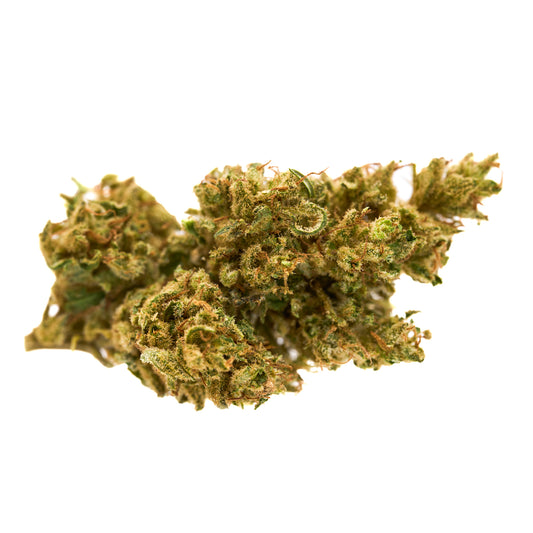
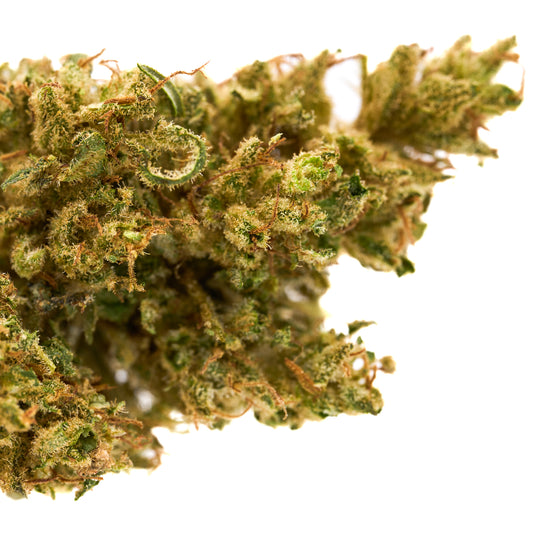
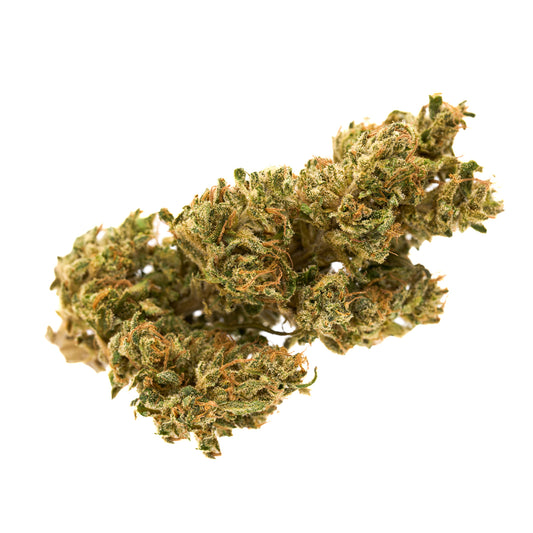
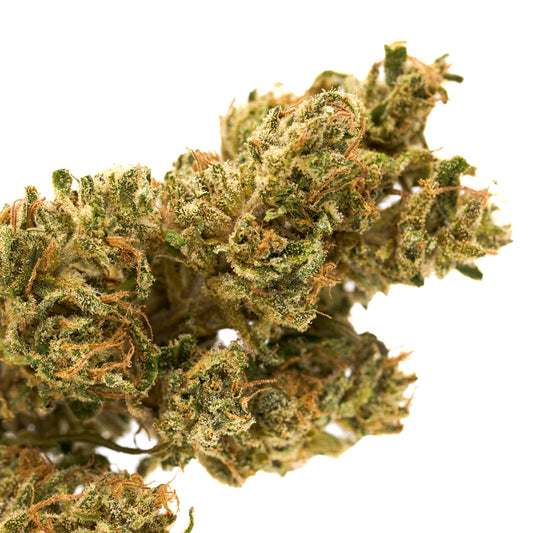
Kief is the collection of trichomes, the tiny resin glands that coat cannabis flower. Those glands hold most of the cannabinoids and terpenes, which is why a small pinch of kief hits much harder than the same amount of flower. At our shop we sell kief as a product of its own, so we see the same questions about it every day.
Not all kief behaves the same way. Composition shifts with strain, curing and how the material was collected, and that changes how it heats.
- Texture: Fresh, dry kief is a loose powder. Older or terpene-rich kief clumps and turns sticky, and sticky material wicks and melts instead of crumbling.
- Terpene content: Peer-reviewed work shows that terpene composition affects aerosolization temperature and changes which chemical byproducts appear when cannabis concentrates are vaporized. Higher terpene proportions can lower the temperature at which the material turns to aerosol.
- Cannabinoid ratio: A CBD-forward kief and a THCa-forward kief deliver very different effects from the same pinch, so potency should guide how much you load.
- Purity: Plant debris and moisture change how evenly the material heats. Clean, dry, well-sifted kief gives more predictable results.
These details explain why one batch vaporizes smoothly while another scorches or clogs a coil. When you know what is in your kief, you can pick the device and the temperature that suit it, instead of guessing and overheating a very potent material.
Devices and methods that can vaporize kief
Not every vaporizer can handle kief. The device category decides whether you get a clean session or a burnt, clogged mess.
- Cartridge vaporizers: These are built for oil or distillate. Loose kief is a powder, so it will not wick through a standard prefilled cartridge, and forcing it in is not recommended.
- Top-loading vaporizers: These let you place dry or lightly pressed kief directly on the heating surface or screen. For loose material, this is the most practical electronic option, and it is where kief tends to perform best.
- Dab rigs and nails: Dabbing vaporizes concentrates effectively, but it runs at higher temperatures and uses a different technique. It aerosolizes the material rather than burning it, yet the heat is harder to control.
- Torch versus electronic heating: A butane torch gives you less consistency than an electronic nail or a temperature-controlled device. Steadier heat generally means fewer overheated spots and fewer unwanted byproducts.
When you choose a device, look for adjustable temperature settings and consistent airflow. Be cautious with one-use consumer pens for loose kief, because they were not designed for powder and often fail or overheat. If you are weighing portable options, our team has also written about whether disposable vapes are safe for THCA and CBD, which covers the device side in more depth.
Dabbing is also where the research gets more specific. Gas-phase analyses of cannabis e-cigarettes and dabbing found that both methods can produce volatile organic compounds such as benzene, methacrolein and isoprene. The takeaway is simple: higher and less controlled heat tends to produce more of what you do not want in your lungs.
How to prepare kief for vaping
Preparation is mostly about airflow and avoiding hot spots. You do not need extra gear, and you should avoid any shortcut that involves additives.
- Check your device. Confirm it has a top-loading chamber or a screen designed for dry material.
- Start with a small pinch. Place a light, well-spread pinch on the heating surface. Overpacking traps heat and scorches the kief.
- Mix with flower when airflow is poor. A small pinch of kief layered with ground flower improves airflow and reduces hot spots.
- Keep the heat low at first. Begin at the lower end of your device’s range and raise it gradually only if the vapor is thin.
- Clean the chamber after each session. Residue builds up quickly with resinous material and changes how the next load heats.
Pro Tip: If your kief has turned sticky, chill it briefly in cold storage before handling, or press a tiny amount lightly. Cold, firm material crumbles more cleanly and loads without smearing.
A few firm cautions apply here. Cartridges require oil, and converting kief into cartridge-friendly oil carries contamination and additive risks, so we leave it out of this guide. Never add untested thickeners or cutting agents to anything you plan to inhale. Vitamin E acetate in particular should never be part of an inhalable product. Stick with label-safe products from a source that tells you what is in the package.
Practical safety and dosing tips for vaporizing kief
Harm reduction here comes down to a few repeatable habits.
- Start low: Use a small amount at a low temperature, then increase gradually. Kief is potent, and the effects can arrive faster than you expect.
- Control the heat: Choose a device with temperature control and steady airflow to limit overheating and degradation byproducts.
- Avoid unknowns: Skip solvents and additives that were never meant for inhalation, and favor clean, labeled products.
- Know your potency: Check whether your kief is THCa-, THC- or CBD-forward, and adjust each load to match.
- Keep notes: Record the strain, batch and settings so you can repeat what worked.
- Know when to stop: Stop and seek immediate emergency care for trouble breathing, chest pain or severe, persistent coughing.
Pro Tip: Wait several minutes before reloading. Potency builds on its own schedule, and a second pinch taken too early is the most common route to overconsumption.
Why quality and clear labeling matter to us

Here is where I land. Most of the risk in vaping kief is not the kief itself. It is heat, additives and not knowing what you are inhaling, and only the third one is fully in the buyer’s hands. That is why we grow organically, without pesticides or synthetics, and back every order with a satisfaction guarantee. A clean starting material gives you a fair chance at a clean session.
Knowing the strain, cannabinoid and terpene profile also lets you dose with intent instead of by feel. We encourage you to read the product pages, such as our MAC #1 THCa Kief, and to contact our customer support team with questions before you buy.
— Michael
Where to buy kief: featured Oregon Hemp Flower products

If you want kief grown without pesticides or synthetics, start with our two CBD options. Maverick CBD Kief Wholesale suits buyers who want a CBD-forward kief, while Spectrum CBD Kief Wholesale offers a broader cannabinoid profile for those who want more range. Both come from our organic, hand-trimmed harvests, and every order carries our satisfaction guarantee. Browse the product pages for current details, and see our full range if you want to compare other formats.
This article is general information, not a substitute for advice from a qualified doctor. Consult a qualified healthcare professional about your own circumstances before acting on anything here.

FAQ
Can you vape kief in a regular vape pen?
Usually not. Standard cartridge pens are built for oil, and loose kief is a powder that will not wick properly. A top-loading vaporizer designed for dry material is the better choice.
Is it safe to vape kief?
Vaping concentrates carries real risks, and CDC guidance links it to lung injury and notes the higher potency of concentrates. Lower temperatures, small amounts and clean, labeled products reduce those risks but do not remove them.
What is the best way to vape kief?
A top-loading vaporizer with temperature control is the most practical option for loose kief. Place a small, well-spread pinch on the heating surface and raise the temperature gradually.
How does vaping kief compare with smoking it?
Some analyses find vaping or dabbing shows lower measured chronic toxicant values than smoking, but acute risks and unknowns remain. Neither method is risk-free, and kief’s high potency makes careful dosing important either way.
Sources
The safety picture for concentrates is still developing, but several findings are consistent. A scientific review of cannabis concentrate vaping chemistry reports that concentrate aerosols contain harmful toxicants, including isoprene and methacrolein, and notes ketene formation from some acetate-containing products. The authors also call for more research to assess the health risks.
Heat is a recurring theme. Chamber experiments show that heating terpenoid-containing mixtures releases degradation byproducts, including acrolein and methacrolein, and that ultrafine particle formation rises with temperature and with some additives. Terpene content and applied power both shape which toxicants form, so a hotter session is not simply a stronger one. It is a dirtier one.
Vaping cannabis concentrates can carry health and safety risks, concentrates often contain highly concentrated THC and may include additives or contaminants, and vaping has been linked to lung injury.
That paraphrases guidance in the CDC cannabis FAQ, which is the clearest public-health statement for general readers.
Potency is the other risk. Lawrence Berkeley National Laboratory notes that high-concentration products like kief raise the risk of overconsumption and potential cannabis use disorder, and that heating cannabinoids and terpenes can produce acrolein and benzene.
The research is not one-sided. An analysis of cannabis e-cigarettes and dabbing found lower measured chronic toxicant values than smoking on some metrics for vaping or dabbing. The same work stresses that acute risks and important unknowns remain. We read that as a reason for caution, not a green light: lower heat, clean products and small amounts are the practical response.
- The influence of terpenes on the release of volatile organic compounds and active ingredients to cannabis vaping aerosols - PMC
