







Hemp Odor Control: Storage, Filtration and What Works

Hemp odor comes from terpenes, the aromatic compounds in the flower’s resin. You control it in three ways: seal the flower in airtight storage, move air through a properly sized activated-carbon filter, and clean the fabrics that hold smoke residue. Sprays, candles and ozone generators do not solve the problem. The strongest-smelling flower is also the flower with the most aromatic character, so the goal is containment, not a flower that smells like nothing. We grow organic, pesticide-free hemp flower, hand-trimmed, and the advice below is written for people who buy it, store it and, in the case of wholesale buyers, ship and warehouse it.
TL;DR
- Hemp smells because of terpenes and sulfur-containing compounds, not because of cannabinoids such as CBD or THCA.
- Airtight containers, kept locked and out of the way, are the first line of control for stored flower.
- Activated carbon works by adsorption and is the control technology regulators name most often, but filters saturate and must be replaced.
- Ozone generators and photocatalytic air cleaners are not recommended for odor control. Fragrance products only mask.
- Wholesale and facility operators should check local odor rules and design carbon filtration for post-harvest rooms and storage.
Table of Contents
- Why hemp flower smells so strong
- Storage: the first and cheapest layer of control
- Clearing the room: ventilation, filtration and cleaning
- Comparing odor-control methods
- For wholesale buyers and operators: odor at scale
- Choosing flower with odor in mind
- Where to buy hemp flower
- Our view on hemp odor
- FAQ
- Sources
Why hemp flower smells so strong
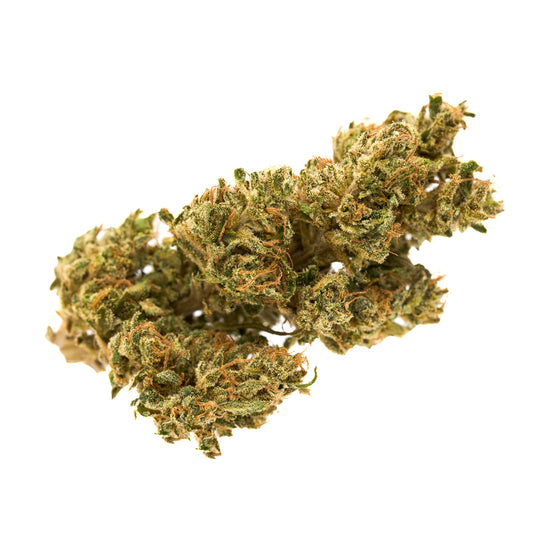
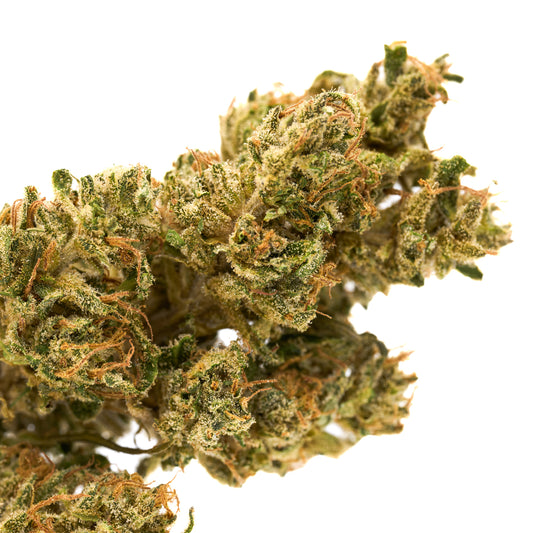
Cannabinoids themselves have no odor. The smell comes from terpenoids made in the glandular trichomes, the tiny resin glands covering the flower, as The Guardian explained. A 2020 review in PMC reports that more than 100 different terpenes have been identified in cannabis, and that the mix defines the odor and flavor of each cultivar.
The chemistry is more complex than “pine” or “citrus.” A 2025 peer-reviewed study of six CBD-rich hemp cultivars found 52 odor-active compounds. Alpha-pinene, myrcene and linalool were strong contributors in every cultivar, and potent sulfur-containing compounds also registered at high levels. Sulfur compounds matter for odor control because, as covered below, carbon filters handle them less well than they handle most other volatile compounds.
Two practical points follow for a buyer:
- Smell tells you about aroma, not strength. Terpenes drive scent. Odor is not a reliable way to judge potency or cannabinoid content. Use the lab report for that.
- Smell is a property of the plant, not a defect. Freshly handled flower with an intact terpene profile smells strong when the jar opens. Our guides to terpenes in hemp flower and THCa flower terpene profiles show what each aroma family usually points to.
Because hemp and marijuana contain many of the same terpenes, the two can smell alike. Odor alone cannot tell a bystander which one is present. If you live in shared housing or travel with flower, plan for containment either way. Hemp-derived products are intended for adults 21 and over.
Storage: the first and cheapest layer of control
Most household odor complaints about hemp flower start with a loosely closed bag. Volatile terpenes escape whenever the flower is exposed to air, and they escape faster with warmth and with every opening.

New York State’s home cultivation guide directs that cannabis be kept in an airtight container, which protects it from physical deterioration and from chemical and microbial contamination. It also says the storage location should be locked. That is written for medical patients in New York, but the storage logic holds for any hemp flower at home: sealed, locked and away from children and pets.
A practical storage routine:
- Use a glass jar or a container with a gasket seal. A rigid, sealed container limits terpene loss and keeps the smell from reaching the room.
- Fill it close to the top. Less air in the jar means less space for terpenes to evaporate into.
- Store it cool and dark. A closed cabinet works. Avoid cars, windowsills and spots near appliances.
- Open it as little as possible. Take the amount you need, close the lid, and put it back.
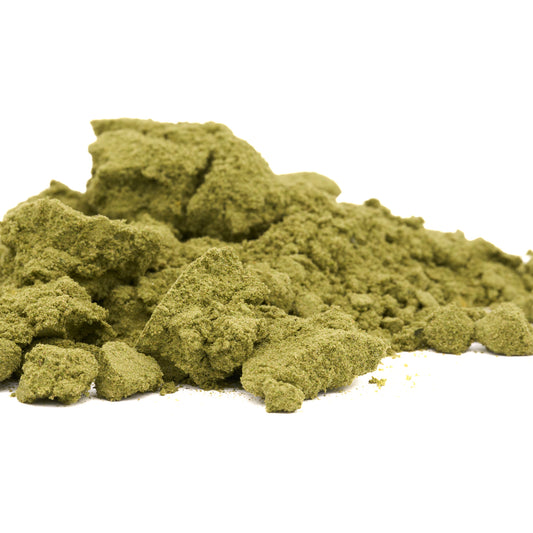
- Keep a second sealed layer for pre-rolls and kief. Pre-rolls leak odor at the tip and kief is concentrated resin, so a separate sealed container keeps the smell from spreading in a drawer.
If you buy in larger quantities, split the order into several small jars rather than one big one. Only the jar in use gets opened, and the rest stay sealed.
Clearing the room: ventilation, filtration and cleaning
Once flower is smoked or vaped, odor is no longer only in the jar. It is in the air and, over hours, in soft surfaces. The order of operations matters.
Move the air first
Ventilation exchanges the air in the room. Open a window and run an exhaust fan or a second window for cross-flow, and keep smoking or vaping close to that opening. The EPA’s summary on residential air cleaning devices explains that ventilation addresses odor still circulating, but it cannot remove smell that has already settled on fabrics.
Add activated carbon
Activated carbon removes gases and odors by adsorption: molecules stick to its porous surface. The same EPA document says it can remove most hydrocarbons, many aldehydes and organic acids. That covers much of what terpenes are. It is less effective against some compounds, including hydrogen sulfide and ammonia.
The EPA also notes limits that affect how you buy and use a filter:
- Filters can become overloaded quickly and need replacement. EPA testing suggested rapid breakthrough in 6-inch deep carbon filters.
- A saturated filter can release trapped pollutants back into the air.
- Fragrance products mask odor rather than remove it.
So size the unit to the room, choose one with a real bed of carbon rather than a thin carbon-coated sheet, and replace it on the maker’s schedule or sooner if the smell starts to come through. Pair it with a HEPA filter if you want to capture smoke particles too.
Clean what the smoke touched
Bedding, curtains, upholstery and carpet hold odor the longest. If the smell keeps returning after you clear the air, washing fabrics, wiping hard surfaces and changing HVAC and purifier filters will do more than adding fragrance. Do not mix cleaning products unless the product directions say it is safe.
Skip the ozone generator
This is a safety point, not a style preference. According to the EPA summary, ozone generators are generally ineffective at removing odor at concentrations below public health standards, can produce harmful by-products, and no federal agency has approved them for use in occupied spaces. The Santa Barbara County Air Pollution Control District’s 2026 advisory also recommends against ozone-generating purifiers and photocatalytic oxidation (PCO) air cleaners for cannabis and hemp odor, citing ozone formation and toxic secondary by-products. Use carbon filtration and fresh air instead.
Comparing odor-control methods
| Method | What it does | Where it fits | Watch for |
|---|---|---|---|
| Airtight jar | Keeps terpenes in the container | Every household and every warehouse shelf | Needs a tight seal and few openings |
| Ventilation | Replaces indoor air with outside air | Smoking or vaping areas | Does not remove odor already on fabrics |
| Activated carbon | Adsorbs odor molecules from the air | Rooms, storage, processing areas | Saturates and needs replacement; weaker on some sulfur compounds |
| HEPA filter | Captures particles | Smoke and dust | Does not remove odor gases alone |
| Sprays, candles, plug-ins | Cover smell | Short-term only | Mask rather than remove |
| Ozone generator, PCO cleaner | Not recommended | None | Harmful by-products, not approved for occupied spaces |
For wholesale buyers and operators: odor at scale
Odor stops being a household matter when you hold bulk flower. A resale warehouse, a processing room or a retail back room concentrates terpenes in one place, and neighbors notice.
What regulators recommend
The Santa Barbara County advisory, which states that it covers hemp as well, recommends different controls by stage:
- Indoor and mixed-light cultivation: containment, ventilation, filters, and control systems or vapor-phase systems.
- Post-harvest operations: activated-carbon filtration.
- Outdoor cultivation: buffer zones.
- All of the above: odor-abatement plans designed by a professional engineer or certified industrial hygienist.
Michigan’s environment agency says in its cannabis FAQ that activated carbon filtration is generally recommended for its known effectiveness at removing volatile organic compounds and gaseous contaminants. It adds that systems that inject chemicals or create ozone may require a permit to install, while carbon systems that remove rather than destroy odors do not need an air use permit to install.
For outdoor fields, the University of Nevada, Reno Extension hemp white paper notes that large plots can produce an odor some people find unpleasant, and recommends planting a buffer crop around the field to offset it.
Rules differ by place
Odor rules in the U.S. are local. Three examples show the range:
- Santa Barbara County, California: the District’s nuisance rule does not apply to odors from agricultural growing and harvesting, but it does apply to post-harvest processing, storage, distribution, manufacturing and retail. Odor-control equipment and post-harvest operations are among items that need District permits.
- Michigan: complaints about hemp facility odors go to the state agriculture department, which refers them to its Right to Farm program.
- Denver, Colorado: the city’s public health department requires an Odor Control Plan from facilities that receive five or more verified odor complaints from separate households or businesses in 30 days, exceed the seven-to-one dilution threshold, or run listed activities such as marijuana growing and processing. The city recognizes carbon filtration as the current best control technology for cultivation and infused-product facilities.
The cost of getting this wrong is real. In 2026, Santa Barbara County’s supervisors ordered greenhouse growers to install odor-control systems and refused to extend the deadline. Local reporting said the required carbon filtration scrubbers cost tens of thousands of dollars per unit.
A short checklist for a storage or resale room
- Confirm with your city, county and state whether odor from storage or distribution falls under a nuisance rule or a permit.
- Keep bulk flower in sealed containers, and open them only in the area served by your filtration.
- Put the carbon filtration where the opening and packing happen, and track the replacement schedule in writing.
- Keep a log of any odor complaints and what was done. Denver’s plan framework asks for this kind of tracking, along with maintenance procedures and a complaint response policy.
- For a facility of any size, ask a professional engineer or industrial hygienist to design the plan.
Choosing flower with odor in mind
Odor control starts at purchase. Aroma intensity differs by cultivar, since terpene mix differs, and by how the flower was grown, trimmed and handled. Our article on terpenes and COAs explains why the lab report and the terpene profile say more about quality than a grow-method label. If you want a smaller scent footprint for travel or shared living, pre-rolls and vapes in sealed packaging are a practical format. If you want the full aroma, jarred flower is the format to choose.
Flower grown without pesticides and synthetics is also what we recommend you handle and store. Our guide to pesticide-free hemp explains how to check for it.

Where to buy hemp flower
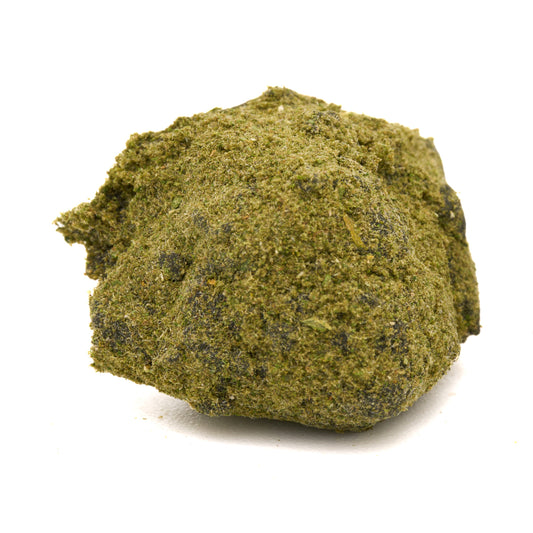
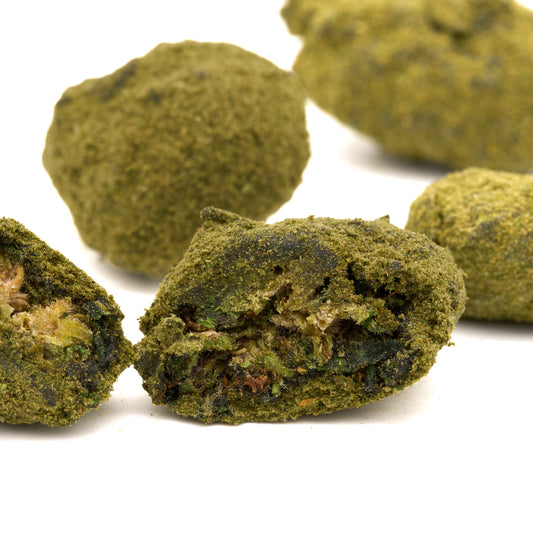
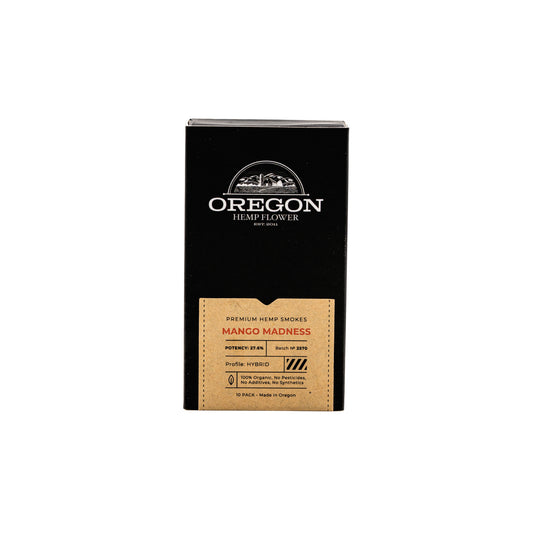
Oregon Hemp Flower sells organic hemp flower, including CBD and THCA flower, Delta 8 flower, moon rocks, pre-rolls, kief, vapes and THCa concentrates, all cultivated without pesticides or synthetics. Our flower is hand-trimmed and backed by a 100% satisfaction guarantee, and orders over $85 ship free.
Browse the hemp flower collection, the pre-roll collection or the vape collection. Resellers can find THCa, CBD and Delta 8 bulk supply on the wholesale page.

Our view on hemp odor
We treat hemp aroma as part of the product. The terpenes that make a jar smell strong are the same compounds that give each strain its character, so our approach is to grow cleanly, trim by hand and let the flower keep what the plant made.
For customers, the practical answer is a short routine: airtight storage, a carbon filter sized to the room, fresh air and clean fabrics. We do not suggest ozone machines or fragrance sprays as a fix.
For wholesale buyers, odor is a storage and compliance question. Plan the room, seal the containers and check the local rules before volume arrives.
Michael
FAQ
Does CBD or THCA flower smell different from other hemp flower?
Not because of the cannabinoid. CBD and THCA have no odor of their own. Smell comes from terpenes and other volatile compounds, so it varies by cultivar and by how the flower was grown and handled. Check the terpene listing for a hint of what a strain will smell like.
What is the best way to keep hemp flower from smelling up a room?
Store it in an airtight glass or gasketed container, keep it closed except when you take a portion, and keep it in a cool, dark, locked spot. For smoke or vapor, ventilate and run a carbon filter sized for the room.
Do air fresheners and candles remove hemp smell?
No. Fragrance products mask odor rather than remove it, according to the EPA’s summary. Fresh air, carbon filtration and washing fabrics are what actually reduce it.
Are ozone generators safe for removing weed smell?
They are not recommended. The EPA summary says they can create harmful by-products and that no federal agency has approved them for occupied spaces. Choose a carbon filter with ventilation instead.
Do hemp businesses need an odor plan?
It depends on location. Some jurisdictions, such as Denver, require an Odor Control Plan under set conditions, and others treat storage or distribution odor as a nuisance or require permits for odor equipment. Check with your city, county and state environmental or agriculture agency before you store bulk flower.
Sources
- The Plant of Many Scents: odorants in hemp flower (PMC, 2025)
- Terpenes in Cannabis (PMC, 2020)
- Cannabis: what’s in a name? (The Guardian, 2015)
- Medical Cannabis Home Cultivation Guide (New York OCM, 2022)
- Residential air cleaning devices: a summary (EPA)
- Air Quality and Cannabis Operations advisory (Santa Barbara County APCD, 2026)
- Cannabis and the Environment FAQ (Michigan EGLE, 2023)
- Industrial Hemp White Paper (University of Nevada, Reno Extension, 2021)
- Odor Control Plans (City and County of Denver)
- Carpinteria cannabis growers face deadline for odor filters (KSBY, 2026)
- Cannabis growers face license risk after Santa Barbara County board rejects extension requests (Edhat, 2026)
