







Nitrogen-Sealed Hemp: What It Means and How to Judge It

Nitrogen-sealed hemp is flower packaged in a container where most of the oxygen has been replaced with nitrogen before the seal closes. The goal is to slow oxidation, so aroma and cannabinoids stay closer to what they were at packing. The research is more mixed than the marketing suggests: nitrogen helps in some setups, shows no clear advantage in others, and the quality of the flower going into the package matters at least as much. This guide covers how the process works, what the studies found, and what to check before you buy.
TL;DR
- Nitrogen sealing, also called nitrogen flushing or modified atmosphere packaging (MAP), swaps the air in a package for nitrogen to limit oxygen exposure.
- Nitrogen is a colorless, odorless, tasteless gas that is safe to breathe and ingest, and food packagers already use it to push oxygen out of packages.
- Results for flower are mixed. One nine-month study favored nitrogen-flushed laminate bags, while a 2024 randomized study found no significant difference in total cannabinoids or total terpenes.
- The seal only protects an unopened package. After opening, store flower cool, dry and airtight, and use it within a reasonable window.
- Cure quality, moisture control, barrier material and storage temperature decide freshness as much as the gas does.
Table of Contents
- What nitrogen-sealed hemp means
- Why oxygen matters for hemp flower
- What the studies show
- Does nitrogen sealing prevent mold?
- Nitrogen vs. vacuum sealing vs. oxygen absorbers
- What to check before you buy nitrogen-sealed hemp
- Storing hemp flower after you open the package
- For businesses: sourcing and packaging flower in bulk
- Our perspective
- Shop fresh hemp flower
- FAQ
- Sources
What nitrogen-sealed hemp means
Air is about one-fifth oxygen. Oxygen reacts with the compounds in hemp flower over time. A 2024 review on modified atmospheric packaging for cannabis explains the reasoning: volatile terpenes can fall by 10 to 50% within a month of postharvest storage, and cannabinoids are prone to degrade in storage, often through decarboxylation. Packagers want to slow that, and removing oxygen is the obvious lever.
In a nitrogen-sealed package, the flower goes into a container, a nitrogen dosing step displaces the air, and the container is sealed. Typical formats are:
- Aluminum laminate bags that are flushed, then heat-sealed.
- Metal cans that are flushed and then seamed shut.
- Rigid jars or tubes that are flushed before the lid goes on.
Nitrogen is not a treatment of the plant. Trade reporting on nitrogen infusion notes that nitrogen in gas form does not freeze cannabis and does not change potency. It works by modifying the atmosphere inside the package. The same piece points out that nitrogen is colorless, odorless and tasteless, and that food and beverage companies already use nitrogen dosing to push oxygen out of packaging.
One point of language matters. Nitrogen-sealed describes the package, not the plant. It tells you nothing about how the hemp was grown, dried, cured or tested. Those steps come first and shape the product far more than the last few seconds on the packing line.
Why oxygen matters for hemp flower
Three things happen to flower on the shelf.
- Terpenes evaporate and oxidize. These are the aromatic compounds that give a strain its smell. Once they are lost, the flower smells flat. Our guide to terpenes in hemp flower covers the main profiles and what they smell like.
- Cannabinoids convert. In THCA flower, THCA slowly decarboxylates and THC can degrade further to CBN. A packaging guide on MAP says oxygen exposure is part of this chain, which is the reason inert gas is used.
- Moisture shifts. Flower that is too wet invites mold. Flower that is too dry turns brittle and harsh. Oxygen is only one of the variables here, and water is the other. Our article on water activity in hemp flower explains the ranges and why they matter.
Nitrogen addresses the first two by limiting oxygen. It does nothing for moisture unless the package barrier also keeps water vapor out. That is why the container material is part of the story.
What the studies show
The evidence on nitrogen-sealed flower comes from a small number of academic studies. They do not all agree, and the differences are instructive.
| Study | Setup | Main finding |
|---|---|---|
| Comparative stability study, North Macedonia | Nitrogen-flushed aluminum laminate bags vs. ambient HDPE jars, 9 months at 25±2°C and 60±5% RH | Δ9-THC retention was 90.3% in the nitrogen-flushed samples. Only the ambient jars went out of specification, at month 9. |
| Randomized-block study on nitrogen MAP, Canada, 2024 | Atmospheric vs. nitrogen MAP, sampled at 18, 46 and 74 days | No significant differences in total cannabinoids or total volatile terpenes between treatments. |
| Review of MAP for cannabis, Canada, 2024 | Literature review | Little evidence yet that nitrogen beats ordinary atmospheric storage. Cooling and opaque containers address other factors. |
Why the results differ
The two experiments compared different things. The nine-month study compared a nitrogen-flushed barrier bag with a plain jar. The authors attribute the better retention to reduced headspace oxygen and to the barrier properties of the aluminum laminate, which limits oxygen and water vapor getting in. In other words, the bag and the gas worked together, and the study cannot tell you how much each contributed.

The 2024 randomized study compared atmospheric packaging with nitrogen packaging over a shorter period. Totals did not separate. Individual compounds did move: THCA decreased during storage, CBG and THCV increased under MAP, and several aromatic compounds decreased only under nitrogen. So nitrogen changes the chemistry of storage in specific ways, even if the totals look similar.
The practical reading is simple. Nitrogen is one tool in a packaging system. A good barrier, a stable temperature and correctly cured, correctly dried flower carry real weight, and nitrogen on its own is not a guarantee of a better jar of flower.
Does nitrogen sealing prevent mold?
No. Nitrogen is not an antimicrobial treatment. In the nine-month stability study, microbiological parameters stayed within regulatory limits in both the nitrogen-packaged and the non-nitrogen samples under controlled conditions. Mold risk depends mainly on moisture content and water activity at the time of packing, and on temperature and humidity afterward.
That is why a sealed package of flower that was packed too wet can still go bad, and why a well-dried, well-cured batch can stay in good shape without special gas. Look for lab results and moisture data from the seller, and read our piece on water activity in hemp flower for what those numbers mean.
On gas safety: trade reporting cites the JECFA evaluation of food-grade nitrogen as safe in food when used under Good Manufacturing Practice. Nitrogen in the package is not a residue concern in the way a solvent would be.
Nitrogen vs. vacuum sealing vs. oxygen absorbers
There are three common ways to limit oxygen around flower. Each has trade-offs.
- Nitrogen flushing. Replaces air with inert gas. A trade guide on MAP notes that it removes oxygen and also leaves a gas cushion, so buds are not crushed. Equipment costs are higher, which is why it is mostly a commercial method.
- Vacuum sealing. Pulls air out. It also removes oxygen, but the bag collapses onto the flower, which can compress buds and bruise trichomes. It is simple and cheap for home use.
- Oxygen absorbers. Small packets that chemically bind oxygen inside a sealed container. They are common in food storage and work only in a truly airtight container.
No official body has ranked these three against each other for hemp flower, so treat any claim that one is clearly best with caution. What the evidence does support is that cooling the flower and keeping it in opaque, airtight containers address other causes of loss, as the 2024 review notes.
What to check before you buy nitrogen-sealed hemp
A nitrogen label is a data point, not a verdict. Use this checklist.
- Ask what the package is. Aluminum laminate, a can and a clear jar all behave differently. A material with a real oxygen and water-vapor barrier matters.
- Look for a pack date and a lot number. Freshness is about time since packing, whatever gas is inside.
- Check the lab report. Cannabinoid content, terpene content and microbial results should match the lot on your package. For THCA products, the cannabinoid panel is where you see the starting point.
- Ask about cure and moisture. Slow, careful curing is where aroma is built. Our guide to slow cured hemp shows what to look for.
- Ask the seller directly. Trade reporting suggests asking whether a product has been infused with nitrogen, because the answer helps you gauge freshness and whether mold could have developed since packaging.
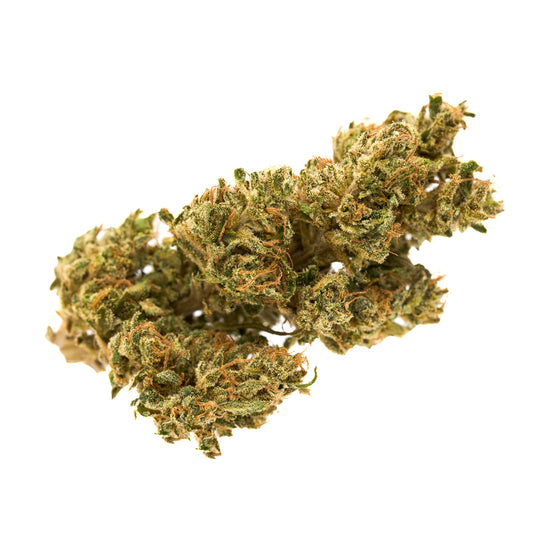
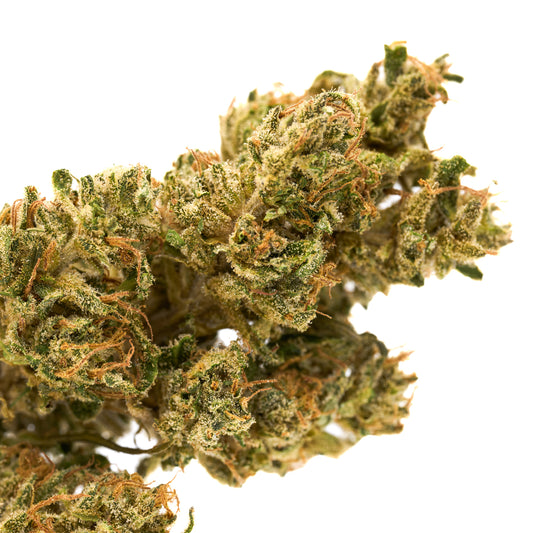
- Open and assess. On opening, the flower should smell clearly of its strain, feel slightly springy and not damp, and break apart without turning to dust.
If you want a fuller framework for judging aroma, see our guide to high terpene hemp flower.
Storing hemp flower after you open the package
The nitrogen advantage ends when you break the seal. Trade reporting states that once an unsealed package is exposed to air, the flower meets oxygen and moisture again, and the risk of moisture pickup, spoilage and oxidation rises. Its advice is to use the product soon after opening.
A few habits keep opened flower in good shape:
- Use an airtight glass jar sized close to the amount of flower, so there is little air left inside.
- Keep it dark. Light degrades cannabinoids and terpenes. An opaque container or a cabinet works.
- Keep it cool and steady. Temperature swings are worse than a moderately cool, constant temperature. Packaging-industry guidance recommends storing packaged cannabis at a consistent 32 to 68°F, and cites independent tests pointing to 58°F as optimal.
- Control humidity. Avoid damp spots like a bathroom or a kitchen counter. A two-way humidity pack can help in a jar you open often.
- Skip the fridge door. Repeated cold-to-warm cycling pulls moisture onto the flower.
We cover this in more detail in how long hemp flower lasts and how to store it and in our guide to storing THCA smalls.
For businesses: sourcing and packaging flower in bulk
If you resell hemp flower or package it yourself, nitrogen sealing is one decision among several.
Environmental conditions. ASTM Subcommittee D37.04 maintains standards for cannabis and hemp flower, including D8450-22 for conditions while packaging, D8432-22 for conditions in transit and D8423-22 for post-packaged storage and retail merchandising. These give a common reference for humidity and temperature across the chain.
Packing room humidity. A US nitrogen packaging equipment maker recommends a packaging-room humidity of 55 to 62% RH, monitoring facility humidity, and storing packaged product at a consistent temperature. The same company describes its process as using nitrogen to eliminate oxygen and light by hermetically sealing flower in a food-grade container. That is the company’s own claim about its system.
Packaging materials. The AFDO Model Code for Consumable Hemp Products (April 2021) asks that consumable hemp packaging use food-safe materials, comply with FDA requirements for indirect food additives in 21 CFR Parts 174 to 178, and be evaluated for permeability to water, oxygen and other gases. Check your state’s rules as well, since hemp requirements differ by state.

Shipping and bulk storage. Bulk flower is exposed to heat, handling and long transit. Our guide to shipping, packaging and storing bulk THCA flower lays out practices for each step.
Our perspective
We pay attention to nitrogen sealing because customers ask about it, and the question is a fair one. Oxygen does degrade flower over time, and a good barrier package helps.
Our view is that freshness starts earlier. Organic cultivation without pesticides or synthetics, hand trimming and careful curing set the quality of the flower before any package is chosen. Packaging then protects what is already there.
That is why we point customers to the things they can verify: strain aroma on opening, cannabinoid and terpene detail, and clear storage guidance. Our customers often mention freshness and potency in their feedback, and we back every order with a 100% satisfaction guarantee.
If you buy flower in any package, store it dark, cool and airtight once it is open. That habit protects your flower more than any single label.
Michael
Shop fresh hemp flower
We grow organic hemp flower without pesticides or synthetics, trim it by hand and back it with a 100% satisfaction guarantee. Browse strains with different cannabinoid and terpene profiles in our hemp flower collection. Orders over $85 ship free.

Resellers can look at our bulk lines, including THCA, CBD and Delta 8 flower, in the wholesale collection. Small nuggs are a common wholesale format, for example Gorilla Glue small nugs wholesale. You must be 21 or older to buy.
FAQ
Is nitrogen-sealed hemp safer than regular hemp?
Not by itself. Nitrogen limits oxygen in the package, but one stability study found microbial results stayed within limits in both nitrogen and non-nitrogen samples. Safety depends on how the flower was grown, dried and tested, so check the lab report for the specific lot.
Does nitrogen sealing keep terpenes and potency intact?
Results vary. A nine-month study found better Δ9-THC retention in nitrogen-flushed laminate bags than in ambient jars. A 2024 randomized study found no significant difference in total cannabinoids or total volatile terpenes between nitrogen and atmospheric packaging. Packaging material, temperature and starting quality all play a part.
How long does nitrogen-sealed flower stay fresh after opening?
The nitrogen benefit ends once the seal is broken, because oxygen and moisture return. Move the flower to an airtight, dark container, keep it cool, and plan to use it within a reasonable window. See our hemp flower shelf life guide for storage details.
Is nitrogen gas in the package harmful to inhale or ingest?
Nitrogen is a colorless, odorless, tasteless gas that is safe to breathe and ingest, and food packagers use it routinely. The gas disperses when you open the package. It leaves no residue on the flower.
What should I ask a seller about nitrogen-sealed hemp?
Ask what the package material is, when the lot was packed and whether a lab report matches the lot. Also ask how the flower was cured and dried. Those answers say more about freshness than the word nitrogen on a label.
Sources
- Debunking the Myths of Nitrogen Infusion in Cannabis, Greenhouse Grower
- Comparative stability of dried Cannabis sativa L. flower in N2-flushed aluminum laminate bags vs. HDPE jars
- Is nitrogen-modified atmosphere packaging a tool for retention of volatile terpenes and cannabinoids?
- Modified Atmospheric Packaging and Its Effect on cannabis, 2024 review
- Cannabis Packaging for Freshness and Terpene Preservation, N2 Packaging Systems
- ASTM Subcommittee D37.04 on Processing and Handling
- Model Code for Consumable Hemp Products, AFDO, April 2021
