








High Terpene Hemp Flower: How to Read, Judge and Choose It

High terpene hemp flower is flower with a strong, well-preserved aromatic profile, shown by a lab report that lists terpenes and by buds that smell distinct when the jar opens. There is no legal or universal cutoff for “high.” The useful way to judge it is to check the total terpene figure on a certificate of analysis (COA), see which individual terpenes make it up, and confirm the flower was dried and cured gently enough to keep them.
TL;DR
- Terpenes are the aromatic compounds that give hemp flower its smell and taste. They are separate from cannabinoids such as CBD, THC and THCA.
- Total terpene content is usually reported as a percent of weight. A 1% result means about 1 gram of terpenes per 100 grams of flower. Test method affects the number.
- Drying temperature matters: gentle, controlled drying preserves more volatile terpenes than heat.
- Read the COA for batch ID, potency, terpene panel and contaminant tests before you buy, whether you shop retail or wholesale.
- Federal hemp rules are changing in late 2026. Check current federal and state law for your location before ordering.
Table of Contents
- What terpenes are, and how they differ from cannabinoids
- What “high terpene” means in numbers
- The terpenes you will see most often
- How growing, drying and curing affect terpene content
- How to read a COA for terpenes and quality
- Choosing high terpene flower for your purpose
- Our perspective
- Browse flower by profile
- What the evidence says about terpene effects, and what the law says
- FAQ
- Sources
What terpenes are, and how they differ from cannabinoids
Terpenes are hydrocarbon compounds built from isoprene units. Their oxygen-containing relatives are called terpenoids. A peer-reviewed review of the plant’s chemistry notes that cannabis contains monoterpenes, sesquiterpenes, diterpenes and triterpenes. In everyday flower shopping, “terpenes” covers all the aromatic volatiles.
Cannabinoids are a different group. CBD, THC, CBG and THCA are made in the plant’s glandular trichomes. Research on cannabis chemistry states that THCA converts to delta-9 THC through decarboxylation, which is caused by heat or age. Terpenes do not do that job. Health Canada’s consumer guidance describes terpenes simply as the compounds that provide cannabis taste and smell.
A quick way to hold the difference:
| Cannabinoids | Terpenes | |
|---|---|---|
| Examples | CBD, CBG, THCA, delta-9 THC | Myrcene, limonene, pinene, linalool, caryophyllene |
| What you notice | Potency figures on the label and COA | Aroma and flavor of the flower |
| Where they form | Glandular trichomes | Also in trichomes, with variation by plant part |
| Why buyers check them | Potency and legal compliance | Profile, freshness and character |
CBD flower and THCA flower both carry terpenes. A CBD-rich strain and a THCA-rich strain can smell similar or very different. The terpene profile tells you about aroma. The cannabinoid panel tells you about potency.
What “high terpene” means in numbers
Total terpene content on a COA is commonly given as percent weight by weight of cured flower. If a report says 2.5%, that is roughly 2.5 grams of terpenes in every 100 grams of flower. Some labs report milligrams per gram instead. ACS Laboratory notes that COA potency results may list cannabinoids and terpenes in milligrams per gram. The conversion is simple: 10 mg/g equals 1%.
There is no single threshold that every brand and lab agrees on. Two things explain the spread:
- Test method. Gas chromatography is the standard approach. A U.S. Department of Energy-hosted analytical protocol says GC-MS is commonly used for cannabis terpene analysis. The same document describes how sampling, sample preparation, extraction, separation and detector choice all affect results. Headspace sampling can better represent the volatiles you actually smell when you open a container. So the same flower can read a little differently at two labs.
- Terpene panel scope. Terpene testing is optional on some reports, so check that the report includes it. A COA without a terpene panel cannot tell you whether a flower is terpene-rich.
The practical rule: compare terpene totals only when they come from similar methods, and weigh them next to what your nose says. A flower with a moderate total and a clean, distinct profile can be more enjoyable than a higher number with a flat smell.
The terpenes you will see most often
The major monoterpenes in cannabis include limonene, beta-myrcene, alpha-pinene and linalool. Among sesquiterpenes, the review lists E-caryophyllene, caryophyllene oxide, E-beta-farnesene and beta-caryophyllene as predominant. A sensory and volatile-composition study of hemp flowers found 93 volatile compounds, with beta-myrcene, beta-caryophyllene, limonene and alpha-humulene among the leading ones.
In plain aroma terms, buyers commonly associate them like this:
- Myrcene: earthy, musky, ripe fruit.
- Limonene: citrus, lemon peel.
- Pinene: pine, fresh resin.
- Linalool: floral, lavender-like.
- Caryophyllene: peppery, spicy.
- Humulene: woody, herbal.
- Terpinolene: fresh, floral and piney with a sweet edge.
Profiles vary with variety, plant part, environment, maturity and analytical method. That is why the same strain name can smell different between harvests, and why a lot-specific COA matters more than a strain description.
For deeper comparisons, see our guides to terpenes in hemp flower, myrcene versus limonene and terpinolene hemp strains.
How growing, drying and curing affect terpene content
Terpenes are volatile. They evaporate easily, which is why they travel to your nose, and why careless post-harvest handling strips them out. Three stages matter most.
Genetics and growing
Genetics set the range of the profile. Growing conditions and harvest timing then shape how much of it the plant expresses. Maturity at harvest is one of the factors the research lists as changing terpene composition. Organic cultivation without pesticides or synthetics, which is how we grow, also means the flower can be tested for residues with a clean result in mind. See our explainer on hemp pesticide testing for how to read that part of a report.
Drying
Heat is the enemy of aroma. A 2024 peer-reviewed study of cultivar-specific drying found that controlled-atmosphere drying cut drying and curing time by at least 60% compared with traditional methods while preserving volatile terpene content in the chemovars tested. The same study found that optimal conditions differed by chemovar. Some conditions favored monoterpene preservation, while others favored sesquiterpenes in the tested material. The takeaway is that there is no single drying recipe. Slow, temperature-controlled drying that suits the cultivar is what protects the profile.
Curing and storage
After drying, flower is cured in a controlled environment so moisture evens out. Over-drying or storing buds warm, in light, or in air makes aroma fade. Look for flower that arrives sealed, smells distinct at opening, and has buds that are intact rather than crumbled. Hand-trimming, which we use, keeps the trichome-bearing buds handled gently.
How to read a COA for terpenes and quality
A COA is a lab report for one batch. The Cannabis Workforce Initiative’s field guide describes it as a report confirming potency, safety and compliance, and says buyers should check that the label matches the report. Use this order:
- Batch and ID numbers. The batch number on the jar or product page should match the report. This is the identity check.
- Lab and date. Confirm the report is from a named lab and covers the lot you are buying.
- Cannabinoid panel. Confirm CBD, CBG or THCA figures match what the label states. Our guide to CBD flower potency walks through the percentages line by line.
- Terpene panel. Look for a total terpene figure and the top individual terpenes. Note the unit (% or mg/g).
- Contaminant tests. Pesticides, heavy metals, microbials and residual solvents where relevant. The field guide says contaminant testing and batch identification should be reviewed alongside potency.
Wholesale buyers should treat the COA as both a safety and an identity document. Use it to verify the lot and contaminant status, and not only to compare potency. Ask for the COA for the specific lot you are purchasing, and keep it with your inventory records.
Choosing high terpene flower for your purpose
Match the profile to what you want from the flower. Some buyers want bright, citrus-forward aroma. Others prefer earthy, peppery or pine-heavy profiles. Use these criteria:
- Aroma first. If the description says citrus, pine or berry, the nose should confirm it at opening.
- Dominant terpene. Check the top three terpenes on the COA. They tell you more than the total alone.
- Cannabinoid fit. Pick CBD-rich, CBG-rich or THCA-rich flower based on what you want, then use terpenes to choose among them.
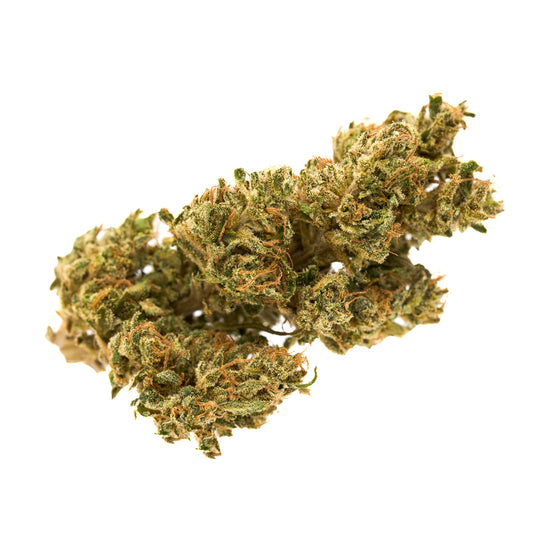
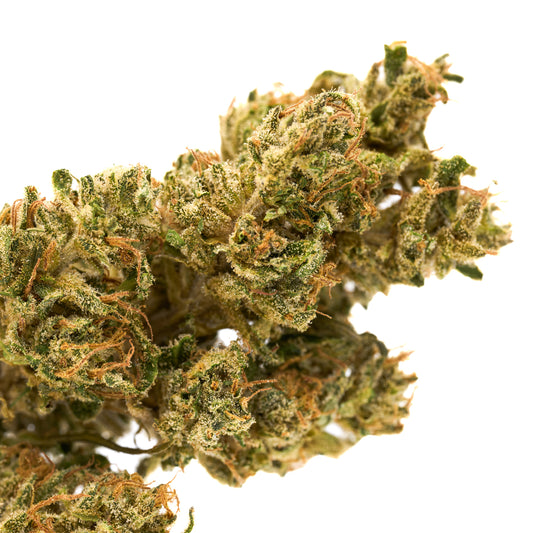
- Bud quality. Intact, trimmed buds with visible trichomes, not powder or stems.
- Batch documentation. A current COA you can match to the product.
Our perspective
We grow hemp flower organically, without pesticides or synthetics, and hand-trim it. We do that because aroma is the first thing a customer notices and the first thing poor handling destroys.
Our view is that terpene content cannot be judged from one number. Look at the total, the individual terpenes, the batch ID and the contaminant results together. That is how we think a COA should be used, and it is how we encourage customers and wholesale buyers to use ours.
Our strains are chosen for different cannabinoid and terpene combinations. Some buyers come for CBD, others for THCA, others for a specific aroma such as the sweet berry or hazy citrus end of the range. We stand behind every order with a 100% satisfaction guarantee.
Michael
Browse flower by profile
If you want to compare aromas directly, start with our hemp flower collection. Strains such as Critical Berries CBD full-term flower and Hawaiian Haze CBD flower sit on the collection, alongside Spectrum CBD flower and Early Blossom CBD flower. Each product page lists the strain details. Orders over $85 ship free, and every order is covered by our 100% satisfaction guarantee.

Businesses buying in volume can use our wholesale THCa, CBD and Delta 8 options. Prefer a different format? We also carry pre-rolls, vapes and THCa concentrates.
What the evidence says about terpene effects, and what the law says
Terpenes clearly shape aroma and flavor. Claims about specific effects are less settled. Commonly repeated pairings, such as myrcene with relaxation or limonene with an uplifting feel, are popular in consumer guides, but the research cited above is mainly about chemistry and aroma. Choose terpenes for the smell and taste you enjoy. If you use hemp products for a health reason, talk with your doctor or pharmacist first, especially if you take prescription medication or are pregnant or nursing.
Federal rules are also moving. Under the law that redefined hemp, the federal standard shifts to total THC (including THCA) of 0.3% by dry weight, with a 0.4 mg total THC cap per container for final hemp-derived cannabinoid products. A recent legal summary reports that the new total THC standard now takes effect December 11, 2026, and some states have set their own earlier dates. Rules differ by state, and you must be 21 or older to buy from us. Check your state’s current rules and the product page for the item you want before you order.

FAQ
What percentage of terpenes counts as high in hemp flower?
There is no official cutoff. Totals are usually given as percent weight, so 1% is about 1 gram of terpenes per 100 grams of flower. Compare results only from similar test methods, and read the individual terpenes as well as the total.
Do terpenes make hemp flower stronger?
Terpenes drive aroma and flavor, while potency figures come from the cannabinoid panel. Evidence for specific terpene effects is limited, so use the terpene profile to choose the smell and taste you like. Use the cannabinoid panel to choose potency.
Does CBD flower have terpenes?
Yes. Terpenes are present in both CBD and THC-type flower. A CBD-rich flower can have a rich terpene profile, and the COA’s terpene panel will show it if the lab tested for terpenes.
How do I tell if flower has lost its terpenes?
Smell it at opening. Faded, hay-like or flat aroma and crumbly buds suggest rough drying or poor storage. Research on industrial hemp shows that heat during drying drives volatile terpene loss, which is why gentle drying matters.
Why does the COA matter for terpene claims?
It ties the numbers to one batch. Match the batch ID to your product, confirm the report includes a terpene panel, and check the contaminant results too.
Sources
- Health Canada: choosing a cannabis product
- The Cannabis Terpenes (PMC)
- Cannabinoids, Phenolics, Terpenes and Alkaloids of Cannabis (PMC)
- ACS Laboratory: Certificate of Analysis
- Standard operating procedures for cannabis terpene analysis (OSTI)
- Volatile composition and sensory properties of hemp flowers (Shimadzu)
- In Pursuit of Optimal Quality: Cultivar-Specific Drying (PMC)
- Cannabis Workforce Initiative field guide
- Federal hemp definition change update
