




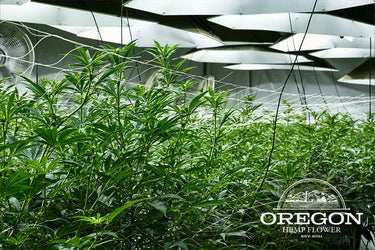
Greenhouse vs Indoor Hemp: What Actually Differs

Quick answer: Greenhouse hemp grows under sunlight with weather protection and sometimes supplemental lights or light-deprivation tarps. Indoor hemp grows fully under artificial light in sealed rooms. Indoor gives more control and bag appeal at a higher cost, while greenhouse uses far less energy and often matches indoor on aroma. Compare COAs and price per gram.
Greenhouse hemp is grown under glass or plastic with natural sunlight and climate controls. Indoor hemp is grown in a sealed space under artificial light. Both can produce premium flower. The cultivar (the genetics of the plant), the harvest timing, the drying and curing, and the lab report for the batch tell you more about what you will get than the label “greenhouse” or “indoor” does. We sell both kinds, including greenhouse THCa flower and indoor THCa flower, so this guide shows how to judge each one.
TL;DR
- Indoor means artificial light in a controlled room. Greenhouse means a structure that lets in natural light, with controls added.
- University trials point to cultivar and harvest timing as the strongest drivers of cannabinoid results, with the growing system playing a smaller part in aroma.
- Indoor grows carry heavy lighting and cooling costs, which is a main reason indoor flower is often priced higher. Greenhouse flower uses sunlight for much of its energy.
- Drying and curing change terpene content as much as the grow room does.
- Pick by the batch certificate of analysis (COA), the strain and the aroma, then by the growing method.
Table of Contents
- What the two terms mean
- Is indoor or greenhouse flower stronger?
- Terpenes, aroma and appearance
- Yield, cost and why prices differ
- Land and water use
- How to choose: a short decision guide
- Read the COA before the label
- Shop greenhouse and indoor hemp flower
- Our view on greenhouse vs indoor
- FAQ
- Sources
What the two terms mean
Indoor cultivation takes place in a closed building. Lights, air conditioning and humidity control replace the sun and weather. The grower sets every variable: light cycle, temperature, airflow, feed.
Greenhouse cultivation sits between indoor and outdoor. Plants grow in a glazed or plastic-covered structure, so sunlight does most of the lighting work. Growers add ventilation, shading, supplemental lights or heating as needed.
A 2024 analysis of indoor hemp production describes the difference between an indoor operation and a greenhouse as access to natural light. The same document reports that 15.6 million square feet of U.S. industrial hemp were produced under cover in 2021, counting both indoor operations and greenhouses. Growing under cover is a large part of the U.S. hemp market, not a niche.
Two other terms come up often:
- Terpenes are the aromatic compounds in the plant. They give a strain its scent, such as spicy, piney or sweet berry.
- Cannabinoids are compounds such as CBD and THCa. THCa is the raw acidic form of THC found in fresh flower.
Both products are sold to adults 21 and over.
Is indoor or greenhouse flower stronger?
This is the question most readers type, and the research answers it in a way that surprises people. Strength follows the plant more than the building.
Utah State University ran floral hemp trials from 2020 to 2022. Its extension summary reports that cultivar choice and harvest timing were the strongest, most consistent drivers of biomass and cannabinoid outcomes. In 2020, one cultivar, Tokyo Plus, went over the 0.3% total THC threshold at every irrigation level, while two others, Abacus and Trump, stayed under it. The genetics decided the result, not the water stress.
A 2024 study in the Journal of Agricultural and Food Chemistry compared high-tunnel production (an unheated greenhouse-style structure) with open-field production for two hemp cultivars. The high-tunnel plants had greater total weight, stem number and stem caliper, and the cultivar had a stronger effect on the terpene profile than the production system did. The authors also noted that harvesting one cultivar at early flower maturation could give high CBD while staying within THC regulations.
What this means when you shop:
- Compare strains, not just methods. A well-bred strain with a high cannabinoid result on its lab report will beat a generic strain in any setting.
- Compare the same cannabinoid on the same type of report. A THCa percentage and a CBD percentage are not interchangeable.
- Our own breakdown, Terpenes and COAs Decide Hemp Quality, Not Indoor vs Outdoor Claims, makes the same point.
Terpenes, aroma and appearance
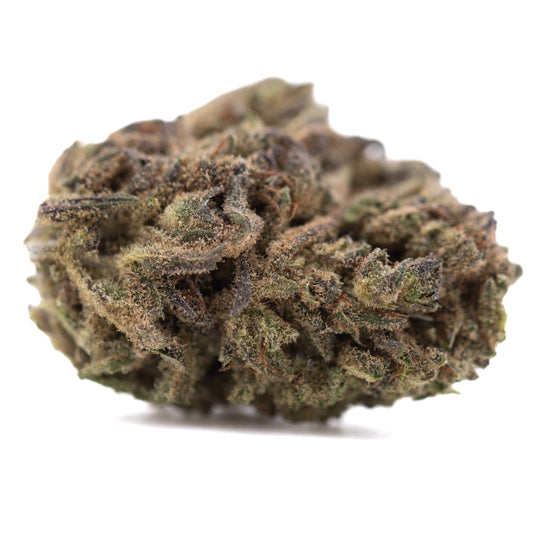
Terpenes are where buyers notice the difference first. Indoor rooms give a grower tight control of temperature and light, which supports consistent appearance from batch to batch: dense, uniform, well-trimmed buds. Greenhouse crops get the full spectrum of natural sunlight, and many buyers like the aroma and the lower price point that comes with it.
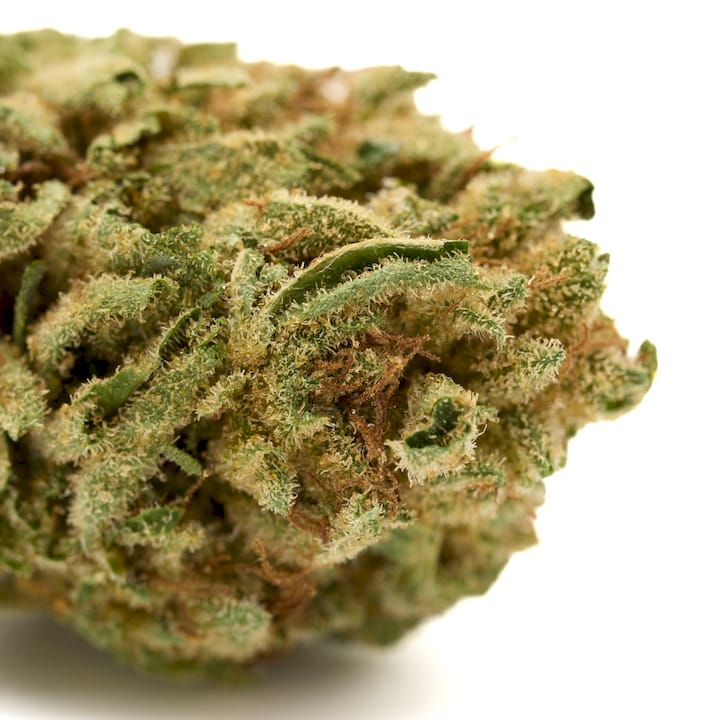
The research says the system is only one input. In the 2024 study above, cultivar had the larger effect on volatile compounds. After harvest, drying is the next big factor. A 2022 peer-reviewed review of cannabis postharvest operations found that drying temperatures above 40°C significantly reduced terpene concentration in hemp buds without changing the CBD level. Raising the drying temperature from ambient to 90°C cut terpene retention from 82.1% to 29.9%. The same review reports that standard hang-drying at 18 to 21°C and 50 to 55% relative humidity usually takes 5 to 6 days, and that drying endpoints lack formal standards.
So two flowers from the same room can smell very different if one was dried slowly and the other quickly. When you compare greenhouse and indoor flower, smell the jar or read the terpene section of the report, then check how the flower is cured. Moisture also matters for burn, smell and storage, and our guide to moisture content in hemp flower covers the ranges and how to store it.
For a deeper look at aromas, see our guide to terpenes in hemp flower.
Yield, cost and why prices differ
Price is the other reason people compare these methods. It comes down to what each method spends to produce a pound.
Indoor costs are driven by energy. A 2024 enterprise budget for a modeled 16,000-square-foot indoor hemp operation assumed four 3-month grow cycles a year and 3,200 plants per cycle. Its utilities, 957,600 kWh of lighting plus 1.6 million kWh of HVAC at $0.12 per kWh, came to over $300,000 a year, about 40% of variable costs. The same budget expected fresh bud yields of 9 to 18 ounces per plant, with 1.8 to 5.4 ounces per plant saleable after 70 to 80% drying and curing loss.
That is why an indoor grower asks for a premium. Lights and cooling run every day of the cycle, and a controlled room needs skilled labor.
What indoor growing returns. A University of Arkansas thesis on a case farm found that indoor production lowered weather and pest risk, and that net returns were highest for indoor production as the farm grew. Yields on that farm were 1.9 to 2 pounds of dried flower per plant in 2021, whether grown indoors or outdoors. The thesis also concludes that most production decisions depend on location, weather and the producer’s goals.
Greenhouse is a middle path. A 2024 study in Horticulturae compared soilless greenhouse and open-field hemp in Belgium. Greenhouse cultivation produced significantly more cannabinoids per square meter, through greater flower biomass and multiple harvest cycles, with three cycles a year estimated feasible. That study compared greenhouse to open field, not to indoor, so read it as evidence that greenhouses make productive use of space.
For your wallet the practical result is this:
| Factor | Indoor | Greenhouse |
|---|---|---|
| Light | Artificial, fully controlled | Mostly sunlight, with controls added |
| Appearance | Uniform, dense, tightly trimmed | Varies more by season and strain |
| Energy use | High, from lighting and HVAC | Lower, since the sun does much of the work |
| Typical shelf price | Often higher | Often lower than indoor |
| Best for | Buyers who want consistent, showy buds | Buyers who want strong value and full aroma |
A published comparison of THCa flower grades also puts outdoor flower as more affordable than greenhouse or indoor. For our own side-by-side, see Indoor vs Greenhouse vs Outdoor THCA Flower: Which Is Better in 2026? and, for CBD, Indoor vs Outdoor CBD Flower: Quality and Price Differences.
Land and water use
Sustainability often comes up, and the answer is less obvious than “indoor is the controlled choice.” Evan Mills of Lawrence Berkeley National Laboratory compared cultivation methods in 2022. His analysis found that when best practices are used, outdoor cultivation can be more land- and water-efficient than indoor. Typical outdoor land-use intensity is 5 times greater than indoor, but it falls to less than twice with best practices, and water use drops to about 50% below indoor intensities.
Greenhouse growing borrows from the outdoor side of that picture: sunlight replaces much of the electric lighting. That is one reason we pay attention to how a crop is grown. Everything we sell is organically grown without pesticides or synthetics, and we emphasize sustainable farming practices.
How to choose: a short decision guide
Start with what you want from the flower, then match it to the method.
- You want consistent, picture-perfect buds and are willing to pay for them. Look at indoor flower. Our indoor THCa flower is an example.
- You want strong aroma and good value. Look at greenhouse flower. Strains such as Gorilla Glue and Chimera in THCa greenhouse form are in our catalog.
- You want a specific cannabinoid result. Choose by strain and report first. Cultivar drove the results in the Utah trials.
- You are stocking a shop. Buy by lot. Ask for the batch COA and look at the cure and moisture, not only the growing label. Our wholesale collection covers THCa, CBD and Delta 8.
- You need to stay under a drug-test cutoff. Read CBD Flower: Why 50 and 15 ng/mL Drug Test Cutoffs Matter before you buy, and keep in mind that THCa flower can produce THC when heated.
Read the COA before the label
A certificate of analysis (COA) is the lab report for a specific batch. It is the most useful single document when you compare greenhouse and indoor flower, because it shows what the lot contains.
The rules for what a report must include vary by state. Total delta-9 THC must be 0.3% or less on a dry weight basis. The COA must carry lot identification, sample dates and a QR code that verifies it at an accredited lab, and an expired COA is not valid. Check your own state’s rules, since they differ.
A practical checklist for any buyer:
- Lot match. The lot number on the report should match the lot on the jar or bag.
- Cannabinoids. Look at total THC and THCa, and CBD for CBD flower.
- Terpenes. Higher totals and a clear profile suggest aromatic flower.
- Contaminants. Look for pesticide, heavy metal and microbial sections. Our guide to hemp pesticide testing explains what labs test and how to read results.
- Lab and date. An independent lab and a recent date matter.
For a full walk-through of the layout, see How to Read CBD Oil Lab Reports and Certificates of Analysis. For the 0.3% line and what it means for effects, see Will Hemp Flower Get You High?
Shop greenhouse and indoor hemp flower
Our catalog covers both methods across hemp flower, pre-rolls, vapes and THCa concentrates. Our products are organically grown without pesticides or synthetics and hand-trimmed, and every order carries a 100% satisfaction guarantee. Orders over $85 ship free.
Business buyers can use the wholesale collection for bulk THCa, CBD and Delta 8 supply. You can start from the Oregon Hemp Flower store.
Our view on greenhouse vs indoor
We get this question often, and our answer is that the building matters less than the plant and the handling.
Genetics set the ceiling for cannabinoids and terpenes. Harvest timing, drying and curing decide how much of that ceiling reaches the jar. The growing method then shapes how the flower looks and what it costs to produce.
That is why we carry both. Indoor gives tight control and uniform buds. Greenhouse gives sunlight, full aroma and a good price. Either way, we grow organically without pesticides or synthetics, trim by hand and stand behind each order with our satisfaction guarantee.
Our advice is to pick the strain you like, read the lab report for that lot, and then choose the method that fits your budget and taste.
Michael
Greenhouse vs Indoor
| Greenhouse | Indoor | |
|---|---|---|
| Light | Sun, plus supplemental | LED or HPS |
| Control | Moderate | Full |
| Harvests per year | 2-3 with light dep | 4-6 |
| Energy use | Lower | Higher |
| Bag appeal | Good | Highest |
| Price | Mid | High |
What Is Light Dep?
Blackout tarps shorten the day to trigger flowering on schedule, allowing extra harvests.
How to Compare
Check terpene totals, the COA and price per gram rather than the label.
Keep exploring: Related reading: Best Greenhouse Techniques for Maximizing THCA Content. Want to compare more options? Hemp Flower Co. carries additional hemp strains, and tryidealplus.com offers hemp pre-rolls, gummies and tinctures.
FAQ
Is indoor or greenhouse hemp stronger?
Neither wins by default. Utah State University’s trials found cultivar and harvest timing were the most consistent drivers of cannabinoid outcomes. Check the COA for the strain and lot you plan to buy, and compare totals on the same type of report.
Does greenhouse hemp smell as good as indoor?
It can. A 2024 study found the cultivar had a larger effect on terpene profile than the production system. Drying and curing also change aroma, since high drying temperatures cut terpene retention in published research.
Why is indoor flower often more expensive?
Indoor rooms run lights and air conditioning around the clock. In one modeled 16,000-square-foot hemp budget, utilities were about 40% of variable costs. Greenhouse growers rely on sunlight for much of their lighting, which usually lowers the cost per pound.
What should I check before buying either type?
Read the batch COA. Confirm the lot number, the cannabinoid totals, the terpene section and the pesticide, heavy metal and microbial results. Business buyers should ask that the batch COA ship with the order, since a product page often shows a representative report.
Is hemp flower for adults only?
Our products are sold to customers aged 21 and over. State and local rules on hemp products differ, so check the law where you live before you order.
Is indoor hemp better than greenhouse?
Indoor usually looks better; greenhouse can match aroma for less.
What is light dep?
Using blackout tarps to trigger flowering.
Why is greenhouse hemp cheaper?
Sunlight lowers energy costs.
Sources
- Indoor Hemp Production (2024 enterprise budget)
- Outdoor Floral Hemp Research in Utah, Utah State University Extension
- Effect of High-Tunnel and Open-Field Production on hemp, Journal of Agricultural and Food Chemistry (2024)
- Postharvest Operations of Cannabis and Their Effect on cannabinoids and terpenes (PMC)
- An Economic Analysis of a Case Farm Involved in Hemp Production, University of Arkansas
- Operational Costs and Analysis of Agronomic Characteristics, Horticulturae (2024)
- Best Practices for Cannabis Cultivation and Land and Water Use, Evan Mills (2022)
- Texas DSHS Chapter 300 hemp rules (effective March 31, 2026)
