




Shipping, Packaging & Storing Bulk THCA Flower: Best Practices Explained

You spent weeks — maybe months — sourcing the right genetics, finding a trusted cultivator, and vetting lab results. You found premium-grade THCA flower with the cannabinoid profile, terpene complexity, and visual appeal your customers expect. And then it sat in a hot warehouse for two weeks, got compressed into a poorly sealed bag, and arrived looking and smelling like something scraped off the break room floor.
This is a real problem in the bulk hemp market — and it happens more than it should.
If you're buying or selling bulk THCA flower, the quality of your product doesn't stop at the grow. How you ship it, pack it, and store it determines whether that flower arrives — and stays — in premium condition. THCA product handling is its own discipline, and the operators who take it seriously are the ones who maintain product integrity, customer trust, and repeat business.
In this guide, we're breaking down everything you need to know — from carrier compliance and bulk hemp packaging formats to THCA flower humidity control and long-term bulk THCA storage strategies. Whether you're a wholesale buyer receiving large shipments, a retailer managing floor inventory, or a distributor moving product between facilities, this post covers the full chain of custody from farm to shelf.
Shipping THCA Flower — Carriers, Compliance & Documentation
The Legal Landscape for Hemp Shipping
Before we get into logistics, let's address the compliance layer — because it informs every decision that follows.
Hemp-derived THCA flower is federally legal under the 2018 Farm Bill, provided the product contains less than 0.3% Delta-9 THC by dry weight at the time of harvest. This distinction is critical. THCA itself is a non-psychoactive cannabinoid in its raw form, and compliant hemp flower falls within the federal definition of a lawful agricultural commodity.
That legal status means shipping THCA flower across state lines is permissible under federal law — but it does not mean every carrier treats it identically, and it does not override state-level restrictions that some jurisdictions have imposed. Staying current on state-by-state THCA legality is non-negotiable for any operator moving product at volume.
Carrier Selection for Hemp Shipping
Hemp shipping carriers vary significantly in their policies, documentation requirements, and tolerance for hemp products. Here's how the major options break down:
USPS (United States Postal Service) remains one of the most widely used options for hemp shipments, particularly for smaller bulk orders in the 1–10 pound range. Following the 2018 Farm Bill, USPS updated its internal policies to permit the mailing of hemp products, including flower, provided the shipper complies with applicable regulations and can document that the product meets the federal THC threshold. For most compliant hemp businesses, USPS is accessible, cost-effective, and familiar. For high-value orders, however, insurance limits may be a concern.
UPS permits hemp shipments under a formal hemp policy that requires pre-enrollment in their hemp/CBD shipping program. Shippers must provide documentation including proof of licensure and a Certificate of Analysis confirming the product's compliance. UPS is a strong option for larger, heavier bulk orders where reliability and tracking are priorities.
FedEx similarly allows hemp product shipments under its own hemp policy, which requires documentation and adherence to applicable regulations. FedEx's network infrastructure makes it practical for time-sensitive bulk orders that need reliable next-day or two-day service.
Regional and freight carriers become relevant for truly large-scale bulk orders — multiple pounds up to full pallets. LTL (less-than-truckload) freight options are used by large-scale wholesale operations and distributors moving significant inventory. At this scale, working with a freight broker familiar with hemp products is worth the coordination effort.
Documentation Best Practices
No matter which carrier you use, documentation is your first line of defense against seized shipments, delayed orders, or regulatory complications. Every shipping THCA flower operation should have the following practices locked in:
Include a current Certificate of Analysis (COA) with every shipment. The COA should come from an ISO-accredited third-party lab, clearly show the Delta-9 THC concentration (below 0.3% on a dry weight basis), list the full cannabinoid panel, and include the batch or lot number that matches the shipment.
Include a hemp license or business documentation where required by the carrier or applicable state law. Some states require the shipper to be a licensed hemp producer or processor.
Use accurate, neutral exterior labeling. Avoid cannabis-adjacent terminology, product names that imply psychoactivity, or anything that creates ambiguity about the nature of the shipment. Label contents as "industrial hemp" or "hemp flower" with appropriate compliance information.
Ship with tracking on every order. For bulk orders above a few hundred dollars in value, add insurance. Carriers do lose shipments, and without documentation of value you have no recourse.
Know the destination state's rules. Some states — including Idaho, Kansas, and a handful of others — maintain restrictions on THCA flower regardless of federal compliance. Shipping into restricted states exposes you to legal liability even with a compliant COA.
THCA Packaging Options for Bulk Orders
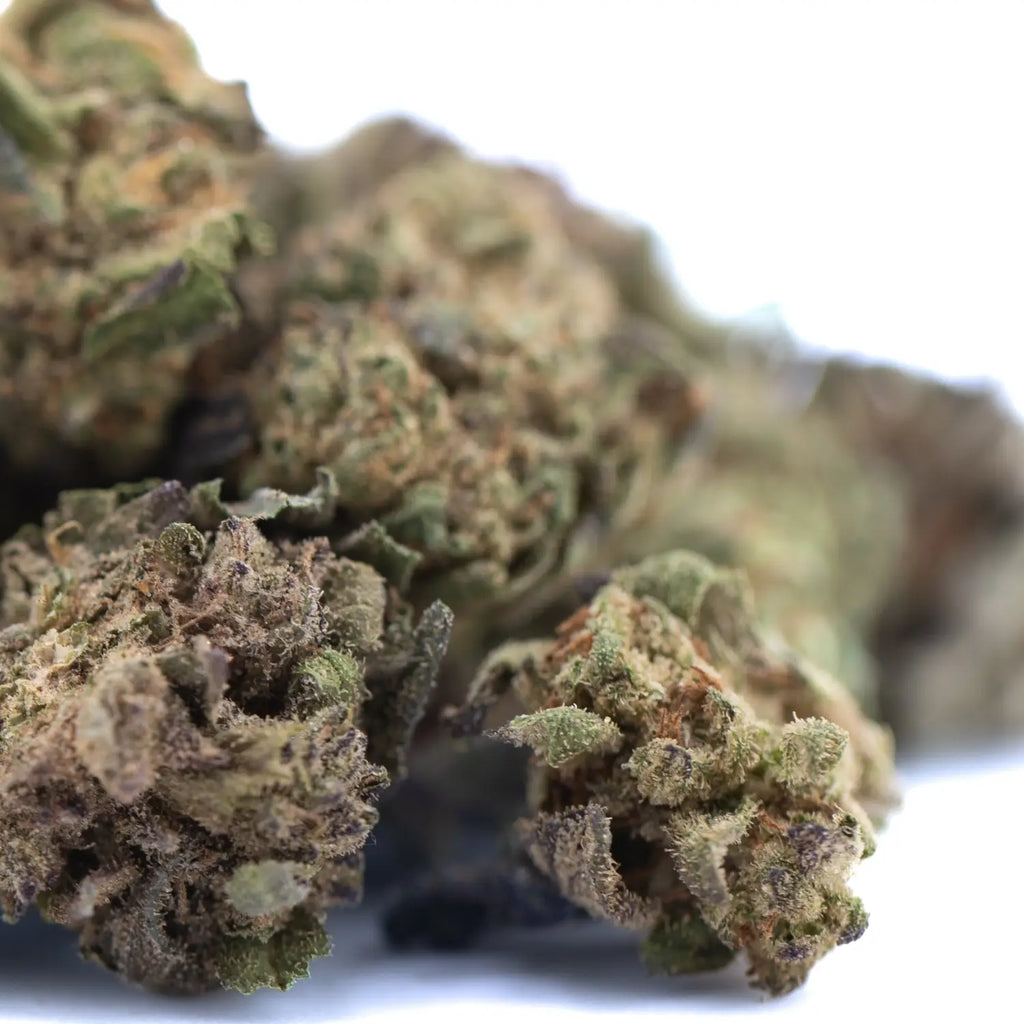
The packaging decisions you make immediately affect your product quality, your customer's unboxing experience, and the defensibility of your supply chain. THCA packaging options for bulk orders exist on a spectrum from simple and functional to highly sophisticated — and the right choice depends on your order size, transit time, storage timeline, and end-use format.
Vacuum-Sealed Bags
Vacuum sealing is the gold standard for bulk hemp packaging that will be in transit or storage for more than a short period. By removing oxygen from the environment, vacuum sealing dramatically slows the rate of cannabinoid oxidation and essentially eliminates the conditions that allow mold and mildew to develop. For pound-level and multi-pound orders, vacuum-sealed bags are the industry-standard choice.
The tradeoff is mechanical stress on the flower. Heavy vacuum pressure compresses buds, which can crush trichomes and reduce the visual appeal of premium whole-flower product. For top-shelf indoor cultivars where appearance drives retail value, some operators use modified atmosphere packaging (MAP) instead — which removes oxygen and replaces it with nitrogen — to protect structure while still controlling the internal environment.
For the majority of bulk wholesale transactions, however, vacuum sealing strikes the right balance of protection, cost-effectiveness, and practicality.
Mylar Bags
Mylar bags have become a staple in both wholesale and retail hemp packaging. Heat-sealable, light-blocking, and highly resistant to moisture transmission, they offer excellent product protection with flexibility in format and size. Mylar bags are available from 1-ounce retail sachets up to 1-pound and larger wholesale formats.
For dispensary-ready or retail-facing bulk packaging, Mylar bags are often the preferred option because they can be custom-printed with branding, compliance information, and strain details — making them the endpoint of a well-organized supply chain rather than an intermediate storage format.
When purchasing pre-packaged bulk THCA flower from a wholesale supplier, Mylar bags should come heat-sealed (not just folded or taped closed) and should be checked for integrity before accepting a shipment.
Grove Bags and Humidity-Regulated Packaging
Grove bags represent a more advanced solution for preserving THCA flower freshness over time. These specialty bags are engineered to passively maintain a target relative humidity range within the package — typically 58–62% RH — without the need for external humidity packs.
The mechanism works through a semi-permeable membrane that allows moisture to pass in or out until equilibrium is reached and maintained. This means Grove bags can correct for both over-dried and slightly over-humidified flower, making them particularly valuable for long-term storage applications and for operators who want to minimize the hands-on management of humidity across a large inventory.
For premium THCA cultivars where terpene preservation is a top priority, Grove bags are worth the cost premium. Buyers and retailers in competitive markets often find that the terpene profile advantage translates directly to repeat purchase rates.
Buckets and Sealed Containers
For warehouse-level bulk storage before retail packaging, food-grade airtight containers — typically 1-gallon, 3-gallon, or 5-gallon buckets with gasket-sealed lids — are a practical and cost-effective solution. They're easy to stack, label, and inventory, and they provide solid protection against oxygen exposure and physical damage when used with appropriate internal humidity control (more on that below).
Buckets work best as an intermediate storage format for product that will be repackaged into retail-ready formats within a defined timeframe. They're not ideal for long-term storage without vacuum sealing or humidity regulation, but for active inventory cycling, they're hard to beat on practicality.
THCA Flower Humidity Control
Of all the variables that affect storing THCA flower, humidity is simultaneously the most impactful and the most frequently mismanaged. Getting it wrong in either direction creates problems that erode both product quality and marketability.
Why Humidity Matters for THCA Flower
THCA flower is a hygroscopic material — it naturally absorbs or releases moisture from its surrounding environment. Trichomes, which house the majority of THCA, terpenes, and other cannabinoids, are fragile lipid-based structures that depend on the right moisture balance to maintain their integrity.
Too much moisture (above 65% RH) creates conditions for mold and mildew development, which can render an entire lot unsaleable and create potential health risks for end consumers. Mold issues in bulk inventory are particularly dangerous because they can spread between packages in storage and may not be visually detectable in early stages.
Too little moisture (below 50% RH) results in dry, brittle flower that crumbles on handling, loses terpene content through evaporation, and produces a harsh, thin smoke or vapor experience. Overly dry THCA flower is immediately recognizable by experienced buyers and is a common marker of poor storage practices or aging product.
The Target Range
The target THCA flower humidity range for stored and packaged flower is 58–62% relative humidity (RH). Within this range, buds remain firm and intact without being wet, trichomes stay intact, and the aromatic terpene profile that buyers pay a premium for is preserved.
Some operators extend the acceptable range slightly to 55–65% RH depending on the cultivar and storage format, but for premium product, dialing into the 58–62% window is standard practice.
Tools for Humidity Control
Boveda and Integra Boost Packs are the most widely used humidity control tools in the hemp and cannabis industry. These two-way humidity packs use a patented salt-water solution that absorbs excess moisture when RH climbs above target and releases moisture when RH drops below target. They're available in a range of target RH levels (55%, 58%, 62%, 69%) and multiple sizes scaled to the container volume.
For retail packaging and smaller bulk packages up to a pound, a single appropriately sized Boveda or Integra pack dropped into the sealed container is the easiest and most reliable way to maintain target humidity. For bulk containers and buckets, scale up to multiple packs or larger pack sizes.
Digital Hygrometers are inexpensive monitors that give you real-time RH readings in your storage area. For any operation managing significant bulk inventory, having a hygrometer in each storage room or zone is a basic investment in quality control. Wireless options allow remote monitoring, which is valuable for warehouse environments.
Climate-Controlled Storage becomes necessary at warehouse scale. For large-scale bulk operations, maintaining the ambient RH of the entire storage environment in the 50–60% range using HVAC systems with humidity control capability is the most reliable approach. This removes dependence on in-package solutions and creates a stable baseline environment for all stored product.
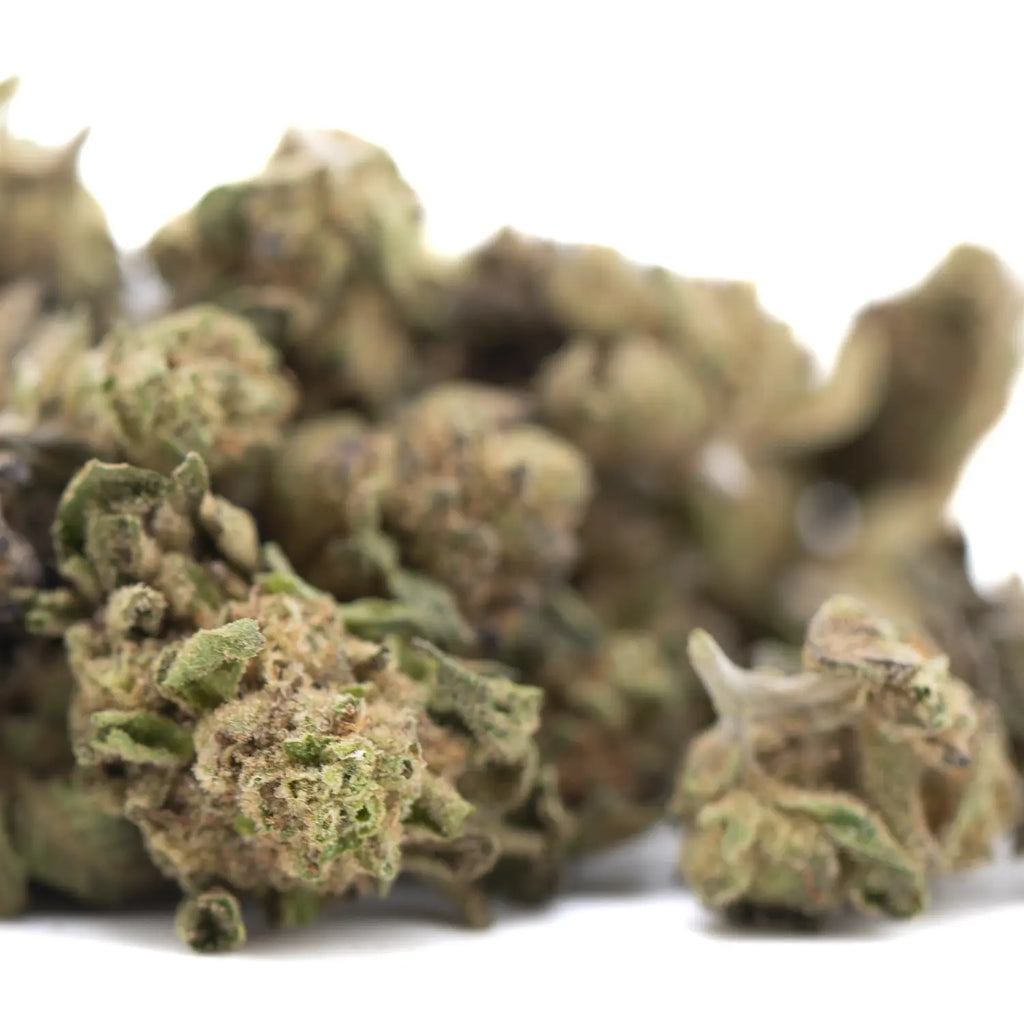
Storage Conditions for Bulk THCA Flower
Humidity is critical, but it doesn't operate in isolation. Storing THCA flower properly means managing several interconnected environmental variables simultaneously.
Temperature
Temperature is the second most critical storage variable after humidity. THCA flower should be stored between 60–70°F (15–21°C). Heat accelerates the decarboxylation process — the conversion of THCA into psychoactive THC — and also speeds up terpene evaporation, which directly reduces the aromatic and experiential quality of the flower.
Common storage mistakes that expose product to excess heat include storing near HVAC vents or ductwork, keeping inventory in exterior-facing rooms that absorb heat in warm climates, using vehicles or trailers as temporary storage, and storing product near lighting or electrical equipment.
For operations in warm climates or during summer months, refrigerated storage is worth considering for high-value inventory — though temperature cycling (pulling cold product into a warm environment) creates condensation risk that must be managed carefully.
Light
UV radiation is damaging to THCA and accelerates the breakdown of both cannabinoids and terpenes. This is why premium THCA flower is almost universally packaged in opaque, light-blocking materials — and why storing flower in clear plastic bags or under fluorescent lighting is a quality-degrading practice.
For bulk storage, opaque Mylar bags, labeled buckets, or dark storage rooms with minimal ambient light are all appropriate solutions. If your storage area has windows, cover them. If your facility uses high-intensity overhead lighting, ensure packaged inventory is not stored directly beneath lighting fixtures.
Airflow and Ventilation
Good ambient airflow in storage areas helps prevent the moisture buildup and stagnant air conditions that contribute to mold risk — particularly in areas that experience humidity fluctuations. However, direct airflow across open or loosely sealed flower accelerates drying and terpene loss.
The practical balance is this: keep the storage room ventilated and climate-controlled, but keep the flower itself sealed. Don't stage open buckets or loosely sealed bags in high-airflow zones.
Strain Separation
Bulk THCA storage at scale introduces a problem that smaller operations rarely encounter: terpene cross-contamination between strains. Highly aromatic cultivars — particularly gas-forward or fuel-terpene-dominant strains — can influence the scent profile of adjacent product if stored in proximity without airtight separation.
Best practice is to store different strains in clearly labeled, individually sealed containers with sufficient physical distance between them. This is especially important for inventory that will be sold as single-strain product or marketed on the basis of its specific terpene profile.
THCA Flower Shelf Life
Understanding THCA flower shelf life is essential for wholesale buyers making purchasing decisions and retailers managing FIFO (first in, first out) inventory rotation.
What to Expect Under Ideal Conditions
Under ideal storage conditions — sealed packaging, 58–62% RH, 60–70°F, low light, proper airflow — bulk THCA flower maintains peak quality for 6 to 12 months from the harvest and cure date. Within this window, cannabinoid potency remains stable, terpene profiles stay intact, and the flower retains the physical characteristics (color, structure, moisture level) associated with fresh, high-quality product.
After the 12-month mark, measurable degradation typically begins. THCA begins converting to THC and then to CBN (cannabinol) through a process called oxidative degradation. Terpene profiles flatten as volatile aromatics evaporate or oxidize. The flower may still be consumable, but it will no longer represent the quality level associated with the original product.
Factors That Shorten Shelf Life
Several factors accelerate degradation and can compromise shelf life well before the 12-month mark:
Improper humidity is the leading cause of premature quality loss. Fluctuating humidity — cycling between too wet and too dry — stresses the trichome structures and accelerates degradation faster than consistently suboptimal conditions.
Heat and UV exposure are the second major culprits. A single week of storage in an overly warm room or under direct light can cause noticeable terpene loss and begin the process of cannabinoid degradation.
Oxygen exposure from poorly sealed or repeatedly opened packaging allows the oxidative degradation of cannabinoids to proceed rapidly. Every time a bulk container is opened and resealed, oxygen is reintroduced. Packaging that allows slow gas exchange over time — like non-laminated plastic bags — creates the same problem chronically.
Mechanical damage from rough handling, compression under excessive weight, or over-packing of containers crushes trichomes and physically breaks down the structural integrity of the flower. Crushed trichomes cannot be repaired — the THCA and terpenes they contained are simply lost.
Shelf Life Planning for Wholesale Buyers
For wholesale buyers with high inventory turnover, shelf life is rarely a concern as long as storage best practices are followed. Product cycling through in weeks or months will not experience meaningful degradation under proper conditions.
For buyers purchasing larger seasonal quantities — stocking up on a premium batch for several months of distribution — investing in vacuum sealing and climate-controlled storage is the clear call. The cost of proper storage infrastructure is a fraction of the cost of a degraded lot.
FAQ: Shipping, Packaging & Storing THCA Flower
Q: Is it legal to ship THCA flower across state lines? Federally, yes — hemp-derived THCA flower with less than 0.3% Delta-9 THC by dry weight is legal under the 2018 Farm Bill and can be shipped interstate. However, some states maintain their own restrictions on THCA flower. Always verify the destination state's current rules before shipping.
Q: What documentation do I need to ship bulk THCA flower? At minimum, you should include a current Certificate of Analysis (COA) from an ISO-accredited third-party lab confirming the product's THC compliance. Depending on the carrier and destination state, you may also need proof of hemp licensure or a state-issued hemp handler permit.
Q: What's the best packaging for bulk THCA flower orders? For most bulk wholesale applications, vacuum-sealed Mylar bags are the best combination of protection and practicality. For premium long-term storage, Grove bags or modified atmosphere packaging better preserves terpene profiles. For warehouse staging, food-grade airtight buckets with internal humidity packs work well.
Q: What relative humidity should I store THCA flower at? The target range is 58–62% RH. This keeps buds firm without being wet, protects trichome integrity, and preserves the terpene profile. Boveda or Integra Boost packs are the easiest way to maintain this range passively in sealed containers.
Q: How long does bulk THCA flower stay fresh? Under ideal storage conditions (sealed, 58–62% RH, 60–70°F, minimal light), THCA flower maintains peak quality for 6 to 12 months from the harvest/cure date. After that, potency and terpene complexity begin to decline.
Q: Can THCA flower be refrigerated for longer shelf life? Yes, refrigeration can extend shelf life, but it introduces condensation risk when cold product is moved into a warmer environment. If refrigerating bulk flower, allow sealed packages to fully return to room temperature before opening to prevent moisture intrusion.
Q: What are signs of improperly stored THCA flower? Key indicators include excessive dryness or harshness, loss of aroma or flat terpene profile, visible mold or white powdery residue (mildew), brownish or bleached coloration, and crushed or compacted bud structure. Any of these signs warrants rejection of a shipment or removal of affected product from inventory.
Q: Which carriers are best for shipping hemp flower? USPS, UPS, and FedEx all permit hemp shipping with appropriate documentation. USPS is common for smaller bulk orders. UPS and FedEx are strong for larger shipments with reliable tracking. Freight carriers handle pallet-scale wholesale movement. Always verify the carrier's current hemp policy before shipping.
Conclusion: Protect Your Investment From Farm to Shelf
The quality of your THCA flower is determined at the grow — but it's protected (or lost) in the supply chain. THCA product handling isn't a secondary consideration or an afterthought. It's the difference between a lot that arrives and sells at full value and one that hits your shelves already compromised.
To recap the core principles:
Compliance-forward shipping THCA flower means using carriers with clear hemp policies, including your COA with every shipment, labeling accurately, and staying current on destination state rules. THCA packaging options for bulk orders should be selected based on your timeline and end-use format — vacuum-sealed Mylar for transit and most storage applications, Grove bags or modified atmosphere packaging for premium long-term preservation. THCA flower humidity management means targeting 58–62% RH consistently, using humidity packs in retail packaging, and investing in climate control for warehouse-scale storage. And bulk THCA storage conditions — temperature, light, airflow, and strain separation — need to be actively managed, not assumed.
When these practices are in place, a 6-to-12-month THCA flower shelf life is easily achievable, and the product your customers receive reflects the quality that left the farm.
Ready to order bulk THCA flower with proper packaging and compliant documentation included? Browse our wholesale THCA flower selection and get your COA with every order.
