







Slow Cured Hemp: What It Means and How to Spot It

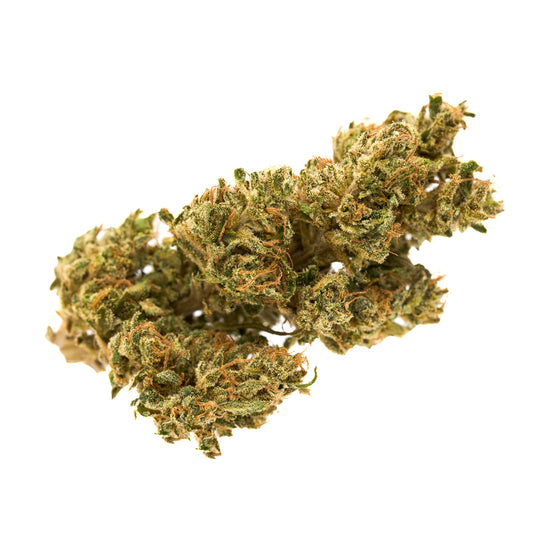
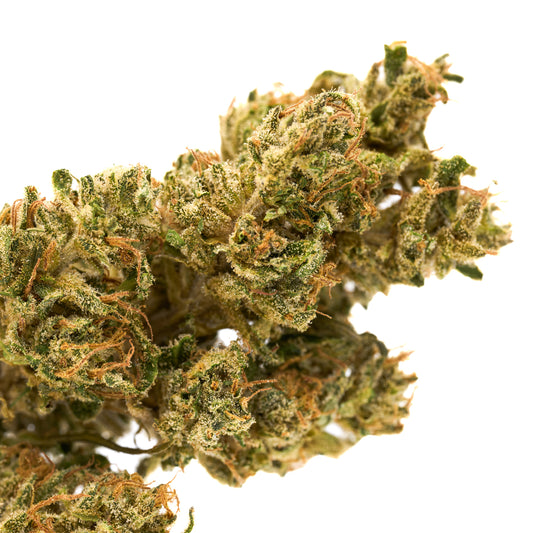
Slow cured hemp is smokable hemp flower that was dried and then held for weeks in a controlled, stable environment instead of being rushed to the shelf. The goal is even moisture, a smoother smoke and better-preserved aroma. The standard reference range is 18 to 21 °C and 55 to 65% relative humidity, according to Oregon State University Extension. This guide explains what happens during a slow cure, how long it takes, how to judge a jar before and after you buy it, and what curing cannot do.
TL;DR
- Slow curing means holding dried flower at roughly 18 to 21 °C and 55 to 65% RH for weeks, so moisture evens out and chlorophyll breaks down.
- “Cured” on a label is not proof of quality. The proof is moisture control, a clean smell, a springy feel and lab results.
- Most professional growers favor a cure of about two to three weeks, and some go much longer.
- Curing does not change legal status or drug-test risk. Total THC and the 0.3% limit still apply.
- Store what you buy in an airtight container, away from light and heat.
Table of Contents
- What slow cured hemp actually means
- The numbers behind a proper slow cure
- What curing changes, and what it does not
- How to judge a jar of hemp flower
- Slow cured flower versus the other things called “cured”
- Perspective: how we look at curing
- Curing, THCA and drug tests
- Storing your flower so the cure lasts
- Where to start if you want to buy
- A short checklist for buyers
- FAQ
- Sources
What slow cured hemp actually means
Fresh hemp tissue is 70 to 80% water. After harvest it is trimmed, dried, cured and stored before it is sold as smokable flower or sent for extraction, as the OSU Extension review of post-harvest practices describes. Drying removes most of the water. Curing is the stage after that.
During a cure, the remaining moisture inside the buds migrates outward and evens out. Chlorophyll and other pigments break down. Cannabinoids and terpenes stabilize. The same OSU source notes that curing is a period of active chemical change, not just waiting.
“Slow” is the part that matters. A fast dry in warm, dry air can leave a bud feeling ready on the outside while the center still holds water. It can also strip terpenes and leave a harsh, scratchy smoke. A slow cure trades speed for control.
Drying versus curing
These two steps are often mixed up.
| Stage | Typical purpose | What goes wrong when rushed |
|---|---|---|
| Drying | Remove most of the water from stems, leaves and buds | Surface-dry buds with wet centers, lost terpenes |
| Curing | Equalize remaining moisture, break down chlorophyll, stabilize compounds | Hay smell, harsh smoke, uneven burn |
| Storage | Hold the finished quality until sale and use | Light and heat degrade cannabinoids and terpenes |
One grower guide from a hemp testing lab says most drying runs about five to fifteen days in a dark room, with the cure following. The exact numbers vary by strain, bud density and room conditions.
The numbers behind a proper slow cure
The reference conditions from OSU Extension are 18 to 21 °C (about 64 to 70 °F) and 55 to 65% relative humidity. Those two ranges do most of the work.
- Too dry. Over-drying leads to a harsh, scratchy smoke. Buds turn brittle and crumble to dust.
- Too wet. High moisture raises the risk of mold and microbial growth. Some of that growth is not visible to the eye.
- Too much light. Light exposure degrades cannabinoids and terpenes even when temperature and humidity are right.
The point is a balanced moisture content. The target is the smoking quality you want, not a number of days on a calendar. That is why a label that only says “cured” tells you little.
How long does a slow cure take?
There is no single answer. The hemp testing lab guide cited above says a cure can run from a few days to a few weeks, or even three months or more, and that most professional growers favor a two-to-three-week period. A cannabis curing guide aimed at home growers treats 14 days as the bare minimum and about a month as the target for jar curing. Those are practical rules of thumb, not regulations.
Two things push the timeline longer:
- Dense buds. Large, tight flower holds moisture in the core and needs more time to equalize.
- Humid environments. Without humidity control, producers either over-dry to be safe or risk moisture pockets.
Is burping necessary?
Burping means opening curing containers to exchange air. It is common practice, and many home guides prescribe a daily schedule in the first week. A McGill University thesis on post-harvest processing of smokable cannabis points the other way for modern setups: with airtight containers and controlled humidity, burping appears to add no meaningful benefit for cannabinoid or terpene preservation. In practice, humidity control matters more than the ritual.
What curing changes, and what it does not
It helps to be exact about what a slow cure does for the flower.
What it can improve
- Smoothness. Lower chlorophyll means less of the grassy, harsh character.
- Aroma and flavor. Gentle handling preserves volatile terpenes. If you want more background, see our piece on maximizing terpene profiles in hemp flower.
- Burn and handling. Evenly conditioned flower grinds, packs and burns more consistently.
- Safety margin. Stable moisture lowers the chance of microbial growth.
What it cannot do
- Add cannabinoids the plant did not make. Genetics and growing conditions set the ceiling. A published study on postharvest drying and curing in industrial hemp examined how these steps affect cannabinoid content and microbial levels, which shows both are sensitive to handling, not magically improved by it.
- Change legal status. A cured flower with total THC above the federal limit is still above it.
- Make a failed drug test less likely. See the section below.
How to judge a jar of hemp flower
You cannot see a cure. You can check what it left behind.
Before you buy
- Certificate of analysis. Look for a current third-party lab report that lists cannabinoids, plus contaminant and microbial testing.
- Product description. Look for specifics: strain, terpenes, growing method, trimming method. Vague superlatives are a weak signal.
- Packaging. Airtight, opaque or light-protective packaging suggests the seller cares about storage.
- Guarantee. A clear satisfaction policy tells you the seller expects to stand behind the product.
When the jar arrives
- Smell it. Expect a clear, strain-specific aroma. Hay, grass, ammonia or a sour, musty note are red flags. A chemical or ammonia smell can mean the flower was sealed while too wet.
- Look at it. Color should be natural, with trichomes intact. Visible mold, fuzzy white patches or webbing means do not use it.
- Squeeze gently. A well-conditioned bud has some spring and does not crumble to dust or feel damp.
- Listen to the stem. A very brittle snap points to over-drying. A bendy, wet stem points to too much moisture.
- Taste the first pull. Smooth and flavorful is the goal. Harshness and a scratchy throat suggest a rushed dry.
If anything looks or smells like mold, do not smoke it. Contact the seller.
Slow cured flower versus the other things called “cured”
The search results for this keyword are dominated by vape cartridges and concentrates labeled “slow cured resin.” That is a different product. Cured resin is an extract made from dried and cured flower using a solvent such as butane or propane, as a retailer product listing for a cured resin concentrate explains. It differs from live resin, which starts with fresh-frozen plant material. The flower’s cure still matters to the extract, but the finished product is a concentrate with much higher potency.
If you want flower, look for flower. If you want a concentrate or vape, the cure of the starting material is only one factor, and extraction method and testing matter as much.
Perspective: how we look at curing
Curing is one of the least visible parts of hemp flower and one of the easiest to market with a vague word. We treat it as a quality control step, not a slogan.

Our position is simple. A cure should be judged by results: moisture in range, a clean aroma, intact trichomes and a lab report that backs the product. The calendar count matters less than the conditions. A shorter cure in a well-controlled room can beat a longer one in a damp or bright one.
What we stand behind is how our flower is grown and handled: organically, without pesticides or synthetics, and hand-trimmed, with a 100% satisfaction guarantee. If a jar does not meet your expectations, that guarantee exists for exactly that reason. We also think buyers should ask every seller, including us, for lab reports and storage details before ordering.
— Michael
Curing, THCA and drug tests
This is the question we hear most from buyers who also work under testing policies, so it needs a plain answer: curing does not make flower safer for a drug test.
Federal workplace testing, described in the SAMHSA FAQ on federal workplace drug testing, looks for marijuana metabolites in urine and delta-9-THC in oral fluid. Hemp products can still lead to a positive result because they may contain THC. SAMHSA’s own 2017 memo on CBD says CBD itself will not cause a positive result, but CBD products may contain other cannabinoids such as THC.
The hemp definition under the 2018 Farm Bill rests on the delta-9-THC limit of 0.3%, and SAMHSA’s 2019 memo on hemp products discusses how that change interacts with testing. If your job is covered by federal testing rules or a DOT program, talk to your employer’s policy contact or a Medical Review Officer before using any THCA or hemp-derived product. Our related guides go deeper:
- CBD flower and the 50 and 15 ng/mL drug test cutoffs
- How THCa use interacts with DOT cutoffs and MRO reviews
- How heat turns THCA into THC
- Will hemp flower get you high?
These products are for adults 21 and older. Rules differ by state, so check your own state’s law before ordering.
Storing your flower so the cure lasts
A good cure can be undone in a few weeks on a sunny counter. The OSU review flags light as a major source of cannabinoid and terpene loss, even when temperature is steady. Use this routine:
- Keep flower in an airtight glass jar or the original sealed container.
- Store it in a dark cabinet or drawer.
- Aim for a cool room, near the 18 to 21 °C range used for curing.
- Use a small humidity control pack if your climate is very dry or very humid, and replace it as directed.
- Open the container only as long as you need to.
- Do not store flower in the refrigerator or freezer, where condensation can add moisture each time you open it.
For timelines and signs that flower has gone off, read our guide to hemp flower shelf life and storage.
Where to start if you want to buy
We grow our hemp organically, without pesticides or synthetics, and trim it by hand. Orders over $85 ship free, and every order is backed by a 100% satisfaction guarantee.
- Smokable flower: browse the hemp flower collection, with CBD, THCA and Delta 8 options.
- Ready to go: see our pre-rolls. If you are curious how they are made, we cover it in how hemp pre-rolls are made.
- Concentrates and vapes: see THCa concentrates and vapes.
- Resellers and manufacturers: THCa, CBD and Delta 8 bulk supply is listed under wholesale.
If you like a specific aroma family, our guide to terpinolene hemp strains explains how to choose. For help reading cannabinoid labels, start with cannabinoids in hemp.

A short checklist for buyers
| Question | Good sign | Warning sign |
|---|---|---|
| Is there a lab report? | Current, third-party, matches the batch | None, outdated or unreadable |
| How does it smell? | Distinct, strain-like | Hay, ammonia, mustiness |
| How does it feel? | Slight spring, not damp | Dust-dry or sticky-wet |
| How is it packed? | Airtight, light-protected | Loose bag, clear and open |
| What is the policy? | Clear satisfaction guarantee | No stated return terms |
FAQ
Is slow cured hemp better than regular hemp?
Often, but the label alone does not prove it. A slow cure done at the right temperature and humidity can give smoother smoke and better aroma. Check the smell, feel and lab report instead of trusting the word “cured.”
How long should hemp flower be cured?
There is no fixed rule. Many professional growers favor about two to three weeks after drying, and some cure much longer. What matters is that moisture ends up stable and in range, not the number of days.
Is “slow cured resin” the same as slow cured flower?
No. Slow cured resin is a concentrate extracted with a solvent from dried and cured plant material, usually sold in vapes or dabs. Slow cured flower is the plant material itself, sold to be smoked or ground.
Will slow cured hemp fail a drug test?
It can. Curing does not remove THC, and hemp products may contain THC. If you are subject to workplace testing, consult your employer’s policy or a Medical Review Officer before using any hemp-derived product.
Sources
- Post-harvest processing of hemp flowers, OSU Extension Service
- How to Dry and Cure Smokable Hemp Flower for Best Results, ACS Laboratory
- How to Cure Cannabis: The 62% RH Jar Curing Guide
- Optimizing post-harvest processing of cannabis for smokable products, McGill University
- Postharvest Drying and Curing Affect Cannabinoid Contents and Microbial Levels in Industrial Hemp
- Elevated Chimera Cured Resin 1g, Weedmaps listing
- Federal Workplace Drug Testing FAQs, SAMHSA
- SAMHSA memo on CBD, 2017
- SAMHSA memo on hemp products, 2019
