




How Are Hemp Pre-Rolls Made? From Harvest to Ready-to-Smoke

You grab a pre-roll, spark it up, and enjoy a smooth, flavorful smoke. Simple enough — but the product in your hand is the result of months of agricultural science, post-harvest processing, precision manufacturing, and rigorous quality control. Most consumers never think twice about what went into making it. But if you've ever wondered why some pre-rolls burn clean and hit smooth while others canoe, run, or taste like hay, the answer lives entirely in the production process.
Understanding THCA pre-roll production from start to finish doesn't just satisfy curiosity — it gives you the tools to evaluate what you're buying, recognize quality when you see it, and know exactly what you're putting in your body. This guide walks through every stage of the journey, from seed selection all the way to the finished product sitting in your hand, ready to smoke.
Step 1: It All Starts With Genetics and THCA Hemp Cultivation
Every great pre-roll begins long before harvest — it begins with seed selection and strain genetics. THCA hemp cultivation is a precise science that requires growers to walk a careful legal line: producing hemp flower rich in THCA while keeping Delta-9 THC at or below the 0.3% threshold established under the 2018 Farm Bill. The strains used in premium pre-rolls are specifically bred to hit that window — maximizing psychoactive potential through THCA while remaining federally compliant.
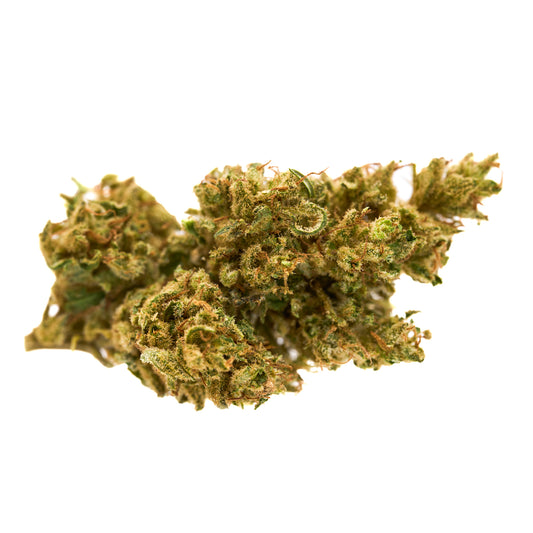
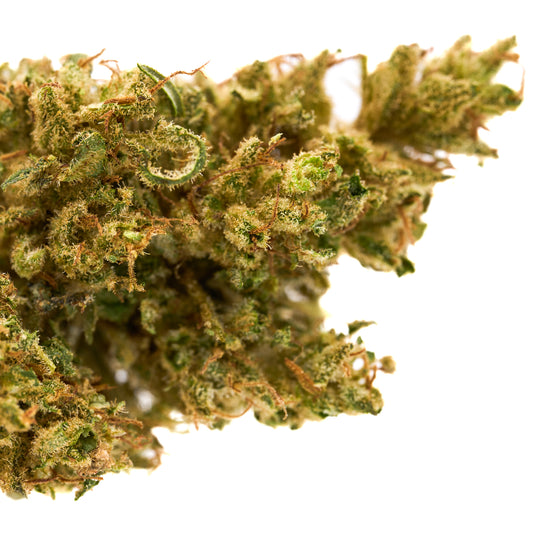
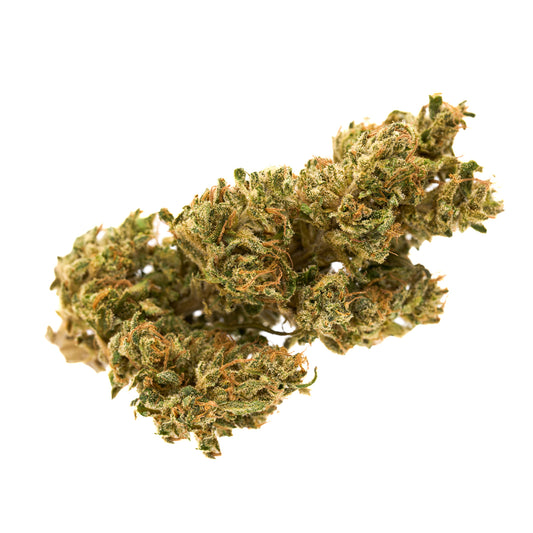
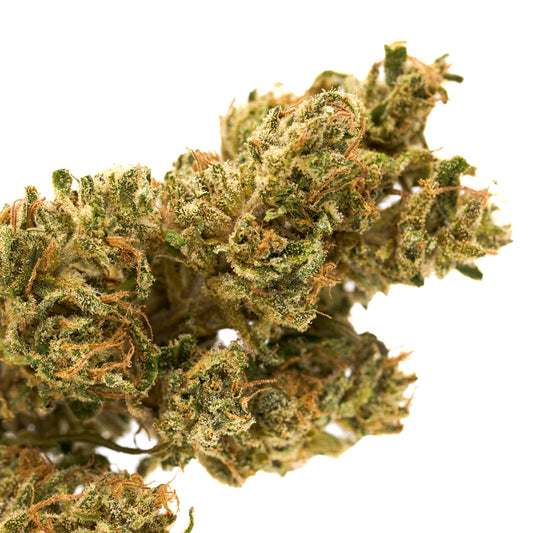
Genetics determine everything from growth structure and flower density to terpene expression, cannabinoid ratios, and resistance to pests and mold. A well-selected strain grown in the right environment will produce flower with naturally rich trichome coverage, pronounced aroma, and the kind of complex flavor profile that makes a pre-roll worth smoking.
The three primary THCA hemp farm to shelf cultivation environments are:
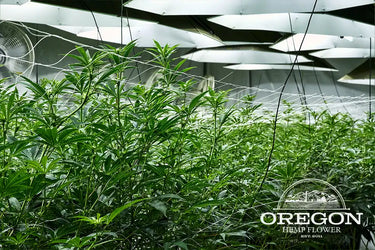
Indoor: Plants are grown under artificial lighting with fully controlled temperature, humidity, CO₂ levels, and light cycles. Indoor growing produces the highest-quality flower — dense, trichome-heavy, visually striking — but it's expensive and resource-intensive. Indoor-grown THCA flower often ends up in premium single-strain pre-rolls.
Greenhouse: A hybrid approach where natural sunlight is supplemented with artificial lighting and the environment is partially climate-controlled. Greenhouse flower offers a strong balance of quality and efficiency, producing well-developed terpene profiles and solid cannabinoid potency at a lower cost than full indoor cultivation.
Outdoor: Grown entirely under natural sunlight in soil, outdoor hemp is the most cost-effective method but is subject to the variability of weather, seasons, and pests. Outdoor-grown flower can still produce excellent pre-rolls, particularly when sourced from quality farms in regions with ideal climates — like Oregon, where sun-drenched summers and mineral-rich soils create favorable growing conditions.
Regardless of cultivation method, the goal is the same: grow a plant that produces flower with high THCA content, expressive terpenes, and clean cannabinoid ratios. Growers monitor plant health throughout the growth cycle, adjusting nutrient inputs, irrigation, and canopy management to maximize the quality of the flower that will eventually end up inside your pre-roll.
It's worth noting that many factors growers cannot fully control — microclimate shifts, unexpected rain, light pollution — mean that even the best cultivators are always managing variables. This is why experienced farms develop strain-specific growing protocols refined over multiple harvests.

Step 2: THCA Hemp Harvest — Timing Is Everything
The moment of THCA hemp harvest is one of the most critical decisions a grower makes. Harvest too early and the flower hasn't reached peak potency; trichomes are still developing and THCA levels are below their maximum. Harvest too late and THC degradation begins — THCA converts to CBN as trichomes degrade, reducing potency and altering the effect profile.
Growers assess harvest readiness using a jeweler's loupe or digital microscope to examine trichome color and morphology:
- Clear trichomes: Plant is still maturing; not ready to harvest
- Cloudy/milky white trichomes: THCA content is near its peak; this is often the target for high-potency harvest
- Amber trichomes: Degradation has begun; some growers aim for a mix of cloudy and amber for a more sedating effect profile
Beyond trichome inspection, growers also evaluate pistil color (the hair-like structures on the flower), overall bud density, and aroma intensity. All of these visual and sensory cues work together to identify the optimal harvest window, which may only last a few days.
When that window arrives, plants are typically harvested by hand — cut at the stalk and hung whole — or by machine-assisted harvest on larger outdoor operations. Hand harvesting preserves more of the trichome integrity and bud structure that contributes to a higher-quality finished product. This attention to hemp flower harvest to pre-roll quality is what separates farms that produce genuinely excellent material from those just trying to move volume.
After cutting, plants move immediately into the drying phase. The window between cutting and beginning the dry process matters — leaving wet plants sitting too long before hanging invites mold and bacterial growth that can ruin an entire crop.
Step 3: The Hemp Flower Drying Process — Slow and Steady Wins
Once harvested, plants enter the hemp flower drying process — a phase that can make or break the final product's quality. The goal is to remove moisture from the plant material in a controlled, gradual way that preserves terpenes, maintains cannabinoid integrity, and prevents mold.
Ideal drying conditions typically involve:
- Temperature: 60–70°F (15–21°C)
- Humidity: 45–55% relative humidity
- Airflow: Gentle, consistent circulation without direct airflow blowing onto the buds
- Light: Darkness or very low light — UV exposure can degrade terpenes and cannabinoids
- Duration: 7–14 days depending on bud density, ambient conditions, and strain
Whole plants or large branches are hung upside down on drying racks, allowing gravity to pull moisture out evenly through the stem and into the air. Some producers dry trimmed buds on flat mesh racks, though this method requires more active management to prevent flat spots and uneven drying.
The most common mistakes at this stage are drying too fast and drying too slow. High heat and aggressive airflow strip terpenes before the plant can properly stabilize — this is why "quick-dried" flower so often smells like cut grass rather than the rich, nuanced aromas you'd expect from a well-grown strain. Conversely, high humidity during drying creates an ideal environment for Botrytis (bud rot) and other molds, which can render entire harvests unsellable and, more importantly, unsafe to consume.
Experienced processors track moisture content with calibrated hygrometers and moisture meters throughout the drying period, targeting a final moisture content of around 10–12% before moving to the cure. This careful monitoring is part of what separates thoughtful hemp flower processing from rushed production that prioritizes speed over quality.
Step 4: How Is Hemp Flower Cured — The Stage Most Producers Rush
If drying is science, curing is an art — and it's the step that most distinguishes craft hemp pre-rolls from commodity-grade products. Once flower has reached the proper moisture content at the end of the drying phase, it's transferred into sealed containers — traditionally glass mason jars, though food-grade bins and specialty curing vessels are also used at scale — where it undergoes a slow, anaerobic curing process over several weeks.
Understanding how is hemp flower cured starts with understanding what curing actually accomplishes at the biochemical level:
Chlorophyll breakdown: Fresh-dried flower still contains significant chlorophyll, which contributes to a harsh, grassy taste when smoked. During curing, residual chlorophyll breaks down naturally through enzymatic action. The result is a smoother, cleaner smoke with less throat irritation.
Terpene maturation: Many terpenes are volatile and continue to develop and stabilize during the curing process. A properly cured flower's aroma intensifies and becomes more complex compared to the same flower smoked right off the drying line.
Moisture redistribution: Curing allows moisture to redistribute evenly throughout each bud, eliminating dry exterior surfaces and overly moist cores — the kind of uneven moisture content that causes pre-rolls to burn unevenly.
Cannabinoid stability: Though most cannabinoid conversion happens in the live plant, curing helps stabilize the final cannabinoid profile and slows further degradation.
The standard cure for quality flower lasts 2–4 weeks at minimum, with some premium cultivators extending to 6–8 weeks for particularly dense or resinous strains. During the cure, containers are "burped" — briefly opened daily for the first week or two to allow gas exchange and prevent anaerobic bacteria buildup — before being sealed again.
Skipping or shortening the cure to save time is one of the most common quality shortcuts in hemp pre-roll production. Uncured or under-cured flower burns harshly, tastes like vegetables, and lacks the aroma complexity that makes premium hemp flower worth seeking out. When a pre-roll burns beautifully and tastes as good as it smells, a proper cure almost always deserves part of the credit.

Step 5: Trimming, Sorting, and Grading the Flower
After curing, flower enters the trimming and sorting phase — the process of removing excess leaf material and organizing the flower by size and quality for its intended end use.
Trimming removes sugar leaves — the small, resin-covered leaves that grow among the buds — along with any remaining fan leaf material. Trimming can be done by hand or with automated trimming machines. Hand-trimming preserves more trichomes and bud structure, producing a more visually appealing and slightly more potent product; machine trimming is faster and more cost-effective but can be rougher on the material.
After trimming, flower is sorted and graded:
- Whole buds / top-shelf flower: Dense, intact buds with high visual appeal go to premium flower SKUs — typically sold in jars or bags as flagship products
- Smalls: Smaller, fully formed buds that don't meet size thresholds for premium sales; ideal for pre-roll production and often identical in cannabinoid content to larger buds from the same harvest
- Shake: Loose flower fragments that accumulate during handling and processing; used in pre-rolls, often blended with smalls
The use of smalls in pre-roll production is not a quality compromise — it's an efficient and entirely sensible use of harvest material. Well-cured, terpene-rich smalls from a quality strain produce excellent pre-rolls. The key is that the base material is well-grown and properly processed; pre-rolls made from poorly cured or low-quality shake, by contrast, will smoke poorly regardless of how they're rolled.
This sorting and grading step ensures that the right material ends up in the right product — and it's an essential part of responsible, quality-focused hemp pre-roll manufacturing.
Step 6: The Hemp Pre-Roll Filling Process — Machine vs. Hand Rolling
With properly cured, trimmed, and sorted flower in hand, production moves into the rolling stage — arguably the most mechanically interesting part of the entire process.
Hand Rolling
Traditional hand rolling involves filling a paper cone by hand, packing the flower evenly, and twisting the tip to seal. Hand-rolled pre-rolls are labor-intensive and variable in consistency — even skilled rollers produce slight differences in fill weight and pack density from one joint to the next. Hand-rolling is most common among small craft producers and in situations where the process itself is part of the brand identity.
The Hemp Pre-Roll Rolling Machine
At scale, the hemp pre-roll rolling machine handles what human hands can't do efficiently enough. Several types of machines are used in commercial pre-roll production:
- Cone filling machines: Pre-formed paper cones are loaded into a filling tray, loose flower is spread over the top, and a vibrating platform settles the material evenly into each cone. After filling, a packing rod is used to tamp down the flower to the correct density, and tips are twisted. These machines can fill dozens to hundreds of cones simultaneously.
- Automated rolling machines: More advanced equipment rolls and fills pre-rolls in a continuous automated process, handling paper insertion, filling, and sealing in sequence with minimal manual input.
- Donut/tumbler-style fillers: Used with small batches, these machines use a circular tray and vibration to fill multiple cones at once with consistent results.
Understanding the hemp pre-roll filling process matters because fill consistency directly affects smoking experience. A pre-roll that's packed too loosely draws like a straw with almost no airflow restriction and burns unevenly. One packed too tightly won't draw at all. The ideal pack density allows for a smooth, even draw with consistent burning — something that quality rolling operations calibrate precisely, whether using machines or hands.
Pre-roll size, paper type, filter/tip material, and tip style are also decisions made at this stage. Unbleached hemp paper, rice paper, and standard bleached paper each burn differently and contribute subtly to the overall smoking experience. Filter tips — whether glass, cellulose, or cardboard crutches — affect draw resistance and keep the end of the pre-roll intact during smoking.
Step 7: Hemp Pre-Roll Quality Control — The Final Gate
Before any pre-roll reaches packaging, it should pass through hemp pre-roll quality control — the systematic inspection process that ensures every unit meets defined standards for fill weight, pack consistency, appearance, and structural integrity.
Quality control at a reputable hemp pre-roll operation typically includes:
Fill weight verification: Each pre-roll (or a statistical sample from each batch) is weighed to confirm it meets the labeled weight. Underfilled pre-rolls are a common complaint and a sign of weak QC or deliberate cost-cutting.
Visual inspection: Rollers or QC technicians inspect pre-rolls for paper tears, loose fills, exposed flower at the tip, uneven pack distribution, and improper tip seals. Any units that don't meet visual standards are pulled from the batch.
Draw testing: Some operations conduct airflow tests on sample pre-rolls to verify that the pack density falls within the target range for a proper draw.
Structural integrity: Pre-rolls are handled and gently squeezed to ensure they hold their shape and won't collapse or crumble during consumer handling.
Aroma check: QC staff assess the aroma profile of flower used in each batch, verifying that it matches expected strain characteristics and shows no signs of mold, must, or off-notes that could indicate a processing issue.
Weak quality control is where many budget pre-roll brands fail their customers. Without consistent QC, the same SKU can vary dramatically from batch to batch — and that inconsistency erodes consumer trust fast. Premium brands invest in QC because it protects both the customer experience and the brand's long-term credibility.
Step 8: Lab Testing and COA Issuance — Non-Negotiable Transparency
Before a batch of pre-rolls ships to consumers, it should be tested by an accredited, independent third-party laboratory. This step is what separates legitimate hemp brands from fly-by-night operations and it's a baseline expectation consumers should hold every brand to.
Lab testing for THCA pre-rolls covers:
Cannabinoid potency panel: Confirms THCA percentage, Delta-9 THC levels (to verify legal compliance), CBD content, and the presence of other cannabinoids like CBG, CBN, and CBC.
Terpene profile: Identifies and quantifies the dominant terpenes, giving consumers insight into the expected flavor, aroma, and effect characteristics of the pre-roll.
Pesticide screening: Tests for residual pesticides that may have been used during cultivation and could pose health risks when combusted and inhaled.
Heavy metals: Screens for lead, arsenic, mercury, cadmium, and other metals that hemp plants can absorb from contaminated soil.
Microbial testing: Checks for the presence of harmful molds, bacteria, and other pathogens.
The results of these tests are compiled into a Certificate of Analysis (COA), which should be publicly accessible — either printed on packaging, included as a QR code, or available on the brand's website. Always verify that COA dates match the current batch and that the testing lab is genuinely independent (not affiliated with the brand).
Lab testing is not optional for brands that take consumer safety and regulatory compliance seriously. It's the final, non-negotiable checkpoint in the journey from hemp pre-roll from seed to finished, shelf-ready product.
How Is a Joint Made vs. a Hemp Pre-Roll — Is There a Difference?
People often ask how is a joint made and whether it's any different from a hemp pre-roll. The mechanics are the same — rolling paper, ground or broken-down flower, a filter or crutch tip — but the key difference is in the source material and regulatory framework. A traditional joint uses cannabis flower, which may contain significant Delta-9 THC and is subject to state cannabis laws. A hemp pre-roll uses federally legal hemp flower, which may be rich in THCA — a precursor that converts to Delta-9 THC upon heating — but contains less than 0.3% Delta-9 THC in its raw form.
The production process we've outlined above applies to both, though hemp pre-rolls have the additional layer of federal compliance requirements, COA documentation, and Farm Bill compliance language that governs how they're sold and marketed.
Frequently Asked Questions
Q: What's the difference between a THCA pre-roll and a CBD pre-roll? A: THCA pre-rolls are made from hemp strains bred for high THCA content — the precursor to Delta-9 THC. When you smoke a THCA pre-roll, heat converts THCA to THC, producing psychoactive effects similar to traditional cannabis. CBD pre-rolls contain flower bred for high CBD content with minimal THCA, producing non-intoxicating effects. Both are federally legal hemp products, but the experience is very different.
Q: Are hemp pre-rolls made with whole buds or shake? A: It depends on the brand and price point. Premium pre-rolls are often made with smalls — small, fully formed buds from the same plant as top-shelf flower — which are nearly identical in quality to whole buds. Budget pre-rolls may use shake or trim. Always check product descriptions and look for brands that disclose what's inside their pre-rolls.
Q: How long does it take to make a THCA pre-roll from start to finish? A: The full production timeline from seed to finished product typically ranges from 4 to 6 months. This includes roughly 10–16 weeks of growing, 1–2 weeks of drying, 3–8 weeks of curing, plus trimming, rolling, quality control, and lab testing. Brands that rush this timeline — skipping or shortening the cure in particular — produce an inferior product.
Q: What should I look for to identify a quality THCA pre-roll? A: Look for consistent fill weight (the pre-roll should feel firm and uniform end to end), even pack density that allows a smooth draw, a current COA from an independent lab, clear labeling of THCA percentage and strain, and a strong, strain-appropriate aroma. A quality pre-roll will also burn evenly from first puff to last without canoeing or going out repeatedly.
Q: Are hemp pre-roll rolling machines better than hand-rolled pre-rolls? A: Machine-filled pre-rolls offer more consistency in fill weight and pack density, which translates to a more predictable smoking experience. Hand-rolled pre-rolls can be excellent when done by skilled rollers but introduce more variability. For large-scale production, machine filling is the industry standard for maintaining quality across thousands of units.
Q: Can I tell from a COA whether a pre-roll was made with quality flower? A: A COA tells you the cannabinoid potency, terpene content, and safety test results for the batch. High terpene percentages (generally above 1.5–2% total terpenes) are a good indicator of well-grown, properly cured flower. Cannabinoid potency tells you the THCA level. Safety test results tell you the flower is free of pesticides, heavy metals, and pathogens. A COA doesn't directly reveal processing quality, but it gives you significant insight into what you're smoking.
Q: What makes Oregon a good state for hemp cultivation? A: Oregon has a long, rich agricultural tradition and climate conditions that are particularly favorable for hemp — long summers with abundant sunlight, significant geographic diversity (from the Willamette Valley to southern Oregon high desert), mineral-rich soils, and an established legal framework for hemp farming. Oregon-grown THCA hemp has developed a strong reputation for quality in the industry.
Conclusion: A Great Pre-Roll Is Earned, Not Made
The next time you light up a THCA pre-roll, consider everything that went into it: months of cultivation under carefully managed conditions, a harvest timed to peak trichome maturity, a two-week drying period followed by weeks of slow curing, precise trimming and sorting, mechanically consistent rolling, and rigorous lab testing before it ever reached your hands.
That's not a manufacturing process — that's a craft. And the difference between a pre-roll that burns clean, tastes incredible, and delivers a consistent experience and one that runs, tastes like lawn clippings, and burns out in two draws comes down entirely to how seriously each of those steps was taken.
Quality THCA pre-roll production isn't a shortcut — it's a commitment. At Oregon Hemp Flower / Ideal Plus, we take every stage of the process seriously, from the genetics we select to the COAs we publish, because we believe you deserve a pre-roll that's as good as the work that went into it.
