








Test Terpenes for Anxiety in Five Sessions and Check the COA

Linalool, β-caryophyllene, myrcene, limonene, and pinene are the terpenes most commonly cited for anxiety relief, and each has at least preliminary scientific backing. Most of that evidence comes from animal studies, with a smaller set of human trials showing promise, particularly for linalool-rich aromatherapy and limonene’s effect on THC-induced anxiety. Anyone trying these compounds should watch for interactions with medications and be cautious with high-THC formulations if they’re anxiety-prone.
TL;DR:
- A review of 44 trials found linalool containing aromatherapy lowered state anxiety scores by 6.63 points, but the evidence chiefly concerns situational stress.
- In a human lab study, 15 mg of inhaled limonene alongside 30 mg vaporized THC reduced anxiety, while limonene alone did not outperform placebo.
- Reserve myrcene for evening because animal research suggests sedation, while beta caryophyllene may suit daytime use but lacks human clinical evidence.
- Choose products by their dominant terpene, verify an accredited lab’s certificate of analysis matches the batch, and track one low dose for three to five sessions.
- CBD can alter medication levels through liver enzyme inhibition, so people taking antidepressants, antiepileptics, or blood thinners should consult a clinician before use.
Table of Contents
- Evidence-Based Profiles of the Top Terpenes for Anxiety
- How Terpenes May Influence Anxiety and What the Entourage Effect Really Means
- Side Effects, Interactions, and Who Should Be Cautious
- Choosing and Using a Terpene-Forward Product Safely
- Terpene-Forward Hemp Flower Options Worth Knowing
- A Realistic Take on Terpenes and When to Loop In a Clinician
- Finding a Terpene Profile That Matches Your Routine
- FAQ
- Sources
Evidence-Based Profiles of the Top Terpenes for Anxiety
Each terpene below comes from a different aromatic family and carries its own evidence base. Matching the right one to the right time of day matters as much as picking a “calming” terpene in general.
Linalool is the floral, slightly spicy compound responsible for lavender’s scent, and it’s also found in coriander and certain basil varieties. It’s believed to act on GABA receptors, the same system targeted by many anti-anxiety medications. A systematic review of 44 randomized controlled trials found that aromatherapy using essential oils containing linalool reduced State Anxiety Inventory scores by a weighted mean difference of 6.63 points compared to control groups. That’s a reproducible, moderate effect in situational anxiety contexts like pre-surgical waiting rooms or stressful testing environments. Evidence level: human clinical, primarily aromatherapy delivery. Best used in the evening or during acute stress spikes, often through inhalation or topical application.
β-caryophyllene smells spicy and peppery, similar to black pepper or cloves, and it’s unusual among terpenes because it directly activates the CB2 cannabinoid receptor. A review on the entourage effect describes preclinical studies showing anxiolytic-like effects in animal models tied to this CB2 activity, a mechanism distinct from the GABAergic pathway linalool uses. Evidence level: animal studies only, though the mechanism is well-characterized. Because it doesn’t appear to cause sedation the way myrcene can, it’s a reasonable candidate for daytime use when you want calm without drowsiness.
Myrcene has an earthy, musky, almost fruity profile and shows up heavily in mango, hops, and many hemp cultivars. It carries the strongest sedative reputation of the terpenes discussed here, with preclinical research pointing to pronounced anxiolytic and sedative signals in animal models. Evidence level: animal studies, with a long history of anecdotal human use for sleep. Given its sedating tendency, myrcene fits better into an evening routine than a workday one, and it’s often the terpene people reach for alongside questions about sleep rather than daytime anxiety.
D-limonene brings a bright citrus smell from lemon and orange peels and has one of the more interesting human data points of the group. A controlled human laboratory study found that inhaling 15 mg of d-limonene alongside 30 mg of vaporized THC reduced THC-induced anxiety in a dose-orderly fashion, though limonene alone did not differ from placebo. Evidence level: human lab study, but specific to limonene’s interaction with THC rather than standalone anxiolytic activity. This terpene is most relevant for someone who already uses THC products and wants to blunt the anxious edge that high doses can trigger, not as a standalone remedy for generalized anxiety.
Pinene and terpinolene round out the group with a sharper, more alerting character: pinene smells like pine needles and rosemary, while terpinolene has a fresher, almost citrus-floral quality. These two are less studied for anxiety specifically and are more often associated with mental clarity and mild relaxation without heavy sedation. Evidence level: limited, mostly theoretical based on broader essential-oil research. They’re worth trying during the day if myrcene’s drowsiness or linalool’s floral heaviness doesn’t suit your routine.
- Linalool: human aromatherapy evidence, best for evening or acute stress, found in lavender.
- β-caryophyllene: animal evidence only, CB2 mechanism, suited to daytime use.
- Myrcene: animal evidence, strong sedative signal, best reserved for nighttime.
- D-limonene: human lab evidence specific to blunting THC-induced anxiety, citrus source.
- Pinene and terpinolene: limited data, alerting profile, daytime clarity candidates.
How Terpenes May Influence Anxiety and What the Entourage Effect Really Means
The biological case for terpenes rests on a handful of overlapping pathways. Linalool’s GABAergic activity mirrors how benzodiazepines work, slowing neural activity in a way that can lower subjective anxiety. β-caryophyllene takes a different route entirely, binding to CB2 receptors that sit outside the central nervous system’s classic anxiety circuits but still appear to influence anxiety-like behavior in animal studies. Other terpenes, including limonene, have been linked to monoaminergic modulation, meaning they may interact with serotonin or dopamine signaling, though this remains less firmly established than the GABA and CB2 pathways.
The “entourage effect” is the theory that cannabinoids and terpenes work better together than any single compound works alone. A comprehensive review of terpenes coupled with cannabinoids summarizes the preclinical case for this synergy, noting that terpenes show anxiolytic-like effects in animal models and plausible mechanisms for enhancing or modifying cannabinoid activity. The same review is direct about the gap: clinical confirmation of specific terpene-cannabinoid combinations in humans remains limited. A separate expert review on the entourage effect echoes this, pointing out that marketing claims about synergy routinely outpace what controlled human trials have actually shown.
This distinction matters in practice. A whole-plant hemp flower delivers terpenes and cannabinoids together in the ratios the plant naturally produces, while an isolated terpene supplement delivers one compound at a concentration that may never occur in nature. Neither approach has robust human trial data proving superiority over the other for anxiety specifically. That’s part of why reading a certificate of analysis (COA) for terpene content, not just cannabinoid percentage, is worth the extra few minutes before buying anything marketed as calming.

Side Effects, Interactions, and Who Should Be Cautious
Terpenes are generally well-tolerated at the concentrations found in hemp flower and essential oils, but “generally well-tolerated” isn’t the same as “risk-free.” Most reported issues are mild: skin irritation from concentrated topical application, occasional paradoxical anxiety in people sensitive to strong scents, and sedation that can feel pleasant in the evening but unwelcome during a workday. Some formulations that pair terpenes with higher-THC cannabinoids can also raise heart rate, which matters for anyone with a cardiac condition or heightened anxiety sensitivity.
Drug interactions deserve more attention than they typically get. Cannabinoids like CBD can inhibit liver enzymes including CYP3A4 and CYP2C19, which alters how the body processes a wide range of other medications. This is clinically meaningful for anyone taking antidepressants, antiepileptic drugs, or anticoagulants, since altered enzyme activity can push blood levels of those medications higher or lower than intended.
One in a review of 44 clinical trials found aromatherapy reduced state anxiety scores by a weighted mean difference of 6.63 points on the State Anxiety Inventory, a meaningful but modest shift that underscores why terpenes are better framed as a complement to care, not a replacement for it.
NCCIH guidance on anxiety and complementary approaches specifically flags pregnancy, breastfeeding, and concurrent medication use as situations warranting a conversation with a healthcare provider before trying essential oils or related compounds. The same caution extends to children and to anyone managing a diagnosed psychiatric condition, where self-directed terpene experimentation could mask worsening symptoms or interact with prescribed treatment.
- Mild side effects: skin irritation, drowsiness, occasional paradoxical anxiety.
- Interaction risk: CBD and related cannabinoids can alter blood levels of other medications through enzyme inhibition.
- Special caution groups: pregnant or breastfeeding individuals, children, and anyone with a severe psychiatric diagnosis should consult a clinician first.
- Safety habit: start with a low dose, change one variable at a time, and track how you respond before increasing.
Choosing and Using a Terpene-Forward Product Safely
Picking a product starts with the certificate of analysis, not the marketing copy on the label. A COA should list terpene content either as a percentage or in milligrams per gram, and the relative ranking of terpenes (which one appears highest) tells you more about the dominant effect than the absolute number does, since units and testing methods vary between labs. A missing lab name, no accreditation listed, or results that don’t match the batch number on your product are red flags worth walking away from.
Delivery method changes how fast and how strongly you feel an effect. Inhalation, whether through flower or vape, gets terpenes into the bloodstream fastest, which suits someone wanting quick relief from acute anxiety. Tinctures taken under the tongue work more slowly but last longer. Oral capsules or edibles take the longest to kick in and can be harder to dose precisely for a first trial. Topical application and plain aromatherapy diffusion sit at the gentlest end, useful for linalool specifically given the aromatherapy trial data, but less relevant for terpenes like β-caryophyllene that work better when absorbed.
Matching terpene profile to goal also means paying attention to the cannabinoid it’s paired with. A CBD-dominant flower with high linalool or myrcene content is a reasonable starting point for anxiety without psychoactive effects, while a THC or Delta 8 product with notable limonene content fits someone specifically trying to counter THC’s anxiety-inducing side, not someone avoiding THC altogether.
- Pick one terpene-forward product with a COA that clearly lists terpene content and lab accreditation.
- Start with the lowest practical dose, whether that’s a single inhalation or a measured tincture drop.
- Use it at the same time of day for three to five sessions before drawing any conclusion.
- Log your anxiety level before and after each session on a simple 1 to 10 scale, along with any side effects.
- Adjust the dose or switch terpene profile if you see no change after five sessions, or stop immediately if side effects outweigh benefit.
Pro Tip: Keep your trial log in a notes app with the date, time, dose, and scale rating side by side, so a pattern becomes obvious after a week instead of staying a vague impression.
Terpene-Forward Hemp Flower Options Worth Knowing
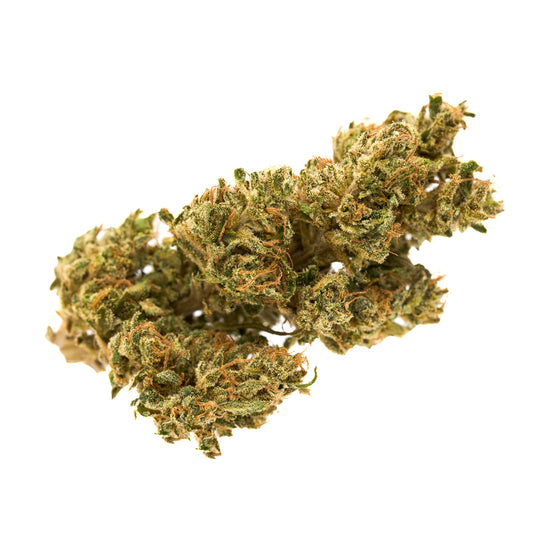
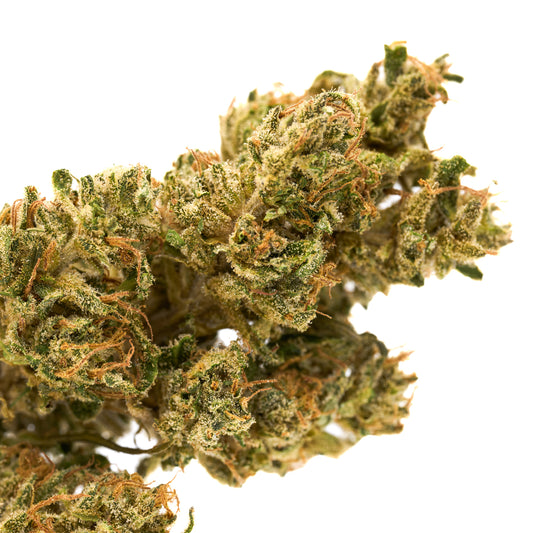
Hemp flower naturally carries the terpenes discussed above in ratios the plant itself produces, which makes it a practical starting point for anyone applying the trial protocol above. Our flower is cultivated without pesticides or synthetic inputs, and each batch is hand-trimmed before shipping to help preserve resin and terpene content.
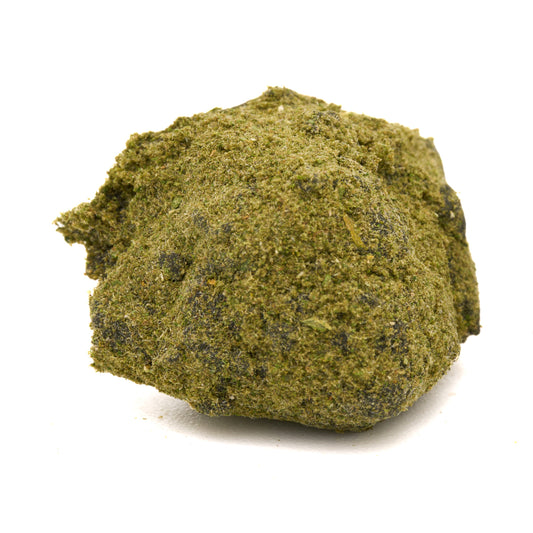
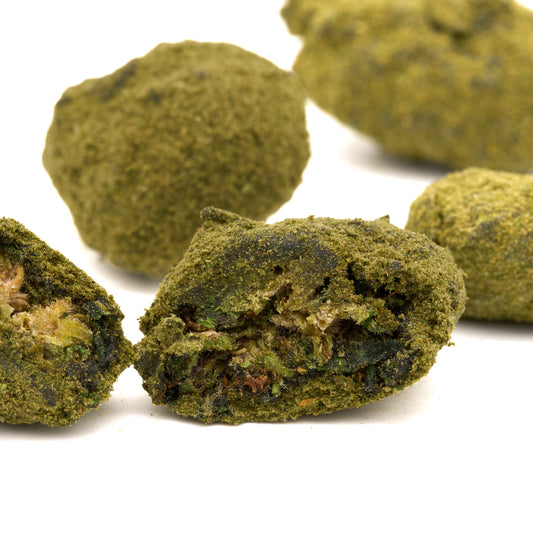
Readers exploring linalool or myrcene-forward profiles for evening use often look at Hempress CBD Hemp Flower, a CBD-dominant strain suited to checking a COA for those specific terpenes. Hawaiian Haze CBD Hemp Flower offers a different terpene balance worth comparing side by side with Hempress when deciding between a daytime or nighttime profile. For readers specifically interested in the limonene-THC interaction described earlier, Hempress Delta 8 Hemp Flower carries the psychoactive context that research applies to, and it’s worth extra caution if you’re anxiety-prone, per the safety section above. Beyond these, our catalog includes Hawaiian Haze Delta 8 Hemp Flower, Bubba Kush Delta 8 Hemp Flower, Sour Hawaiian Haze Delta 8 Moon Rocks, Critical Berries CBD Full-Term Hemp Flower Wholesale, and Maverick CBD Kief Wholesale, each with its own terpene listing available on request for anyone comparing profiles before buying.
- Organic cultivation without pesticides or synthetic additives across every strain we grow.
- Hand-trimmed harvesting to preserve terpene and resin content.
- A satisfaction guarantee backing every order.
- Shipping promotions may apply to orders above certain amounts.
A Realistic Take on Terpenes and When to Loop In a Clinician
Terpenes are genuinely interesting, and the aromatherapy data on linalool and the limonene-THC lab finding are more than marketing talking points. But the honest read on the broader field is that most of what we know comes from animal studies, and the human trials that exist are narrow in scope, testing one terpene in one context rather than the blends most products actually contain.
That gap doesn’t mean terpenes are useless for anxiety. It means they belong in the same category as other complementary approaches: worth a careful, low-dose trial, not a substitute for treatment if you have a diagnosed anxiety disorder or take medication that could interact. If you’re on an antidepressant, antiepileptic, or anticoagulant, talk to your prescriber before adding any terpene-forward product, cannabinoid or not. If you’re generally healthy and curious, the trial protocol above gives you a structured way to find out what actually works for you instead of guessing based on a product description.
— Michael
Finding a Terpene Profile That Matches Your Routine
We built our catalog around the idea that terpene content shouldn’t be an afterthought buried under a cannabinoid percentage. Every strain we carry comes with a terpene breakdown you can check against the profiles described above, whether you’re after linalool for an evening wind-down or a limonene-forward option to balance a THC product.

If you’re ready to start a trial, our Hemp Flower collection is the most direct place to compare strains by terpene listing, and our pre-rolls offer a pre-measured way to test a low, consistent dose without guessing at grind weight. Businesses sourcing in bulk can review our wholesale options for the same strains at volume. Whatever your starting point, check the COA on any product page before you buy, apply the five-session trial from this guide, and adjust from there.
FAQ
What is the 3-3-3 rule for anxiety?
The 3-3-3 rule is a grounding technique, not a terpene protocol: you name three things you can see, three sounds you can hear, and move three parts of your body to interrupt an anxiety spike in the moment. It’s a behavioral tool rather than a supplement-based one, and it can be used alongside, not instead of, any terpene trial you’re running.
How can I reduce anxiety naturally?
Behavioral approaches like regular exercise, consistent sleep, and grounding techniques have the broadest support, while complementary options such as lavender aromatherapy show measurable but modest benefit in clinical trials. NCCIH frames these natural approaches as worth trying but not a replacement for professional care when anxiety is persistent or severe.
Does a higher terpene percentage mean a stronger effect?
Not necessarily. A COA’s absolute terpene percentage matters less than which terpenes dominate the profile and how they compare to each other, since testing methods and units vary between labs. A flower with a lower total terpene percentage but a clear linalool or myrcene dominance may suit an anxiety trial better than one with a higher total that’s spread across terpenes with little anxiolytic evidence.
What terpenes should I be cautious with if I’m anxiety-prone?
High-THC products in general warrant caution, since THC itself can trigger anxiety at higher doses, an effect that d-limonene has been shown to blunt but not eliminate. Beyond THC content, pay attention to how you personally respond to strongly alerting terpenes like pinene, since a profile meant for daytime clarity can tip into jitteriness for some people.
What does myrcene actually do?
Myrcene is a terpene found in hemp, hops, and mango that carries a strong sedative and anxiolytic signal in preclinical research, which is why it’s commonly associated with sleep and evening relaxation rather than daytime use. Human clinical data specific to myrcene remains limited, so its reputation rests mostly on animal studies and long-standing anecdotal use.
Sources
- Systematic review of aromatherapy RCTs (PMC10267315)
- Controlled human lab study on d-limonene and THC (PubMed 38498958)
- The ‘Entourage Effect’: Terpenes Coupled with Cannabinoids for mood and anxiety (PMC7324885)
- Anxiety and complementary health approaches — NCCIH
