





What Are Smalls in Weed? The Complete Guide to Cannabis Smalls

Ever wondered why some dispensaries offer "smalls" at a lower price point? If you've browsed through cannabis menus or visited your local dispensary, you've likely encountered products labeled as "smalls in weed" being sold at noticeably reduced prices compared to their premium counterparts. This pricing difference often raises an important question among both novice and experienced cannabis consumers: what are smalls in weed, and are they worth purchasing?
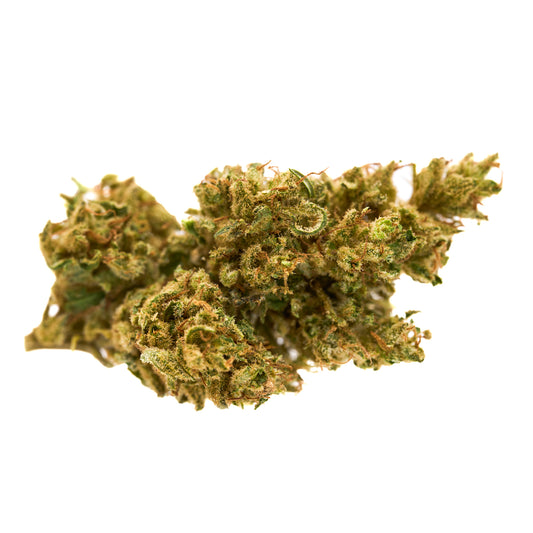
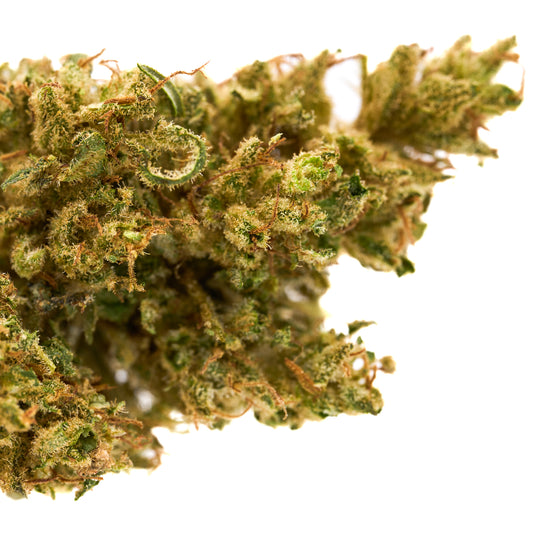
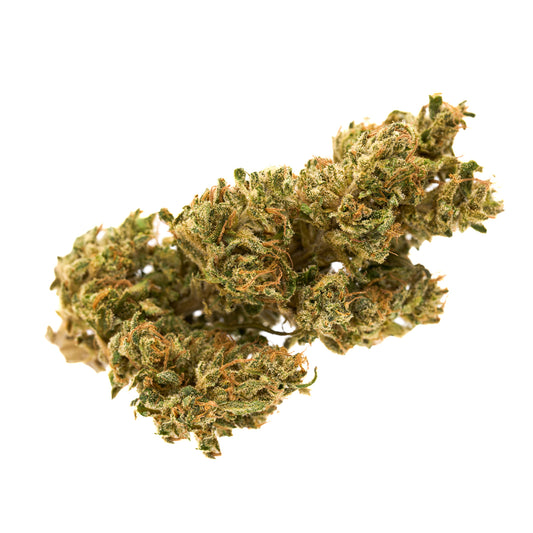
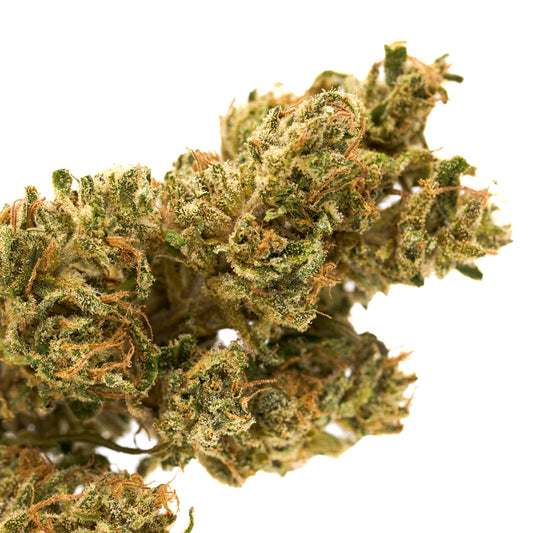
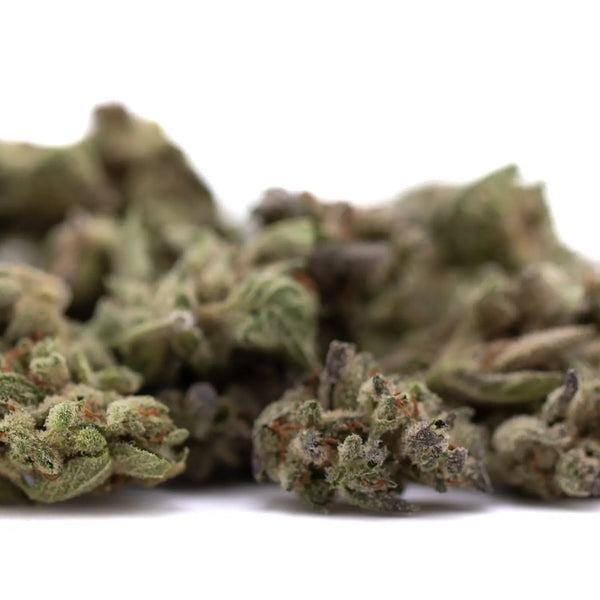
The weed smalls meaning is straightforward yet often misunderstood. Smalls weed definition refers to smaller cannabis buds that typically range between 0.5 to 2 grams in size, harvested from the lower portions of the cannabis plant. These diminutive flowers go by several names in the cannabis industry, including popcorn buds weed and small weed buds, all referring to the same type of product.
Throughout this comprehensive guide, we'll thoroughly explore the smalls cannabis definition, explain exactly what you're getting when you purchase these products, examine their quality and potency compared to premium buds, and help you understand the value proposition they offer. Whether you're a budget-conscious consumer, someone who primarily uses cannabis for making edibles, or simply curious about maximizing your cannabis dollar, understanding weed smalls can significantly impact your purchasing decisions and overall satisfaction with your cannabis products.
Understanding Weed Smalls - The Technical Definition
To truly grasp the smalls weed definition, we need to start with the basics of cannabis plant anatomy and cultivation practices. The smalls cannabis definition specifically describes buds that develop on the lower portions of the cannabis plant's canopy, where light penetration is limited compared to the upper reaches of the plant.
When cultivators harvest cannabis plants, they're essentially dealing with a naturally occurring size hierarchy of flowers. The largest, most developed buds, often called "colas" or "tops," grow at the uppermost portions of the plant where they receive direct, intense light exposure throughout the flowering cycle. These premium buds typically weigh anywhere from 3 to 7 grams or more per individual flower, featuring dense, well-formed structures with vibrant colors and substantial trichome coverage.
In contrast, smalls term weed originated in the cannabis industry to categorize the smaller buds that develop further down the plant's structure. The smalls bud definition encompasses flowers that typically range from 0.5 to 2 grams per bud, though this can vary depending on the grower's classification system and the specific strain characteristics.
It's absolutely crucial to understand that weed smalls explained properly means recognizing that these are not a different strain, a lower-quality genetic variant, or somehow inferior cannabis. Rather, they're simply the smaller flowers from the exact same plant that produces the premium, large-format buds. The genetics, cannabinoid profile, terpene content, and overall chemical composition remain identical between the tops and the smalls in marijuana from the same plant.
The visual comparison between premium A-grade buds and smalls reveals primarily aesthetic differences. Large colas present impressive visual appeal with their substantial size, tight bud structure, and prominent trichome frosting that sparkles under light. They often feature more uniform coloration and dramatic expressions of strain-specific characteristics like purple hues, orange pistils, or lime-green foliage. Smalls, while chemically identical, present a more modest appearance. They're essentially miniature versions of their larger counterparts, sometimes with slightly looser bud structure due to reduced light exposure during development, but maintaining the same genetic characteristics and chemical profile.
The cannabis industry's grading system has formalized the smalls in cannabis industry standards, though these can vary between cultivators and dispensaries. Most operations classify flowers into categories such as premium or A-grade (large colas), B-grade (medium buds), smalls or popcorn buds (small format), and shake or trim (loose material from processing). This classification system allows consumers to select products based on their intended use and budget preferences while ensuring they understand exactly what they're purchasing.
Plant Biology: Why Small Weed Buds Develop
Understanding why small weed buds develop requires examining the fundamental biology of cannabis plant structure and light dynamics during cultivation. Cannabis plants, whether grown indoors or outdoors, naturally develop a vertical hierarchy of flower production that directly correlates with light exposure and plant energy distribution.
The cannabis plant's architecture features a main central stem with numerous lateral branches extending outward and upward. During the vegetative growth phase, the plant focuses energy on developing robust branching structure and foliage. When the flowering phase begins, triggered by changes in light cycle for photoperiod strains, the plant redirects its energy toward flower production at various points along these branches and the main stem.
The uppermost portions of the plant, particularly the terminal buds at the ends of branches and the main cola at the plant's apex, receive the most intense and direct light exposure. Whether from the sun in outdoor cultivation or from high-intensity grow lights in indoor operations, these top-positioned flowers benefit from optimal photosynthetic activity throughout their development. This prime positioning allows them to accumulate maximum energy and resources, resulting in larger, denser, more fully developed flowers.
As we move down the plant's canopy, light penetration becomes progressively limited. The upper leaves and larger buds essentially shade the lower portions of the plant, creating a gradient of light availability. This is where smalls in marijuana develop naturally. The flowers on lower branches and interior portions of the plant receive less direct light, which affects their size but not their fundamental chemical composition.
This natural occurrence happens regardless of cultivation method or grower skill level. Even the most experienced cultivators working with ideal conditions will produce smalls flower weed as part of every harvest. The phenomenon is so consistent that it's factored into production planning and pricing structures across the cannabis industry.
Indoor growers attempt to mitigate this natural size variation through various techniques. Some employ training methods like Screen of Green (ScrOG) or Low-Stress Training (LST) to create a more even canopy where more bud sites receive optimal light. Others use supplemental side lighting or light movers to increase penetration into the lower canopy. Despite these efforts, however, the production of smaller buds from lower branches remains inevitable due to the physics of light and plant energy distribution.
Outdoor cultivation presents even more pronounced size variation. Natural sunlight, while incredibly powerful, moves across the sky throughout the day, creating constantly shifting shadow patterns and light angles. Outdoor plants typically develop even more distinct size hierarchies between top colas and lower buds, with smalls in cannabis industry production being a significant portion of each harvest.
The trimming and processing phase is where formal separation occurs. After harvest, when cultivators trim and manicure their flowers, they sort buds by size and visual quality. This grading process creates distinct product categories, with the largest, most visually impressive buds set aside for premium sales, medium buds forming a mid-tier offering, and smaller buds classified as smalls or popcorn buds. This sorting isn't about quality control in terms of potency or purity; it's purely size-based categorization that allows different market segments to access products at various price points.
The consistency of small bud production across every harvest makes them a reliable product category for both cultivators and consumers. Growers can count on generating a certain percentage of their harvest as smalls, which they can move quickly at lower prices while maximizing return on their entire crop rather than focusing solely on premium large-format buds.
Weed Smalls Quality - Breaking Down the Myths
One of the most persistent misconceptions in cannabis culture concerns weed smalls quality, with many consumers incorrectly assuming that smaller buds mean weaker effects or inferior product. This myth deserves thorough debunking because it causes many consumers to miss out on excellent value propositions.
The truth about weed smalls potency is straightforward and scientifically verifiable: smaller buds from the same plant contain the same cannabinoid profile as larger buds from that plant. THC, CBD, CBG, and other cannabinoids develop in the trichomes that cover the flower surface, and these trichomes produce their chemical compounds based on the plant's genetics and growing conditions, not based on individual bud size.
Research and laboratory testing consistently demonstrate that smalls flower weed tests at comparable cannabinoid percentages to premium buds from the same harvest. A plant that produces 25% THC colas will also produce approximately 25% THC smalls. The slight variations that do occur between individual buds, whether large or small, fall within normal testing variance and aren't significant enough to impact consumer experience.
The mechanism behind cannabinoid production explains why size doesn't determine potency. Trichomes, the tiny, mushroom-shaped glands that produce cannabis compounds, develop across the entire surface of the flower regardless of the flower's size. Smalls cannabis definition might describe a smaller package, but that package is covered in the same density of trichomes producing the same chemical profile as its larger siblings.
Terpene profiles, which determine cannabis aroma, flavor, and contribute to effects through the entourage effect, also remain consistent between large and small buds from the same plant. The specific terpene blend that gives a strain its characteristic scent—whether it's the myrcene-heavy earthiness of an indica, the limonene-forward citrus of a sativa, or the caryophyllene-rich spiciness of certain hybrids—expresses identically in smalls as in premium colas. When you purchase cheap weed smalls, you're not sacrificing the aromatic experience or the nuanced effects that different terpene profiles provide.
Laboratory testing from licensed cannabis facilities routinely confirms these observations. Reputable cultivators often test multiple samples from different portions of their plants, and the results consistently show that cannabinoid and terpene percentages remain stable throughout the plant's canopy. Some testing services even specifically note that smalls from quality grows test comparably to premium offerings, helping to educate consumers about the true nature of these products.
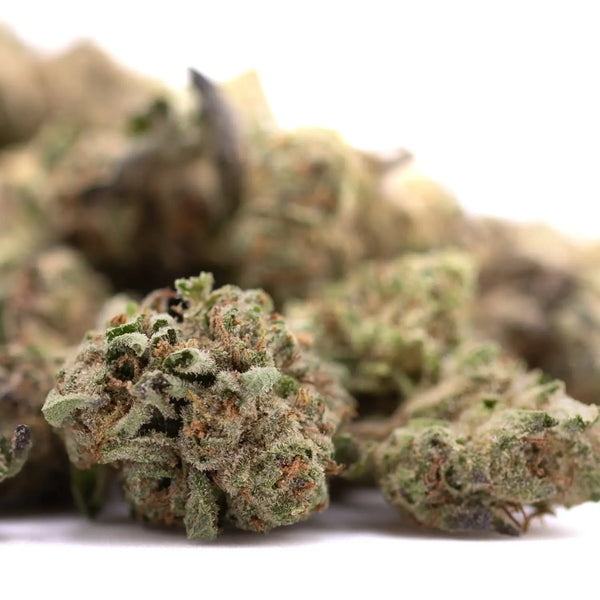
Understanding what makes weed smalls quality requires knowing what to look for when evaluating these products. The same quality indicators that apply to premium buds apply equally to smalls. First, examine trichome coverage. Quality smalls should display visible trichome frosting, that crystalline, sticky coating that indicates high cannabinoid content. If the buds appear dull, dry, or lack visible trichomes, that indicates poor storage or low-quality cultivation, not an inherent problem with smalls as a category.
The smell test provides crucial quality information. Fresh, properly cured smalls in weed should have robust, strain-appropriate aromas. Whether it's the skunky pungency of classic cannabis, sweet fruity notes, earthy undertones, or diesel-like sharpness, the terpenes should be evident and strong. Weak or hay-like smells indicate improper curing or aged product, issues unrelated to bud size.
Moisture content assessment helps identify quality smalls. Properly cured cannabis maintains ideal moisture levels that make buds slightly springy to the touch—they should give slightly when squeezed but immediately spring back without crumbling. Overly dry smalls will crumble and produce harsh smoke, while too-moist flowers risk mold development and taste unpleasant. These moisture issues affect all cannabis equally, regardless of bud size.
A critical distinction consumers must understand: not all products sold as smalls are actually smalls. Some unscrupulous sellers market shake, trim, or even low-quality outdoor flower as "smalls bud definition" products. True smalls are intact, whole buds that are simply smaller in size. Shake consists of the loose bits and pieces that fall off during handling, while trim refers to the leaf material removed during manicuring. Neither of these materials, though they contain cannabinoids, offers the same experience as actual bud consumption. When purchasing buy weed smalls, verify you're getting actual small-format buds, not leftover material from processing.
The most important takeaway regarding weed smalls explained is this fundamental principle: size does not equal strength. The smaller physical dimensions of these buds reflect their position on the plant and the light exposure they received during growth, not their chemical potency or effectiveness. A gram of smalls contains the same amount of THC, CBD, and other compounds as a gram taken from a large premium bud, assuming they came from the same plant and strain.
Smalls Weed Value - Why They Cost Less
The pricing strategy for smalls weed value represents one of the cannabis industry's most consumer-friendly practices, offering substantial savings without sacrificing quality or potency. Understanding why these products cost less helps consumers appreciate the opportunity they represent and make informed purchasing decisions.
Typical pricing for buy weed smalls ranges from 20% to 40% less than premium large-format buds from the same strain and harvest. This significant discount doesn't reflect inferior quality, reduced potency, or any functional difference in the product's effects. Instead, the pricing differential stems entirely from market dynamics and consumer psychology around cannabis aesthetics.
The primary driver of lower prices for cheap weed smalls is visual appeal, often called "bag appeal" in cannabis culture. Premium large colas command higher prices because they look impressive, photograph beautifully, and carry prestige value similar to fine wines or craft spirits. When consumers pay premium prices for top-shelf cannabis, they're partially paying for the product's visual presentation and the experience of handling and displaying attractive, well-formed buds.
This aesthetic premium means the industry markup on large buds far exceeds the markup on smalls, despite identical production costs and chemical profiles. The actual cost to produce a gram of small buds versus a gram of large buds from the same plant is negligible; both required the same cultivation inputs, labor, facilities, and processing. However, market demand allows sellers to charge substantially more for visually impressive flowers, creating the pricing gap that benefits budget-conscious consumers.
The smalls weed value proposition becomes clear when examining different consumer profiles and use cases. Daily cannabis users who consume regularly benefit enormously from smalls pricing. Someone who uses cannabis multiple times daily for medical purposes, recreational enjoyment, or both might consume an ounce or more per month. At that consumption level, the 20-40% savings from choosing smalls translates to hundreds of dollars saved annually without any reduction in effects or satisfaction.
People who make edibles, tinctures, or other cannabis-infused products find exceptional value in smalls in weed. Since these applications involve grinding, decarboxylating, and extracting cannabinoids from the flower, bud size becomes completely irrelevant to the final product. A batch of cannabutter made from smalls will be indistinguishable from one made with premium buds if the starting material contains the same cannabinoid percentage. The substantial cost savings make smalls the obvious choice for any application where appearance doesn't matter.
Extract producers and concentrate makers operate on similar logic. Whether making rosin, hash, bubble hash, or other concentrates, the starting material gets completely processed and transformed. The beautiful structure of a premium cola offers zero advantage in concentrate production; what matters is trichome density and cannabinoid content, both of which match premium offerings in quality smalls flower weed. Professional extractors often specifically seek out smalls for this reason, maximizing their input cost efficiency.
Budget-conscious consumers who simply want to maximize their cannabis dollar without compromising their experience find ideal value in what are smalls in weed. Someone purchasing cannabis for personal consumption who doesn't prioritize showing off their stash to friends or posting aesthetic photos on social media can stretch their budget significantly by choosing smalls. The effects, duration, and overall experience remain identical to premium options while leaving more money for other purchases or increased consumption frequency.
Another valuable aspect of smalls term weed pricing is the opportunity to sample new strains affordably. Cannabis enthusiasts often want to try different varieties to discover preferences, explore various terpene profiles, or experience different effect profiles. Purchasing premium buds of multiple strains to sample can become expensive quickly. Smalls allow consumers to experiment with several strains at a lower total cost, making strain exploration more accessible.
The value equation also benefits from the fact that many consumers actually prefer smaller bud formats for practical reasons. Smaller buds fit more easily into grinders, break apart more uniformly, and can be more convenient for dosage control. Some users find that popcorn buds weed actually offers superior practical utility compared to large, dense colas that require significant breaking apart before use.
Medical cannabis patients particularly benefit from smalls weed value. Many patients require substantial daily cannabis consumption for symptom management, making cost a significant consideration. The ability to access the same therapeutic compounds at reduced prices directly improves medication affordability and access. For patients on fixed incomes or without insurance coverage for cannabis medicine, smalls can mean the difference between adequate treatment and rationing medication.
The honest truth about cannabis pricing is that much of the premium charged for large buds represents marketing and psychology rather than actual product superiority. The cannabis industry has adopted pricing models similar to luxury goods markets, where aesthetics and presentation command premium prices despite functional equivalence. Understanding weed smalls means recognizing this dynamic and taking advantage of the savings opportunity it creates.
When to Choose Small Weed Buds
Knowing when to select small weed buds over premium options helps consumers maximize value and satisfaction. While smalls offer excellent quality and potency, certain situations favor their use more than others.
Pre-rolls and joints represent perhaps the ideal application for smalls in marijuana. When rolling cannabis into a smokable form, you're grinding the flower anyway, which completely eliminates any visual advantage large buds might offer. The ground cannabis looks identical whether it came from premium colas or smalls, and the smoking experience depends entirely on the cannabinoid and terpene content, not the original bud size. Many commercial pre-roll producers specifically use smalls for this reason, achieving the same product quality at lower input costs.
The joint-rolling process actually benefits from smaller bud formats. Popcorn buds weed typically has slightly looser bud structure than dense premium colas, making it easier to break apart by hand or grind uniformly. Consistent grind texture produces more evenly burning joints with better airflow, enhancing the overall smoking experience. Many experienced joint rollers prefer working with smaller buds for exactly this reason.
Making edibles, cannabutter, or cannabis-infused oils represents another perfect use case for smalls. The entire process of edible creation involves decarboxylating (heating to activate cannabinoids) and extracting the compounds into fats or alcohols. The flower's appearance before processing has absolutely zero impact on the final edible product's potency or quality. A batch of brownies made with cheap weed smalls will be chemically identical to one made with expensive premium buds, assuming equal starting cannabinoid percentages. The significant cost savings make smalls the intelligent choice for any cooking or baking applications.
Cannabis concentrate production similarly benefits from using smalls weed value products. Whether making bubble hash, dry sift, rosin, or other extracts, the process completely transforms the starting material. What matters in concentrate production is trichome density and cannabinoid content, both of which remain consistent throughout the plant. Many professional extractors specifically source smalls because they offer the same extraction yields as premium buds at substantially lower prices, improving profitability without compromising product quality.
Daily personal consumption represents another excellent use case for smalls flower weed. Someone who consumes cannabis regularly throughout the day or evening for relaxation, pain management, sleep aid, or recreational enjoyment can significantly reduce their cannabis expenditure by choosing smalls. The effects remain identical session after session, making the premium price of large buds difficult to justify for routine consumption.
Testing new strains affordably becomes much more accessible with smalls pricing. Cannabis enthusiasts often want to explore different varieties to discover which terpene profiles, effects, and flavors they prefer. Purchasing eighth-ounce quantities of multiple strains in premium format can quickly become expensive. Buying the same variety selection in smalls in weed format allows broader experimentation at the same total cost, helping consumers find their ideal strains without overspending.
Situations where small weed buds might not be the ideal choice include gift-giving scenarios. Cannabis gifts often emphasize presentation and visual impact, where premium large buds in attractive packaging make a stronger impression. If you're presenting cannabis as a gift to a friend, relative, or romantic partner, the additional investment in premium buds might be worthwhile for the enhanced presentation value.
Display purposes or social situations where you're showing your cannabis to others might also favor premium buds. If you're hosting friends who appreciate examining beautiful cannabis, sharing at a social gathering, or participating in cannabis culture where "bag appeal" matters, premium colas offer aesthetic advantages. However, it's worth noting that once consumed, nobody can tell whether they smoked smalls or premium buds, as the effects remain identical.
Photography and social media content creation represents another niche where premium buds might be preferred. If you're creating cannabis content, reviewing strains online, or building a social media presence around cannabis culture, the visual appeal of large, well-formed buds photographs more impressively than smalls. That said, many content creators use premium buds for photos but smalls for actual consumption, maximizing their content budget.
For most practical cannabis applications, however, smalls weed meaning translates directly to smart value. The identical chemical composition, effects, and experience combined with substantial cost savings make smalls the intelligent default choice for informed consumers who prioritize substance over appearance. The money saved can be redirected toward purchasing higher quantities, exploring more strain variety, or simply reducing overall cannabis expenditure without sacrificing quality or satisfaction.
Conclusion
Throughout this comprehensive guide, we've thoroughly explored smalls weed meaning and demonstrated that these smaller-format cannabis buds represent one of the best value propositions in the cannabis market. The fundamental takeaway bears repeating: smalls in weed offer identical potency, comparable quality, and the same effects as premium large-format buds, but at significantly reduced prices.
Understanding weed smalls means recognizing that size differences reflect natural plant biology and light distribution rather than quality variations or genetic differences. Every cannabis plant naturally produces a range of bud sizes from large colas to smaller flowers, and this variation occurs regardless of cultivation skill or growing conditions. The smaller buds develop on lower branches with less direct light exposure, but they contain the same genetic profile, cannabinoid percentages, and terpene content as their larger counterparts from the same plant.
The pricing differential between premium buds and smalls weed definition products stems from aesthetic considerations and market psychology rather than functional differences. Cannabis consumers pay premium prices for visually impressive large buds that photograph well and offer "bag appeal," while smalls provide the same chemical experience without the aesthetic premium. This creates a genuine opportunity for value-conscious consumers to access quality cannabis at reduced costs.
Whether you're a daily medical user seeking to reduce medication costs, a recreational consumer wanting to maximize your cannabis budget, someone who makes edibles or concentrates, or simply a practical person who values substance over appearance, buy weed smalls represents a smart purchasing decision. The 20-40% savings add up quickly, especially for regular consumers, without any sacrifice in potency, effects, or satisfaction.
The cannabis industry's classification of smalls in cannabis industry as a distinct product category benefits both cultivators and consumers. Growers can move their entire harvest efficiently, pricing different size formats to appeal to various market segments, while consumers gain access to products at multiple price points. This market structure ultimately increases cannabis accessibility and helps ensure that quality products reach consumers at various budget levels.
For those ready to experience the value proposition firsthand, we encourage you to explore quality smalls cannabis definition products from reputable sources. Look for smalls from licensed cultivators who provide lab testing results, proper packaging, and transparent information about their products. Quality smalls should display visible trichome coverage, robust strain-appropriate aromas, proper moisture content, and intact bud structure. Avoid products marketed as smalls that appear to be shake, trim, or degraded material.
The weed smalls quality you experience should match premium offerings in every respect except visual presentation. Same potency, same effects, same terpene profiles, same satisfaction—just at a better price point. This makes smalls an economical choice that doesn't compromise your cannabis experience.
If you're ready to discover the value of premium-quality smalls for yourself, explore our carefully curated selection of THCA flower smalls. Every product in our collection undergoes rigorous quality control, features full lab testing, and offers the same exceptional potency and terpene profiles as premium large-format buds. We source from trusted cultivators who understand that smalls flower weed deserves the same cultivation care and attention as top-shelf offerings.
Making informed cannabis purchasing decisions starts with understanding weed smalls and recognizing the value they offer. By choosing smalls, you're not settling for lower quality—you're making a smart economic choice that maximizes your cannabis budget while maintaining the effects and experience you desire. Same plant, same genetics, same effects, better price: that's the smalls weed value proposition in a nutshell.
Frequently Asked Questions About Weed Smalls
What exactly are smalls in weed?
Smalls in weed are smaller cannabis buds, typically ranging from 0.5 to 2 grams in size, that grow on the lower portions of the cannabis plant where light penetration is limited. They're the same strain and genetics as larger buds from the same plant, just smaller in physical size due to their position on the plant during growth.
Are smalls less potent than regular-sized buds?
No. Weed smalls potency matches that of premium large buds from the same plant and harvest. Laboratory testing consistently shows that cannabinoid percentages remain stable throughout the plant, meaning smalls contain the same THC, CBD, and other cannabinoid levels as their larger counterparts. Size doesn't determine strength; genetics and growing conditions do.
Why are smalls cheaper if they're the same quality?
The lower price for cheap weed smalls reflects market preferences for visual appeal rather than actual quality differences. Cannabis consumers pay premium prices for large, photogenic buds with impressive "bag appeal," while smalls offer identical effects without the aesthetic premium. The production cost is the same; the pricing difference is purely market-driven.
What's the difference between smalls and shake?
Smalls bud definition describes intact, whole cannabis flowers that are simply smaller in size. Shake, by contrast, consists of the loose bits and pieces that break off buds during handling and packaging. While shake contains cannabinoids, it typically includes more stem and leaf material and doesn't provide the same experience as whole buds. Always verify you're getting actual small buds, not shake marketed as smalls.
What are the best uses for small weed buds?
Small weed buds excel for pre-rolls and joints, making edibles and cannabutter, producing concentrates and extracts, daily personal consumption, and testing new strains affordably. Essentially, any application where you'll be grinding, processing, or transforming the flower benefits from smalls pricing since the starting material's appearance becomes irrelevant to the final product.
How can I tell if smalls are good quality?
Quality smalls in weed should display visible trichome coverage with crystalline frosting, robust strain-appropriate aromas indicating fresh terpenes, proper moisture content making buds slightly springy rather than brittle or too wet, and intact bud structure without excessive stem or leaf material. The same quality indicators that apply to premium buds apply equally to smalls.
Can I make concentrates from smalls?
Absolutely. Smalls flower weed works excellently for concentrate production including rosin, bubble hash, dry sift, and other extracts. Since the extraction process completely transforms the starting material, bud size becomes irrelevant. What matters is trichome density and cannabinoid content, both of which match premium offerings in quality smalls. Many professional extractors specifically prefer smalls to maximize their input cost efficiency.
Are popcorn buds the same as smalls?
Yes, popcorn buds weed is simply another term for smalls. The nickname comes from the small, popcorn-like size and appearance of these buds. Different dispensaries and cultivators may use various names including smalls, popcorn buds, small buds, B-buds, or mini buds, but they all refer to the same product: smaller-format whole cannabis flowers from the lower canopy of the plant.
How much money can I save buying smalls instead of premium buds?
Typical savings range from 20% to 40% off premium bud prices when you buy weed smalls. For regular consumers, this translates to substantial annual savings. Someone purchasing an ounce monthly could save several hundred to over a thousand dollars per year by choosing smalls without any reduction in effects or satisfaction. The exact savings vary by market, dispensary, and specific products, but the discount remains consistent across the industry.
Do smalls taste different than large buds?
No. Smalls weed meaning indicates smaller size, not different flavor. Terpenes, the compounds responsible for cannabis taste and aroma, develop based on genetics and growing conditions, not individual bud size. Smalls from quality grows exhibit the same terpene profile as premium buds from that plant, producing identical flavors when smoked, vaped, or consumed. Any perceived taste differences likely stem from variations in curing or storage rather than bud size.
Should medical patients use smalls?
Medical cannabis patients often benefit significantly from smalls weed value. Many patients require substantial daily cannabis consumption for symptom management, making cost a major consideration. Since smalls offer identical therapeutic compounds at reduced prices, they improve medication affordability without compromising treatment effectiveness. Patients can maintain the same dosing schedule and therapeutic outcomes while reducing their monthly cannabis expenditure substantially.
Where do smalls come from on the plant?
Smalls in marijuana develop on the lower branches and interior portions of the cannabis plant where direct light penetration is limited. While the tops of the plant receive intense light exposure and develop into large colas, the shaded lower areas produce smaller but chemically identical flowers. This natural size hierarchy occurs in every cannabis plant regardless of cultivation method or grower expertise.
Can I get the same strains in smalls format?
Most cultivators offer popular strains in both premium and smalls cannabis definition formats since every harvest naturally produces both size categories. Availability may vary depending on harvest timing and demand, but you can typically find your favorite strains as smalls. Check with dispensaries about their smalls selections, as these products often sell out quickly due to their excellent value proposition.
