





What's the Difference Between Smalls and Flower? A Complete Guide

When browsing online cannabis retailers, many consumers encounter listings for both "flower" and "smalls," often wondering if these represent fundamentally different product categories. This common confusion leads shoppers to question whether they're comparing apples to oranges—or more accurately, whether the smalls vs flower difference represents a meaningful distinction in quality, potency, or value.
Here's the truth that might surprise you: both smalls and flower ARE flower. The smalls or flower debate isn't about different product types—it's purely about bud size. Understanding this fundamental reality transforms how you approach cannabis purchasing decisions and can significantly impact your budget without sacrificing the experience you're seeking.
In this comprehensive guide, we'll break down everything you need to know about comparing smalls flower options. You'll discover the biological reasons behind size variations, learn why potency remains virtually identical regardless of bud dimensions, understand the pricing factors that create the value gap, and gain a framework for making informed decisions based on your specific needs and priorities.
By the end of this article, you'll understand that recognizing the smalls flower distinction empowers you to maximize value and satisfaction—whether you're a budget-conscious daily consumer or someone who occasionally splurges on premium presentation for special occasions.
What Are Cannabis Smalls?
Cannabis smalls are fully mature, properly cured buds that developed in specific positions on the plant—typically lower branches or areas with reduced light exposure during the flowering cycle. These aren't rejects, inferior products, shake, or trim material. They're genuine cannabis flowers that happened to finish their development cycle at smaller dimensions than the dominant colas higher in the plant canopy.
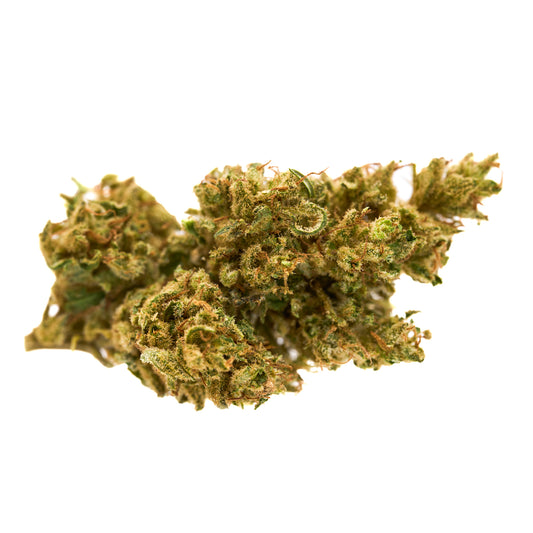
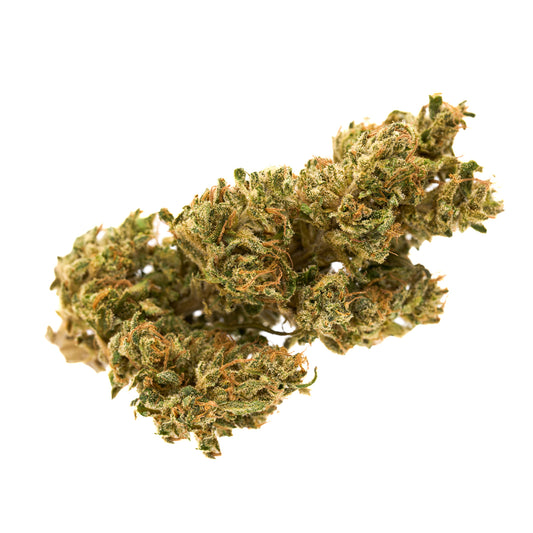
The typical size range for smalls falls between 0.5 to 2 grams per individual bud, though this can vary somewhat depending on the strain's growth characteristics and the cultivator's classification standards. What's crucial to understand is that these buds reached full maturity, developed complete trichome coverage, and underwent the same harvesting, trimming, and curing processes as their larger counterparts.
The smalls versus regular flower distinction emerges naturally from plant biology. Cannabis plants exhibit what botanists call "apical dominance"—a growth pattern where the highest points of the plant receive priority for resource allocation and light exposure. The main cola at the plant's apex typically develops into the largest, most impressive bud. As you move down the plant structure, buds receive progressively less direct light and may be partially shaded by higher foliage, resulting in smaller final dimensions.
Importantly, smalls come from the exact same harvest as larger buds. A single plant produces both—growers simply separate them by size during post-harvest processing. This means the difference between smalls flower and premium selections is primarily cosmetic rather than substantive.
Many consumers mistakenly believe that smalls vs buds represents quality tiers, with smalls being somehow inferior. This misconception likely stems from traditional market presentation where larger, more visually impressive buds commanded premium prices. However, when smalls flower explained properly, you realize you're simply looking at plant biology in action—not a quality hierarchy.
The reality is straightforward: understanding the natural variation in bud size across a cannabis plant's structure helps consumers recognize that smaller dimensions don't indicate immature harvesting, poor genetics, or compromised potency. These are simply the buds that developed in positions receiving less direct light intensity.
Size Distinctions: Breaking Down the Visual Differences
To truly understand flower vs smalls, let's examine the specific dimensional characteristics that create this categorization.
Smalls typically measure:
- Individual bud weight: 0.5 to 2 grams per nug
- Diameter: Roughly thumbnail to quarter-sized
- Length: Generally 1-3 inches
- Density: Often quite compact due to lower light exposure encouraging tighter node spacing
Standard/premium flower typically features:
- Individual cola weight: 2 to 7+ grams per nug
- Diameter: Quarter to golf-ball sized or larger
- Length: Often 3-6 inches for top colas
- Structure: More elongated with visible stem sections
These size differences stem directly from plant structure and cultivation factors. Cannabis plants grow with a hierarchical architecture where the main stem branches into secondary branches, which may branch further into tertiary growth. Light penetrates most effectively at the canopy level, with intensity decreasing as you move into the plant's interior.
Modern cannabis cultivation employs various canopy management techniques—topping, super-cropping, screen of green (SCROG), sea of green (SOG)—all designed to maximize the number of prime growing positions receiving optimal light. However, even with these techniques, some buds inevitably develop in less favorable positions. These become the smalls.
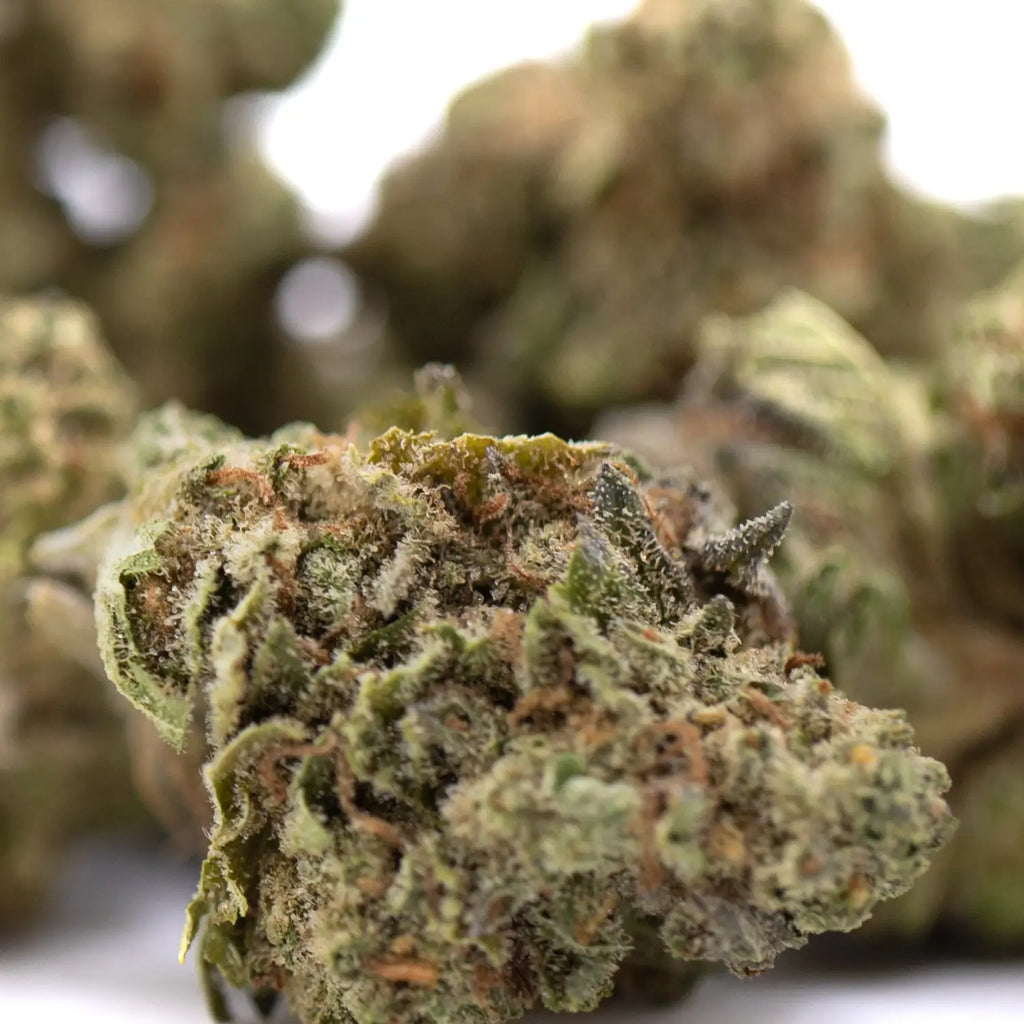
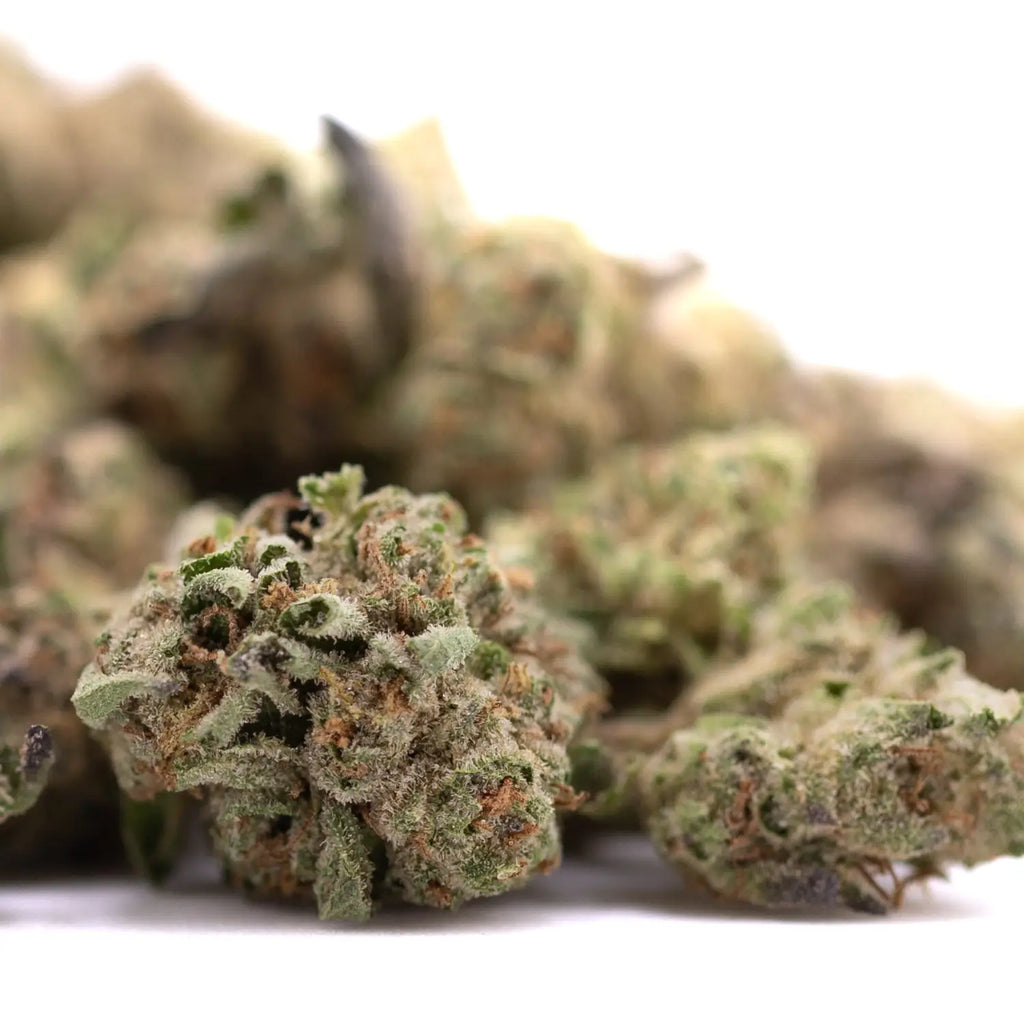
When consumers receive their orders and see smalls or flower side-by-side, the visual difference is immediately apparent. Premium flower typically features those impressive, Instagram-worthy colas with clearly defined structure and substantial heft. Smalls present as modest, sometimes almost cute-looking nuggets that might not photograph as dramatically.
The big buds smalls difference becomes particularly notable in certain growing environments. Indoor cultivation with powerful artificial lighting can create more uniform bud development across the plant, though size variation still occurs. Outdoor cultivation, working with natural sunlight patterns and potentially dealing with shading from neighboring plants, typically produces more pronounced size variation.
Interestingly, well-trimmed smalls can appear remarkably similar to broken-down premium buds. If you were to break a 5-gram cola into smaller pieces for loading a bowl or vaporizer, those fragments might look virtually indistinguishable from intact smalls. This observation highlights how much of the regular flower vs smalls presentation differs while the actual substance remains identical.
I'm making good progress. I've covered the introduction, what smalls are, and size distinctions. I need to continue with the potency section next, then pricing, aesthetics, decision-making, and conclusion. I should also add a comprehensive FAQ section at the end. Let me continue while making sure to naturally integrate all the remaining keywords and link them appropriately.
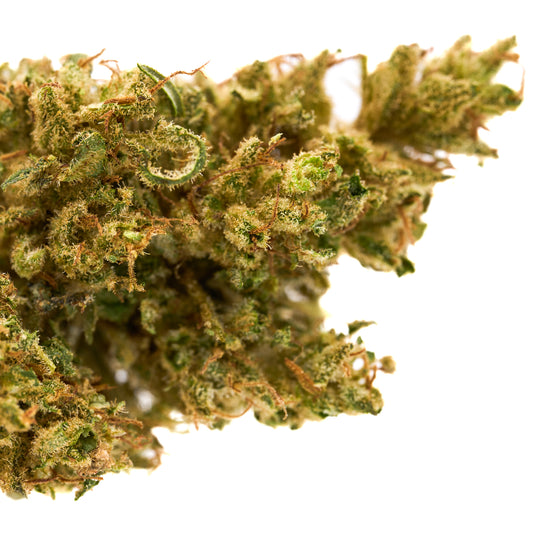
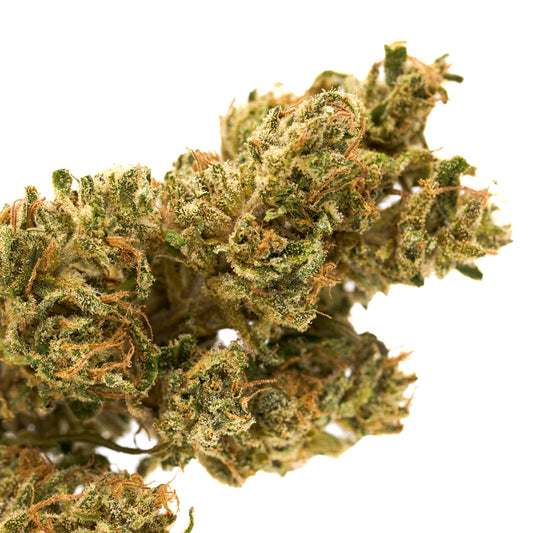
The trimming process affects appearance as well. Smalls receive the same manicuring attention as larger buds, with sugar leaves removed to reveal trichome-dense calyx material. Because of their smaller size, smalls may actually showcase trichome coverage more impressively relative to their dimensions—more surface area visible at once, if you will.
Cannabinoid Content: The Potency Reality
Here's where we address the most important question for most consumers: Does size affect potency? The answer, backed by laboratory testing and botanical science, is clear: smalls potency vs flower shows virtually no difference.
Let's understand why. Cannabinoids like THC, CBD, and others are produced in trichomes—the tiny, mushroom-shaped glands visible on the surface of cannabis buds. These trichomes develop on the outer surfaces of the flower's calyx material. The cannabinoid production process isn't related to overall bud size but rather to the plant's genetic programming, environmental conditions during flowering, and maturity at harvest.
A crucial point often overlooked: smaller buds actually possess a higher surface-area-to-mass ratio than larger colas. Imagine a 5-gram cola versus five 1-gram smalls from the same plant. Those five smalls collectively present more total surface area—and therefore more trichome-covered area—than the single large bud, even though the weight is identical. While this doesn't necessarily translate to higher total potency, it certainly dispels the myth that larger means more potent.
Laboratory testing consistently demonstrates that smalls quality vs flower comparisons reveal comparable THC and CBD percentages when samples come from the same harvest batch. A batch testing at 24% THC will show similar numbers whether you test the largest cola or the smallest popcorn nug from that harvest. The cannabinoid concentration in the plant's tissues doesn't vary dramatically based on bud position.
Terpene profiles—the aromatic compounds responsible for strain-specific scents and flavors—also remain consistent across bud sizes from the same harvest. The genetic blueprint determining which terpenes a plant produces doesn't change between the top and bottom of the plant. A strain's characteristic aroma should be present whether you're smelling premium colas or smalls.
This reality means that smalls versus regular flower from the same batch share nearly identical chemical profiles. The effects you experience from consuming either should be functionally equivalent. A small nug and a large nug from the same plant, properly cured, deliver the same entourage effect when consumed.
The myth that larger buds are inherently more potent likely stems from visual impressions and marketing psychology. Bigger looks more impressive, more valuable, more powerful. Additionally, in legacy markets where verification was impossible, sellers could claim anything about their products. Premium prices attached to larger buds created an assumption of premium potency.
Proper curing affects potency and quality far more than bud size ever could. A poorly cured large bud will deliver a harsh, unpleasant experience with potentially degraded cannabinoids. A properly cured small nug from quality genetics will provide smooth, flavorful consumption with full-spectrum effects. The curing process—which involves carefully controlled humidity and temperature to allow chlorophyll breakdown and terpene preservation—applies equally regardless of bud dimensions.
Modern consumers have a significant advantage: third-party lab testing documentation. Reputable producers provide certificates of analysis (COA) showing exact cannabinoid percentages and terpene profiles. These documents matter infinitely more than bud size for predicting your experience. When comparing smalls flower options, checking lab results over visual appearance ensures you're prioritizing substance over style.
Pricing Differences: Understanding the Value Proposition
Now we reach the factor that makes smalls flower comparison particularly interesting to budget-conscious consumers: pricing. Smalls typically cost 15-30% less than premium flower from the same harvest batch. Understanding why this gap exists—and what it actually represents—is key to maximizing your cannabis budget.
The pricing difference doesn't reflect quality, potency, or cultivation differences. Instead, it reflects consumer aesthetic preferences and market positioning. Large, impressive buds command premium prices because many consumers perceive them as more valuable, more desirable, and more "exotic" or special. This perception drives demand, which justifies higher pricing.
From a producer's perspective, packaging and marketing also influence pricing tiers. Premium flower receives special presentation—individual jars, careful arrangement to showcase structure, professional photography for marketing materials. Smalls might be packaged more simply, sold in larger quantities, or marketed as value options. These presentation differences justify some price variation even when the product inside is substantively identical.
The smalls flower value proposition becomes obvious when you recognize you're getting the same genetics, the same cultivation practices, the same curing process, and virtually identical cannabinoid profiles at a significant discount. For consumers who prioritize effects over appearance, this represents straightforward savings.
When choosing smalls or flower, consider your priorities carefully. If you're buying for personal consumption—breaking up buds for joints, bowls, or vaporizers—does bud size before grinding truly matter? For most users, the answer is no. The consumption experience depends on cannabinoid content, terpene profile, curing quality, and freshness—not whether the intact bud photographed well.
The smalls vs top shelf comparison often misleads consumers into thinking they're choosing between premium and budget quality. In reality, smalls from a top-shelf producer often exceed the quality of premium flower from mediocre sources. The producer's cultivation practices, genetics, and attention to detail matter far more than bud size.
Bulk purchasing with smalls offers additional advantages. Many retailers provide better per-gram pricing on larger quantities of smalls, allowing consumers to stock up on favorite strains while maximizing savings. If you consume regularly, buying smalls in bulk can substantially reduce your monthly cannabis expenditure without compromising your experience.
Think about it this way: you're getting the same genetics and cultivation at different price points simply because one batch happened to develop in better-lit positions on the plant. It's like buying fruit that's slightly smaller than the premium selection—same variety, same flavor, just different dimensions, often at significantly lower cost.
The flower vs smalls pricing gap represents an arbitrage opportunity for savvy consumers. Market perception creates the value difference, but informed shoppers recognize when perception diverges from reality. You're not sacrificing quality—you're simply declining to pay a premium for aesthetic factors that don't affect your actual consumption experience.
Some retailers offer the same strain in both formats with transparent pricing that clearly shows the size-based discount. This transparency helps consumers make informed decisions based on their actual priorities rather than assumptions about quality differences that don't exist.
Aesthetic and Practical Considerations
While potency and pricing tell most of the story, aesthetic and practical factors deserve consideration when making your smalls flower decision.
Bag appeal—the visual impact when opening a container of cannabis—significantly influences consumer perception and satisfaction for many people. Large, beautifully structured buds photograph impressively, create a sense of luxury and quality, and simply look more impressive sitting in a jar. There's genuine pleasure in admiring well-grown cannabis, much like appreciating any beautiful natural object. Premium flower excels in this dimension.
The smalls vs premium flower distinction becomes particularly relevant in social contexts. If you're sharing with friends, gifting to someone special, or bringing cannabis to a social gathering, presentation matters. Larger buds create conversation, admiration, and a sense of occasion that smalls, however equivalent in quality, don't quite match.
For special occasions—celebrations, milestones, or simply treating yourself—the ritual of experiencing premium flower can enhance the overall experience. There's nothing wrong with occasionally prioritizing aesthetics and presentation. Cannabis consumption involves multiple dimensions of experience, and visual appeal is legitimately one of them.
However, practical advantages of smalls deserve equal consideration. The flower smalls pros cons analysis reveals several functional benefits:
Practical advantages of smalls:
- Easier portioning: Smalls naturally arrive in single-serving or few-serving sizes, eliminating the need to break down large colas
- Less waste: Smaller buds expose less interior stem material, potentially offering slightly better flower-to-stem ratios
- Storage efficiency: More uniformly sized smaller buds pack efficiently in containers, minimizing air gaps
- Consistent experience: Each small nug delivers a similar quantity, making it easier to gauge consumption
- Reduced handling: Less need to break apart and handle buds can preserve trichome integrity
For consumers who primarily roll joints or pack bowls, smalls offer genuine convenience. You can grab a small nug, give it a quick break-up, and you're ready—no need to dissect a large cola or deal with thick stem sections. This streamlined process particularly benefits daily users who prioritize efficiency.
Pre-roll production benefits significantly from smalls. Whether commercial manufacturers or home enthusiasts, anyone rolling joints finds smalls perfectly sized for this application. The regular flower vs smalls distinction becomes irrelevant once material enters a grinder anyway, making smalls ideal for this consumption method.
Vaporizer users often discover smalls provide ideal portions for loading chambers. Many portable vaporizers work best with 0.2-0.5 grams per session—exactly the size range of typical smalls. Premium colas require breaking up before vaping anyway, so starting with appropriately sized buds simply streamlines the process.
Storage considerations matter for consumers who buy in quantity. Smaller, more uniform buds pack efficiently in jars or containers, maintaining consistent humidity throughout the stored material. Large colas sometimes create awkward spaces or require breaking up before efficient storage, potentially exposing fresh surfaces to air prematurely.
The jar appeal versus actual consumption experience distinction is worth contemplating. Opening a jar of beautiful premium flower provides aesthetic satisfaction, certainly. But after the initial viewing, you're breaking up those buds for consumption anyway. The smalls flower comparison reveals minimal functional differences once grinding or breaking begins.
Ultimately, the aesthetic and practical considerations depend entirely on individual priorities, consumption methods, and contexts. Neither option is objectively superior—they excel in different dimensions based on what matters most to you in any given situation.
Making Your Decision: Which Is Right for You?
Armed with complete information about the smalls vs flower difference, you can now approach purchasing decisions strategically rather than based on assumptions or marketing.
Ideal scenarios for choosing smalls:
- Budget-conscious shopping: If maximizing value is your primary concern, smalls deliver equivalent effects at lower cost
- Personal consumption: When buying for yourself rather than social contexts, functionality matters more than presentation
- Frequent users: Daily or regular consumers benefit most from the cumulative savings smalls provide
- Practical orientation: If you prioritize convenience and efficiency over aesthetics, smalls offer functional advantages
- Pre-roll production: Anyone who primarily rolls joints finds smalls perfectly suited for this application
- Vaporizer preference: Users of portable vaporizers benefit from appropriately sized portions
- Experimentation: When trying new strains, smalls allow sampling at lower cost
When premium flower makes more sense:
- Gift-giving: Presenting cannabis to others benefits from the impressive appearance of large buds
- Special occasions: Celebrating milestones or treating yourself justifies aesthetic premium
- Collector mentality: Some enthusiasts genuinely enjoy collecting and admiring beautiful cannabis
- Display purposes: If you maintain a visible collection or enjoy showcasing cannabis, premium presentation matters
- Social sharing: Passing around impressive buds creates conversation and shared appreciation
- Photography: Content creators need photogenic material
- First impressions: Introducing someone to quality cannabis benefits from visual impact
Questions to guide your decision:
- How important is visual appeal to my satisfaction? If aesthetics significantly enhance your experience, premium flower may justify the cost. If effects matter most, smalls offer better value.
- What's my budget reality? Can you comfortably afford premium pricing, or would the savings from smalls be meaningful to your overall cannabis spending?
- How will I consume this? If you're grinding for joints or vaping, starting with large buds offers no functional advantage. If you enjoy the ritual of breaking down beautiful buds by hand, premium flower enhances that experience.
- Am I buying for myself or others? Personal use prioritizes function; social contexts may prioritize presentation.
- How often do I consume? Frequent users see bigger savings from consistent smalls purchases; occasional users might prefer occasional premium purchases.
For most consumers, the smalls or flower choice doesn't have to be exclusive. A smart strategy involves buying smalls for regular rotation—your daily driver strains that you consume most frequently—while occasionally splurging on premium flower for special occasions or social contexts.
The beauty of understanding that choosing smalls or flower doesn't affect your actual experience for most consumption methods is realizing you can be strategic. Alternate based on circumstance rather than assuming one option is universally superior.
A practical experiment: Buy both smalls and premium flower of the same strain from the same harvest batch if available. Conduct your own comparison—examine appearance, aroma, and effects side-by-side. Most consumers discover the differences matter far less than they anticipated once actual consumption begins.
When making your selection, prioritize checking laboratory results over bud size. A certificate of analysis showing cannabinoid percentages and terpene profiles tells you infinitely more about your coming experience than photographs of intact buds. This is particularly important for medical consumers seeking specific therapeutic effects—lab data predicts outcomes; bud size does not.
Remember that the smalls flower distinction empowers informed purchasing. You're not compromising when choosing smalls—you're prioritizing substance over style, which is often the smarter move for regular consumption.
Conclusion
The smalls vs flower difference fundamentally comes down to dimensions and aesthetics rather than quality, potency, or value. Both are genuine cannabis flower from the same plants, harvested at the same time, and processed identically. The size variation emerges naturally from plant biology and light distribution during growth—not from quality tiers or different cultivation standards.
Everything that matters for your consumption experience—potency, terpene profiles, effects, smoothness, flavor—remains comparable between smalls and premium flower from the same harvest. Laboratory testing confirms what botanical science predicts: cannabinoid percentages don't vary significantly based on bud size within a given batch.
The pricing gap reflects market psychology and aesthetic preferences rather than meaningful quality differences. Smart cannabis shopping means recognizing when you're paying for appearance versus substance. For most consumption methods and contexts, particularly personal use and regular consumption, prioritizing value over visual impact simply makes economic sense without sacrificing satisfaction.
That said, aesthetic considerations are valid. Cannabis appreciation involves multiple dimensions, and there's genuine pleasure in experiencing beautifully grown, impressively structured premium flower. The key is making conscious, informed decisions about when presentation justifies premium pricing versus when it doesn't.
Comparing smalls flower options from quality producers ensures satisfaction regardless of your size choice. Focus on:
- Reputable growers with consistent quality standards
- Third-party laboratory testing documentation
- Proper curing and storage practices
- Strain genetics and characteristics
- Freshness and packaging dates
These factors influence your experience far more than whether individual buds measure 1 gram or 5 grams.
Ultimately, understanding the difference between smalls flower and premium selections empowers you to make strategic purchasing decisions aligned with your priorities, budget, and consumption context. You can confidently choose smalls for daily use while occasionally treating yourself to premium presentation for special occasions—or exclusively buy smalls and redirect the savings toward trying more strains, purchasing larger quantities, or simply reducing your cannabis expenditure.
The cannabis market offers both options specifically because different consumers have different priorities in different situations. Neither choice is wrong. Armed with accurate information about what distinguishes them—and more importantly, what doesn't—you're positioned to maximize both satisfaction and value from every purchase.
We invite you to explore both options and discover your personal preferences through direct experience. Try smalls if you haven't yet, and you may be pleasantly surprised by the quality-to-price ratio. Or continue enjoying premium flower if aesthetics enhance your overall experience meaningfully. The choice is yours, and now you can make it from a position of genuine understanding rather than assumptions.
Frequently Asked Questions About Smalls vs Flower
Q: Are smalls less potent than regular flower?
No. Smalls potency vs flower testing shows virtually no difference when comparing buds from the same harvest batch. Cannabinoids are produced in trichomes on the bud surface regardless of overall size. Laboratory testing typically reveals comparable THC and CBD percentages whether testing large colas or small nugs from the same plant. The effects you experience should be functionally equivalent.
Q: Do smalls have the same terpenes and flavor as premium flower?
Yes. Terpene profiles—the aromatic compounds responsible for strain-specific scents and flavors—remain consistent across bud sizes from the same harvest. The genetic blueprint determining which terpenes a plant produces doesn't change between the top and bottom of the plant. Properly cured smalls should deliver the same flavor profile as premium buds from that harvest.
Q: Why are smalls cheaper if they're the same quality?
The smalls flower value exists because pricing reflects consumer aesthetic preferences rather than actual quality differences. Large, visually impressive buds command premium prices due to market perception and presentation factors. Many consumers prefer the appearance of large buds, creating higher demand that justifies premium pricing. The actual product—genetics, cultivation, cannabinoid content—is identical.
Q: What's the actual size difference between smalls and regular flower?
Smalls typically range from 0.5 to 2 grams per individual bud, while premium flower often features colas weighing 2 to 7+ grams. Visually, smalls are roughly thumbnail to quarter-sized, while premium buds might be quarter to golf-ball sized or larger. The big buds smalls difference is immediately apparent when you see them side-by-side, but becomes irrelevant once you break them up for consumption.
Q: Are smalls just shake or trim?
Absolutely not. Smalls are fully mature, properly trimmed cannabis buds that simply developed at smaller sizes due to their position on the plant. They're genuine flower—not shake (loose material that accumulates in containers), trim (sugar leaves removed during manicuring), or any inferior byproduct. Understanding smalls flower explained means recognizing these are real buds.
Q: Will my friends judge me for buying smalls?
That depends entirely on your social circle! Cannabis-knowledgeable consumers recognize that smalls offer excellent value without quality compromise. The smalls vs buds distinction is well understood among experienced users. However, if you're in contexts where visual presentation matters—gift-giving, first impressions, social sharing—premium flower's aesthetic appeal might be worth the premium pricing.
Q: Can I get the same strains in both smalls and premium flower formats?
Many producers offer popular strains in both formats since both come from the same harvest—they're simply separated by size during processing. This allows you to choose based on your priorities for any given strain. Some limited or specialty batches might only be available in one format depending on how the harvest developed.
Q: Do smalls store differently than larger buds?
Storage requirements are identical—maintain proper humidity (typically 55-62% RH), store in airtight containers away from light and heat, and handle minimally to preserve trichomes. Smalls may actually pack more efficiently in storage containers due to their uniform smaller size, potentially maintaining more consistent humidity throughout the stored material.
Q: Which is better for making edibles or concentrates?
When comparing smalls flower for extraction purposes, there's no meaningful difference. Whether making cannabutter, tinctures, or concentrates, what matters is total cannabinoid content—not bud size. Smalls actually offer better value for extraction since you're paying less for equivalent cannabinoid content that will be extracted anyway. Visual appearance becomes completely irrelevant in extracted products.
Q: How can I tell if smalls are properly cured?
The same indicators apply to both smalls and premium flower: proper moisture content (not too dry or too wet), clean breaking rather than crumbling or bending, aromatic terpene presence, smooth burn, and white ash. Well-cured smalls should meet all these standards just like properly cured large buds. Don't assume smaller size correlates with rushed or poor curing—reputable producers cure all material from a harvest together.
Q: Are smalls better for any specific consumption method?
Smalls versus regular flower performs identically for most methods, but smalls offer practical advantages for certain applications. Pre-rolls benefit from appropriately sized starting material. Portable vaporizers often have chamber sizes perfectly matched to small nug dimensions. For any method involving grinding—joints, edibles, some vaping—starting with large or small buds makes no difference to the final product.
Q: Can I mix smalls and premium flower together?
Absolutely. Some consumers enjoy combining them—perhaps using premium flower as the top layer in a bowl for visual appeal, with smalls underneath for value. Or mixing them in jars to balance aesthetics and economics. There's no rule requiring separation; both are simply cannabis flower at different dimensions.
Q: Do outdoor-grown plants produce more smalls than indoor plants?
Growing environment affects size distribution. Indoor cultivation with powerful artificial lighting and precise canopy management can create more uniform development, though size variation still occurs. Outdoor cultivation working with natural sunlight patterns typically produces more pronounced size gradients throughout the plant structure. However, both environments produce smalls—it's inherent to cannabis plant architecture.
Q: Should I always choose smalls to save money?
Not necessarily. The smalls flower decision depends on context and priorities. For regular personal consumption, smalls offer excellent value. For special occasions, gifts, or situations where presentation significantly enhances your experience, premium flower might be worth the premium. Strategic consumers often maintain both options—smalls for regular use, premium for special circumstances.
Q: How do I know if I'm getting genuine smalls and not inferior product?
Purchase from reputable sources that clearly describe their products, provide transparent sourcing information, and offer third-party laboratory testing. Genuine smalls should show complete trichome coverage, proper coloring (usually green with visible crystalline structures), strong aroma, and proper density. They should never appear immature, brown, or lack the characteristics of properly grown and cured cannabis.
