


Wholesale Hemp Flower Guide: Compliance, COAs and Sourcing

Buying hemp flower wholesale comes down to four checks: the product is legal where you will sell it, every batch has its own lab report, the grade matches your use, and the supplier can document the supply chain. Price comes after those. This guide covers each check for US resellers, with a focus on the 2026 federal change to the hemp definition and Oregon’s registry rules.
TL;DR
- Federal law now counts THCA toward the 0.3% limit. Under Pub. L. 119-37, hemp is measured by total THC on a dry weight basis, and finished products are capped at 0.4 mg total THC per container.
- Passing a farm-level USDA test does not make a product sellable at retail. State rules, such as Oregon’s OLCC registry, apply on top.
- Ask for batch-specific COAs from licensed labs. Generic reports do not support resale in a state like Oregon.
- Compare grades (smalls, full buds, hand-trimmed) by use case: pre-roll production, retail jars or extraction.
- Verify the effective date of the federal change before you place a large order, because it is a moving target.
Table of Contents
- What wholesale hemp flower is
- The 2026 federal change: total THC replaces delta-9
- Farm compliance and retail compliance are different
- Oregon: the OLCC hemp registry
- How to read a COA
- Chain of custody: what to ask the supplier
- Grades and formats: matching the flower to your use
- What drives wholesale pricing
- Health claims: keep them off the shelf
- A buyer’s checklist before the first order
- Our perspective
- Wholesale hemp flower from Oregon Hemp Flower
- FAQ
- Sources
What wholesale hemp flower is
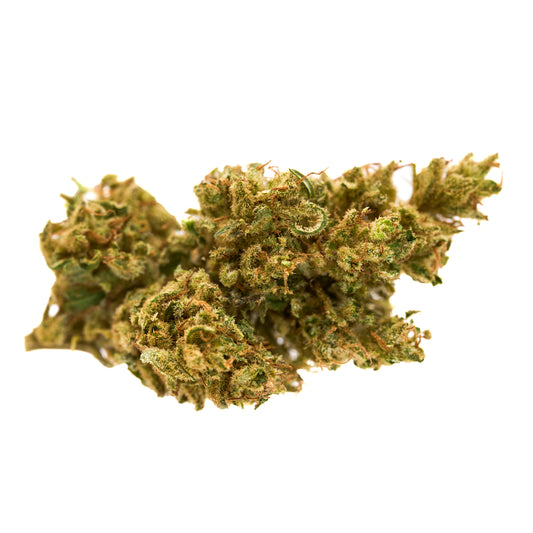
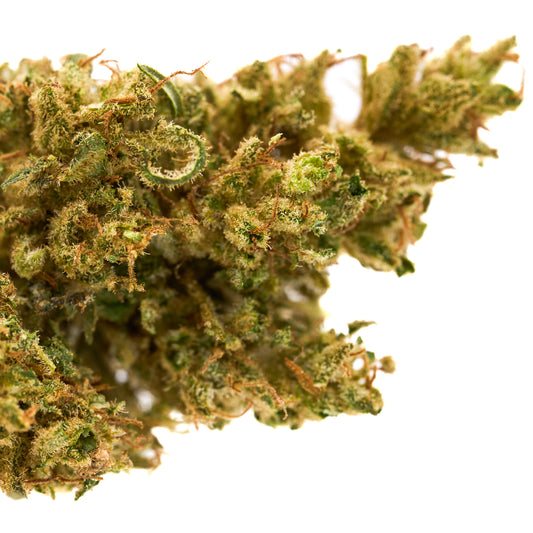
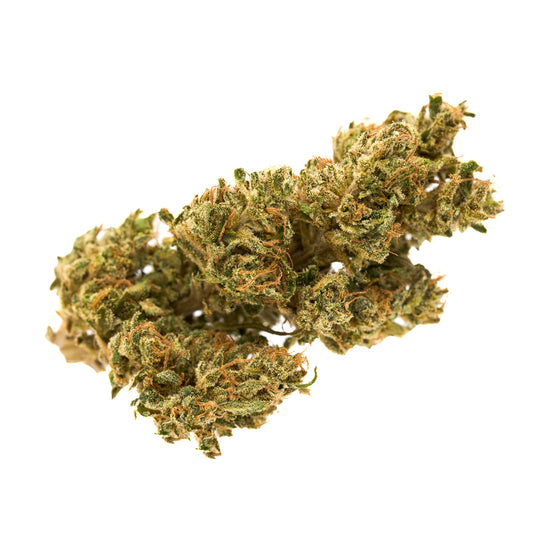
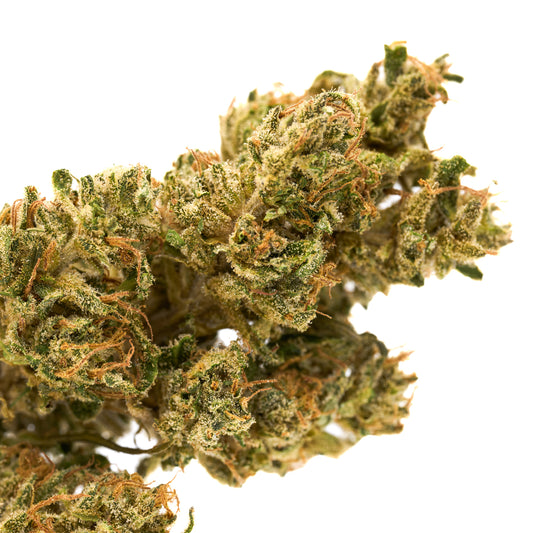
Wholesale hemp flower is the dried, cured bud of Cannabis sativa L. sold in bulk to businesses. Typical buyers are smoke shops, CBD and wellness retailers, convenience stores, pre-roll makers and brands that private label. Quantities are usually sold by the pound or in multi-pound lots, and the per-gram cost falls as volume rises.
Three product families are common:
- CBD flower: high in cannabidiol, low in THC. CBD is not impairing, according to the CDC, though the agency also says CBD use is not risk free.
- THCA flower: high in THCA, which is not psychoactive until heated. This is the category most affected by the new federal definition.
- Delta 8 flower: hemp flower combined with or infused with delta-8 THC. It faces the tightest scrutiny from regulators.
The 2026 federal change: total THC replaces delta-9
Until now, the federal test counted delta-9 THC only. That left room for flower with a high THCA content that still measured under 0.3% delta-9 THC. Congress.gov’s CRS summary explains that Pub. L. 119-37, enacted November 12, 2025, changes the definition. Hemp is now Cannabis sativa L. and its derivatives with a total THC concentration, THCA included, of not more than 0.3% on a dry weight basis.
The same law also does two things that matter to a reseller:
- It sets a limit of 0.4 mg of total THC per container for final hemp-derived cannabinoid products.
- It excludes cannabinoids that are synthesized or not naturally occurring in the plant from the definition of hemp.
The CRS says the new definition takes effect on November 12, 2026, one year after enactment. Some industry sources report that Congress has since moved the date. We could not confirm that on an official page, so check the current effective date on Congress.gov before you commit to inventory. Whatever the date, plan on total-THC compliance.
What this means in practice:
- High-THCA flower that is legal to sell today may not meet the total-THC definition once it applies.
- A COA that reports only delta-9 THC is no longer enough. Ask for total THC, calculated from THCA and delta-9 THC.
- CBD flower with low total THC is the lowest-risk category under the new definition.
For a deeper read on the THCA side, see our THCA wholesale guide.
Farm compliance and retail compliance are different
There are two layers of rules, and buyers often confuse them.
Industrial compliance is the USDA layer. It governs cultivation and the pre-harvest test. The USDA’s laboratory testing guidelines set the procedures for measuring THC on a dry weight basis.
Commercial compliance is the state layer. A lot can pass the USDA test and still be unsellable in a given state if it lacks that state’s product registration or fails its testing and labeling requirements.
A second distinction applies to processed goods. Pre-harvest testing shows the lot is at or below 0.3% total THC. Concentrating, isolating or infusing can raise potency, so a finished product needs its own COA. Do not accept a harvest-stage report as proof that a finished pre-roll, kief or infused flower is compliant.

Oregon: the OLCC hemp registry
Oregon is a useful example because its rules are specific. According to the OLCC’s hemp registry bulletin, cannabinoid hemp products for human or animal use must be registered with the OLCC and labeled to its requirements. The law took effect January 1, 2026, and the OLCC allowed a non-enforcement period for registry compliance until June 1, 2026.
Key points from the bulletin:
- Registration covers gummies, vapes, tinctures and smokable flower. Topicals and industrial grain or fiber products with no added cannabinoids are outside it.
- Retailers, including online sellers, may not sell or distribute unregistered products.
- Responsibility sits with the business that holds the inventory. Relying on a supplier’s word is not a defense.
The OLCC also publishes a hemp testing and potency quick reference and a Selling Hemp in Oregon page. Read both if you sell into Oregon. If you sell in other states, look up that state’s equivalent. Many states restrict smokable hemp, THCA or delta-8 separately.
Our own take on lab standards is in THCA flower testing standards: Oregon’s quality assurance programs.
How to read a COA
A certificate of analysis is the most useful document a supplier can give you. It is also the one most often misused. Use this checklist.
- Batch match. The batch or lot number on the COA must match the number on the product you receive. A generic report for a strain name is not a batch COA.
- Licensed lab. The lab should be named, with contact details and a date. For Oregon resale, batch-specific testing from licensed labs is what the registry rules assume.
- Total THC. Look for THCA and delta-9 THC, and the calculated total on a dry weight basis.
- Contaminants. Pesticides, heavy metals, residual solvents (for extracts and concentrates) and microbials should be tested where your state requires it.
- Cannabinoid profile. The CBD or THCA figure should match what is on the label and the listing.
- Finished-product COA. For pre-rolls, kief, vapes or infused products, ask for a report on the final product, not just the flower it was made from.
The CDC’s Health Alert Network notice on delta-8 THC is a reminder of why this matters. Products labeled hemp or CBD can contain psychoactive cannabinoids, and mislabeling carries health risk, especially for children. Batch COAs protect your customers as well as your license.
Chain of custody: what to ask the supplier
Source transparency separates a vendor from a broker. A supplier should be able to tell you:
- Where the flower was grown and under what grow license.
- Which lab ran the final compliance test.
- How the lot was dried, cured, trimmed and stored.
- Which states the product is registered or permitted to be sold in.
- How returns, failed tests and recalls are handled.
If an answer is vague, treat that as the answer.
Grades and formats: matching the flower to your use
| Grade | What it is | Best for |
|---|---|---|
| Hand-trimmed full buds | Whole flowers, trimmed by hand | Retail jars, premium shelf |
| Smalls | Smaller buds from the same plants | Value jars, budget lines |
| Shake and trim | Loose material | Pre-roll fill, extraction, infusions |
| Pre-rolls | Ready-to-sell cones or joints | Counter sales, quick turnover |
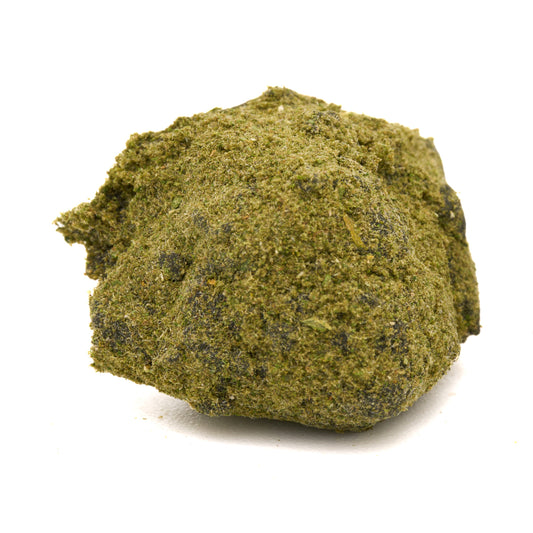
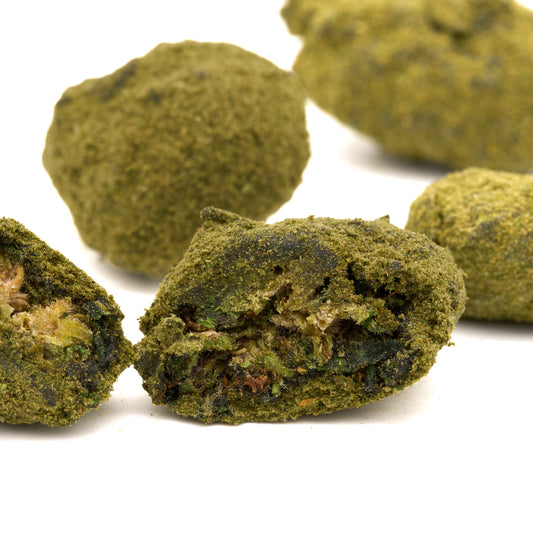
| Kief and concentrates | Trichome-rich or processed material | Add-ons, infused products |
Indoor, greenhouse and outdoor growing also differ in appearance, terpene expression and cost. Pick the grade for the customer who will buy it, not the lowest cost per pound.
Strain selection
Strains differ by cannabinoid ratio and terpene profile. For CBD buyers, our Tune vs Pivot strain comparison shows how to compare two common wholesale options. For a classic profile, see our Bubba Kush wholesale CBD flower. For THCA, see the Pressure indoor THCa wholesale flower.

What drives wholesale pricing
Wholesale prices vary a lot by grade and by market, and published ranges change quickly. Rather than quote a figure that will date, here are the factors that move a quote:
- Grade and trim: hand-trimmed buds cost more than smalls or shake.
- Cannabinoid content: higher CBD or THCA percentages raise the price.
- Grow method: indoor typically costs more than outdoor.
- Volume: price per pound drops at larger lot sizes.
- Testing and documentation: batch testing and a clean paper trail have a cost, and they are worth paying for.
- Compliance risk: very cheap product often has a gap in testing, labeling or registration.
Compare quotes on a total-landed basis: price per pound, shipping, test documentation and the cost of a failed lot. For background, see our guides on THCA flower wholesale pricing and THCA flower prices.
Health claims: keep them off the shelf
The FDA states that no hemp-derived CBD product is approved as a food additive, dietary supplement or drug, with the exception of one prescription drug, Epidiolex. It also issues warning letters to companies that make unsubstantiated therapeutic claims. If you resell, do not market flower as treating a condition. Describe aroma, cannabinoid content and terpene profile, and send customers with medical questions to a healthcare provider. Sales are for adults 21 and over.
A buyer’s checklist before the first order
- Confirm your state’s rules for smokable hemp, THCA and delta-8.
- Confirm the current federal effective date and plan around total THC.
- Request batch COAs for the exact lots offered, including total THC.
- Ask for the grow source and testing lab.
- Order a sample and test it independently if volume is large.
- Start with a smaller lot, then scale after you see sell-through.
- Keep COAs and invoices on file for every batch you sell.
Our perspective
We grow and sell hemp flower in Oregon, and we hear the same mistake from new resellers: they compare price per pound and treat paperwork as an afterthought. We would reverse that order. Our flower is organically grown without pesticides or synthetics and hand-trimmed, and we stand behind it with a 100% satisfaction guarantee. That only means something if the buyer can check it, which is why we point people to batch testing first.
We also think the total-THC change will reward suppliers who already test and document properly. If you are choosing between a cheaper lot with a generic report and a slightly dearer lot with a batch COA, take the batch COA. The cost of a seized or unsellable lot is larger than the saving.
— Michael
Wholesale hemp flower from Oregon Hemp Flower
We offer wholesale CBD, THCa and Delta 8 flower, along with pre-rolls, kief, vapes and concentrates. Browse our hemp flower wholesale collection, see individual lots such as Royal OG CBD full-term flower, Spectrum CBD full-term flower and Hawaiian Haze CBD flower, or see all wholesale options on the wholesale product page. Retail orders over $85 ship free.

FAQ
Is wholesale hemp flower legal in the US?
Federally, hemp with no more than 0.3% total THC on a dry weight basis is lawful, and the definition now counts THCA. States add their own rules, and some restrict smokable hemp, THCA or delta-8. Check the state where you will sell before you buy.
What documents should a wholesale supplier provide?
Ask for a batch-specific COA from a licensed lab that shows total THC, cannabinoid content and contaminant results. Also ask for the grow source and, where your state requires it, proof of product registration. For processed products, request a COA on the finished product.
Does the OLCC registry apply to online sellers?
Yes. The OLCC bulletin says retailers, including online sellers, may not sell or distribute unregistered cannabinoid hemp products in Oregon. Smokable flower is among the covered categories.
Can I market hemp flower for health benefits?
No. The FDA has not approved hemp-derived CBD products for these uses and sends warning letters over unsubstantiated claims. Stick to factual product details and refer health questions to a doctor.
Sources
- Change to Federal Definition of Hemp and Implications for Federal Enforcement (Congress.gov)
- OLCC Hemp Registry Compliance bulletin
- OLCC Hemp Testing and Potency quick reference
- OLCC: Selling Hemp in Oregon
- USDA AMS laboratory testing guidelines
- CDC Health Alert Network notice on delta-8 THC
- CDC: About CBD
- FDA: Regulation of cannabis and cannabis-derived products, including CBD
